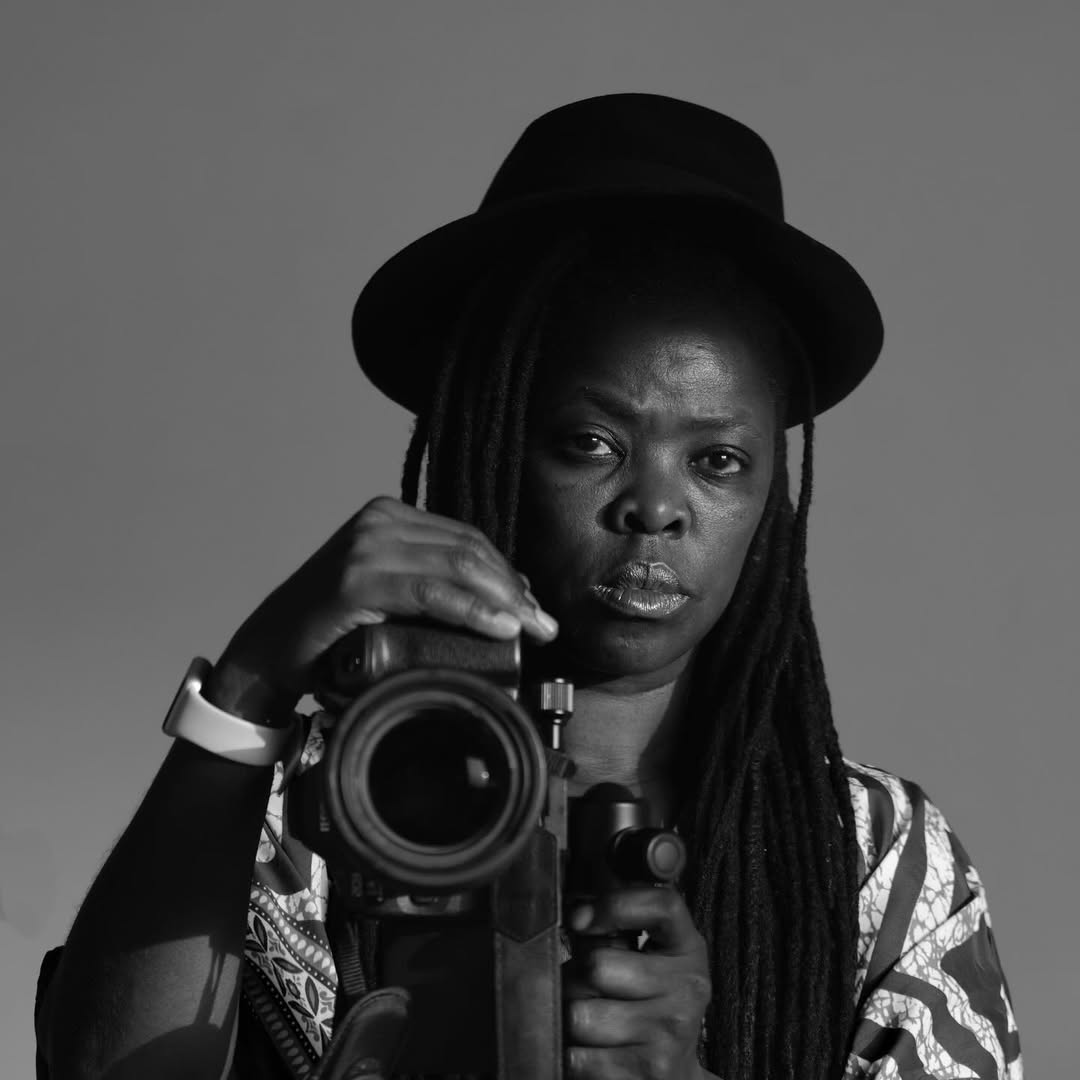
In March 2026, the global art world turned its eyes toward South Africa as Zanele Muholi achieved what many consider the “Nobel Prize of photography.” By being named the 2026 Hasselblad Award laureate, the Umlazi-born visionary has solidified their place as one of the most influential cultural figures of our time.
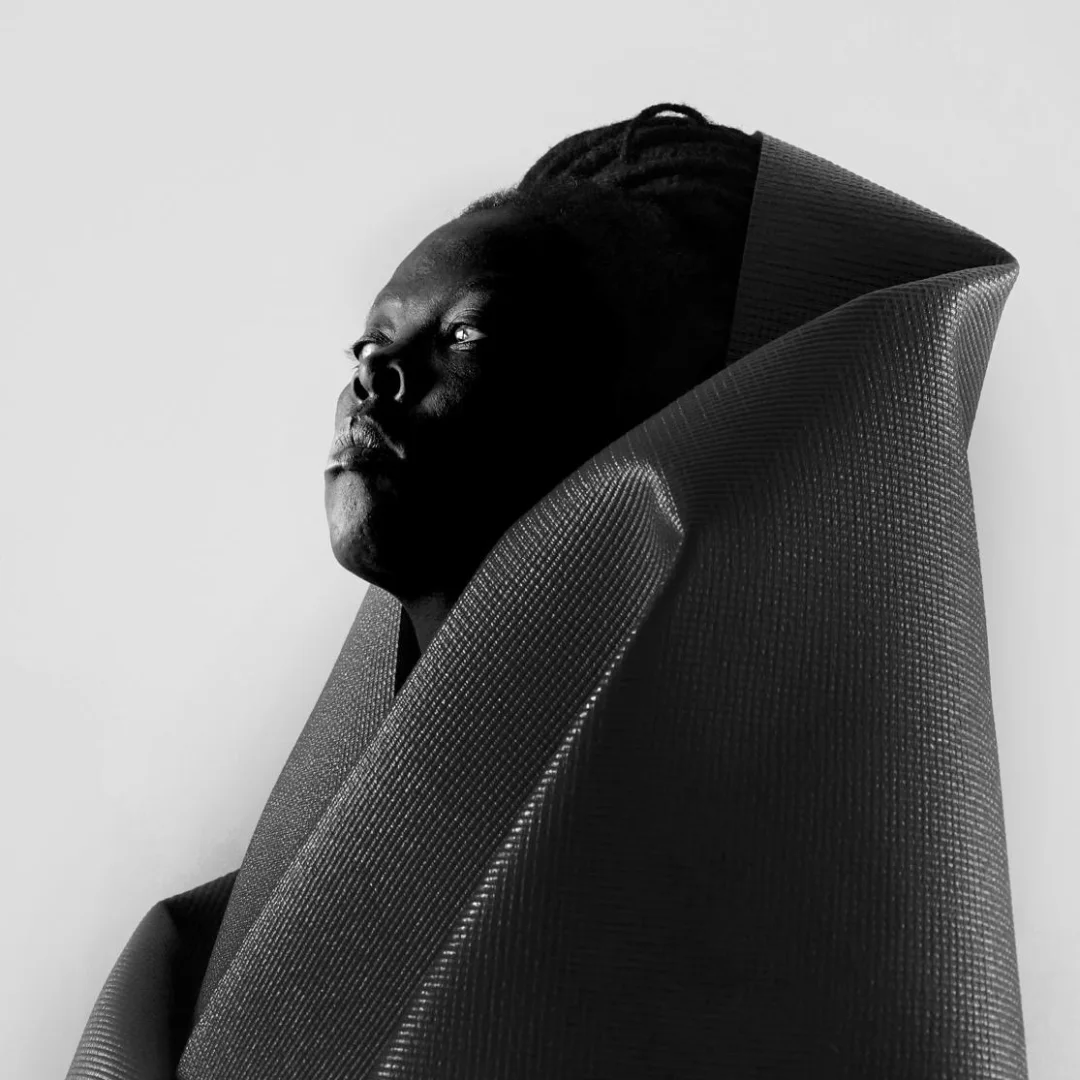
This historic win, the first for a Black queer South African, marks a transition from being a local hero to a permanent pillar of global art history. Their achievement is not only about personal recognition but also about collective visibility, proving that art can be both a weapon and a sanctuary.
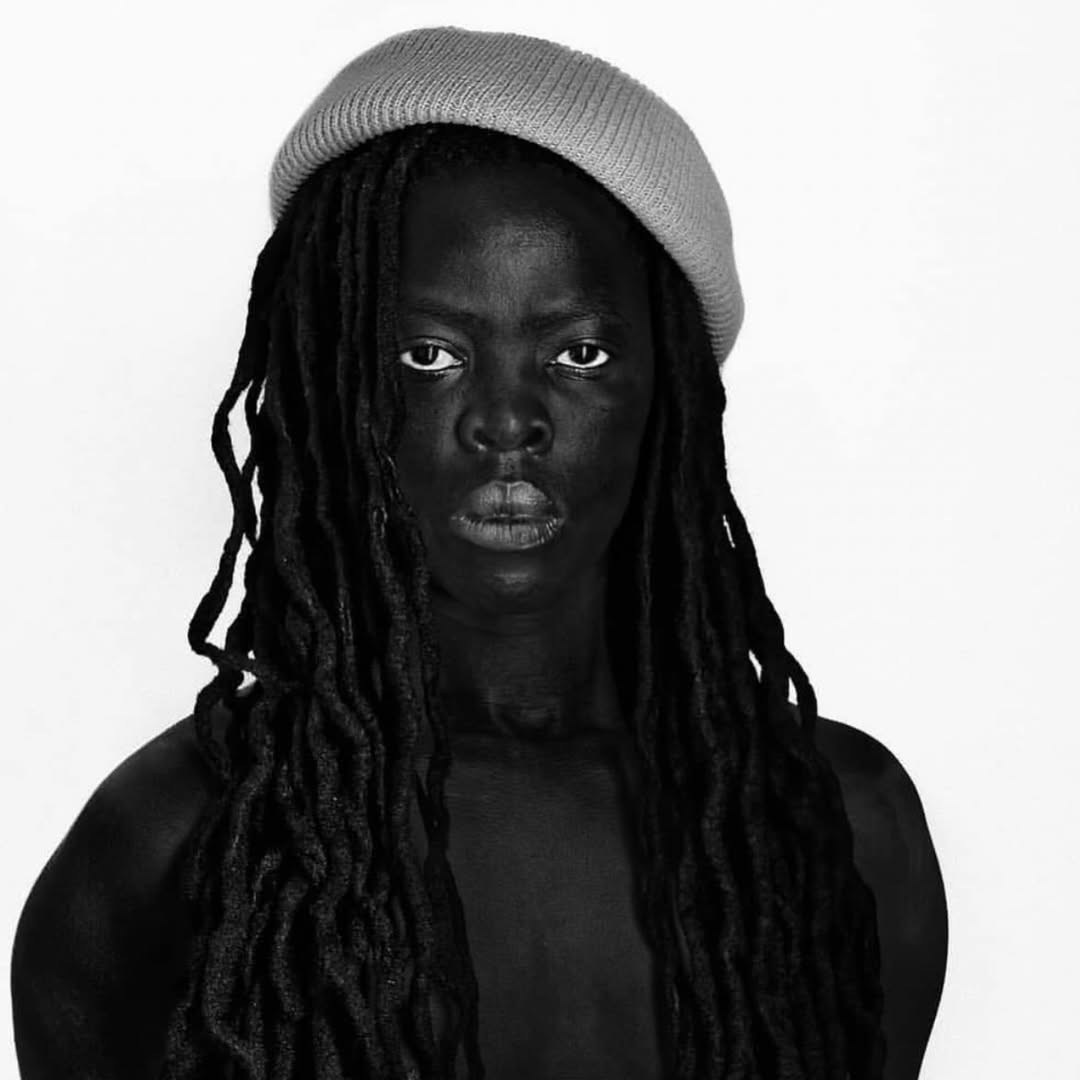
Here are the 10 essential facts you need to know about this history-making creative:
1. The Historic Hasselblad Win
In March 2026, Muholi was named the winner of the Hasselblad Award. This is the highest international honour in the medium, joining the ranks of photography legends. It signals a formal acknowledgment that South African “visual activism” has become the global gold standard for contemporary art.
2. A Multi-Million Rand Windfall
The award is not only about prestige. It comes with a gold medal and a cash prize of 2 million Swedish krona, approximately R3.5 million. Muholi has pledged to use these resources to further their mission of documenting marginalised communities, ensuring that the prize becomes a tool for empowerment rather than personal gain.
3. The “Visual Activist” Label
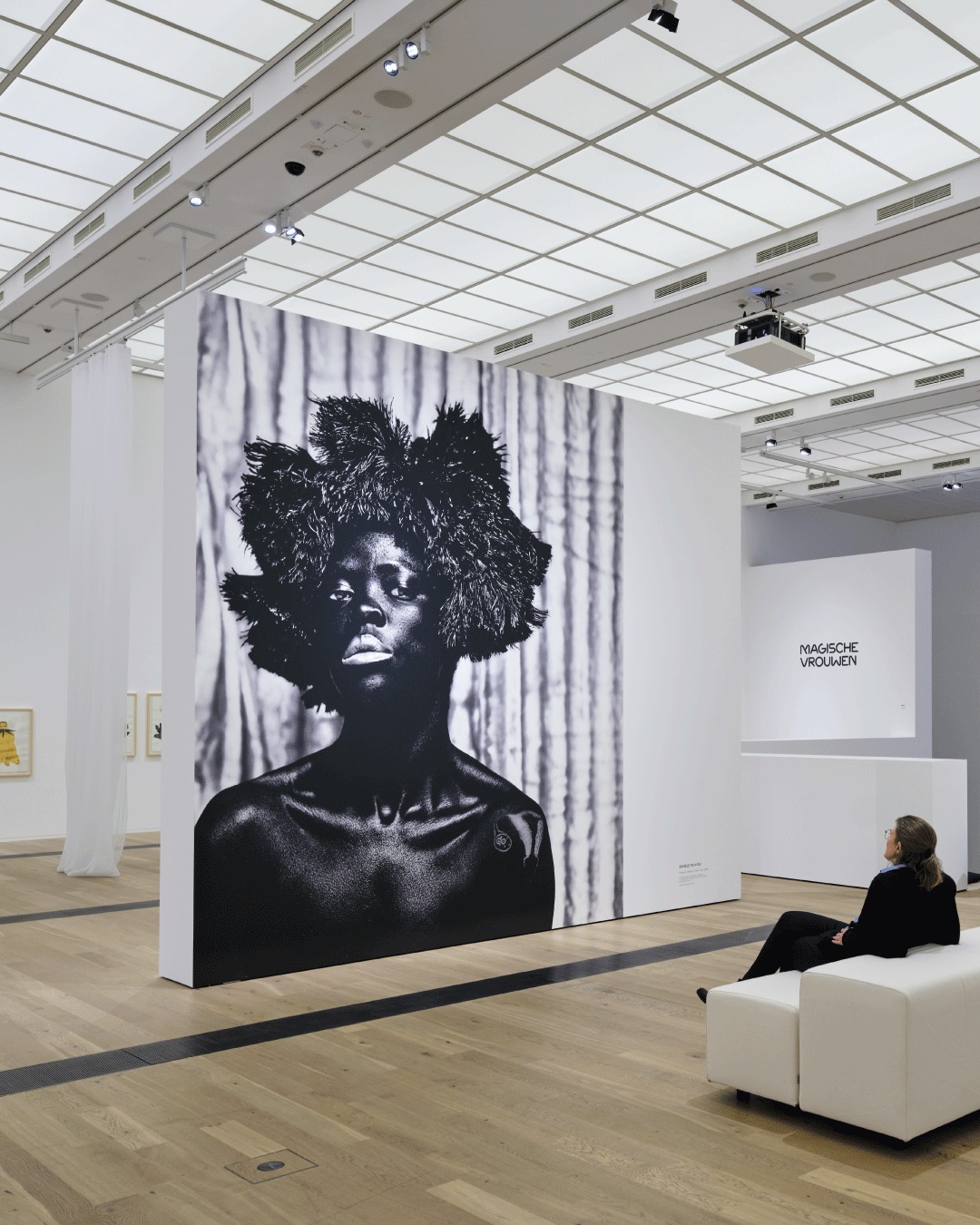
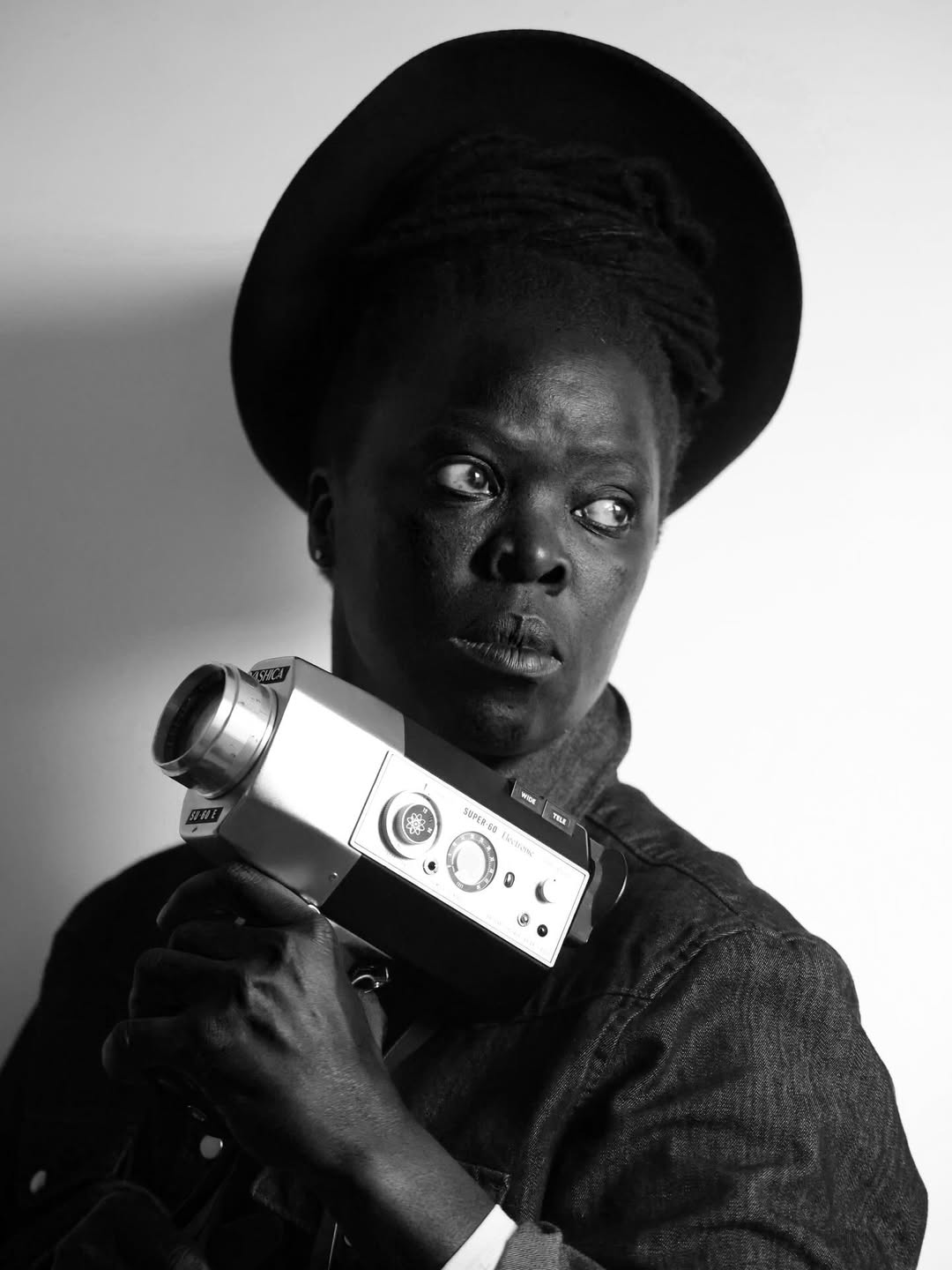
Muholi famously prefers the title “Visual Activist” over “photographer.” For them, the camera is a tool for social change and a weapon against erasure. Their work challenges the idea that photography is merely aesthetic, insisting instead that it is a form of resistance and testimony.
4. Faces and Phases: The 20-Year Archive
Their most iconic ongoing project, Faces and Phases, has documented hundreds of Black lesbians and transgender individuals over two decades. It serves as a permanent, living archive in a country still grappling with high rates of hate crimes. Each portrait is both intimate and political, a reminder that visibility itself can be revolutionary.
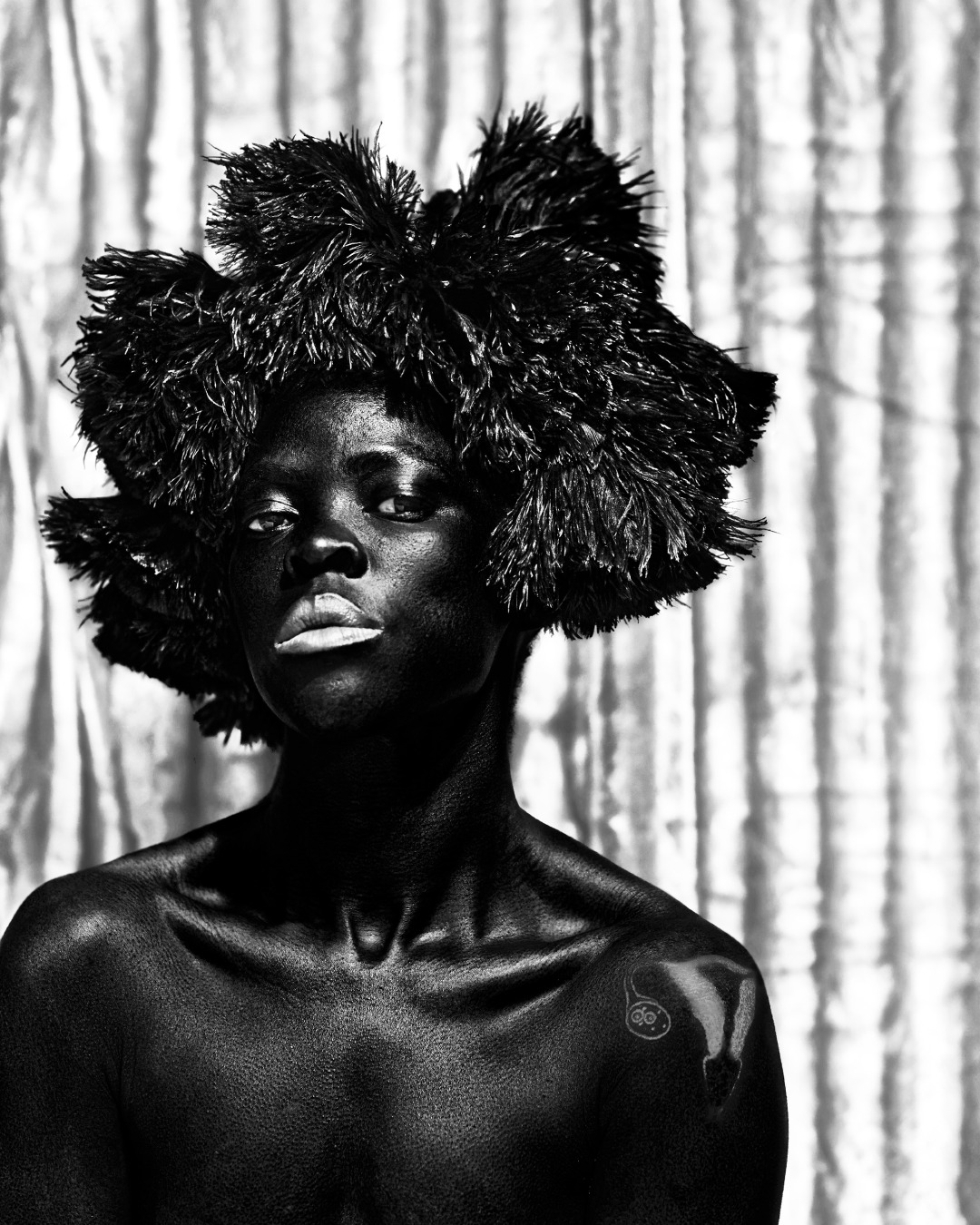
Muholi has explained, “My mission is to ensure that there is a visual history of queer lives, because if we don’t document ourselves, we risk being erased.”
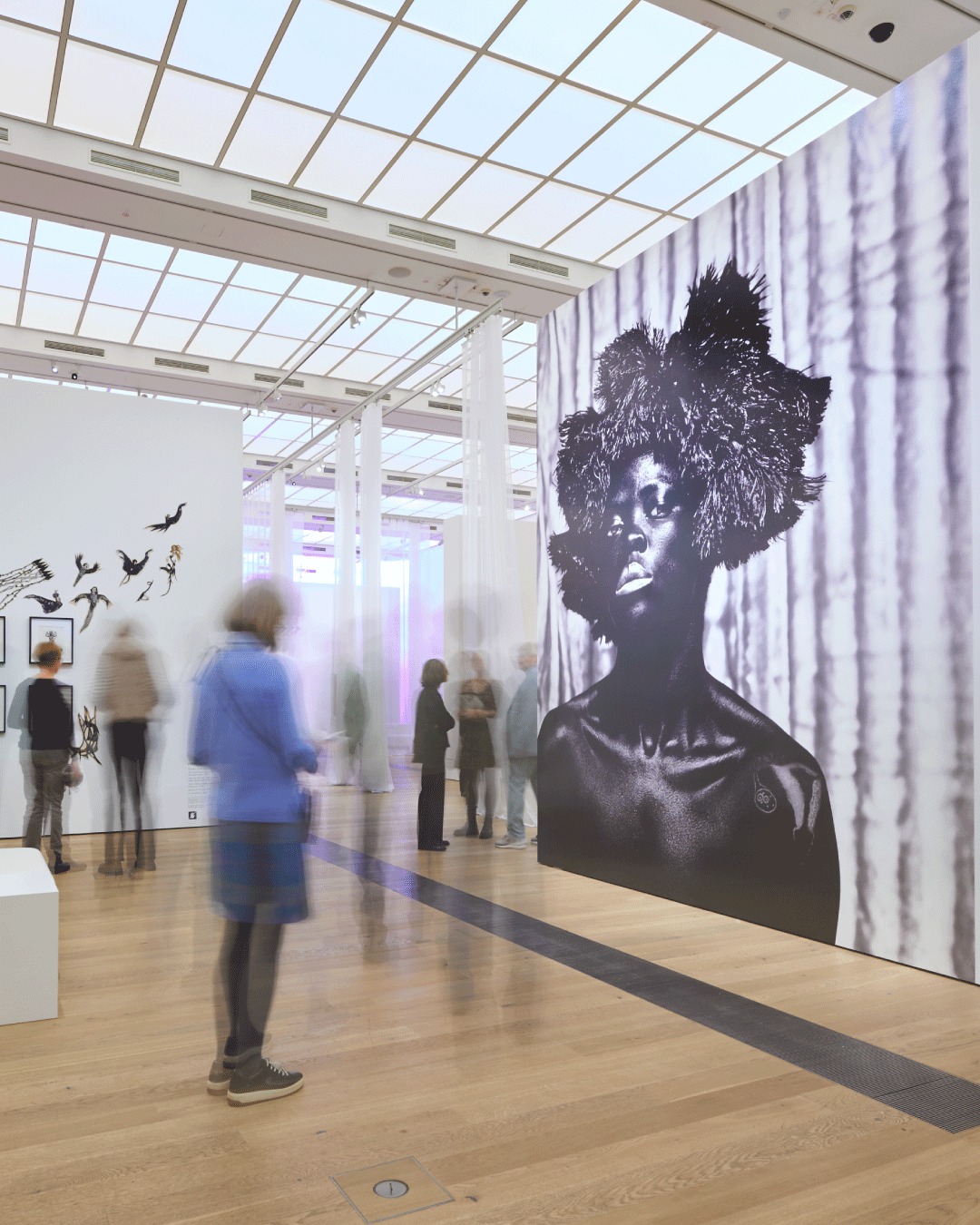
5. Somnyama Ngonyama: Hail the Dark Lioness
In this acclaimed self-portrait series, Muholi uses everyday objects such as scouring pads and latex to comment on the politics of the Black body. The series critiques 19th-century ethnographic photography while reclaiming Black beauty.
As they put it, “Fine artists deal with finery, but I deal with painful material.”
6. From Umlazi to the World Stage
Born in 1972 in the township of Umlazi, Durban, Muholi’s trajectory is a cornerstone of their narrative of resilience. They have moved from a humble township upbringing to the pinnacle of fine art without ever losing sight of their roots. Their journey embodies the possibility of transformation without erasure of origin.
7. Breaking the Glass Ceiling
Muholi is the first Black queer South African to receive this prestigious international honour. Their win has effectively broken a major barrier in the global fine art establishment, opening doors for African creatives who have long been excluded from such recognition.
Reflecting on their journey, Muholi has said, “If I wait for someone else to validate my existence, it will mean that I’m shortchanging myself.”
8. The Power of Mentorship
Beyond their own art, Muholi founded the Muholi Art Institute (MAI) and the non-profit Inkanyiso. These platforms serve as sanctuaries and launchpads for emerging queer artists, ensuring that the door remains open for the next generation. Their mentorship is as vital as their photography, creating a legacy of community care.
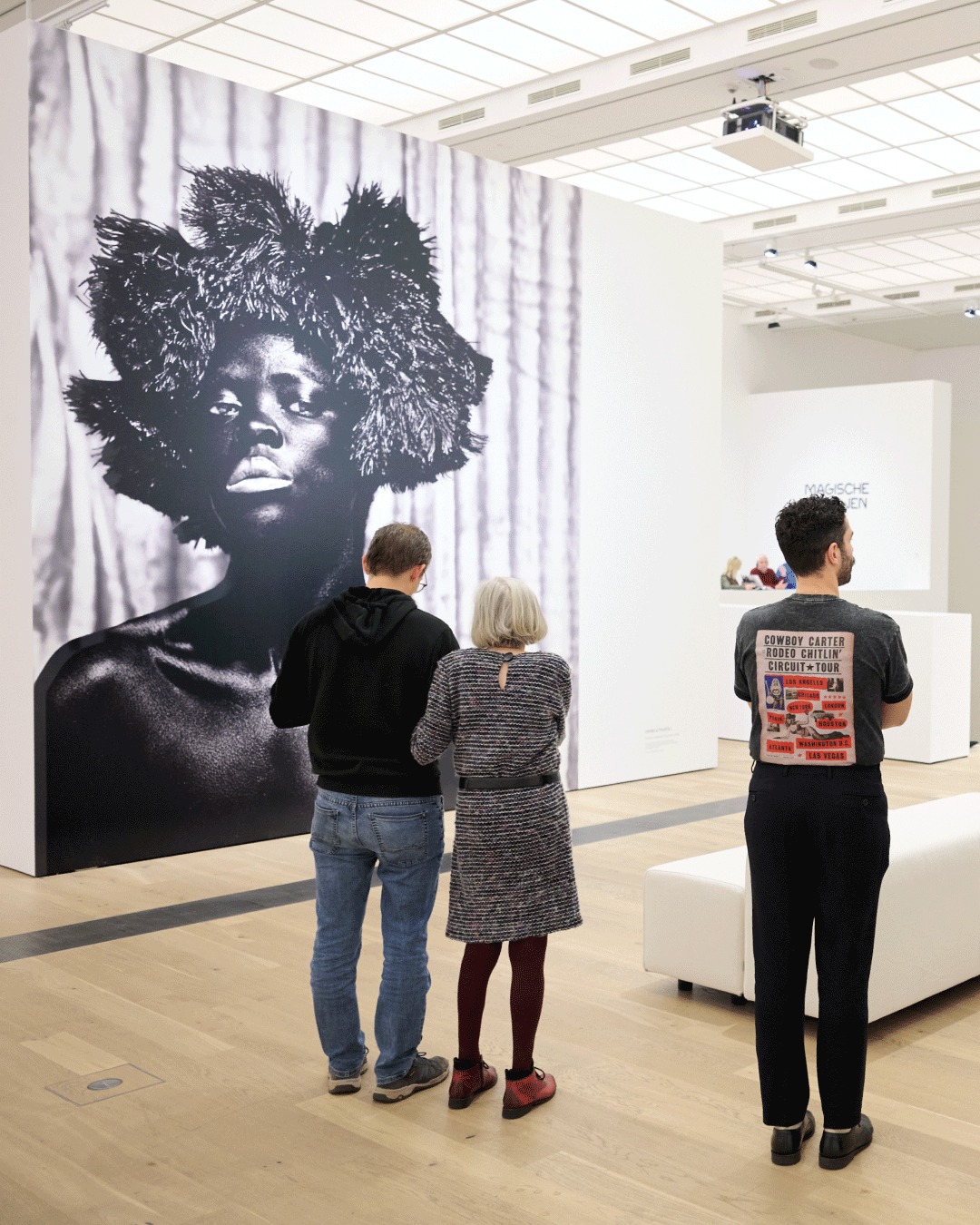
9. A Global Solo Exhibition
As part of the 2026 win, a major global solo exhibition of Muholi’s work will open at the Hasselblad Center in Gothenburg, Sweden, later this year. This exhibition will bring South African stories to the heart of Europe, amplifying voices that have too often been silenced.
10. A Collective Victory
Upon receiving the award, Muholi emphasized that the recognition was not theirs alone, but belonged to the community they have documented for decades, saying,
“This prize belongs to the archives of visibility and resistance we have built together.”
Zanele Muholi’s achievement in 2026 serves as a reminder that visibility is not just a right, it is a revolution. They did not simply win a photography prize; they proved that a South African creative can redefine the global aesthetic while remaining a fierce advocate for their people. Their victory is a beacon, illuminating the path for others who believe that art can change the world.