The announcement of Canal Plus tightening its grip on MultiChoice has unsettled South Africa’s creative community. For many, this is not a routine corporate transaction. It is a turning point. The unease is real, felt in production houses and editing rooms, in conversations between producers who have carried the industry for decades.
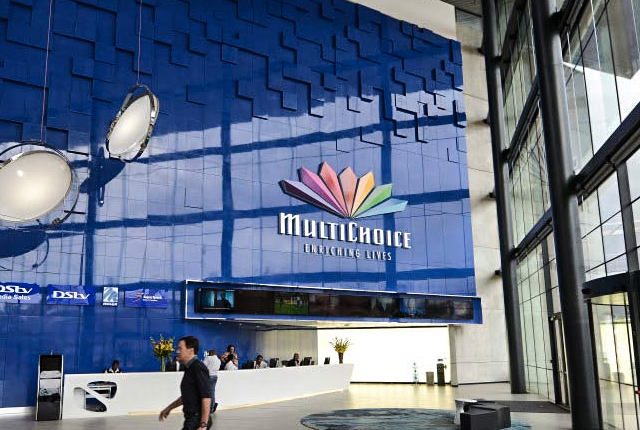
Industry whispers suggest Showmax could be sold off. The same producers who built MultiChoice into a powerhouse now fear being pushed aside. Bhuti Mopai, filmmaker and writer, has contributed to more than 500 episodes across daily shows. That figure represents years of work, livelihoods sustained, and a creative legacy that cannot be measured in balance sheets.
The question is urgent: where do creators go if the ground shifts beneath them? The options are narrow. At eTV, budgets are small, commissions rare, runs short. At the SABC, bureaucracy slows everything down. Committees, politics, endless meetings. By the time an idea is approved, its energy has faded.
YouTube and Netflix exist, and executives on LinkedIn will point to them as solutions. Creators know the reality. MultiChoice became a giant because it invested in stories. It mattered when it bought PSL rights. It mattered when township narratives were given prime time slots. It mattered when Mzansi Magic arrived and accents from Soweto and Umlazi filled living rooms. That was when audiences felt represented. That was when culture was visible.
The impact reached homes across the country. It put food on tables. It moved families from Diepsloot and Klipspruit to the northern suburbs. It gave parents the dignity of paying school fees on time. It allowed children to grow up hearing their languages on television. It created a sense of pride and possibility.
Now, with talk of 24‑hour channels closing, anxiety grows. This is about school fees, bond payments, and the fear of sliding back into instability. It is about whether Naspers was right to sell. It is about whether heritage can be valued beyond quarterly returns. Koos Bekker and his team made billions. That is undeniable. But culture cannot be treated as inventory without consequence.
Executives may dismiss these concerns as emotional. Yet emotion is the foundation of storytelling. Without it, there is no audience, no industry, no resonance.
Another layer of concern lies in the archives. If MultiChoice is sold, what happens to decades of programming? Those archives are memory. They are language. They are eras captured in sound and image. They are the soundtrack of post‑1994 South Africa. Imagine if those archives were reclaimed, monetised properly, and used to sustain jobs in Johannesburg. Imagine if they were treated as heritage, not just assets.
African television requires capital, but it also requires conviction. If the next chapter is written in Paris, it must understand Soweto first. Growth is welcome. Erasure is not. The decisions made in the next two years will shape ownership, access, and the future of African storytelling.
Bhuti Mopai’s reflections remind us that this moment is about survival. It is about whether the industry that gave township accents prime time will continue to empower creators. It is about whether the next generation of filmmakers will inherit platforms or memories.

The ripple effect of the Canal Plus MultiChoice deal is already visible. It is in the unease of producers. It is in the whispered fears about Showmax. It is in the calculations of school fees and bond payments. It is in the recognition that culture cannot be reduced to inventory.
African television stands at a crossroads. One path leads to consolidation, foreign ownership, and the risk of erasure. The other path insists that heritage, language, and memory matter. The choice will shape not only an industry but also a continent’s ability to tell its own stories.