As FNB Art Joburg prepares to return for its 19th edition, FNB is putting renewed focus on a question that sits at the intersection of culture and commerce: what does it mean to treat creativity as an asset?
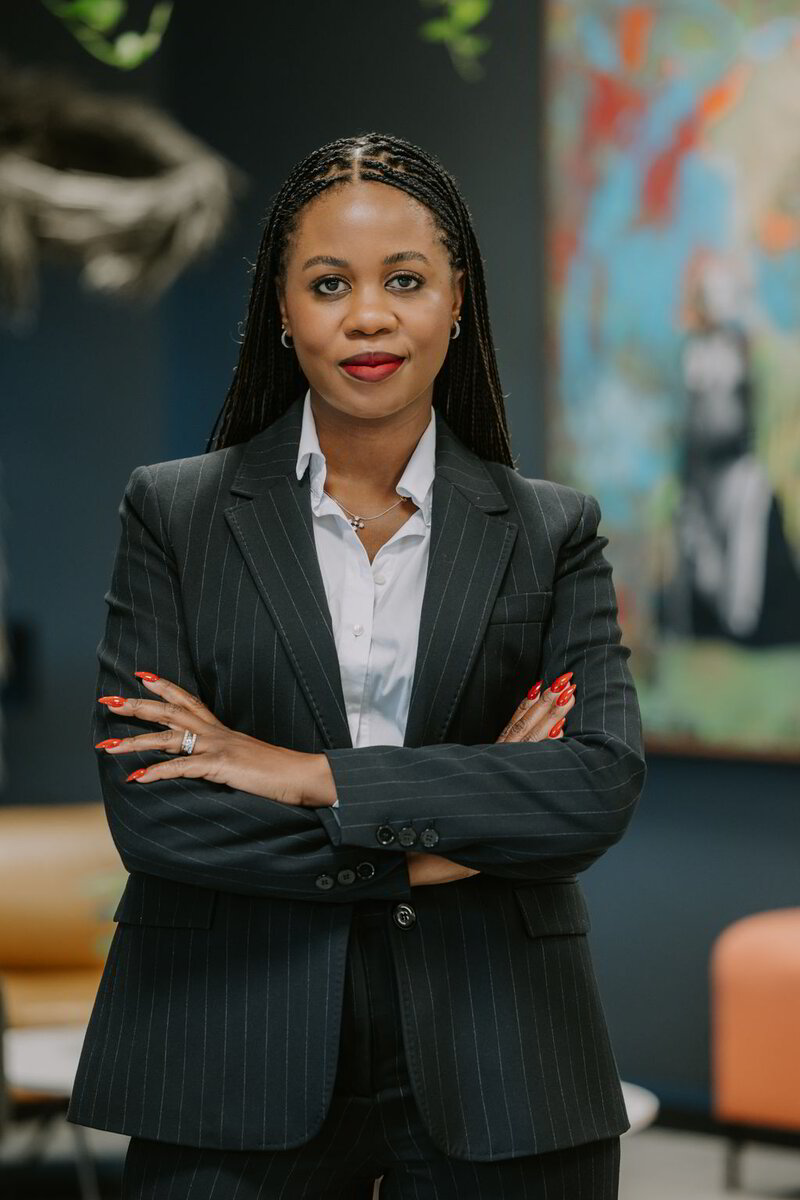
In a recent thought-leadership piece, FNB Chief Marketing Officer Linda Kachingwe-Sisya argues that Africa’s understanding of wealth needs to expand beyond the resources extracted from the continent’s soil to include the ideas, creativity and cultural expression produced by its people.
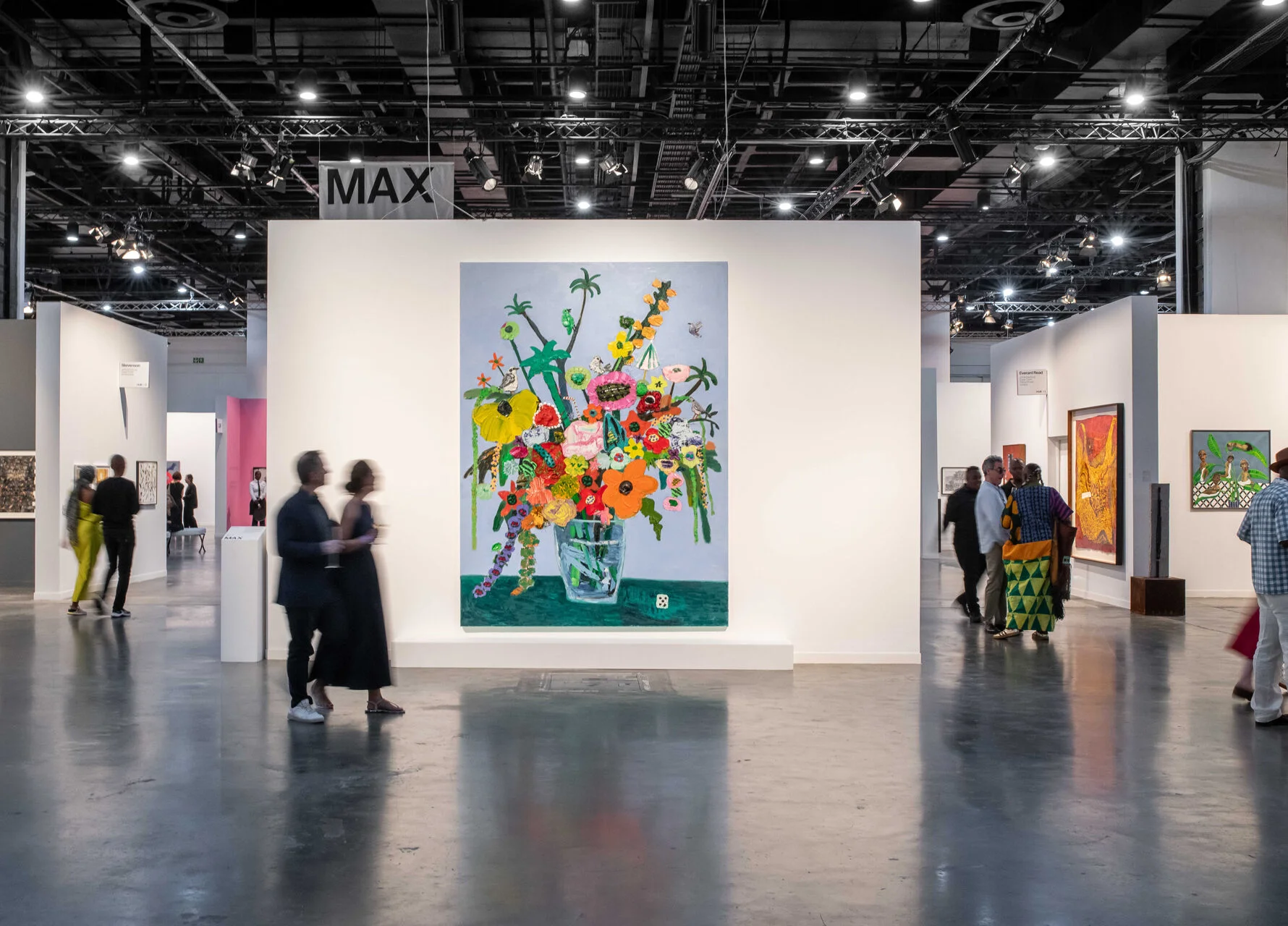
The argument arrives as FNB Art Joburg prepares to bring artists, galleries, collectors, curators and cultural organisations together at the Sandton Convention Centre from 4 to 6 September. The fair describes itself as the leading and longest-running contemporary African art fair on the continent, with its 19th edition focused on sustaining a commercial ecosystem around African and diasporic practitioners.
From Natural Resources to Cultural Capital
Kachingwe-Sisya’s argument starts with a familiar measure of African wealth: gold, diamonds, platinum and oil.
But she suggests that the continent’s creative output should be considered alongside those traditional measures of value.
For the contemporary art sector, that means looking beyond the price attached to an individual artwork and considering the network of people and businesses that make the industry possible. Artists, galleries, curators, collectors, designers, photographers, logistics companies, hospitality businesses and other creative enterprises all form part of the ecosystem surrounding the work.
That ecosystem has economic consequences.
When artists exhibit, galleries operate, collectors buy, institutions programme exhibitions and audiences travel to engage with cultural events, money moves through a much wider network than the artwork itself.
FNB’s own sponsorship platform describes its investment in FNB Art Joburg as part of a broader commitment to growing Africa’s creative economy and creating access to global markets for artists and galleries.
Why the Art Market Matters Beyond the Gallery
The idea of art as capital can easily become a conversation about collecting and financial returns. But Kachingwe-Sisya’s argument extends beyond the commercial value of artworks.
Contemporary art also creates a space for ideas to circulate.
Artists can preserve histories, interrogate identity, challenge dominant narratives and introduce audiences to experiences outside their own. In a continent as culturally and geographically diverse as Africa, those exchanges can become an important part of how communities understand themselves and each other.
That makes the creative economy more complicated than a straightforward financial sector. Its value can be commercial, social and cultural at the same time.
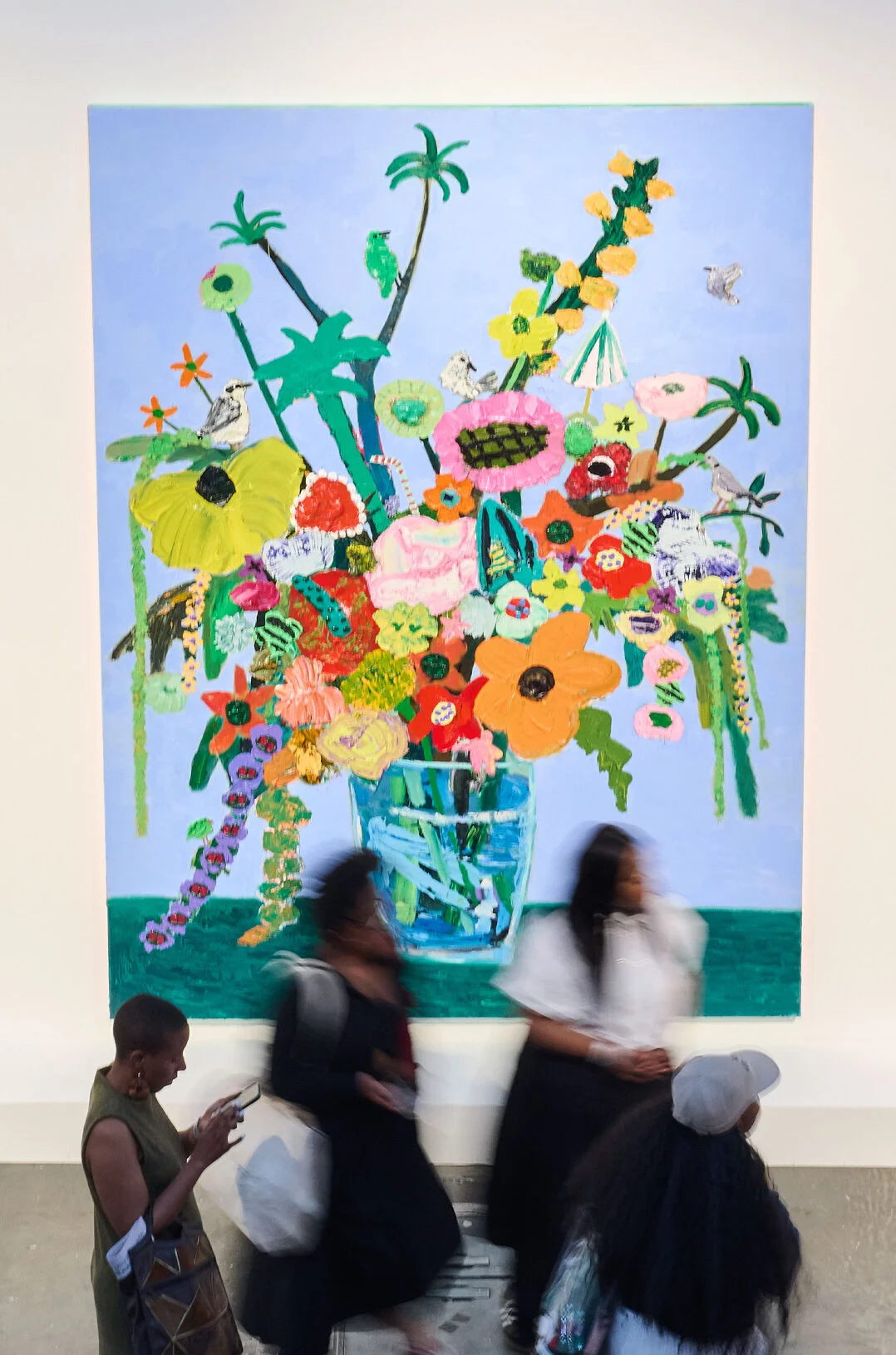
FNB Art Joburg’s own structure reflects that broader ecosystem. Its programme includes sections dedicated to established galleries, emerging practices, photography, large-scale installations, art publications, cultural organisations and public programming.
Building an Ecosystem, Not Just an Annual Fair
For FNB, the argument also reinforces why long-term investment in cultural platforms matters.
The bank has sponsored FNB Art Joburg since 2008, making the partnership almost two decades old. FNB says its involvement is intended to go beyond an annual sponsorship by supporting the wider ecosystem of artists, galleries, cultural entrepreneurs and other practitioners.
That distinction is important because creative industries rarely grow through isolated events.
An artist needs places to exhibit. Galleries need audiences and collectors. Collectors need access and education. Emerging practitioners need pathways into the industry. Cultural institutions need funding, partnerships and audiences.
When those pieces work together, an art fair can become more than a place to look at and buy art. It becomes part of the infrastructure through which a creative economy operates.
Johannesburg as a Cultural Marketplace
FNB Art Joburg’s 2026 edition arrives as Johannesburg’s cultural calendar expands beyond the convention centre.
The fair forms part of a wider programme that includes Open City, which connects exhibitions, performances, music, fashion, design and other cultural activity across Johannesburg. FNB Art Joburg describes the initiative as a way of extending engagement with art beyond the traditional fair model and into the city’s broader cultural landscape.
The 19th edition itself will feature exhibitors from across Africa and eight curated sections, bringing together more than 100 artists and creating multiple entry points into the contemporary African art ecosystem.
That wider network is where the idea of cultural capital becomes particularly relevant. The value generated by contemporary art isn’t confined to what changes hands between a gallery and a collector. It can also show up in the businesses that support exhibitions, the audiences drawn into cultural spaces, the opportunities created for emerging practitioners and the international attention directed towards African creative work.
What Does It Mean to Invest in Creativity?
FNB’s argument ultimately asks the industry to reconsider what counts as investment.
For artists, investment can mean access to platforms, resources, audiences and markets. For galleries and institutions, it can mean the ability to develop programmes and represent artists over the long term. For audiences, it can mean greater access to the ideas and practices shaping contemporary African culture.
And for the broader economy, it means recognising that creative industries are not peripheral to economic development.
As FNB Art Joburg returns to Johannesburg this September, the conversation around contemporary African art is therefore not only about what is hanging on the walls.
It is also about the systems being built around that work, who gets the opportunity to participate in them, and whether Africa is prepared to place as much value on what its people create as it has historically placed on what can be extracted.
FNB Art Joburg’s 19th edition takes place from 4 to 6 September 2026 at the Sandton Convention Centre.