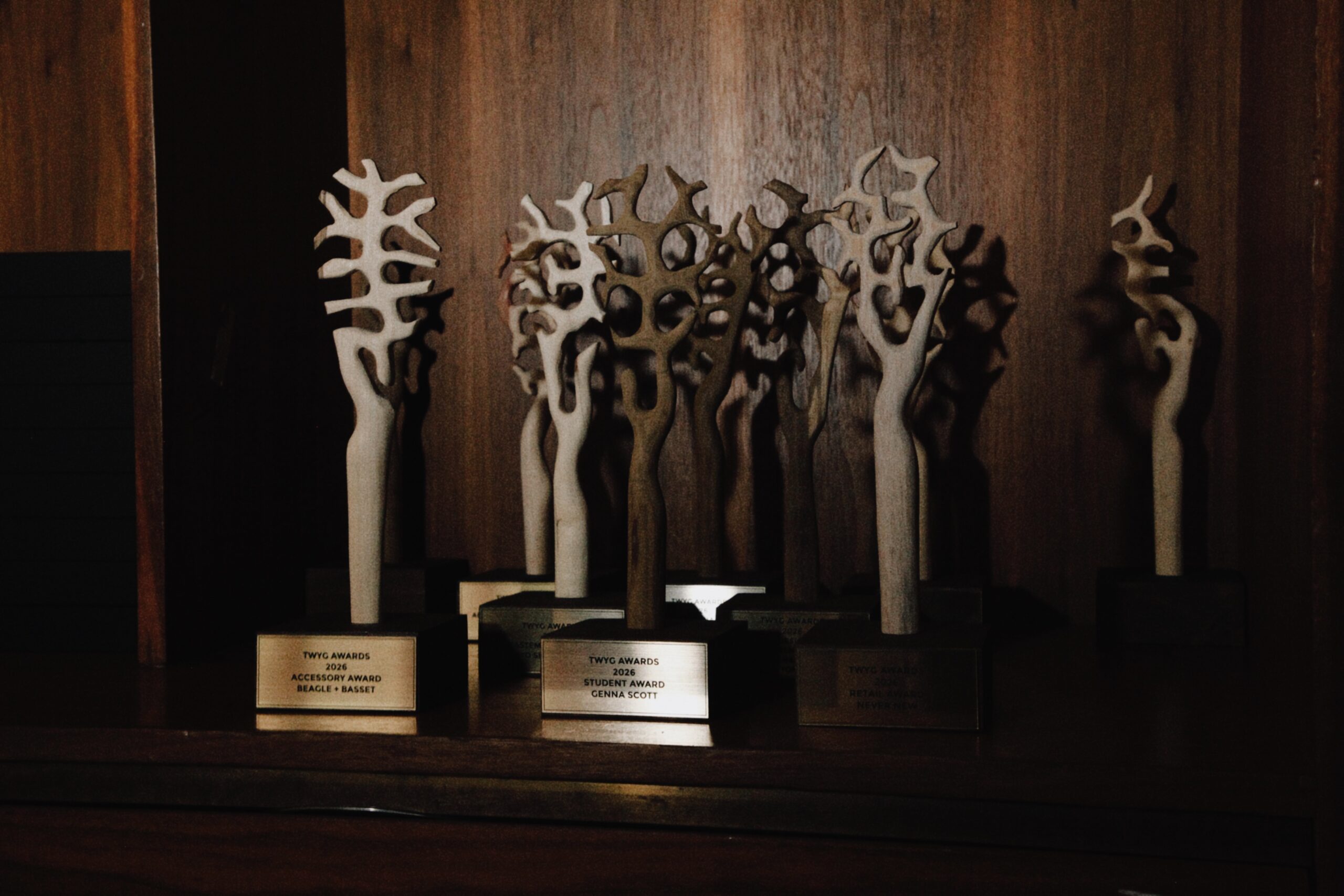
Sustainability in fashion is often discussed through broad ideas about ethical production, responsible consumption and environmental impact. Putting those principles into practice, however, requires changes across the entire life of a garment: how materials are sourced, how clothing is made, how businesses operate and what happens to pieces once consumers are finished wearing them.
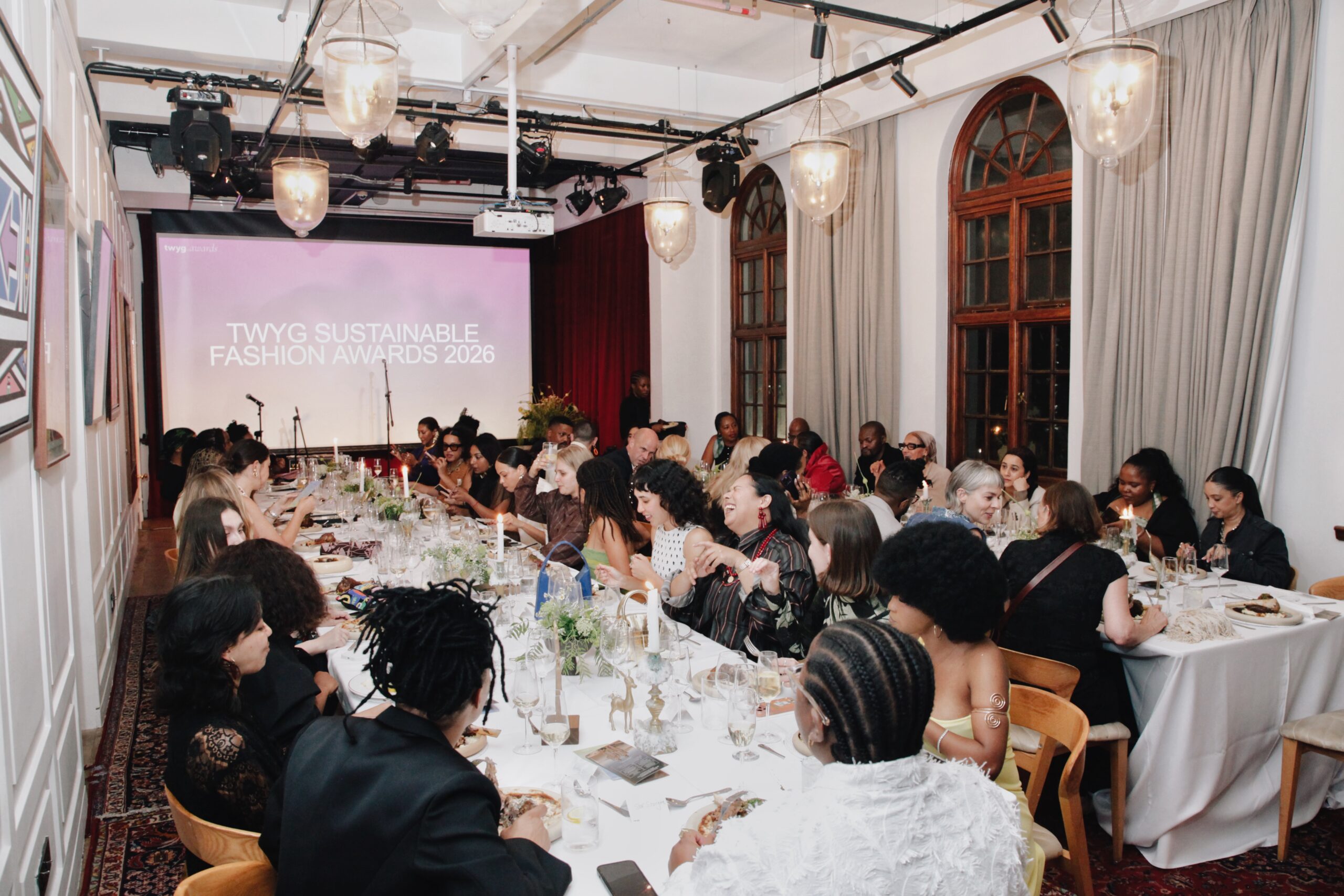
The 2026 Twyg Sustainable Fashion Awards offer a snapshot of how designers, retailers and creative practitioners are approaching these challenges in South Africa and across the continent. Announced at an awards gathering at Gorgeous George in Cape Town on 19 November, this year’s winners represent a range of approaches, from modular clothing and experimental textiles to resale, repairs and consumer education.
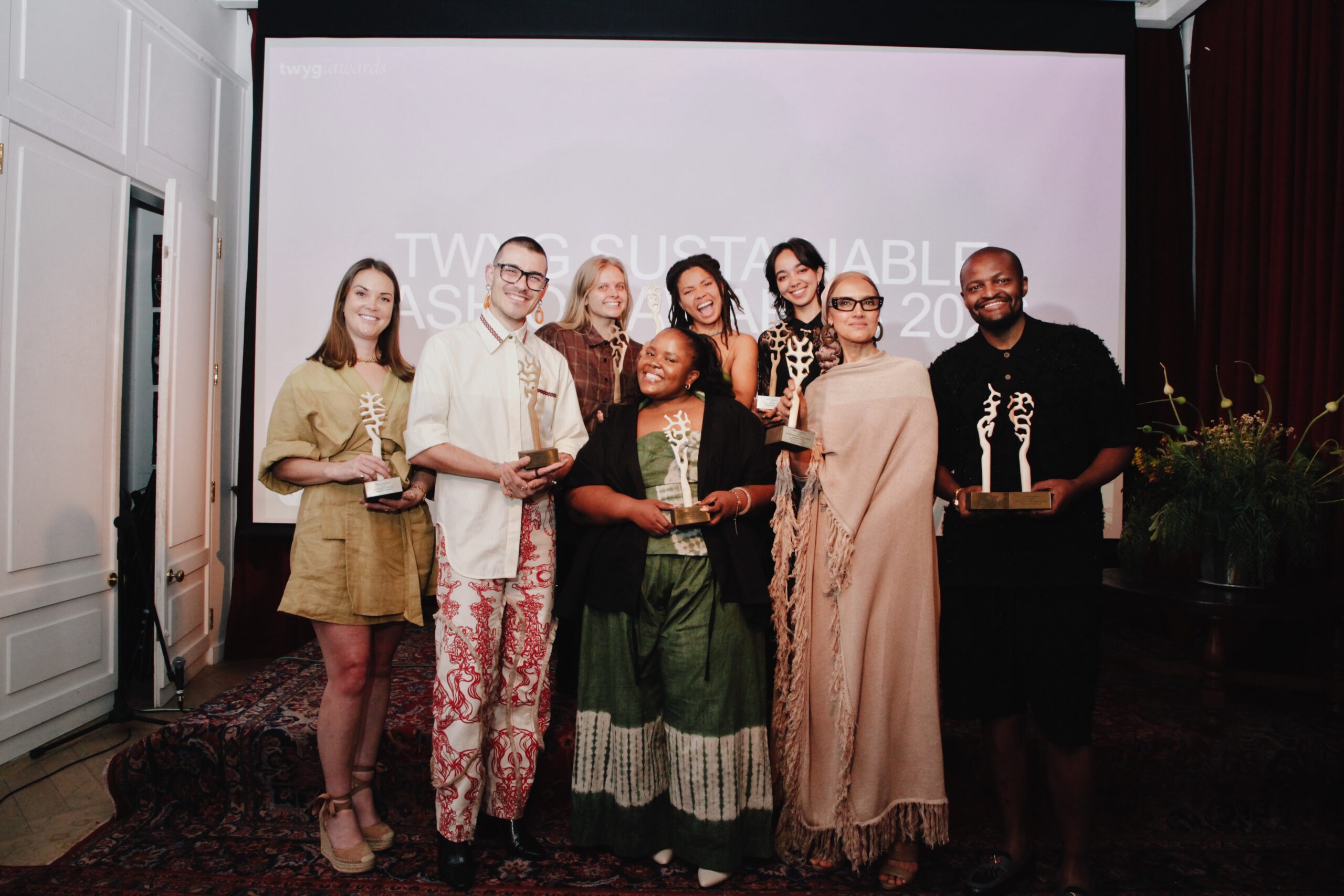
Founded in 2019, the awards recognise work that brings together design, environmental responsibility, ethical practices and the skills that sustain local fashion economies. The 2026 recipients demonstrate how these ideas can take shape through different creative and business models.
Rethinking how clothes are made
One of the clearest themes across this year’s winners is the relationship between design and production. Several brands are exploring ways to make clothing more adaptable, reduce material waste and retain manufacturing skills locally.
Johannesburg-based designer Jana-Marié de Jager received the Emerging Designer Award for Yona, a clothing label built around modular, gender-free design. Its garments incorporate detachable sleeves, adjustable silhouettes and interchangeable components, allowing individual pieces to be worn in different ways.
Yona also works with local tailors and produces in small quantities, developing existing designs in response to demand and available fabrics. The approach considers longevity at the design stage, giving garments multiple uses across occasions and seasons. The award, presented by H&M South Africa, includes a R100,000 cash prize.
Maxhosa Africa, founded by Laduma Ngxokolo, received both the Artisanal Fashion Award and the Changemaker Award. The brand is recognised for translating Xhosa beadwork aesthetics and African cultural references into contemporary knitwear, while maintaining manufacturing facilities in Johannesburg and East London.

Its production process also includes a team that unravels damaged or rejected knitwear to recover yarn for new garments and samples. This creates a way to reuse materials within the brand’s own manufacturing system while retaining the skills and knowledge involved in textile production.
The Changemaker Award, presented by The Fix, comes with a R100,000 cash prize. In his acceptance speech, Ngxokolo reflected on the challenge of balancing people, planet and profit, saying that for Maxhosa Africa, “It’s people first.”
Finding new uses for overlooked materials
Material innovation was another recurring theme among the winners. For some designers, this involves working with resources that might otherwise be discarded or overlooked, while exploring how traditional techniques can inform contemporary design.
Nuun Concept Space, a mother-and-son design practice, received the Fashion Innovation Award for its work with recovered wool from different stages of processing at Gerber & Co. By adapting hand-felting techniques to combine fibres with different characteristics, the studio creates textiles that become garments, sculptural pieces and functional objects.
Its work also relies on a network of South African makers and suppliers, connecting material experimentation with local production.
Cape Town studio Beagle and Basset, winner of the Accessory Award, takes a different approach through individually painted silk scarves. Its botanical dyeing process uses extracts from invasive black wattle, while made-to-order production and carefully specified silk widths help limit excess stock and material waste.
At student level, Genna Scott’s Authorless collection was recognised in the Student Award category. The Design Academy of Fashion student’s work incorporates deadstock mohair yarn, fabric offcuts and rusted metal to create textile markings. Knitting, felting, weaving and dyeing inform a collection that explores how discarded materials can become part of a garment’s design and construction.
These projects demonstrate how material choices can influence both the appearance and production of fashion. They also show the range of techniques designers are using to work with existing resources.
Keeping clothing in use for longer
Sustainability also involves what happens after clothing reaches consumers. Repair, resale, alterations and clothing exchanges offer ways to extend the useful life of garments, while creating alternative business models within the fashion retail sector.
Barley’s Bloset, founded by Carley Adonis in Observatory, Cape Town, received the Retail Award for combining curated second-hand clothing with opportunities to repair, remake and exchange garments.
Its Slow Sew Studio has taught approximately 54 students, while clothing swaps and upcycling workshops encourage people to reconsider how they use and value their wardrobes. The business also operates a rent-a-rail programme that gives independent South African brands access to physical retail space, alongside residencies for emerging artists.
Michael Ludwig Studio, based in Cape Town, received the Trans-seasonal Award for its approach to adaptable clothing and long-term garment care. Designer Michael Ludwig Hittinger combines made-to-measure production and small ready-to-wear runs with complimentary alterations and repairs for life.
The studio’s designs include versatile pieces such as an adjustable jumpsuit and a coat that can be layered or belted in different ways. These approaches consider how garments can remain useful over time, reducing the pressure to replace clothing as trends and seasons change.
Both winners demonstrate how fashion businesses can build services and customer relationships around keeping clothes in use, rather than focusing exclusively on selling new products.
Changing how consumers engage with fashion
Design and production are only part of the sustainability conversation. Consumers also influence the industry through what they buy, how they care for clothing and the value they place on local designers and businesses.
Vuyo Sisanda Mjoli received the Tastemaker Award for Retail by Vuyo, a platform that shares fashion and retail knowledge through TikTok, Instagram and Substack. Its content covers topics such as fabric composition, garment quality, cost per wear and clothing care, helping audiences make more informed decisions about their purchases.
The platform also highlights South African and African designers, connecting conversations about personal style with local businesses, manufacturing and employment.
This work points to the role of fashion communication in shaping consumer habits. Information about fibres, construction and garment care can influence how people assess quality and how long they keep the clothes they own.
Looking further than South Africa
The 2026 awards also included a Pan-African category, recognising work taking place elsewhere on the continent.
Kenyan designer Jamie Kimani’s brand Sevaria received the award for its exploration of contemporary African identity through cultural memory, unconventional tailoring and material experimentation. The Nairobi-based label works with local weavers and Maasai beadworkers, incorporating regional materials such as Ugandan cotton alongside handcraft and recovered materials.
Its small production runs and direct relationships with makers are part of an approach that seeks to retain skills and economic value within the region.
Across the different categories, this year’s winners reflect the variety of practices being explored within African fashion. Their work ranges from artisanal production and textile experimentation to retail initiatives, design education and consumer awareness.
For Twyg founder and editor Jackie May, the diversity of approaches was a reason for optimism. She said the entries demonstrated commitment to design, transparency, sustainability and social impact, while reflecting the growth of an ecosystem working towards meaningful change in the fashion industry.
The awards also recognise that these approaches operate within a wider business environment, where designers must consider production costs, access to materials, skilled labour and commercial viability.
There is no single model represented by this year’s winners. Instead, their work offers different examples of how fashion businesses and creative practitioners can reconsider the way clothing is designed, produced, sold and used.
The 2026 Twyg Sustainable Fashion Awards provide a view of that work, recognising the people experimenting with ways to build a more responsible fashion industry while keeping creativity, craftsmanship and local knowledge at its centre.