“Y’all don’t want to hear me, you just want to dance.” So why aren’t we dancing?
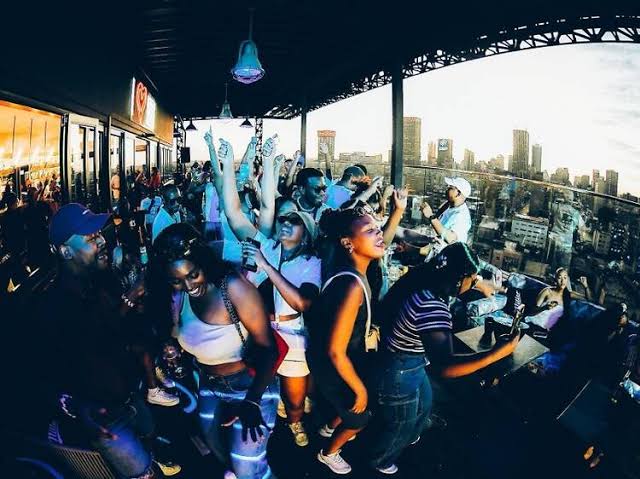
Andre 3000 may have had a point. There’s something worth examining about the way we show up to music events, and what we actually do once we get there. There is a particular scene that has become familiar at music events. The DJ is playing, the speakers are doing their job, the crowd is gathered in front of the stage, and yet very few people are dancing. Some are holding conversations, others are recording videos, taking pictures or catching up with friends. A few might be moving their heads to the beat, but the dance floor, if there is one, remains relatively quiet.
It is an interesting contrast, especially at events where music is presented as the main attraction. People have bought tickets, made plans, put together outfits and travelled to be there. Yet, depending on the event, the actual engagement with the music can sometimes feel secondary to everything happening around it.
This raises a question about the way we experience nightlife in Johannesburg: are we going out to experience the music, or have we become equally interested in being seen at the places where it happens?
The event is also a social experience
Johannesburg’s event calendar offers plenty of reasons to leave the house. This past weekend, Drama Summer Fest brought a day-to-night festival programme to 1 Fox Precinct, with performances from Nasty C, Kelvin Momo, Shakes & Les, and others. At Artistry, Someone’s Gotta Do It brought musicians and industry professionals together for a masterclass on releasing, distributing, and finding music on streaming services. These were two very different ways of gathering around music and creative culture.
The difference in those gatherings is important, because attending an event does not necessarily mean attending for the same reason as everyone else. While some may be going to see a specific artist, others may be interested in meeting people within the industry, and some may just be looking to spend time with friends. Music can be the main attraction and still share the room with several other social motivations.
Social media and partying
There is also the increasingly visible relationship between nightlife and social media. Events are photographed, filmed and documented in real time. People are creating content for their own platforms, appearing in friends’ videos and becoming part of someone else’s photo dump. Being present at an event can become an experience in itself, with the photographs and videos serving as proof that you were there.
It is therefore worth considering whether this impacts the way people are willing to socialise in public. Dancing can be expressive, spontaneous and occasionally embarrassing. It means allowing yourself to be seen without necessarily controlling how you look. In a room where phones are constantly pointed towards the crowd, some people might become more conscious of their movements and how they appear to others.
That does not mean everyone attending events is preoccupied with looking good on camera. Nor does it mean that people who prefer to socialise are somehow enjoying the event incorrectly. But it does make the relationship between being watched and participating worth examining.
Some spaces make dancing feel easier
Of course, there are certain places in Johannesburg where dancing remains a key part of the event. Club AM in Newtown, or dance focused events like Soundset, are examples of this. In these spaces, the relationship between the music and the audience can feel different. Dancing is expected, encouraged and understood as part of what people have gathered to do.
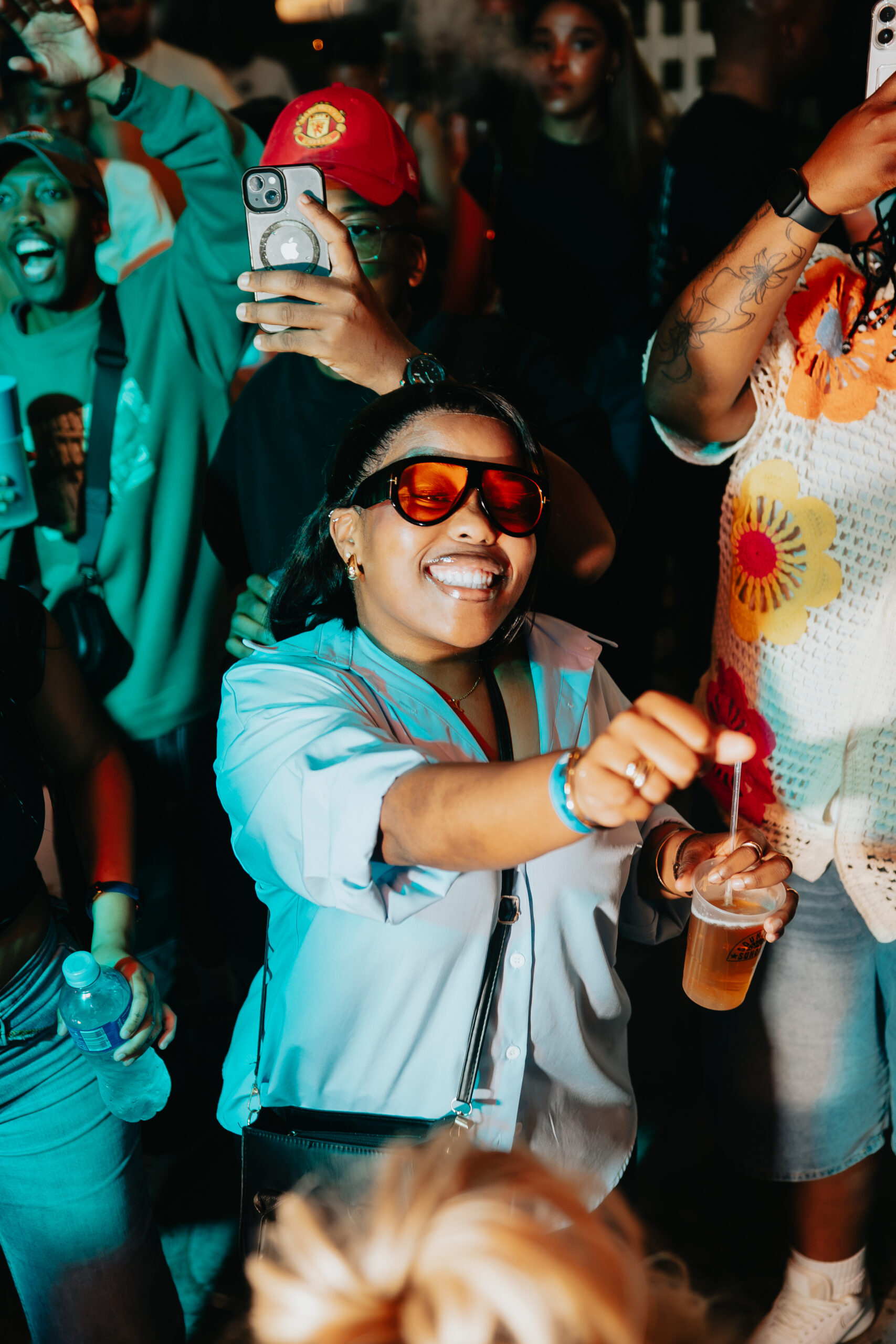
Even then, the experience is not always straightforward. In certain spaces, the crowd might be visibly engaged with the music, moving along to the DJ, but much of that participation can take the form of standing, nodding along, talking and socialising rather than dancing freely.
Perhaps the difference lies partly in how a venue is arranged. Some stages and DJ setups position the crowd facing the performer, creating a visual relationship in which the audience watches the person behind the decks. It can make a room feel more like a performance space, with the DJ at the centre and everyone else looking on.
A dance floor creates a different relationship. It gives people room to move, interact with one another and respond to the music without necessarily treating the DJ as the sole focus. The layout, the size of the crowd, the lighting and the general atmosphere might all influence how people behave.
There is also the question of familiarity. A space that regularly attracts the same music community may offer a different sense of comfort from a large, unfamiliar event. When people know the music, recognise the DJs and understand the culture of the room, perhaps they feel more inclined to participate.
What happens when the music changes?
The music played itself is also worth considering. At a recent DJ Clen and A-Reece event, which I attended, hip-hop was part of the experience, but the music eventually shifted to amapiano. The change was understandable in the context of a club environment, where keeping people engaged and the dance floor active is part of the business. Still, it made me think about how audiences experience events that are built around a particular artist or sound.
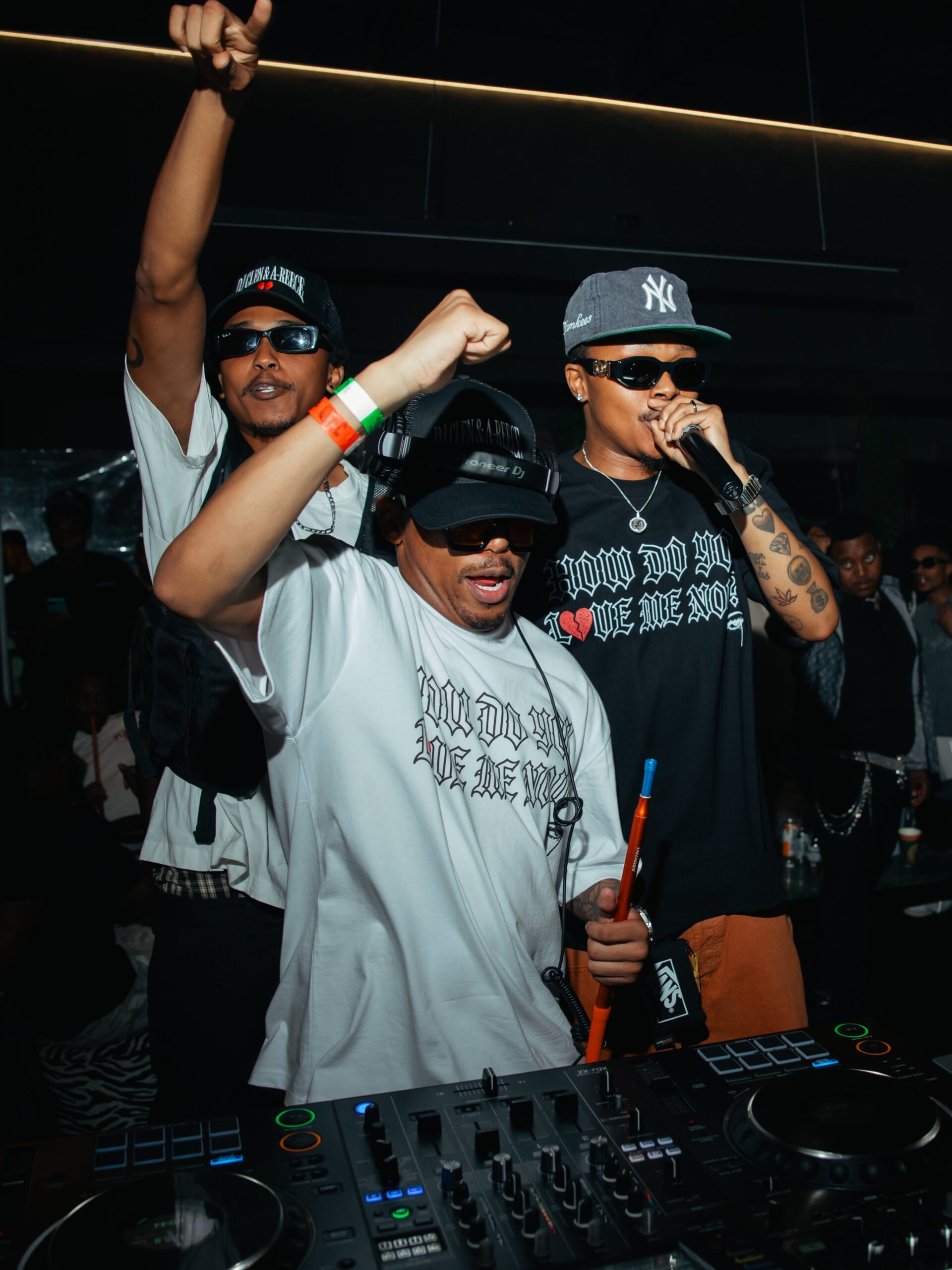
If people attend an event to see a hip hop artist/DJ, it may be a different experience to an entire evening centred around hip hop music. The former might offer a dedicated moment for a particular sound, while the latter creates an environment in which the music can shape the entire night.
That might also explain why certain events feel more dance-oriented than others. When a particular sound, audience and venue come together consistently, they can develop their own expectations about how the room should feel. People know what to expect from the event.
But not every event needs to become a dance floor. Someone’s Gotta Do It was focused on learning, while Drama Summer Fest created a broader festival atmosphere. A listening session may encourage people to interact with the music differently. The intended purpose of the event should influence how people interact with it.
So, what does it mean to have a good night out?
Perhaps the more interesting question is whether we have become too narrow in how we define a successful event. A packed venue, a busy bar, a popular DJ and a full social media feed can all suggest that an event has done well. But do those things tell us whether the audience connected with the music?
From the perspective of a DJ/performer, playing to a crowd that is standing and watching might be an entirely different experience from playing to people who are dancing. From the perspective of the event organisers, creating an atmosphere where people feel comfortable enough to participate might require more thought about the layout, programming and identity of the event.
From the perspective of the audience, perhaps it is worth considering what we actually want from a night out. Do we want to meet people, be seen, discover new music, or simply dance until we forget to check our phones?
There is room for all those experiences. Johannesburg has venues and events that accommodate different ways of enjoying music, and it would be unfair to suggest that audiences have collectively abandoned the dance floor. In some places people are still dancing to music, and in others people may be engaging with the event in completely different ways.
Still, if music is the reason for the event, it is worth considering why people may be more comfortable watching the event than interacting with it?