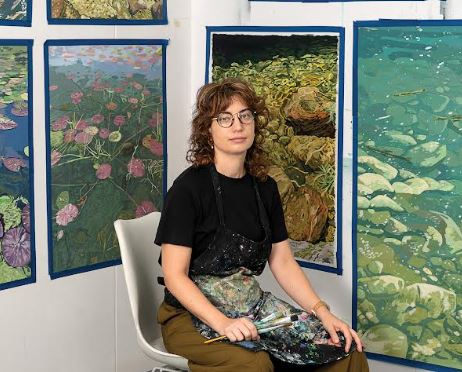
Adele Van Heerden’s work has long been a meditation on water, its shifting surfaces, its hidden depths, and its ability to mirror identity in flux. With Alluvial, her latest solo exhibition at 131A Gallery in Cape Town, she turns her attention inland, tracing the fertile currents of rivers and the sediment that carries both life and memory.
Inspired by encounters with the endangered Clanwilliam Yellowfish in the Olifants River, Van Heerden’s new body of work explores the delicate balance between natural ecosystems and human intervention, while expanding her palette into earthier tones that echo soil, minerals, and buried gold.
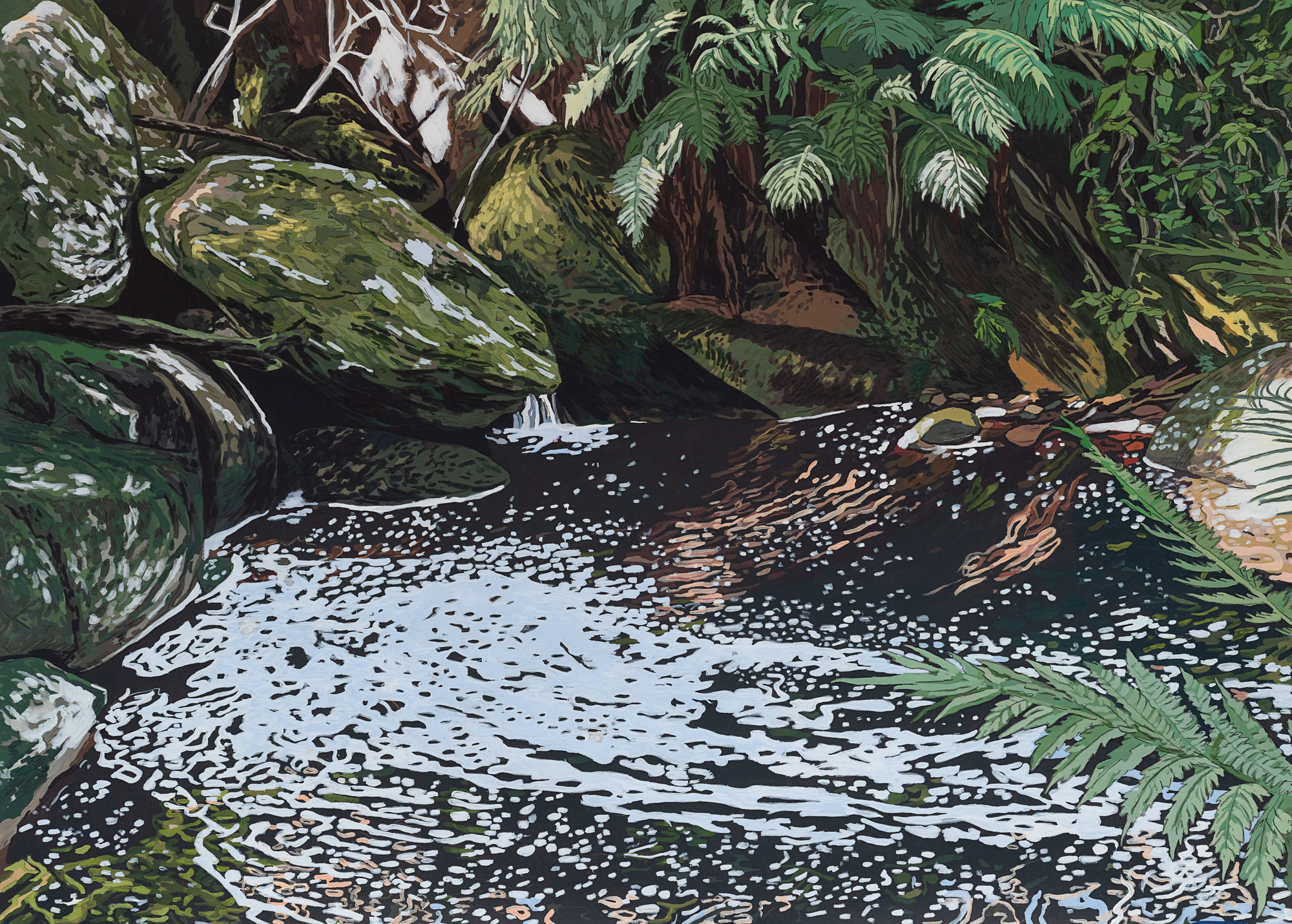
Known for her evocative explorations of swimming pools, coastlines, and oceans, Van Heerden now embraces rivers as living teachers, spaces of aliveness, power, and transformation. In this interview with SA Creatives, she reflects on the symbolism of alluvium, the fluidity of identity, and the non-human presences that increasingly populate her practice.
Q1. Your exhibition is titled Alluvial. What does this name signify for you?
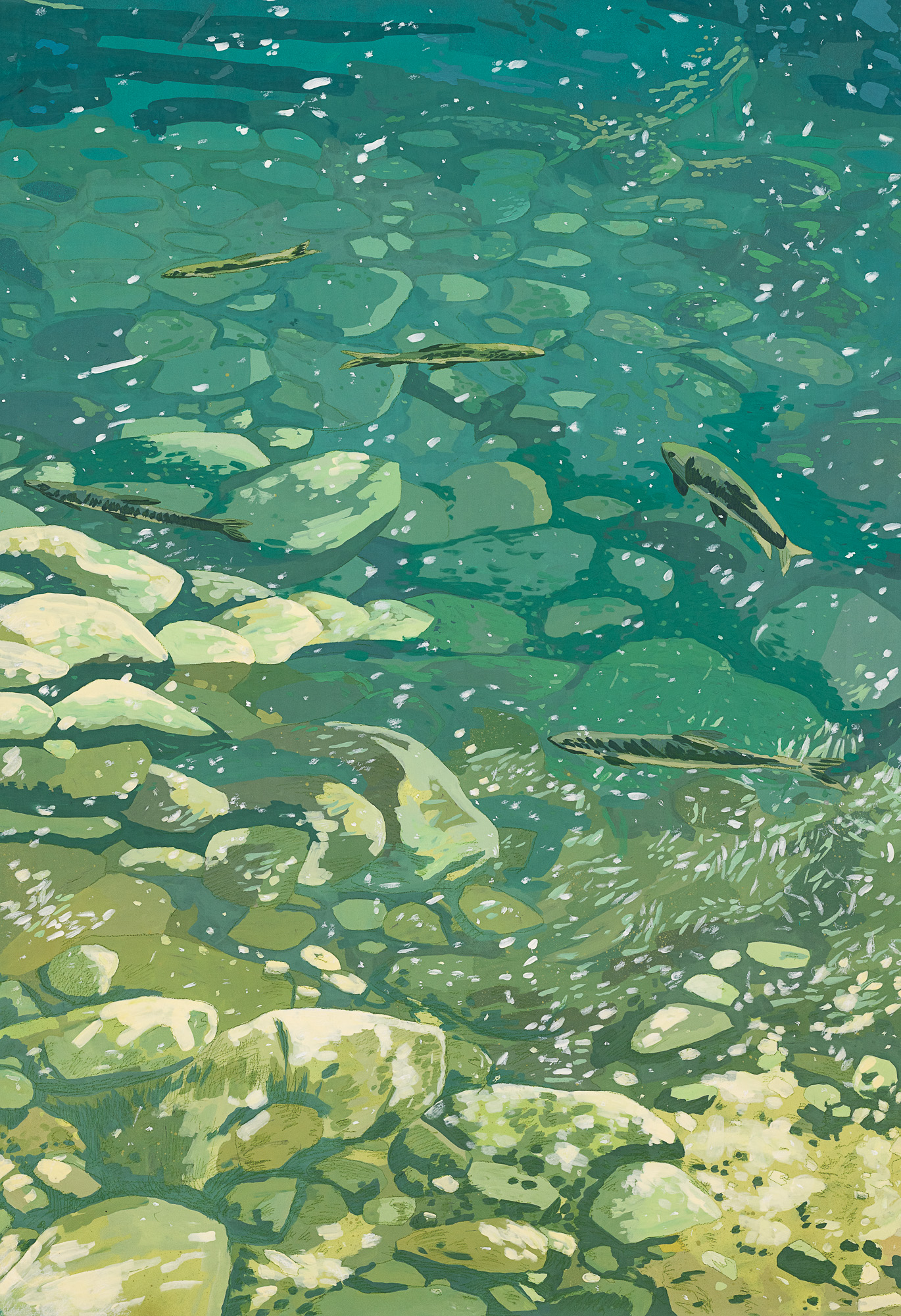
Adele Van Heerden: Alluvial was inspired by a visit to the Olifants River in the Cederberg, where I encountered golden fish in the stream, later identified as the Clanwilliam Yellowfish, a species endemic to that river system and now near-threatened due to introduced bass, damming, canalisation, and pollution.
Learning about the fish led me to research river systems and the concept of alluvium: sediment deposited in riverbeds, estuaries, and other bodies of water. Alluvial soil is often fertile and associated with gold concealed beneath layers of mud and debris. For me, Alluvial speaks to that hidden gold – what lies buried beneath the surface.
Q2. Water and swimming recur strongly in your work. How does this connect to your personal journey?
Adele Van Heerden: I see water as a kind of teacher and I try to embody those teachings. I see myself without a fixed identity, always in flux. Realizing that I am queer, that my identity is fluid, expanded both my sense of self and my practice. My work is a conversation with myself, exploring what lies beneath the surface yet often goes unseen.
Q3. You’ve expanded your palette in Alluvial. What prompted this shift?
Adele Van Heerden: I’ve moved towards earthier tones, reflecting the soils and minerals found in rivers. After a prolonged time painting chlorinated swimming pools and oceans, it felt necessary to explore new colours. I think it’s always important to keep challenging yourself, and to follow your enthusiasm.
Q4. The Clanwilliam Yellowfish features prominently. Why this subject?
Adele Van Heerden: The Yellowfish’s resilience mirrors my own healing journey. Its habitat in the Olifants-Doring waters was restored, and years later, thriving schools of fish returned. Witnessing this recovery while hiking again has been deeply symbolic for me.
Q5. Your earlier work often engaged with coastlines. Why the move towards rivers?
Adele Van Heerden: My practice is always affected by my environment, where I go and what I see. During the middle of last year I started spending more time in the mountains again: walking, hiking, being around streams and rivers. I have been enjoying hiking again, and I’ve been lucky to be in some amazing wild inland places.
I started thinking about what rivers mean, their aliveness and their power. I started reading a lot about rivers, most influencial to my thinking was Robert Macfarlane: Is A River Alive? and a collection of short stories called: By The River: Essays From The Water’s Edge
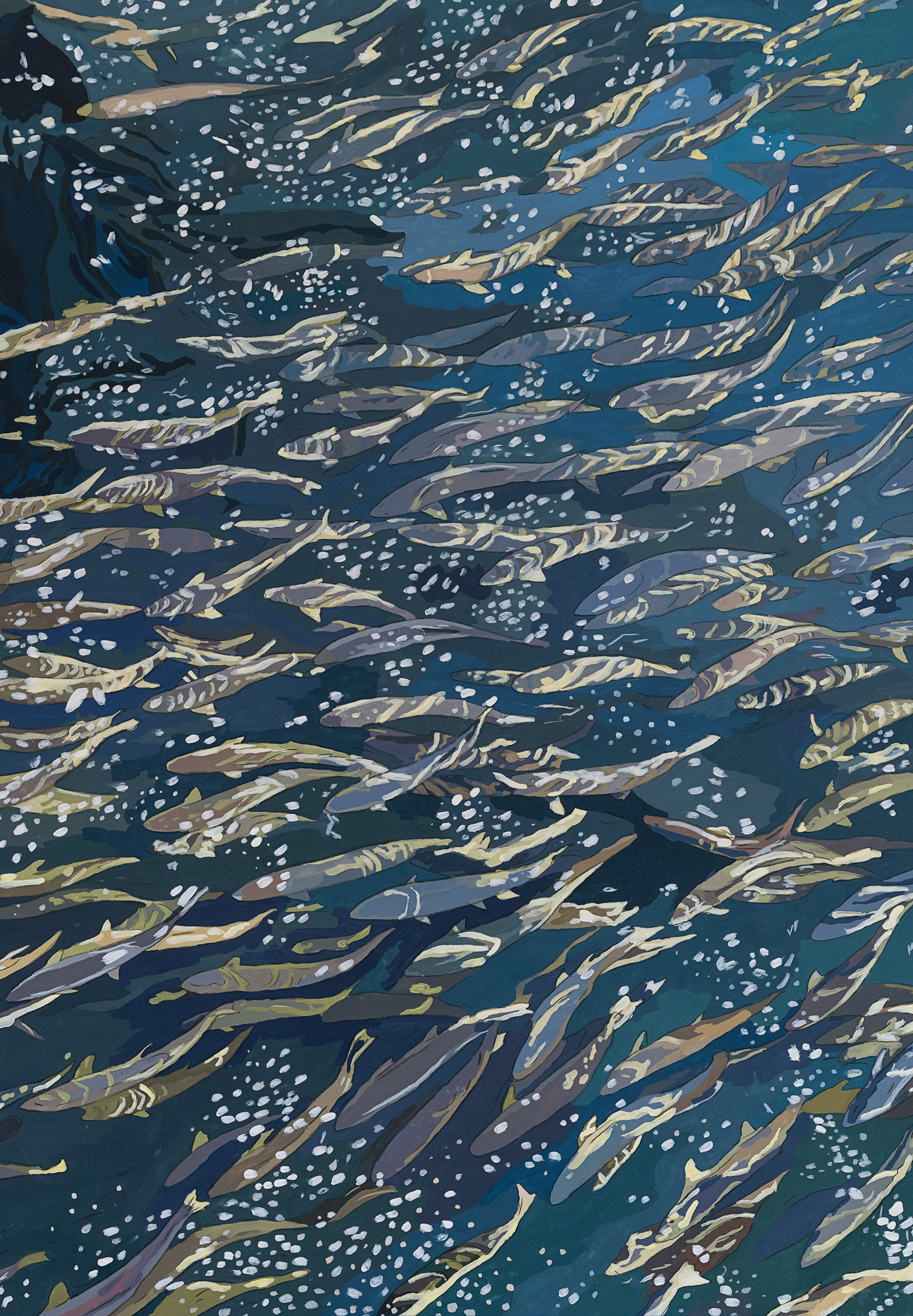
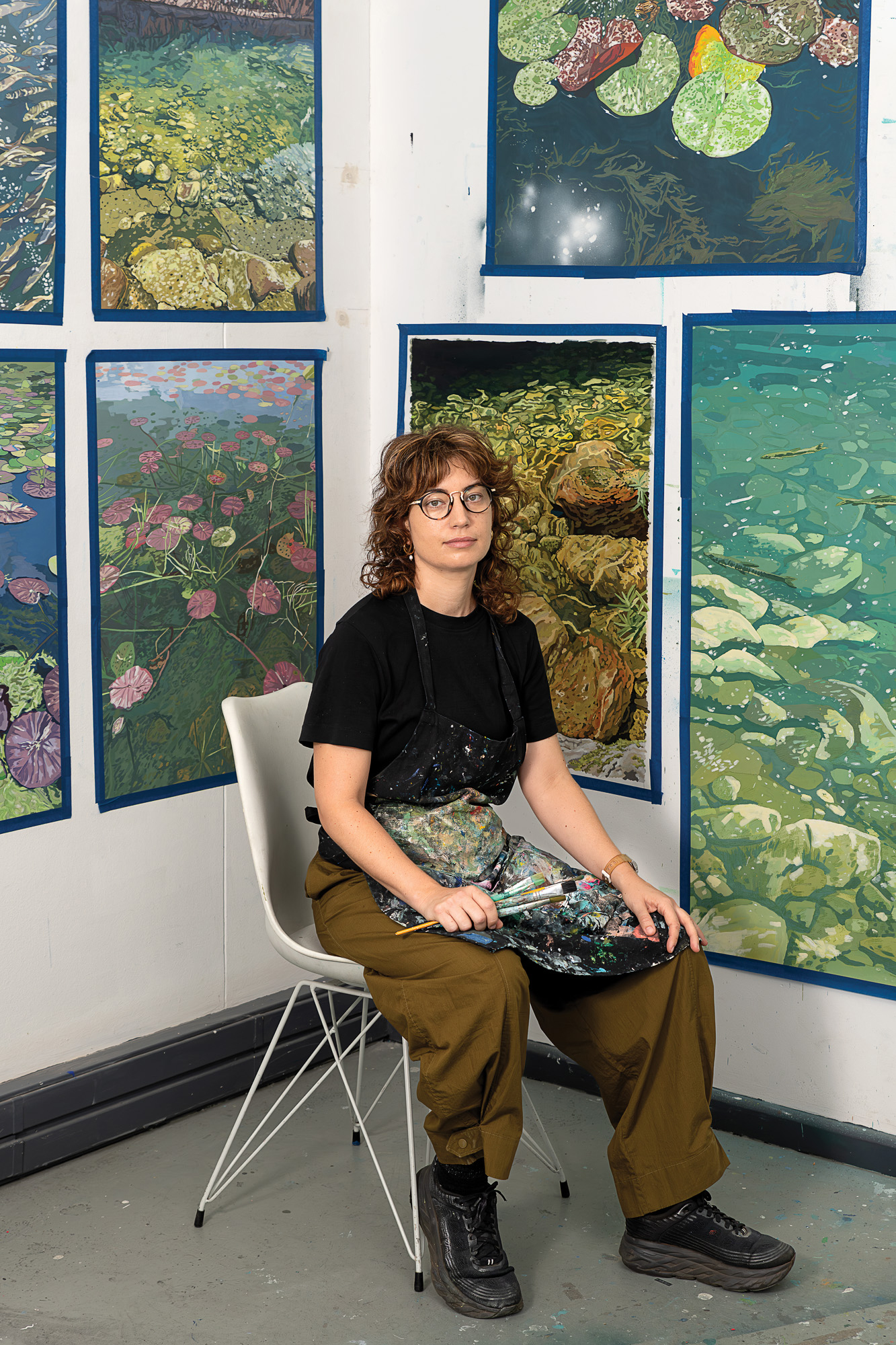
Q6. You often work with pastel, gouache, and aerosol on architectural film. What draws you to this medium?
Adele Van Heerden: I have worked with drafting film for over seven years. I was initially drawn to its capacity for layering, often overlaying multiple drawings. During a residency in Paris, I developed a reverse-painting technique on a single sheet, and have since incorporated pastel and spray paint into the process.
I remain committed to this material because it continues to offer new possibilities for layering and image-making. In addition to the drafting film works I have also expanded to working on canvas with gouache and oils, which I find very exciting. Again, I am finding that I am learning so much with every new painting, and that gives me more momentum and drive to keep pushing forward.
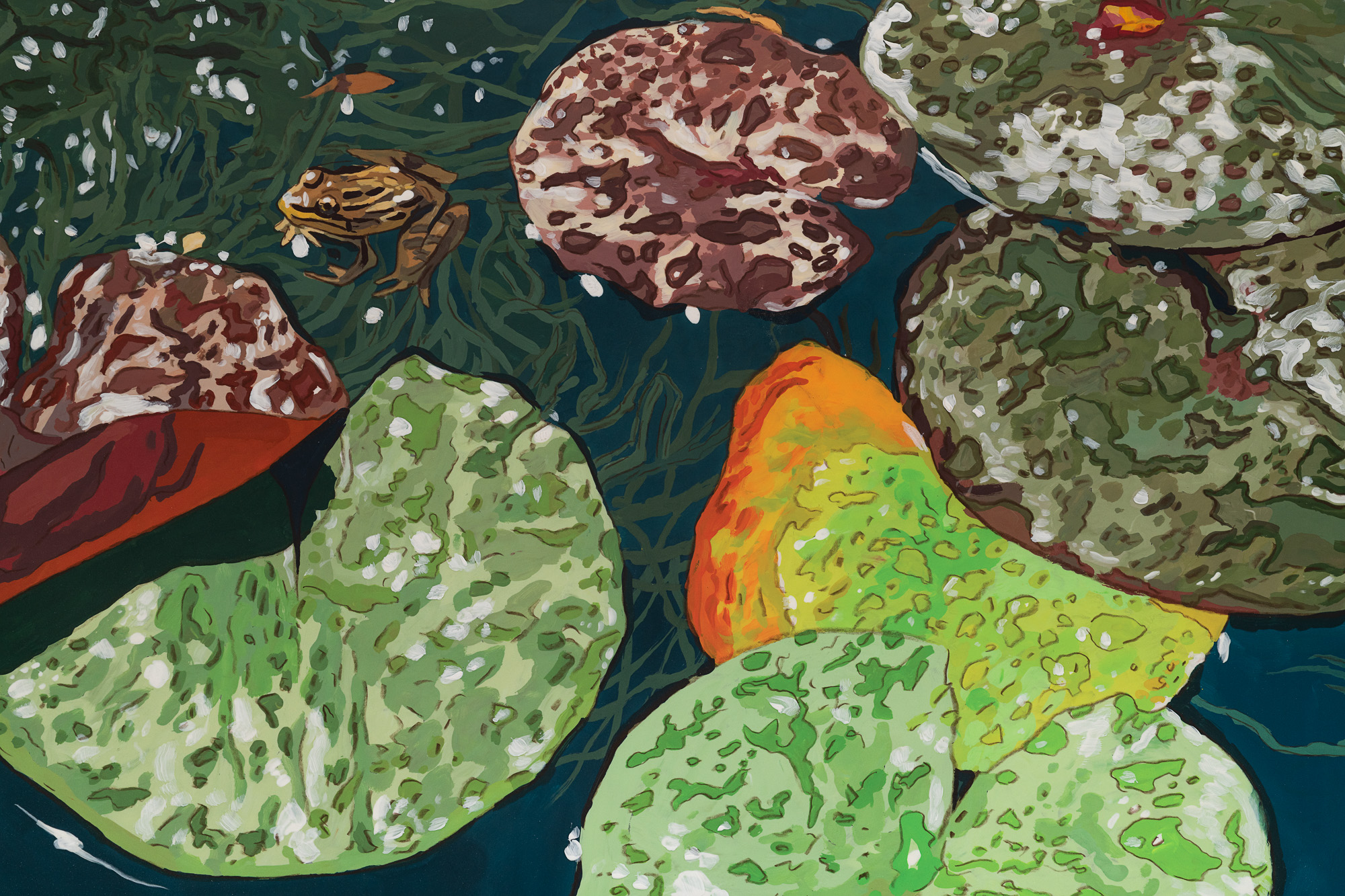
Q7. Alluvial introduces non-human bodies in water. How do they interact in your vision?
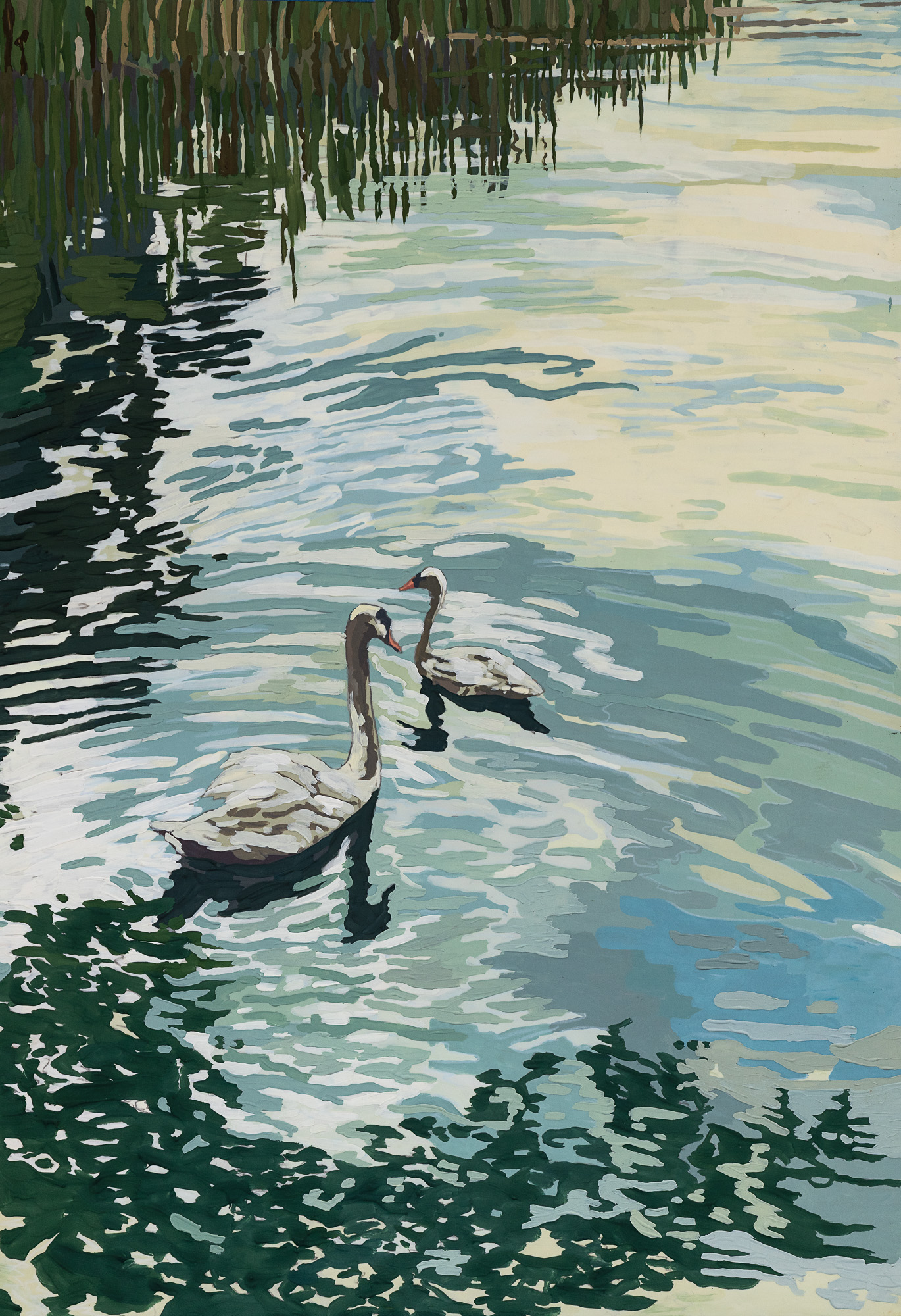
Adele Van Heerden: I find a lot of comfort in the non-human world, and humans have up until now been absent from my work. It feels like I am forming a new cast of characters with every exhibition, this time fish, frogs and waterbirds entering my work in Alluvial. The waterworlds I paint are their homes, so it feels important to me to acknowledge their presence.
Q8. How does being physically present in these environments influence your art?
Adele Van Heerden: My work is highly autobiographical, and again, my surroundings influence my creative output. I am reminded again of Marchelle Farrel’s writing in Memory River (From By The River: Essays From The Water’s Edge): “The flow of experience constantly reshapes the land of self through which it courses, forming bedrock and depositing new, fertile ground”.
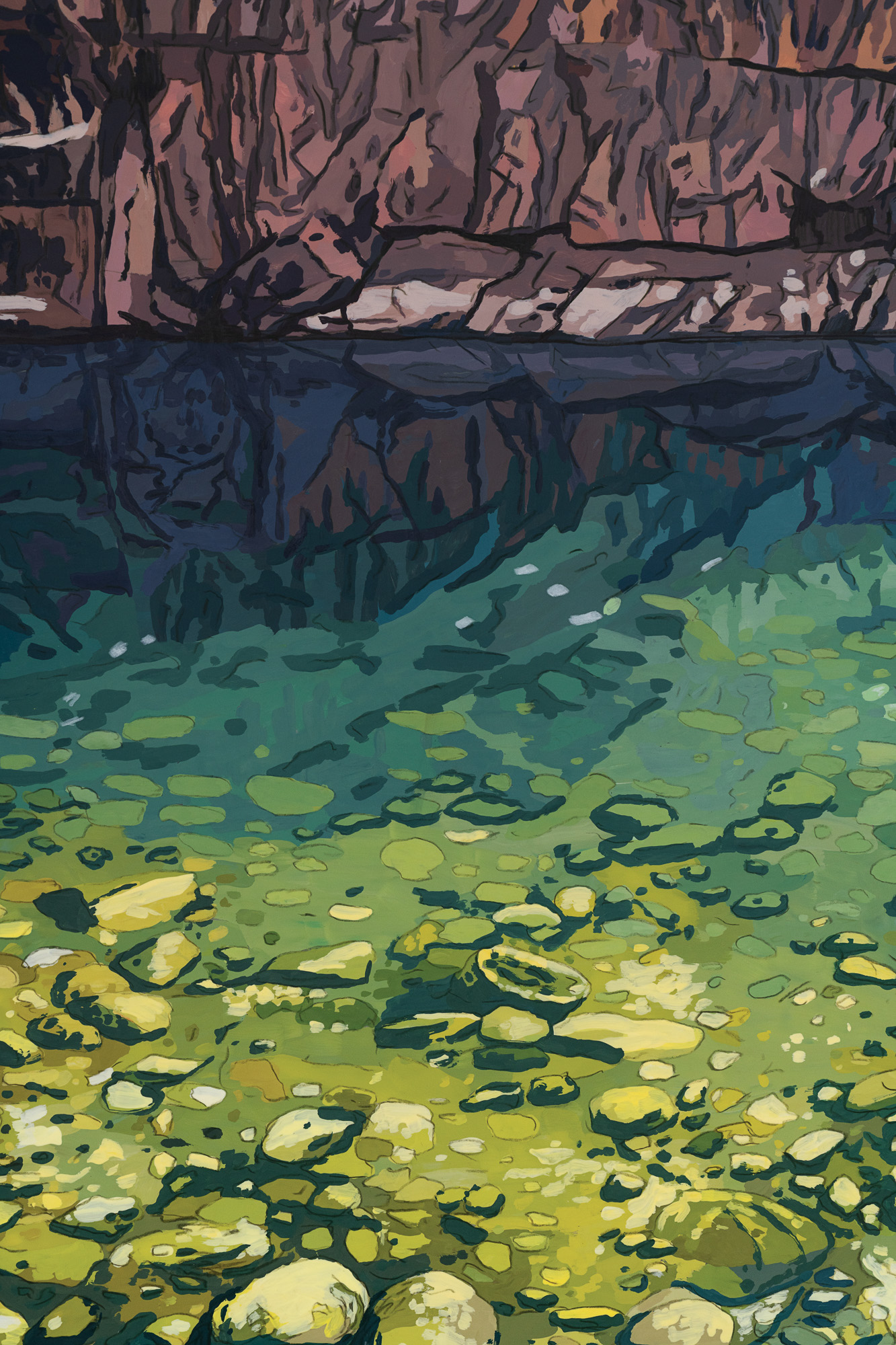
Q9. Looking ahead, where do you see your exploration of waterbodies going?
Adele Van Heerden: Later this year, I will attend a residency at Nirox in the Cradle of Humankind, where I will focus on a project exploring the local water systems. I will also spend time in Scotland researching its rivers and lochs. I am certain that both experiences will inform new bodies of work. My process is highly intuitive, however, so it is impossible to predict exactly how these influences will manifest. I can only trust the process and remain open to new ideas and directions.
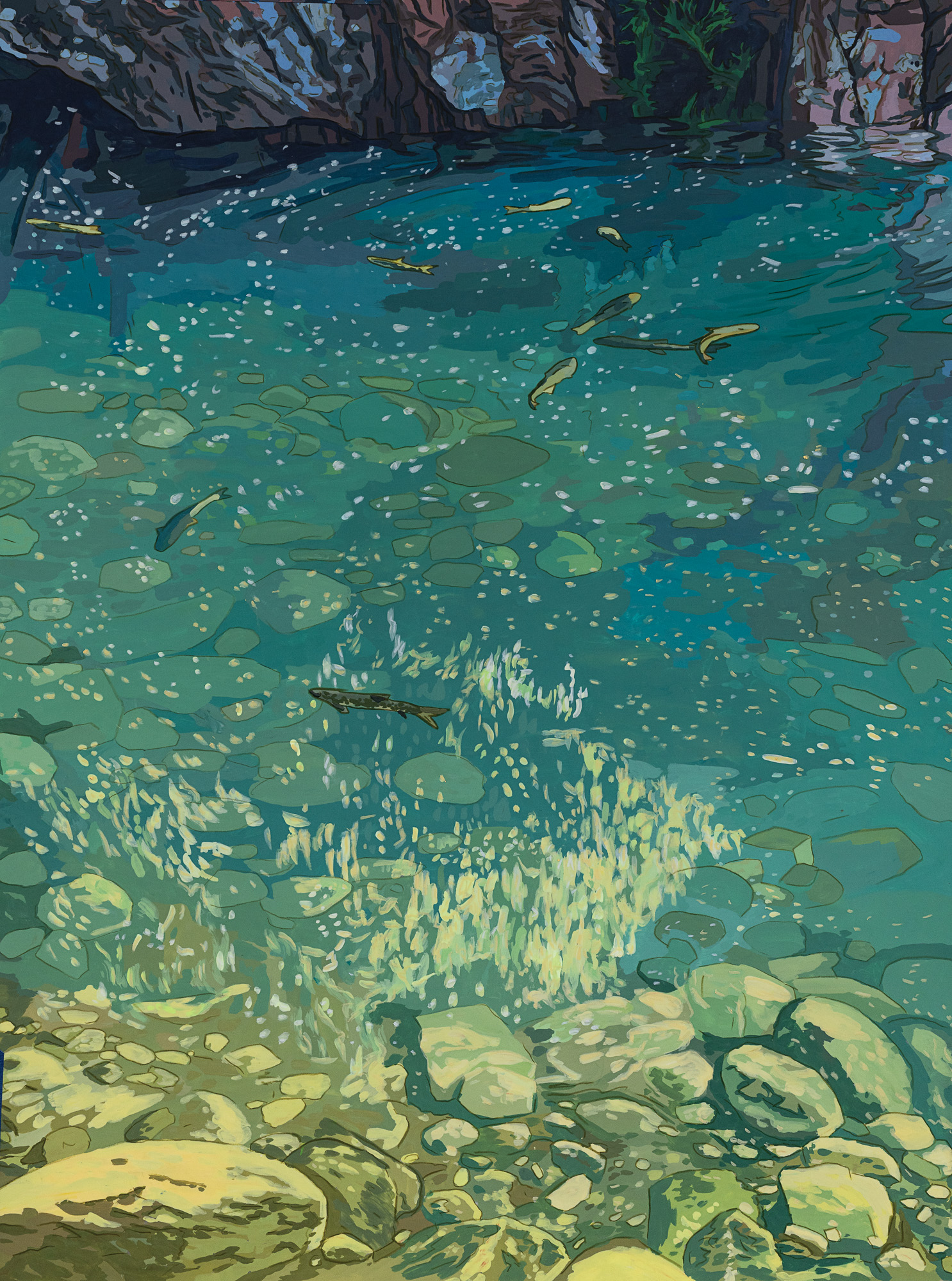
Through Alluvial, Van Heerden invites us to look beneath the surface, to the fertile soils, the threatened species, and the unseen currents that shape both environment and self. As her journey flows towards new residencies in South Africa’s Cradle of Humankind and Scotland’s lochs, her practice continues to evolve with each encounter.
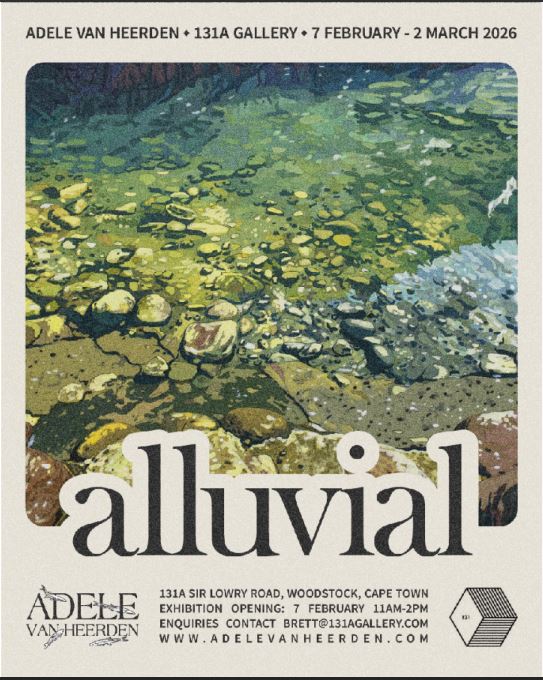
What remains constant is her openness to discovery and her commitment to painting the living, breathing worlds of water.
To Find Out More Visit:
131A Sir Lowry, Woodstock, Cape Town
Enquiries Contact: BRETT@131AGALLERY.COM
www.adelevanheerden.com