A decade ago, Calvin Ncube and Rofhiwa Tshiwawa spotted the missing link in the industry: post-production as a creative force. Out of that vision came Rawkraft Media, a two-man hustle that grew into a SAFTA-winning powerhouse trusted to turn raw chaos into crafted clarity.
From reality TV arcs to feature films, Rawkraft has become the invisible hand behind some of South Africa’s most compelling stories, proving that editing is the main act.
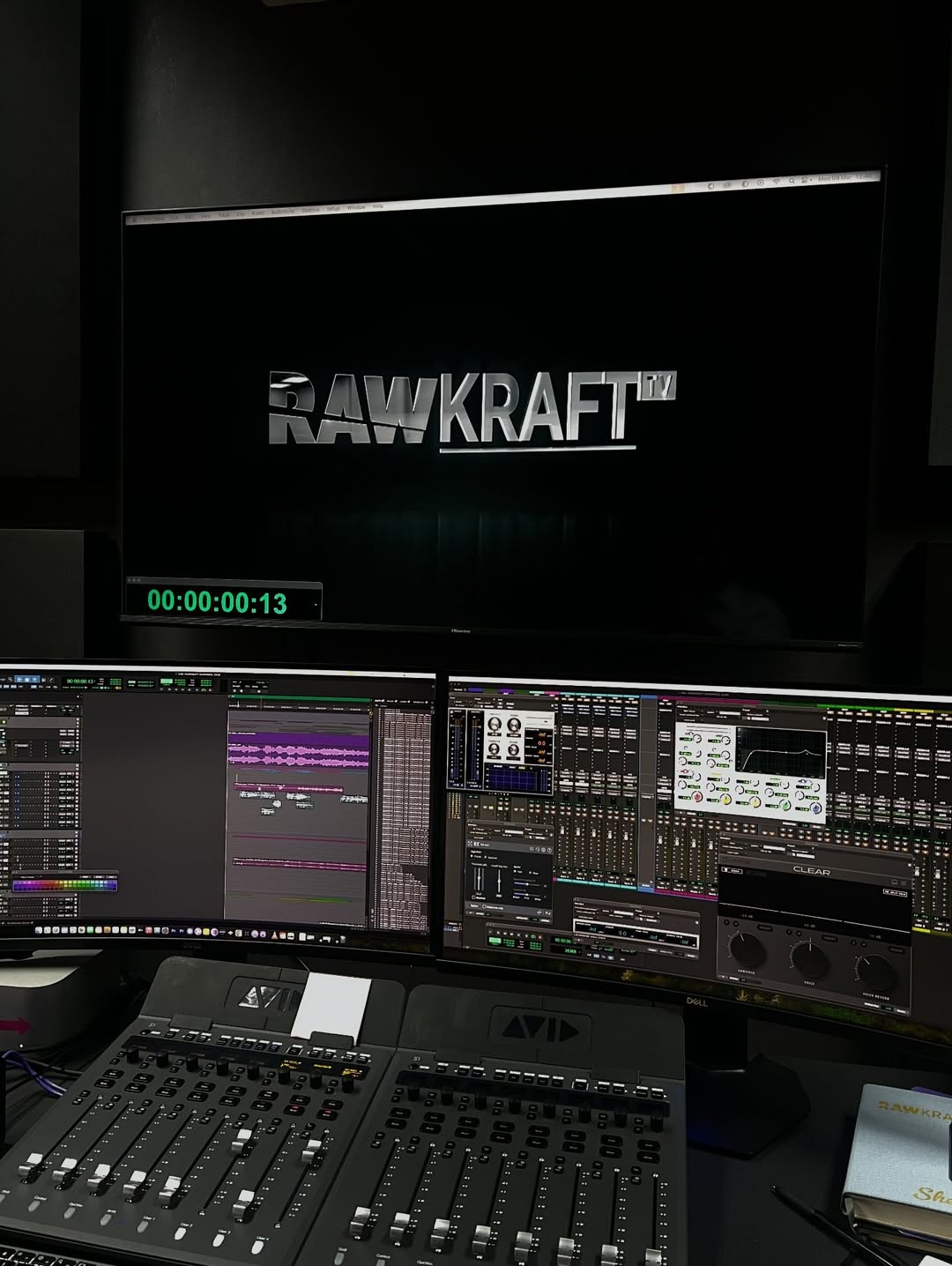
From reality TV arcs to feature films, Rawkraft has become the invisible hand behind some of South Africa’s most compelling stories, proving that editing isn’t background noise, it’s the main act.
To mark their 10-year milestone, we had the opportunity to chat with co-founder Calvin Ncube, who shared insights on Rawkraft’s journey, philosophy, and the future of South African post-production.
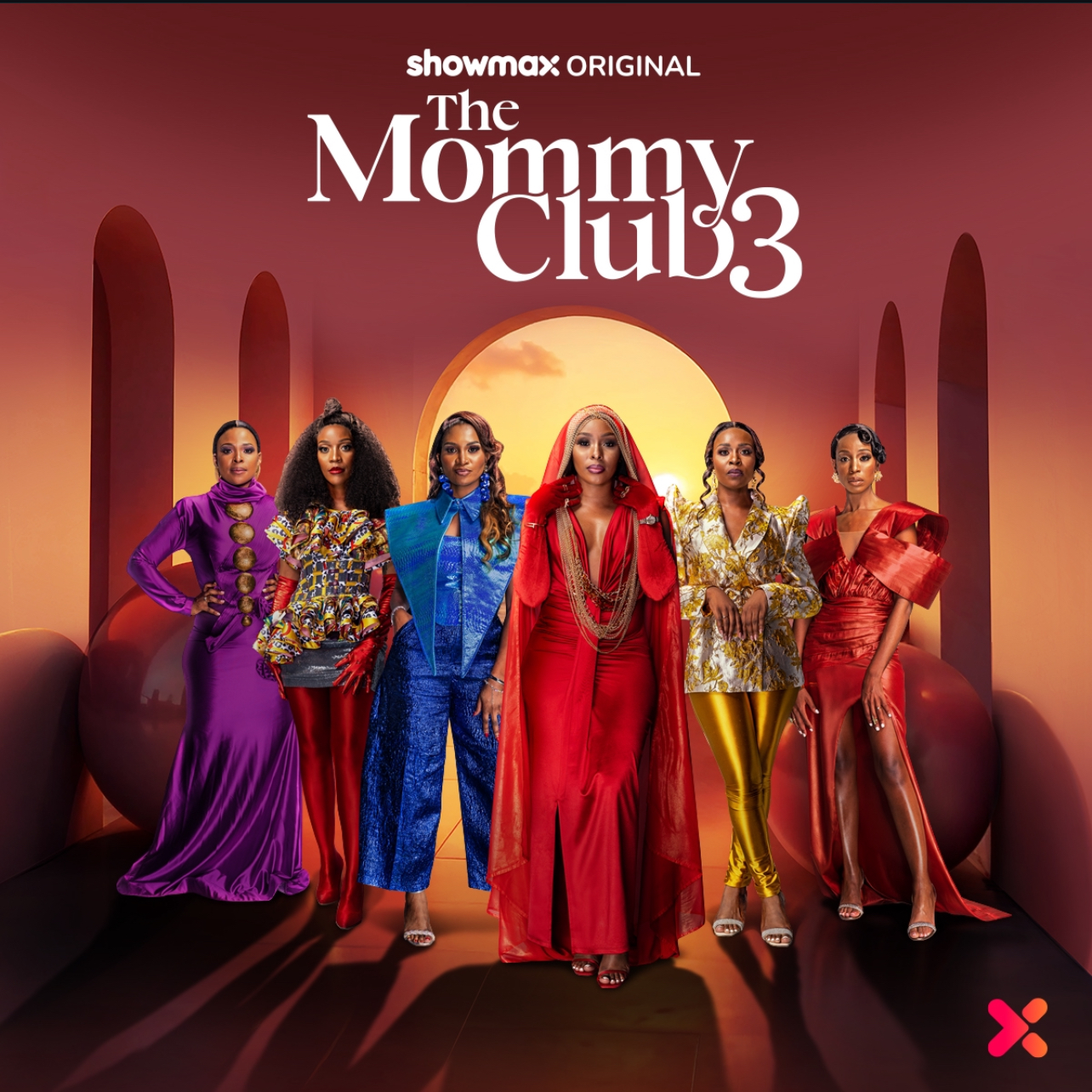
1. Looking back 10 years… what gap did you see? At the time, there was a clear disconnect between production and post. Post-production was often treated as a technical afterthought rather than a creative partner. We saw a gap for a company that could shape story in post, not just finish it, bringing narrative intelligence, cultural sensitivity, and technical excellence into one space.
2. Biggest early growing pain? Scaling trust. In the beginning, it’s just you, your skill, and your word. But as projects grow, you have to trust other people to deliver at your standard, and that’s difficult. Letting go without compromising quality was probably the hardest lesson.
3. Meaning behind “Rawkraft”? “Raw” speaks to the authenticity of the footage and the emotion captured in production. “Kraft” is the intentional shaping of that raw material into something meaningful. It’s about respecting both the chaos of reality and the discipline of storytelling.
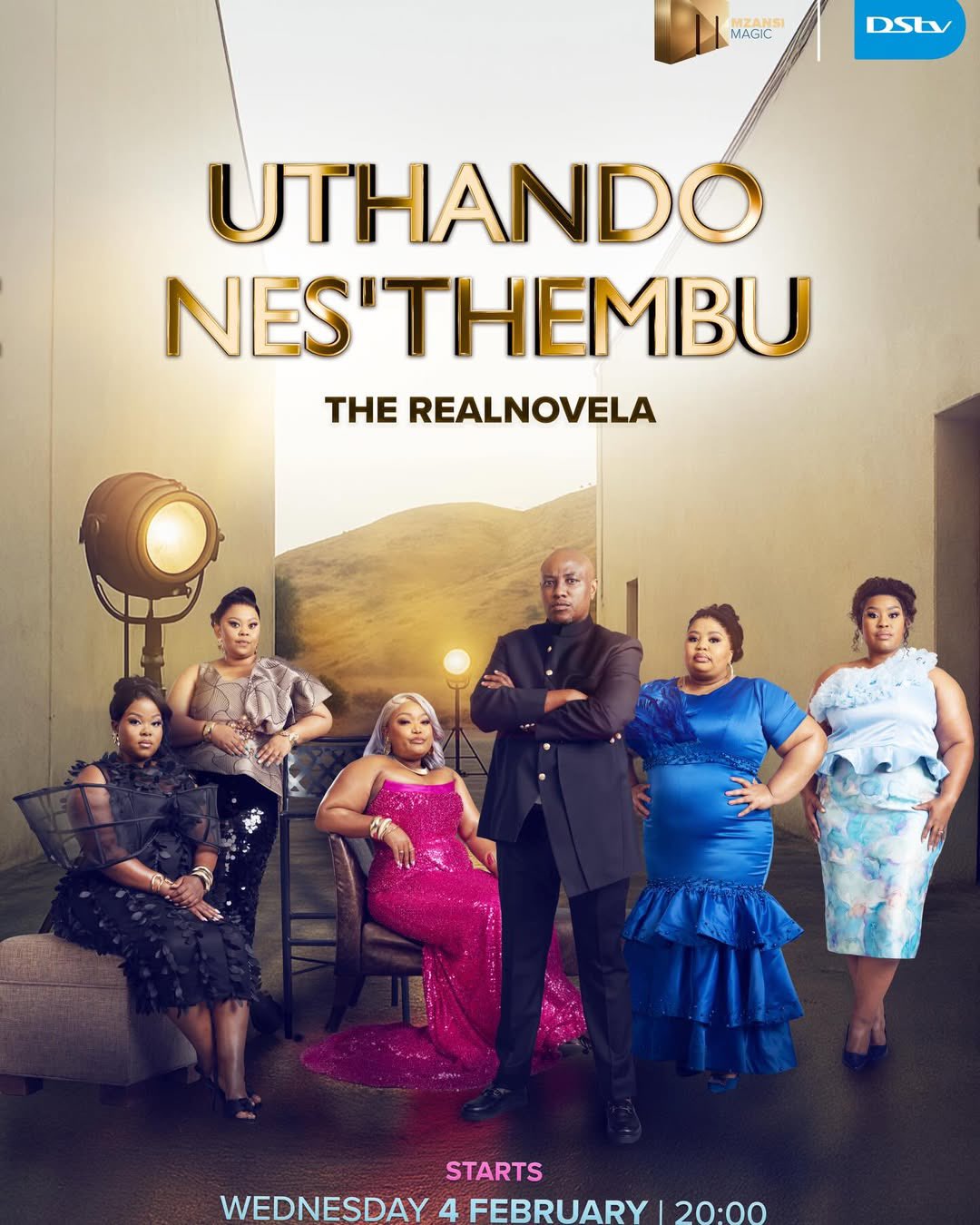
4. Post challenges on Uthando Nes’thembu? A realnovela lives between reality and structured storytelling. The challenge is finding narrative arcs in unscripted material without forcing them. You’re dealing with real people, real emotions, and cultural nuance, thus the edit has to be honest, but still compelling.

5. Preserving “South African-ness”? It’s in the finer details such as language, pacing, music choices, even the silent moments. We don’t over-polish. We allow moments to breathe in a way that feels familiar to local audiences. Authenticity is more important than perfection.
6. A project where post changed the story? There have been a few. Sometimes what’s shot doesn’t fully reveal the emotional core. In post, you might discover a completely different protagonist or theme. That’s when editing becomes storytelling, not just assembly.
7. Impact of winning a SAFTA? It validated our approach. Suddenly, conversations changed from “can you deliver?” to “how do we collaborate?” It opened doors, especially with partners who value craft and consistency.
8. Balancing tech vs human intuition? Technology is a tool, not the storyteller. You can have the best gear, but if you don’t understand emotion, rhythm, and character, it means nothing. We invest in tech, but we invest more in people and the story.
9. Where SA post-production stands globally? We’re competitive creatively, no doubt. The challenge is definitely in scale and infrastructure. But in terms of storytelling instinct and adaptability, South Africa holds its own globally!
10. Longevity in a tough industry? Consistency and relationships. Delivering under pressure, every single time. Also, understanding that this is a people business, how you treat clients, collaborators, and your team matters just as much as the work.
11. Mentorship approach? We believe in learning by doing. Young editors and designers are brought into real projects early, with guidance. It’s about building confidence, not just skill.
12. Founders’ dynamic today? The roles have evolved over the past 10 years, we’re more strategic now. However, we still get involved creatively when it matters. You never really lose that hands-on instinct.
13. Strategy for next 10 years? Positioning ourselves not just as a post house, but as a creative partner in the content value chain, especially as platforms such as Netflix and Showmax expand. That includes working across borders and formats.
14. What should the Rawkraft logo represent? TRUST. When you see that logo, you should expect emotional clarity, strong storytelling, and a polished but authentic finish.
15. Advice to two-man startups? Protect your reputation at all costs. Skills can grow, gear can improve but your name is everything. Show up, deliver, and stay consistent even when no one is watching.
Rawkraft’s journey is proof that longevity in the creative industry comes down to consistency, hustle, and relationships. From a two-man startup to a SAFTA-winning team, they’ve shown that post-production is where stories find their soul.

As Calvin and Rofhiwa look ahead to the next decade, their vision is clear: Rawkraft is a creative partner shaping the future of African storytelling. And for the next generation of hustlers, Calvin’s mantra is one to live by: guard your name, deliver every time, and let your craft cut through the noise.