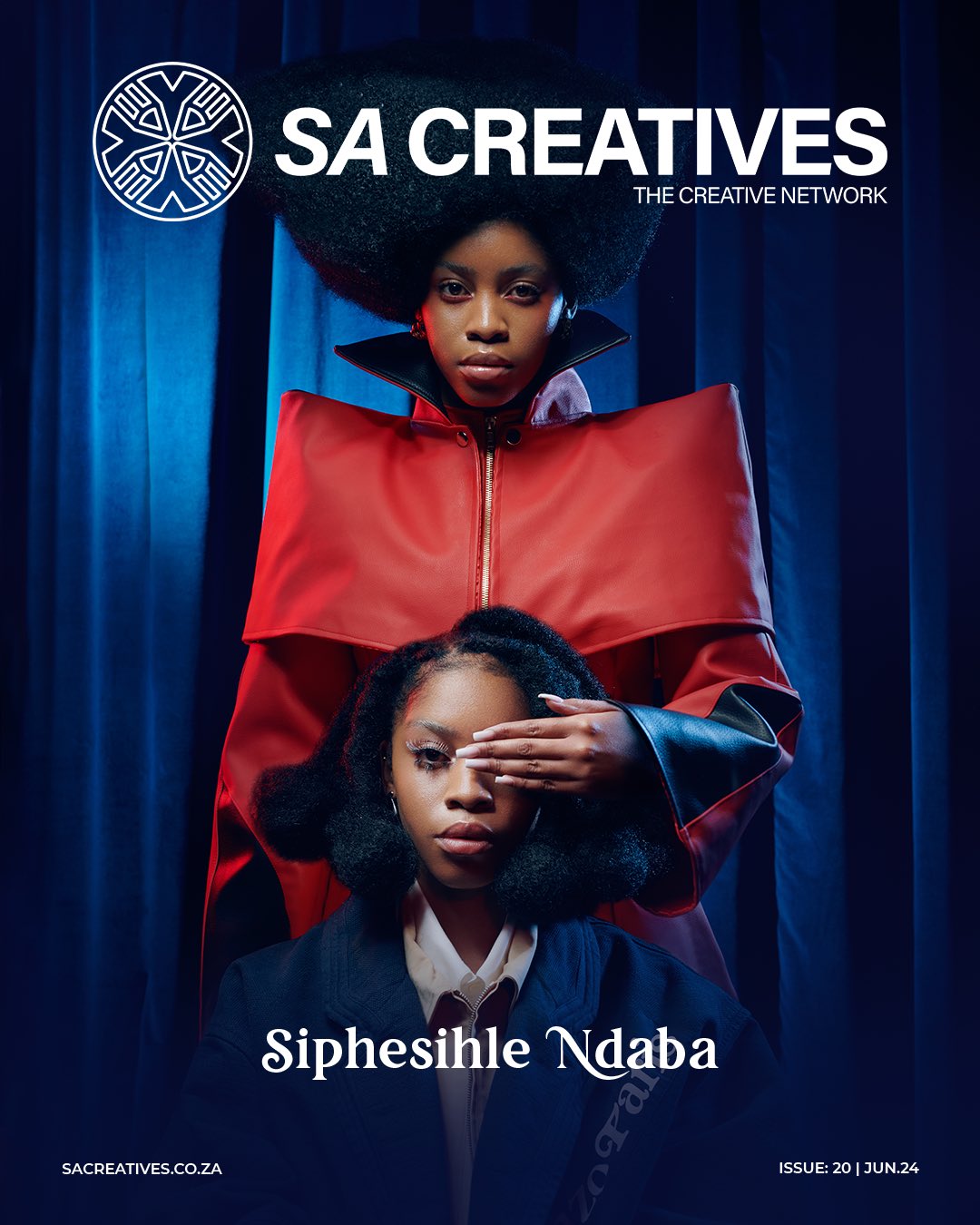
South Africa’s filmmaker, Mbali Mashaba, is redefining cinema by exporting Black comedy to international audiences. She is proving that local stories can resonate universally.
The South African cinema is entering a bold new chapter, and Mashaba is one of the voices shaping its future. At just 26, she has already established herself as a filmmaker who blends sharp cultural storytelling with humor that travels across borders. Her recent success in bringing Black comedy to international audiences, signals the rise of a talent whose work is both rooted in local identity and accessible to global viewers.

Mashaba’s films are anchored in the lived experiences of Black women. She crafts layered narratives that balance dignity with wit, refusing to reduce characters to stereotypes. This approach has made her work stand out in a genre often dismissed as lighthearted.
Proving that comedy can carry cultural weight while remaining entertaining. Her stories are not simply about laughter; they are about recognition, about seeing oneself reflected in ways that are authentic and nuanced.
Her influence extends beyond her own projects. Through her agency, Behind Her Lens Visuals, Mashaba champions African diasporic storytelling and creates opportunities for diverse voices to be heard. The agency is not just a production house but a platform for collaboration, mentorship, and advocacy.
By curating stories that speak to both local and global audiences, she is building a bridge between South African creatives and the wider world.
She also founded the Reel to Reality Film Festival, which has showcased more than 150 films across South Africa. The festival has become a vital space for emerging filmmakers to connect with audiences and industry professionals.
It reflects her belief that cinema should be both a mirror and a megaphone: a mirror that reflects the realities of African life, and a megaphone that amplifies voices often overlooked in mainstream narratives.

Her journey has already attracted international recognition. A film residency at Gothenburg University in Sweden expanded her creative horizons, exposing her to new perspectives and techniques while reinforcing the universality of her storytelling.
Her inclusion in the Mail & Guardian’s 200 Young South Africans list highlighted her growing impact in film and media, cementing her reputation as a rising star. These milestones are not just accolades; they are markers of a career that is steadily gaining momentum on the global stage.
What makes Mashaba’s trajectory compelling is her ability to balance artistry with strategy. She understands the importance of positioning African cinema within global conversations, and she does so without compromising authenticity.
Her recent projects, which have introduced Black comedy to audiences abroad, demonstrate that humor rooted in local culture can resonate universally. By exporting this genre, she is reshaping perceptions of South African film and proving that comedy can be a powerful tool for cultural diplomacy.
Her rise is also significant for the broader creative community. Mashaba’s success illustrates the potential of South African filmmakers to
break into international markets while staying true to their roots. It challenges the notion that African cinema must conform to external expectations in order to be recognized. Instead, she shows that authenticity is not a limitation but a strength, and that stories told with honesty and flair can find audiences anywhere.
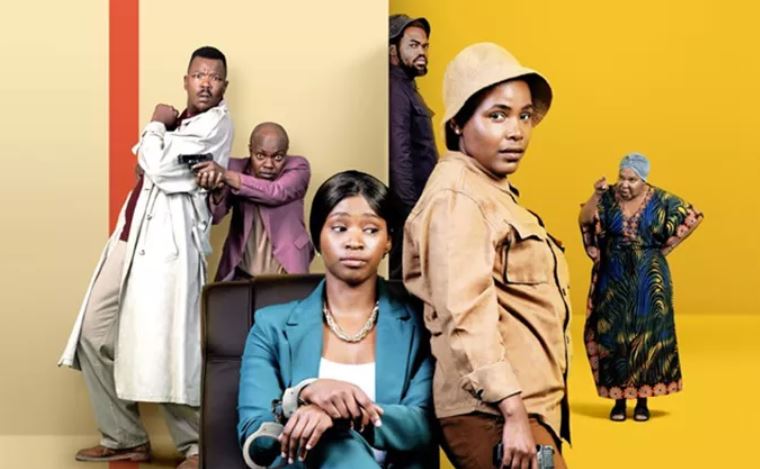
Her work is part of a larger movement redefining African cinema. Filmmakers across the continent are experimenting with genre, form, and narrative, pushing boundaries and challenging stereotypes. Mashaba’s focus on Black comedy adds a fresh dimension to this movement, offering a lens through which audiences can engage with African realities in ways that are both entertaining and thought-provoking.
For SA Creatives readers, Mashaba’s journey is a reminder of the importance of supporting rising talent. Her story underscores the value of
platforms that nurture creativity and provide opportunities for voices that might otherwise go unheard. It also highlights the role of audiences in shaping the future of cinema. By engaging with her work, viewers are not only entertained but also participating in a broader cultural conversation about representation, identity, and the power of storytelling.
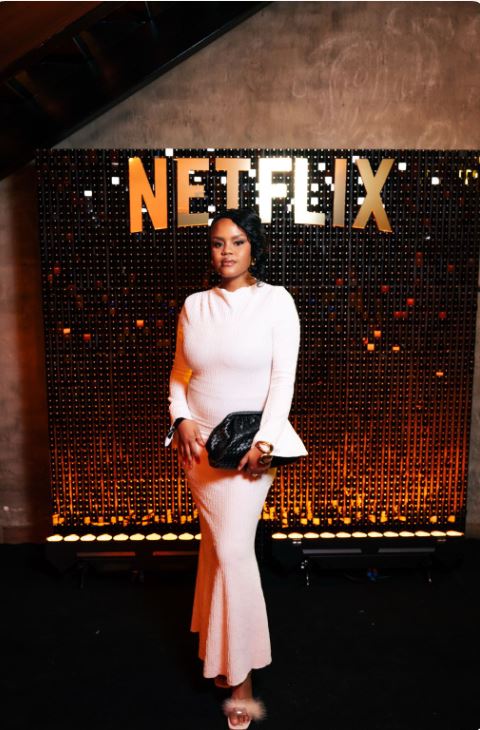
By exporting Black comedy to global audiences, Mashaba is reshaping perceptions of African cinema and proving that local stories can thrive on international stag
es. Her career is still in its early stages, but the impact she has already made suggests that she will be a defining voice in the years to come.
.