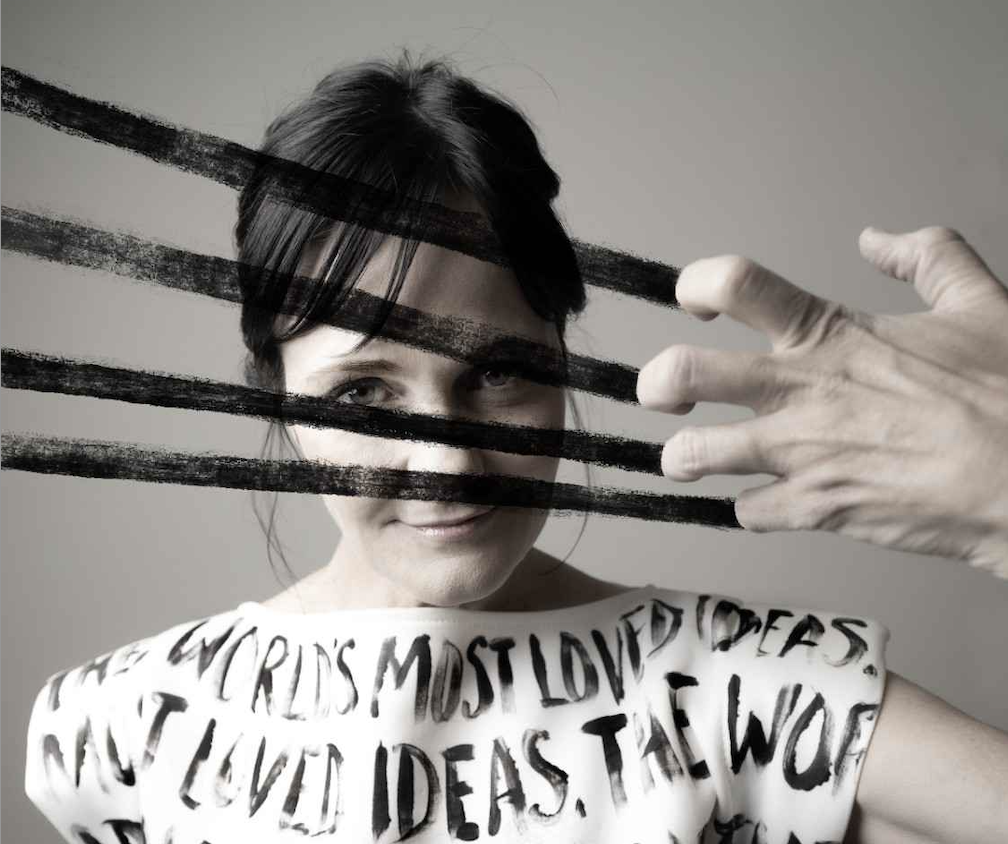
Roanna Williams has never been interested in playing it safe. As the first female Chairperson of the Creative Circle and the driving force behind Boundless, she has built a career on dismantling limits. Whether that means melting down awards to honour her team, disrupting horse racing rules through unignorable activism, or redefining diversity as a non‑negotiable standard, her work is always about impact.
In this conversation with SA Creatives, Roanna unpacks what “boundless” means in practice, why discomfort is often the sign of real progress, and how creative activism in 2026 demands more than awareness. It demands change.
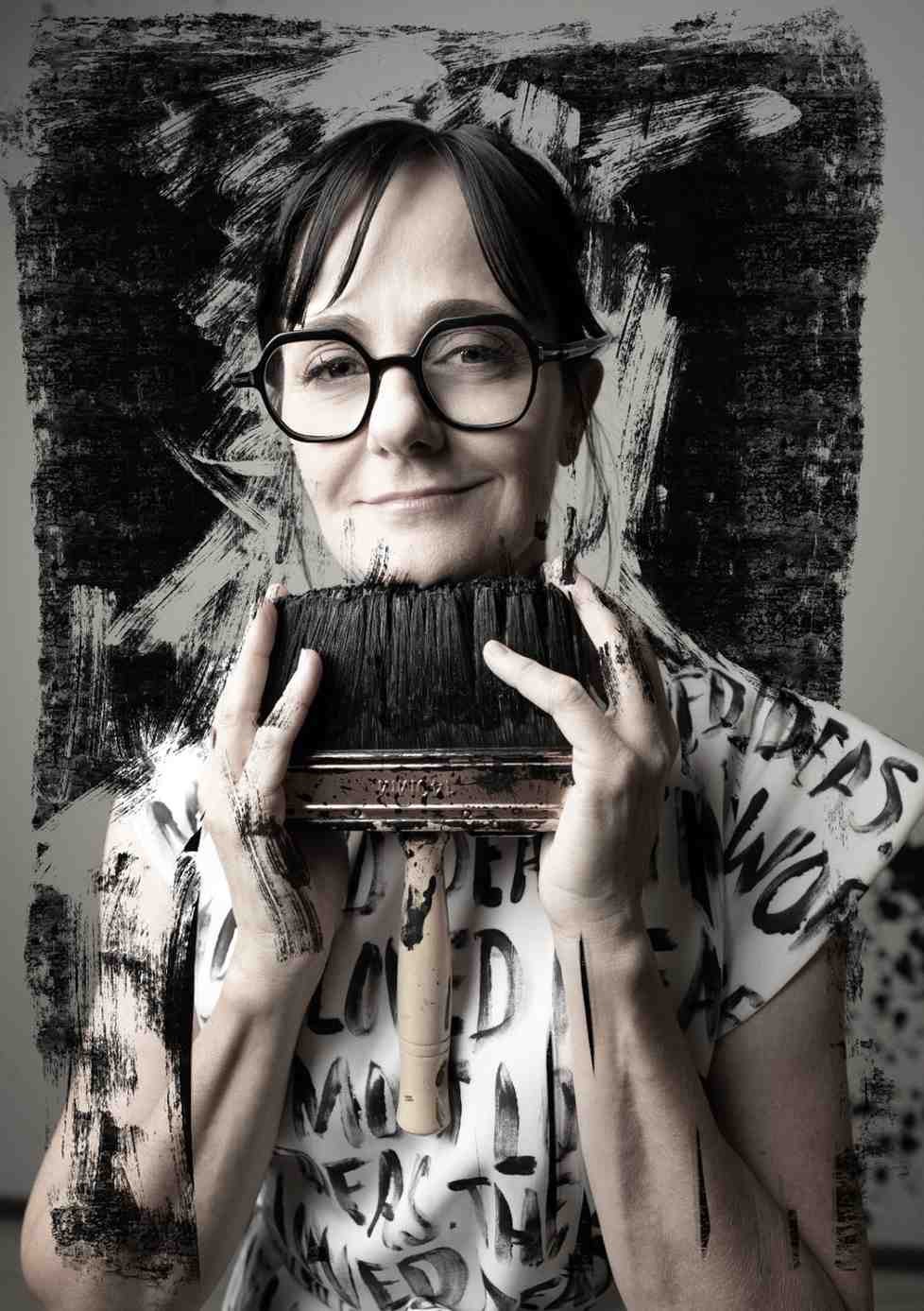
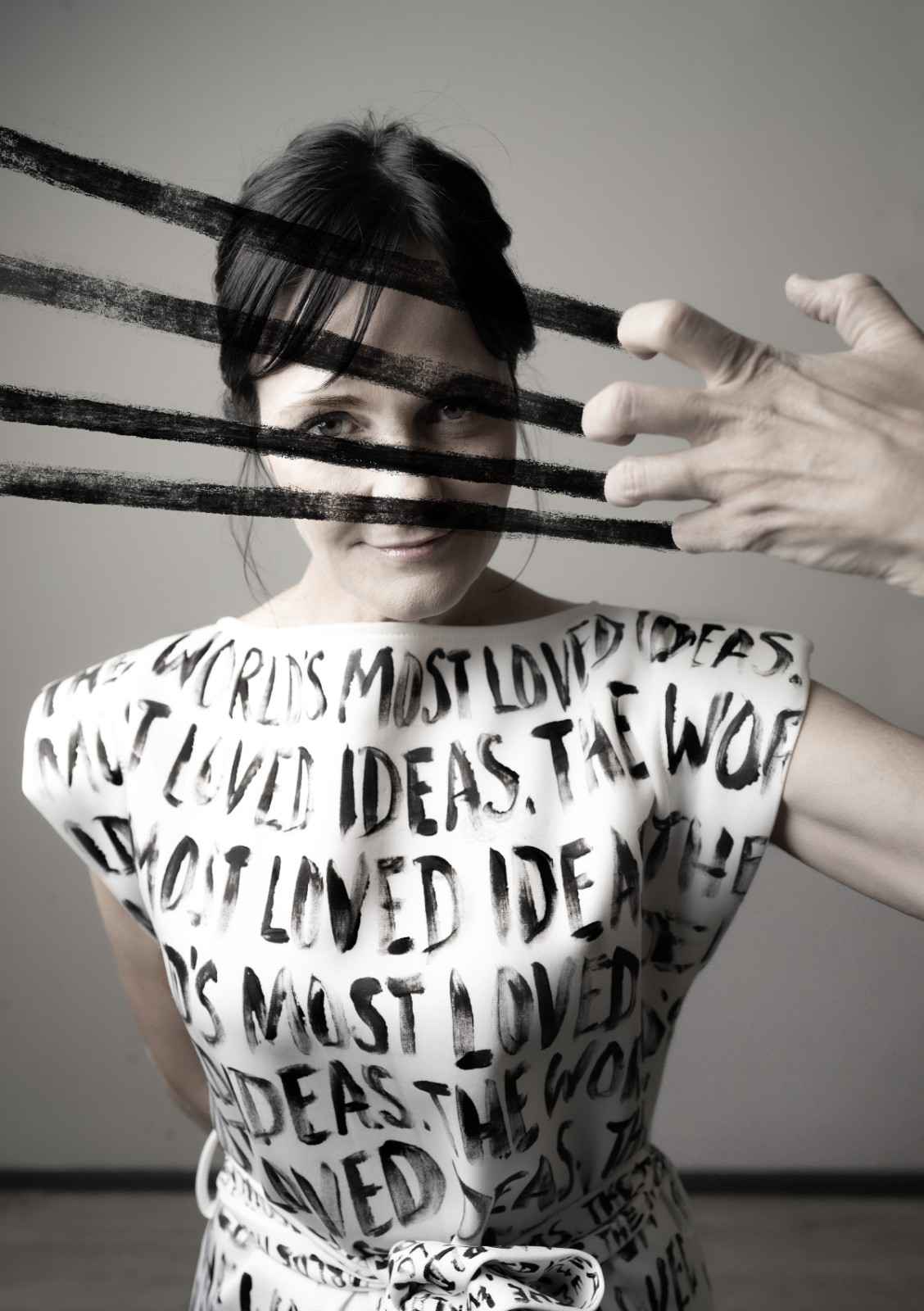
1. Boundless was born out of a desire for independence and creative freedom… What does “boundless” mean to you in practice? Boundless, in practice, is about removing the artificial limits that get placed on ideas before they have had a chance to breathe. It is freedom from unnecessary hierarchy, process for process’ sake, and the kind of corporate caution that sands down great work into something safe. It is about getting closer to our clients, to the work, and to what actually happens because of it. No distance, no hiding. Because when you are that close, the work matters more. And really, it is about building a place where the best people choose to be not just because of the output, but because they are doing the best work of their careers: “The world’s most loved ideas” with people they actually like being around.
2. You’ve said that if an idea makes everyone comfortable, it’s probably not the one. Can you share a recent example of a “discomfort” idea that paid off? Probably our most recent campaign for the NSPCA “Rein in the Pain”. “Rein in the Pain” was never meant to be comfortable. That was the point. We took something dressed up as glamour and forced people to see what it actually is. Brutal. Unignorable. We knew not everyone would like it and honestly, that is how you know it is working. If everyone agrees, you have probably said nothing. The backlash, the arguments, the pressure… that is where the work earned its keep. And ultimately, that discomfort is what pushed real change in horse racing rules.
3. As the first female Chairperson of the Creative Circle, how did you navigate pushing for diversity in an industry that often resists change? You do not navigate it softly or wait for permission. This industry is very good at saying the right things about diversity while holding onto the same structures that prevent it. So my approach was not about asking nicely or waiting for alignment or encouraging change. It was about making the alternative untenable.
That means building things that shift access. Changing who gets seen, who gets heard, who gets a seat at the table and not as a gesture, but as a standard. It also means being very clear that diversity is not a side conversation. It is directly tied to the quality of the work. There is always resistance. Some of it subtle, some of it not. But resistance is usually a sign you are pushing on something that matters. It is about persistence and resilience. Making the gaps visible. And backing it up with action. And never diluting it to make it more comfortable.
4. You’ve melted down awards to honour your team… What does that act say about your philosophy on recognition and ego in advertising? Melting down awards was about giving credit back to the people who actually earned it. Because an award, in its usual form, is just a single metal object that remains in the agency trophy cabinet collecting dust. It represents the work but it does not reflect the many hands that made it happen. So we broke it down. Literally.
We melted the awards and turned them into individual pendants, each one marked with an employment number. We gave every single person ever employed at the agency since its inception a piece of the melted awards in the form of a hashtag pendant. Each one was engraved with the employment number of the individual and gifted to them as a symbol of appreciation. Everyone, not just the creatives, got one—including the tea ladies, the cleaners, traffic, delivery gents. The people no one puts on a stage, but without whom the work does not happen. Because everyone plays a role in winning.
Awards have their place. But their real value is in recognising all the people behind them and the industry sometimes gets that wrong. Melting them down was a reminder: the metal does not matter. The people do.
5. How do you balance the tension between commercial objectives and cultural influence in your work? There is no tension, only bad thinking. If it does not work commercially, it is not effective. If it does not connect culturally, it is forgettable. The job is to do both. The best work solves the business problem in a way that people actually care about. Everything else is wallpaper.
6. The Durban July performance piece with Nirvana Nokwe was bold and unexpected. What role do you see for performance art in advertising activism? Performance is one of the few things you cannot scroll past. It is right there, happening in front of you whether you are ready for it or not. And when it is done properly, it stops feeling like advertising altogether. It feels like truth. Or at least something close enough that you have to pay attention. It also lets you show up where people actually care—in the middle of the things they are already invested in, the moments they have chosen to be part of. And if you are trying to disrupt something people have learned to ignore, that is where the work starts to matter.
7. What do you think independent agencies can do that large networks simply can’t? Be brave without asking for permission. Networks are built to scale safety. Independents are built to take risks. We can make decisions in a room, not across continents. We can commit to an idea fully, not negotiate it into mediocrity. And we can choose our clients as much as they choose us, which changes everything.
8. Mentorship through Open Chair is clearly close to your heart. What gaps do you still see for women rising into leadership roles? The gap is not talent, it is access and belief. Women are still being underexposed to the biggest opportunities, under‑credited for the work they do, and over‑tested in ways men simply are not. And then there is the confidence gap, which is often just a byproduct of those systems. Until the room itself changes, not just who is invited into it, we are going to keep having this conversation
.9. How do you define “creative activism” in 2026, and how has your definition evolved since you first embraced it? Creative activism, now, is less about saying something loud and more about making something unavoidable. When I first leaned into it, it was about using creativity to spotlight issues. Start conversations. Challenge perspectives. That still matters, but it is not enough anymore. The world does not need more awareness. It is saturated with it.
In 2026, creative activism is about impact you cannot ignore or opt out of. Work that does not just live in culture, but interferes with it. That creates pressure. That forces a response from industries, from institutions, from people. It has also become more accountable. You cannot just provoke and disappear. The work has to hold up, follow through, and actually move something: policy, behaviour, systems.
Simply put, the biggest shift is this: it is no longer about being right. It is about being effective. Because if nothing changes, it is not activism. It is just noise.
10. Looking ahead, what cultural shifts do you believe advertising should be brave enough to tackle next? Advertising has spent too long sitting next to culture, commenting on it, borrowing from it, staying just close enough to feel relevant. It needs to get closer than that. Close enough to interrupt. Close enough to matter. Because what needs to change is not hidden. It is right there, we just do not stay with it long enough, because it is uncomfortable and once you really see it, you cannot unsee it.
Take labour for example. The people holding everything up from production to delivery to the waste pickers. Always there. Rarely seen. And almost never recognised in a way that reflects their actual value. Then there is attention. We have built an entire system around capturing it, stretching it, exploiting it and we do not question it.
And value, that what we reward. What we celebrate. What we ignore. There is still a gap between what brands say that matters and what they are willing to invest in.
That is where the work needs to go. Not gently. Not performatively. But in a way that creates pressure. The kind you feel. The kind that makes it harder to look away, and harder for brands to keep saying one thing and doing another. If advertising only reflects culture, it stays safe. But if it challenges it, it starts to matter.
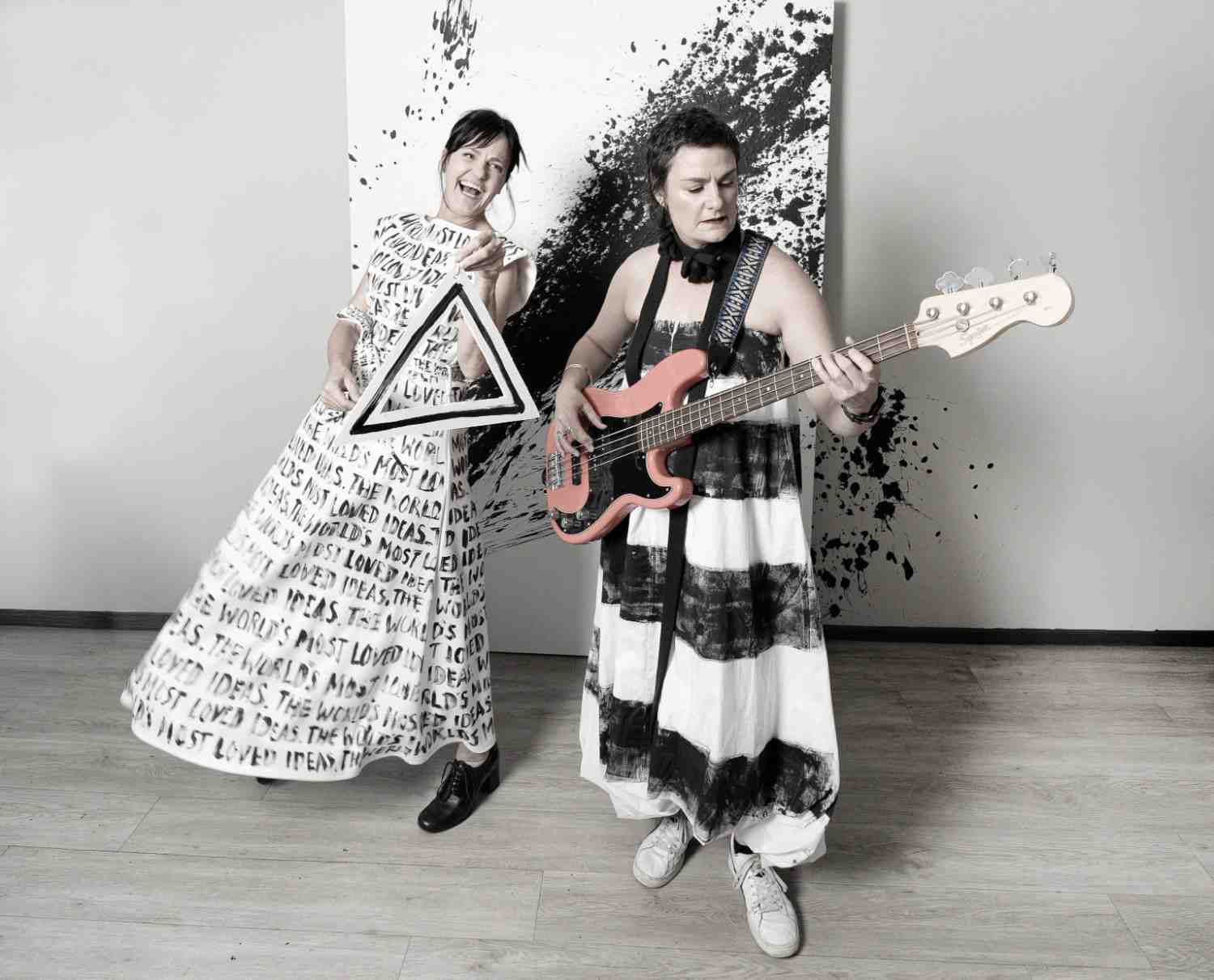
Roanna Williams is proof that bravery in advertising is not about chasing shock value. It is about refusing to dilute ideas, insisting on cultural relevance, and recognising every hand behind the work. Her vision for Boundless is not just an agency philosophy, but a call to the industry: stop reflecting culture and start reshaping it.
Because when creativity becomes activism, when discomfort sparks change, and when recognition is shared, the work wins meaning. And that, as Roanna makes clear, is the only measure that matters.