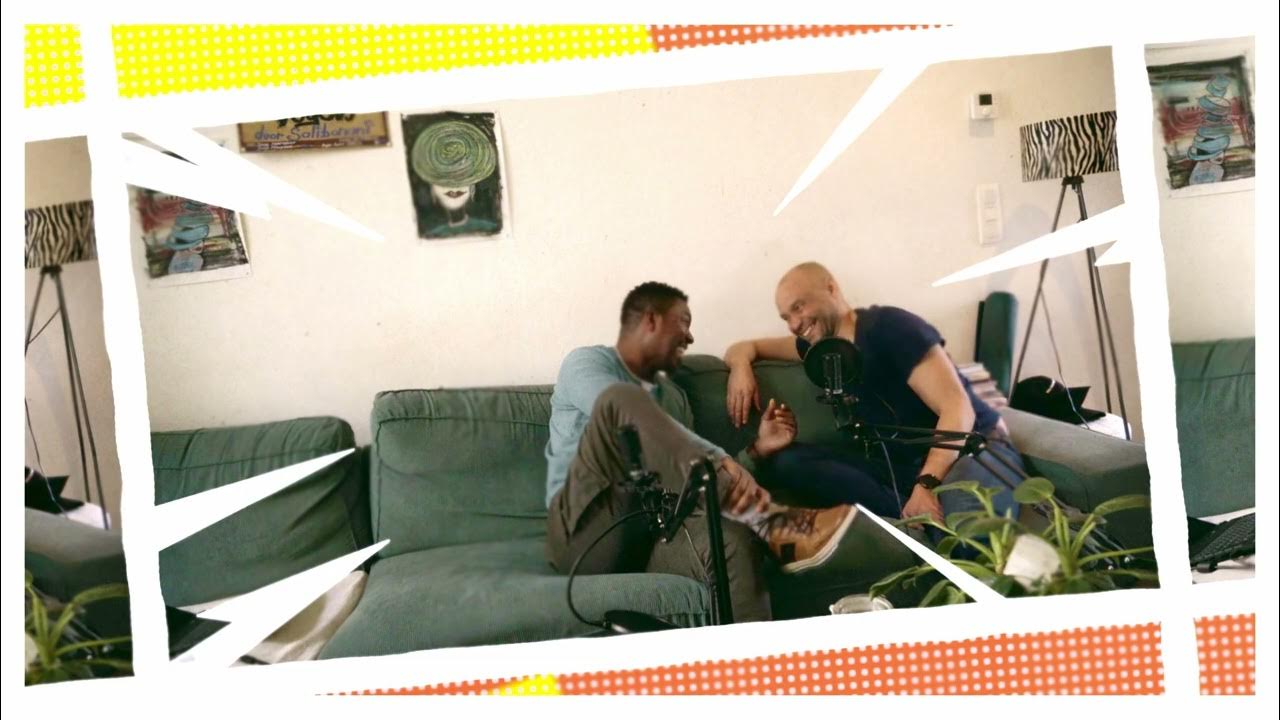
The Equity Revolution Podcast is more than a conversation, it is a movement born out of both frustration and hope. For founder Zukisa Nante, living between South Africa and Europe revealed how opportunity, belonging, and power are experienced differently across borders. With an engineering background that sharpens his focus on systems, inputs, and outcomes, Nante brings a unique lens to diversity, equity, and inclusion.

This interview explores how he transforms DEI from abstract theory into urgent, systemic action, weaving together technical clarity and human storytelling to inspire change that is both practical and deeply personal.
1. What inspired you to launch The Equity Revolution, and how does your engineering
background shape your approach to DEI storytelling?
The Equity Revolution was born from frustration and hope at the same time. Frustration with how DEI
conversations often remain theoretical, and hope that we can do better. Living between South Africa and Europe made me deeply aware of how differently people experience opportunity, belonging, and power.
My engineering background trained me to think in systems, inputs, and outcomes, and I bring that mindset into DEI storytelling by focusing not only on values, but on how change actually happens.
2. Why do you believe diversity, equity, and inclusion must move beyond theory into
urgent, systemic action?
Because inequity is not abstract. People experience it daily in hiring decisions, access to opportunity,
representation, and whose voices are valued. Theory without action risks becoming performative. Systemic action is urgent because systems shape outcomes, and changing those systems is the only way to create lasting equity.
3. How do DEI challenges differ across Europe, Africa, and North America, and what
lessons can South Africa draw from these regions?
Each region carries its own historical context. Europe often navigates DEI through migration and integration, North America has advanced DEI language but struggles with consistency, and Africa faces deep structural inequality shaped by colonial history.
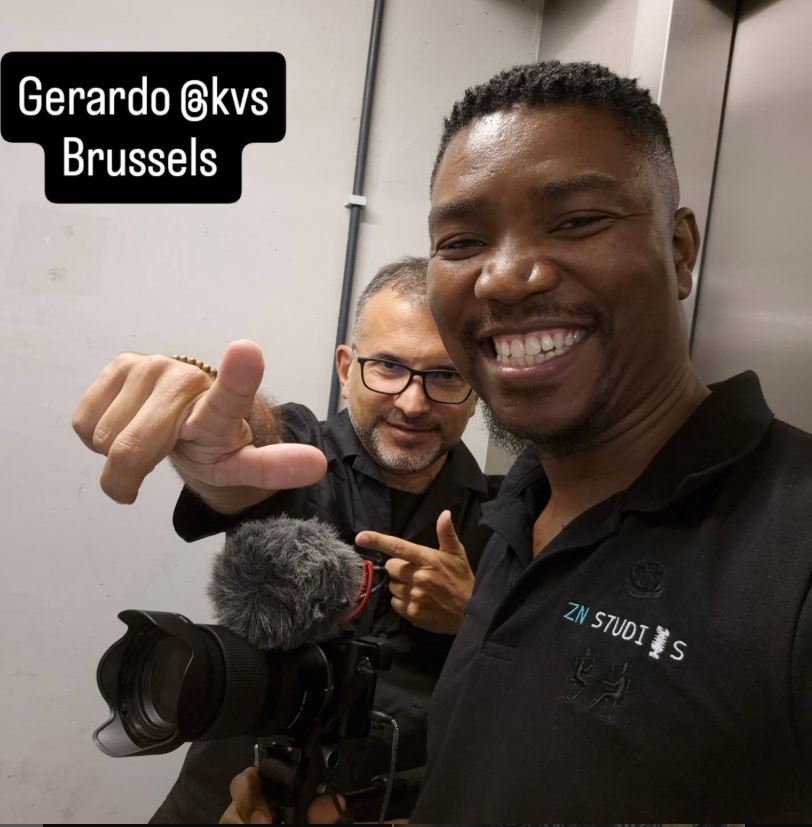
South Africa can learn from global frameworks, but solutions must always be locally grounded and culturally relevant.
4. Your special editions on South African artists in Brussels highlight cultural
identity—how do the arts intersect with equity and inclusion?
Art captures lived experience in ways data cannot. Highlighting South African artists in Brussels allows
conversations about identity, belonging, and visibility to surface naturally. The arts humanize equity by giving voice to stories that might otherwise remain unheard.
5. In what ways can innovation and leadership drive measurable change in workplaces
committed to DEI?
Innovation in DEI requires courage and openness to change. Leaders drive measurable impact when they embed equity into decision-making, accountability structures, and leadership pipelines. When equity becomes part of how organizations operate, not just what they communicate, real change follows.

6. How do you balance technical expertise with social storytelling to make DEI
strategies both practical and relatable?
Technical expertise provides structure and clarity, while storytelling creates connection and meaning. On the podcast, I intentionally combine both by grounding conversations in lived experience while asking practical questions about implementation and impact.
7. What has been the most surprising insight shared by a guest on The Equity
Revolution so far?
One of the most surprising insights is how often people underestimate their own influence. Many guests realize that small, consistent actions can create meaningful cultural shifts. Change does not always start with policy; it often starts with awareness.
 8. How do you ensure diverse voices are not only heard but also translated into tangible
workplace and societal change?
Listening is only the first step. Ensuring impact means connecting dialogue to accountability and action. On the podcast, we always ask what happens next and how insights can be applied in real-world contexts.
9. What actionable steps can South African creatives and businesses take today to
embed equity into their work?
They can start by being honest about who gets visibility, who gets paid fairly, and who gets access to opportunity. Equity does not require perfection, but it does require intention, consistency, and a willingness to learn.
10. Looking ahead, what is your vision for The Equity Revolution in shaping global
conversations on inclusion and identity?
My vision is for The Equity Revolution to be a global platform that connects lived experience with actionable insight. A space where difficult conversations are welcomed, diverse perspectives are respected, and dialogue leads to transformation across borders and industries.
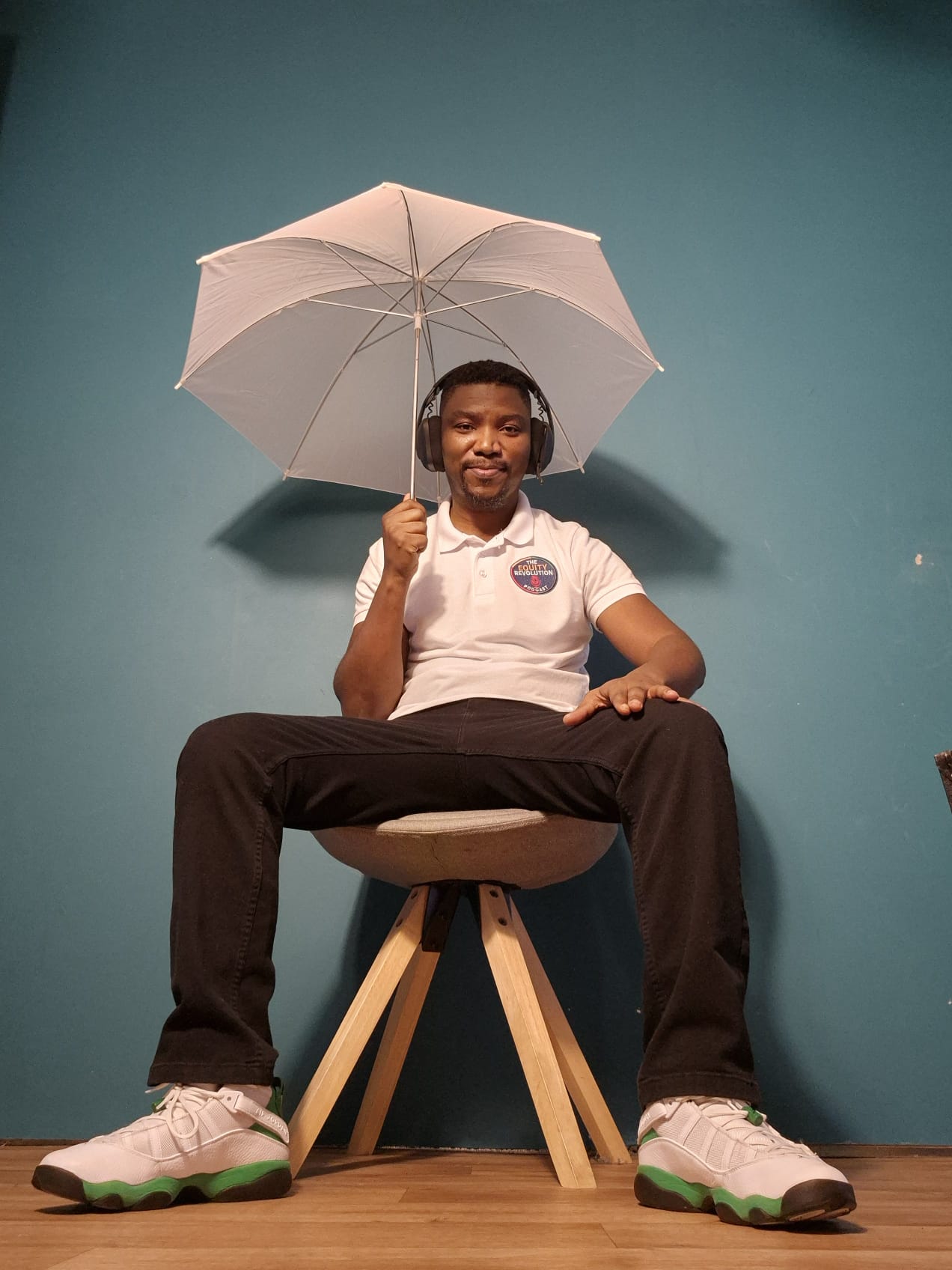
From highlighting South African artists in Brussels to challenging workplaces to embed equity into leadership pipelines, Zukisa Nante shows that inclusion is not a slogan but a daily practice. The Equity Revolution Podcast reminds us that small, consistent actions can spark cultural shifts, and that listening must always lead to accountability.
Looking ahead, Nante envisions a global platform where lived experience meets actionable insight, and where dialogue becomes transformation. The revolution is here, and it calls on each of us to play our part.
Watch more episodes of Zukisa Nante from the Equity Resolution Podcast on Youtube.