Being a South African creative freelancer, founder, or artist usually means balancing high dopamine outputs with intense operational demands. The industry demands constant innovation, rapid turnaround times, and flawless client management. When your mind refuses to work in a straight line, the creative landscape can quickly start to feel like an uphill battle against an invisible enemy.
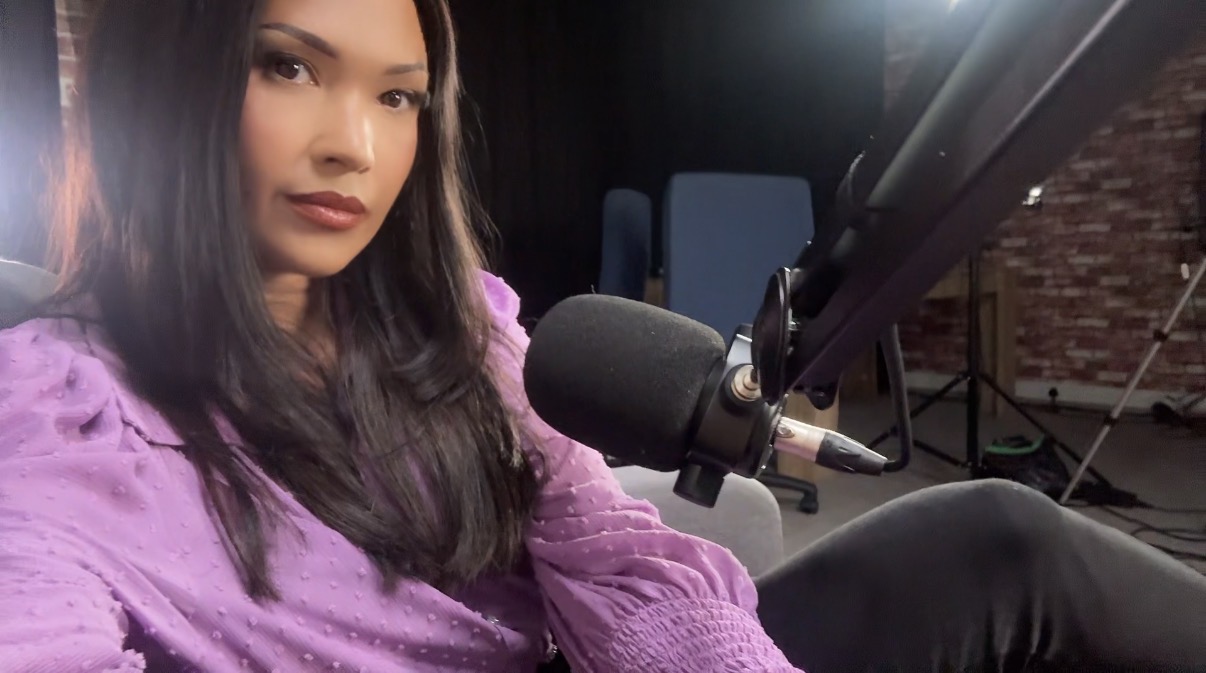
In her upcoming debut memoir, She’s a Hot Mess (launching 26 May 2026), South African entrepreneur and founder of The Limitless Women Hub, Kalene Oliver, opens up about her late-stage ADHD diagnosis at age 36. Her story uncovers a crisis intimately familiar to local agencies, studios, and freelance networks: the hidden mental health toll of trying to stay structured when your brain thrives on chaos.

Here is why this raw, honest book is the ultimate survival guide for SA’s neurodivergent creative community.
1. It Redefines “Writer’s Block” as Executive Dysfunction
Ever stared at a blank screen, an empty Adobe Illustrator artboard, or a fresh canvas for hours, completely unable to start despite having a looming deadline? The classic industry narrative blames these moments on a lack of inspiration or a temporary creative block. Kalene’s book tackles the far more debilitating reality of executive dysfunction.
For neurodivergent creatives, the problem is rarely a shortage of ideas. The challenge lies in the neurological process of planning, prioritizing, and initiating a task. When an ADHD brain lacks dopamine, it hits a wall of task paralysis. She’s a Hot Mess helps creatives realize that this paralysis is not a personal failure. It is not a lack of talent, discipline, or drive, it is simply a neurodivergent brain operating without the right structural support. By normalizing this struggle, Oliver removes the heavy burden of shame that destroys creative confidence.
2. It Exposes the Hidden Cost of “Masking” in the Industry
Creative professionals are masters at putting on a brave face. They are expected to be eccentric enough to innovate, yet compliant enough to navigate traditional corporate pitches, agency politics, and client calls. To survive, many neurodivergent individuals rely on “masking”, the exhausting process of consciously or unconsciously suppressing their natural traits to appear neurotypical.
She’s a Hot Mess pulls back the curtain on this hidden energy drain. Masking requires immense cognitive effort. It means forcing yourself to sit still during long status meetings, filtering out sensory overstimulation in open-plan offices, and faking linear focus when your brain wants to explore ten directions at once. Kalene validates the deep, silent fatigue that comes with trying to conform. She shows how masking directly causes the sudden, inexplicable crashes that leave creatives feeling completely empty after achieving a major career milestone.
3. It Shifts the Focus From “Hustle Culture” to Radical Healing
The South African creative landscape often glorifies overworking. Agency culture routinely celebrates late-night renders, weekend pitches, and burning the candle at both ends to secure client retainers. For an ADHD brain, this fast-paced environment offers an addictive hit of high-stakes dopamine. It makes it dangerously easy to ride the wave of hyper-focus right into a wall of severe physical and mental burnout.
As a business leader who built a prominent platform for female entrepreneurs, Kalene challenges this toxic grind narrative from firsthand experience. She offers a refreshing, necessary perspective on stepping off the hustle treadmill. The book argues that true professional sustainability cannot be built on continuous self-sacrifice. Instead, it advocates for a model of radical healing that prioritizes self-awareness, personal identity, and proactive mental health management over performative productivity.
4. It Speaks to the Exhausting Feeling of Being “Too Much”
The creative sector likes to market itself as inclusive, yet it frequently penalizes intense emotional expression, high sensitivity, and unconventional working styles. Many local creators, particularly women and gender-expansive individuals, have spent their entire lives being told they are too emotional, too chaotic, too sensitive, or simply “not enough” when they struggle with traditional organizational systems.
This memoir acts as an anchor for anyone who has felt isolated by their intense emotional waves or rejection-sensitive dysphoria. Kalene addresses the emotional volatility that often accompanies adult ADHD with sharp humour and raw vulnerability. She encourages readers to stop apologizing for the scale of their thoughts, the depth of their feelings, or the non-linear ways they solve complex design and narrative problems.
5. It Turns Internal Chaos Into Creative Purpose
Most neurodivergent creatives spend decades operating in survival mode, using anxiety, panic, and self-criticism as the primary engines to force themselves across deadline finish lines. While fear works as a temporary motivator, it eventually destroys mental health and kills the inherent joy of creating art, media, or copy.
Ultimately, She’s a Hot Mess is a masterclass in self-discovery and self-reconciliation. Kalene shares the exact moment she stopped standing against herself and started standing beside herself. The book provides a practical roadmap for local creatives to transform their deepest internal struggles into authentic, unfiltered purpose. It shows that understanding your neurodiversity is the first step toward building an independent career that accommodates your mind, rather than forcing your mind to accommodate an outdated corporate template.
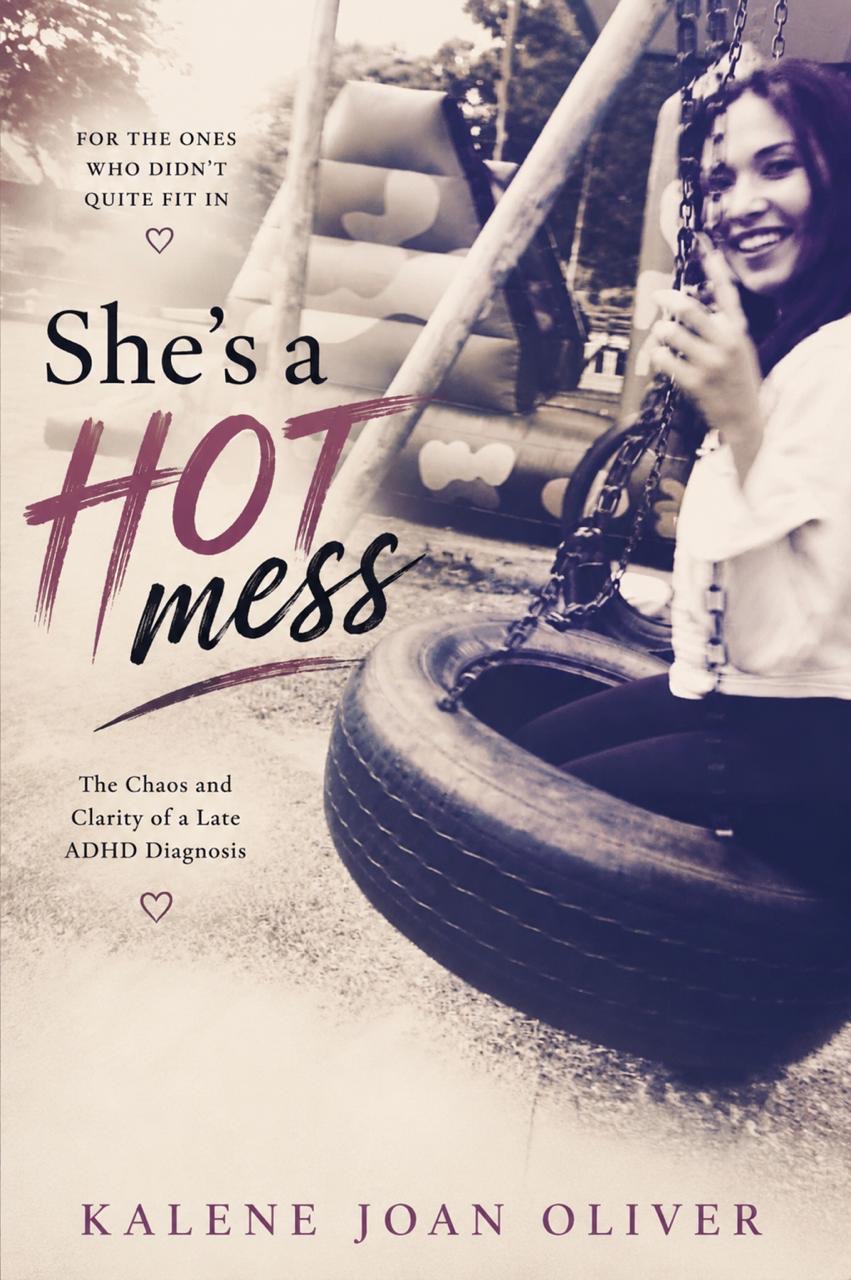
Want to read it? She’s a Hot Mess officially drops on 26 May 2026. You can download the official promotional cover artwork [HERE].