We talk a lot about the “next big thing” in South African creativity. We are obsessed with the fresh, the emerging, and the disruptive. If you walk into any studio in Maboneng, any agency in Cape Town, or scroll through a late-night feed of local underground music, you can feel the kinetic energy of a country that never stops inventing itself.
But an uncomfortable truth I’ve been sitting with is: while we are brilliant at creating, we are remarkably reckless at keeping. We treat our creative culture like a firework, dazzling for a split second, then disappearing into the dark, leaving us to wonder if it ever really happened at all.
Maria McCloy Understood That The Present Becomes History
For a long time, I’ve thought about the late, great Maria McCloy. She was as much a chronicler as she was a presence on the scene. Maria understood something that many of us overlook: that culture isn’t just something you consume; it’s something you curate and protect while it’s still breathing. She recognized the weight of the moments unfolding around her, whether it was the rise of kwaito or the shifting aesthetics of street culture.
She documented the present because she understood that history isn’t something that only exists in hindsight. It is being made every day, often in ways that feel ordinary at the time. Maria didn’t wait for a museum, an archive or a curator to decide what was worth preserving. She trusted her instincts enough to recognise significance while it was happening. 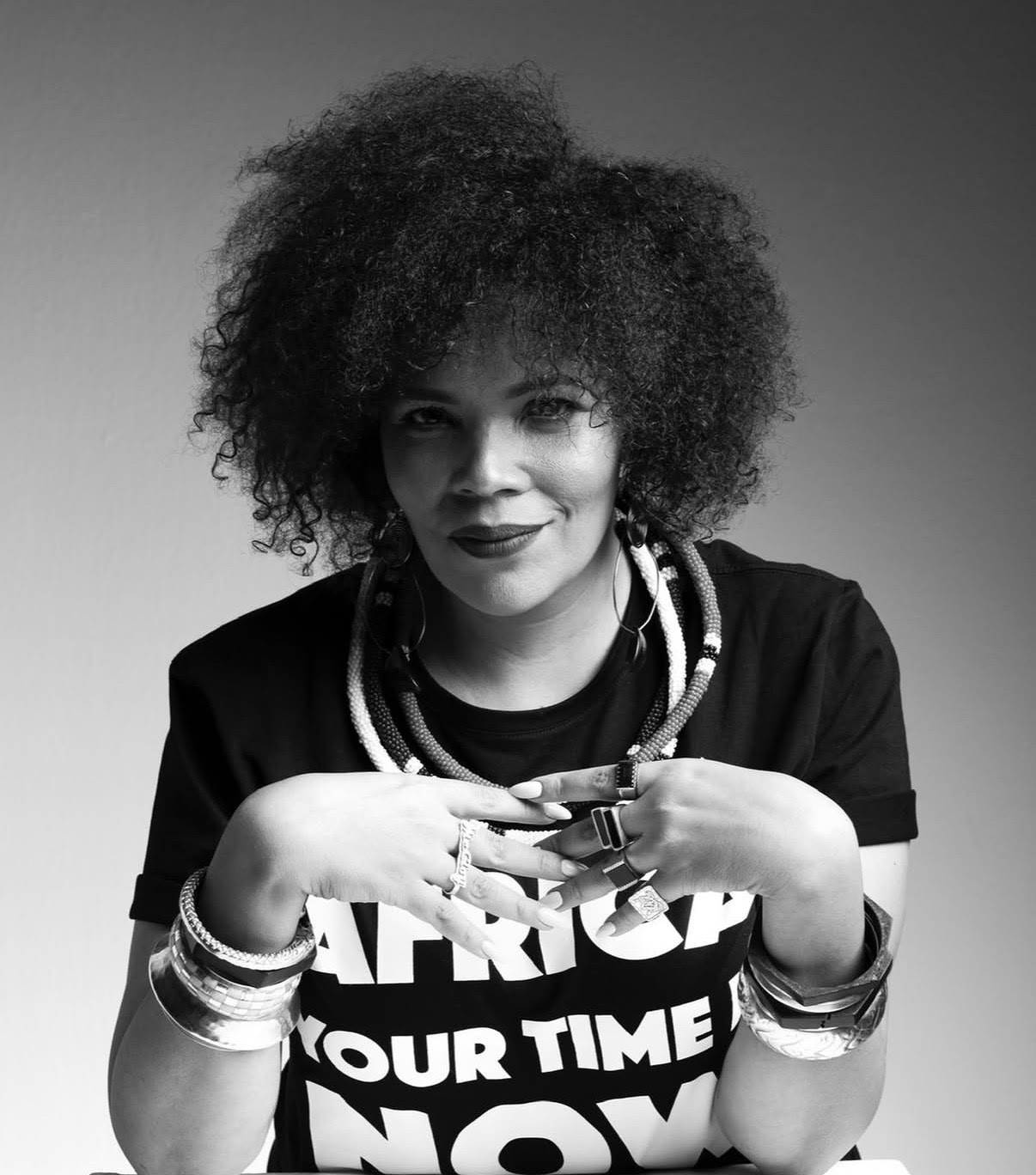
South Africa Has The Archives. The Question Is: Who Can Access Them?
Yet, look at the rest of our landscape. We are surrounded by massive repositories of our own history: media houses, advertising agencies, publishers, and broadcasters that sit on mountains of tapes, prints, negatives, and raw digital files. They hold the visual and sonic DNA of decades of South African life. But try to find it. Often, these archives are locked behind prohibitive paywalls, gathering dust in physical basements, or trapped in forgotten hard drives that no one knows how to open anymore.
We have a wealth of history that is essentially invisible to the very people who could use it to build the next chapter of our story. Locking away our references means turning archives into vaults when they should function as tools for learning, inspiration and research. History cannot do its job if it remains inaccessible. Cultural knowledge needs to circulate meaningfully, informing new work, supporting research and creating continuity between the creatives who came before us and those who will follow.
This isn’t just about nostalgia or looking back with rose-tinted glasses. Archiving is a functional necessity for innovation. How can a young designer or filmmaker find their footing if they don’t have access to the processes, the conversations, and the failed experiments of the people who paved the way? We need those histories not to copy them, but to stand on them.
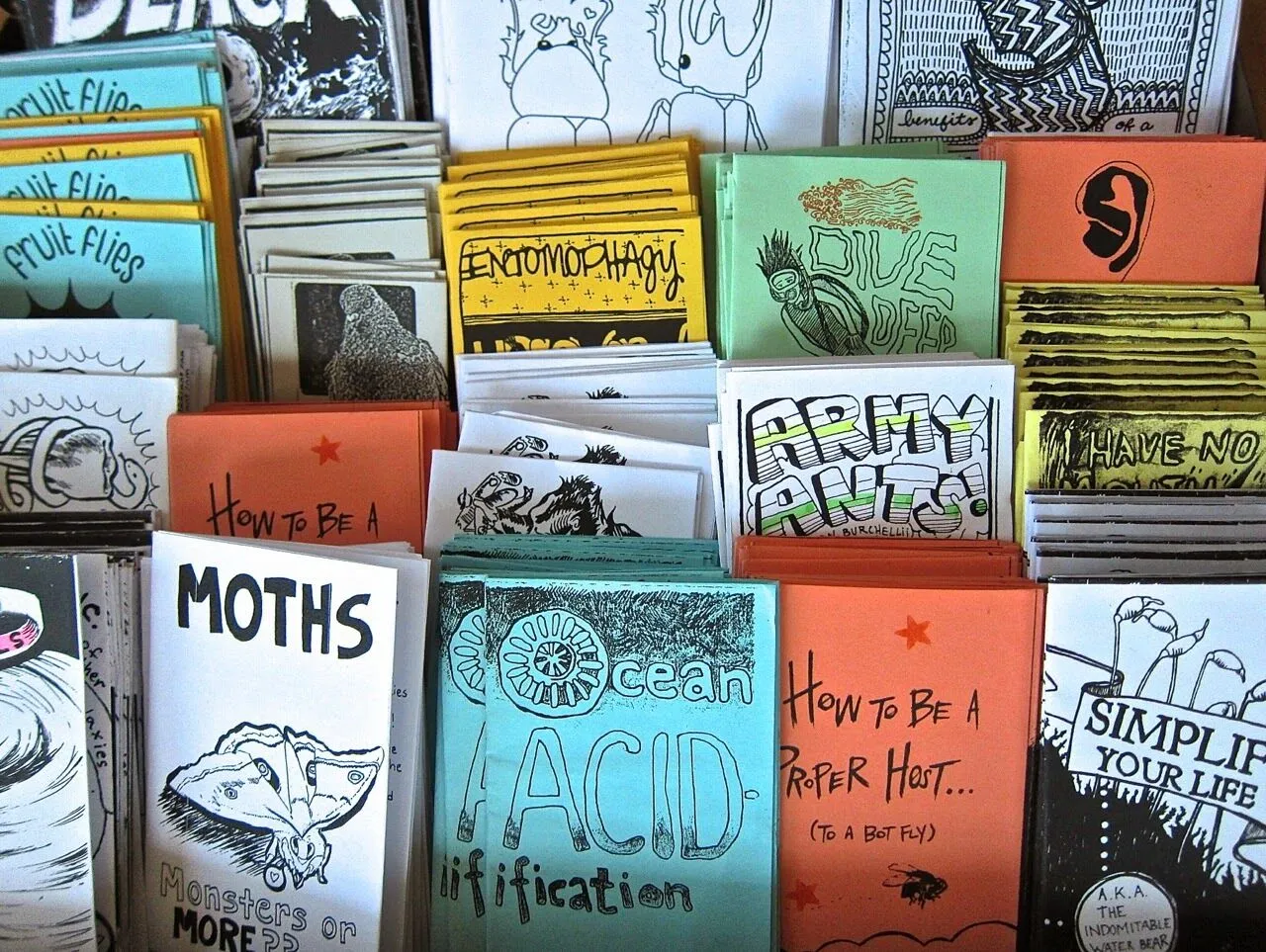
And when we talk about archiving, we have to think beyond the icons and household names. There is also value in preserving the more ephemeral parts of creative culture: the independent zine that ran for a handful of issues, the creative space that brought a community together for a season, the exhibition that existed for only a few weeks.
These form an important part of the creative ecosystem that future generations deserve to understand. They tell a fuller story of how creativity is lived and experienced in South Africa, while preserving the spaces where new ideas are tested and cultural shifts begin.`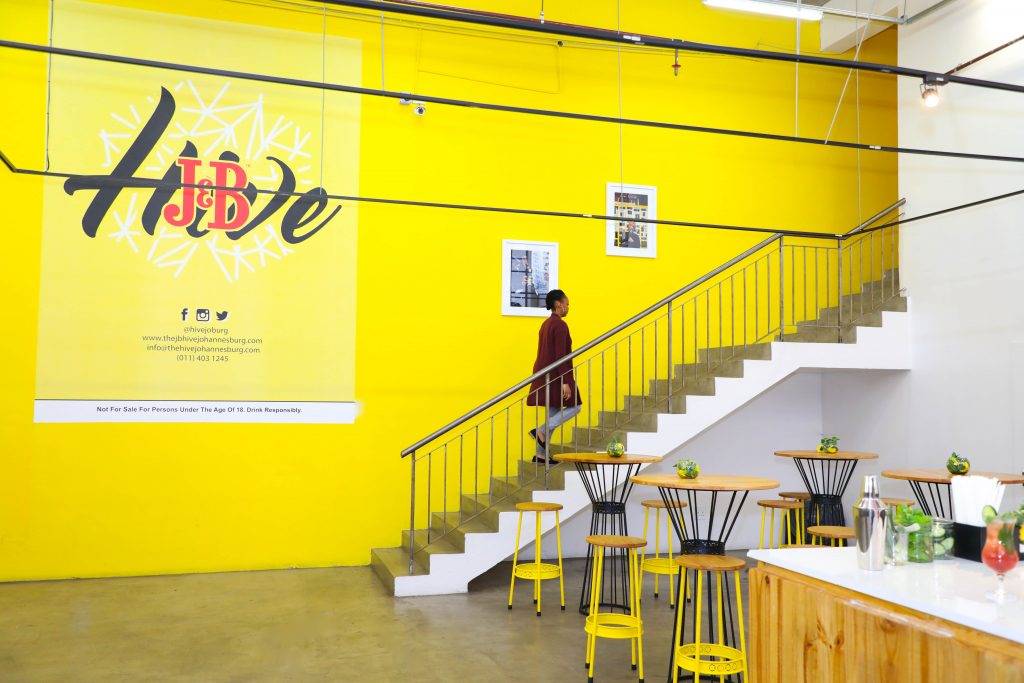
The Internet Is Not A Permanent Archive
Every time a site goes dark or a publication shutters without a proper handover, we lose a piece of the puzzle. We often treat the internet as a permanent archive, but much of what exists onlineis vulnerable to disappearing. If we don’t actively document independent scenes, community projects, and underground movements, important parts of our creative landscape can quietly vanish.
The question then becomes: how do we decide what deserves to be preserved? When archiving relies only on the systems and structures that already exist, there is a possibility that some stories receive more visibility than others. Building a more complete record means creating space for different voices, experiences, and creative movements to be documented alongside the names and moments that are already widely recognised.
So, who does this work belong to? I don’t believe it’s solely the job of the museum curator or the university archivist. It’s ours. It belongs to every creative, every independent writer, every photographer with a hard drive full of street portraits, and every community organizer.
We have to start valuing the documentation of our work as much as the work itself. We need to normalize the practice of archiving: saving the raw files, digitizing the flyers, recording the interviews, and making the conscious choice to ensure our stories survive the inevitable shifts of the industry.
We need to ask ourselves: are we building a legacy, or just filling a content gap? If we want our creative history to be more than a series of disconnected, fleeting trends, we have to become the keepers of our own flames. It starts with a shift in perspective. Recognizing that the conversation you’re having today, the movement you’re part of right now, is history in the making. And if you don’t document it, who will?