South Africa’s entrepreneurial landscape is once again in the global spotlight following the announcement of the finalists for the 2026 Veuve Clicquot Bold Woman Award.
Now in its fifth year locally, the award celebrates women who are building businesses that challenge convention, create lasting impact and redefine what leadership looks like. Inspired by the legacy of Madame Clicquot, who transformed the Veuve Clicquot champagne house after taking over the business at just 27 years old, the programme honours entrepreneurs whose ideas are changing industries and improving lives.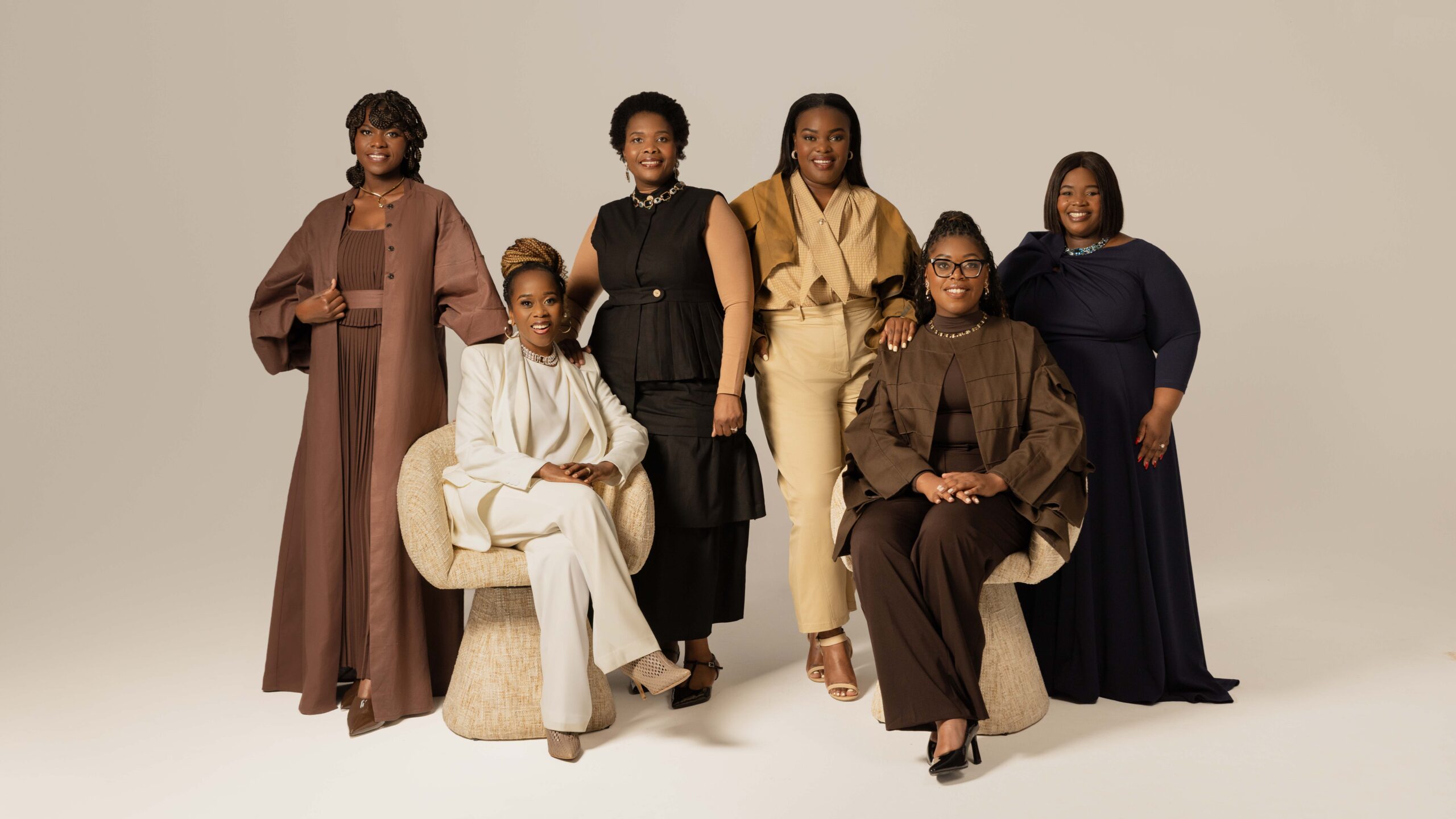
This year’s finalists span manufacturing, beauty, sustainability, transport, agriculture and education, reflecting the breadth of innovation emerging from South Africa’s business ecosystem.
The Bold Woman Award: Building businesses that create lasting change
The Bold Woman Award recognises entrepreneurs who have successfully led businesses for more than five years.
1. Lindiwe Nkuna-Kgopa
One of this year’s finalists is Lindiwe Nkuna-Kgopa, founder and CEO of Lindiwe Sanitary Pads. Her journey began after hearing someone remark that South Africa had never had a female president and that no woman had ever owned a sanitary pad factory at industrial scale. Rather than letting the comment pass, she decided to prove it wrong.
Today, Lindiwe Sanitary Pads operates Africa’s first large-scale sanitary pad manufacturing facility owned and run entirely by women. Producing around 800 SABS-compliant sanitary pads every minute from its Centurion factory, the company also supports women through white-label manufacturing, distributor partnerships and the National Sanitary Dignity Programme, reaching more than 100,000 schoolgirls with free sanitary products during 2026 alone.
Her entrepreneurial journey has also been marked by resilience. During one of the company’s most difficult periods, she secured more than R27 million in funding without collateral after personally presenting her vision to executives from ABSA and the Industrial Development Corporation.
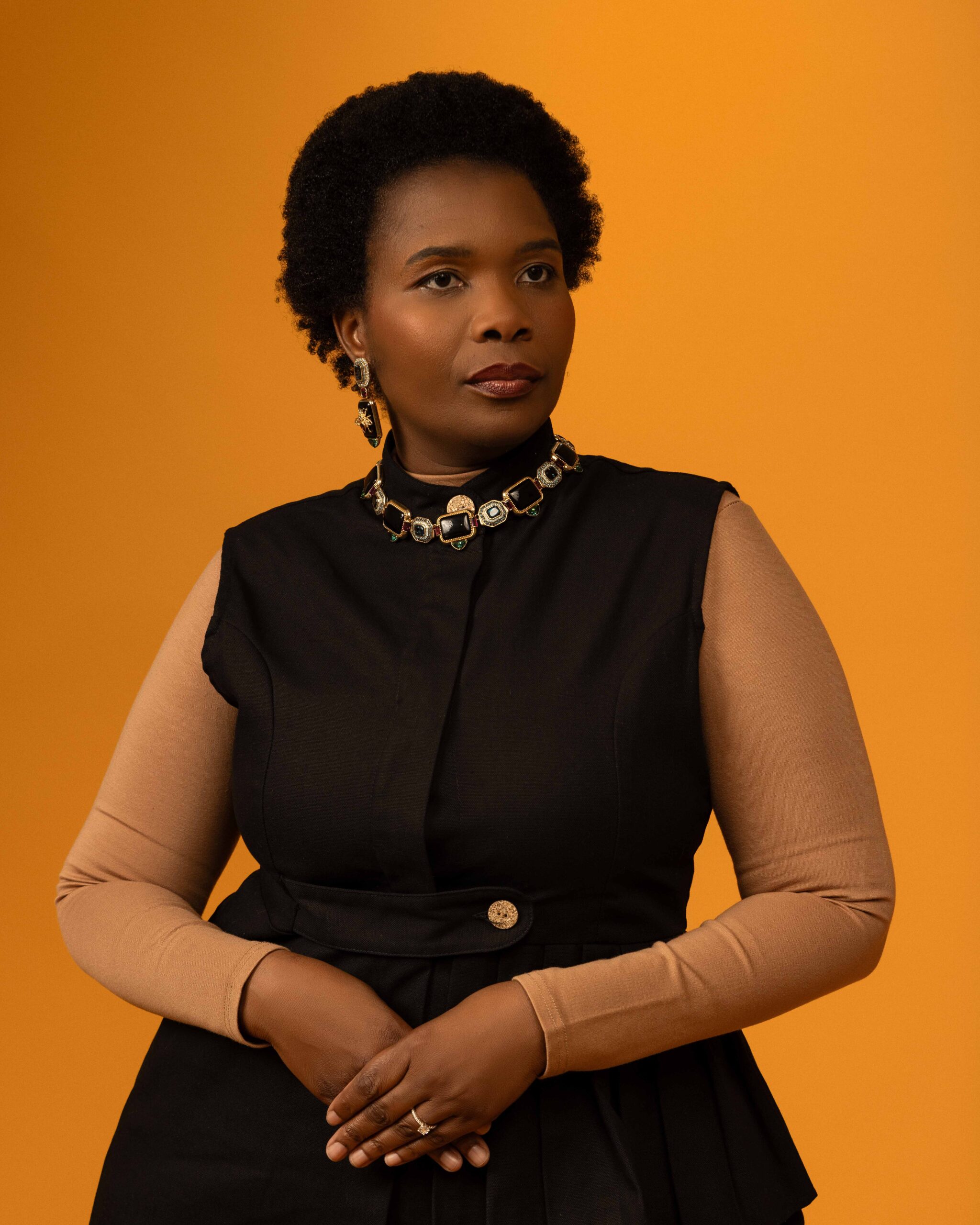
2. Sonto Pooe
Sonto Pooe, founder and CEO of Nativechild, transformed a childhood experience into one of South Africa’s best-known Black-owned beauty brands. After suffering severe hair damage from a salon treatment at the age of eight, she spent years searching for products that worked for textured hair before eventually creating her own.
What started with a single castor oil product mixed in her kitchen has grown into a nationally recognised hair and body care brand stocked by retailers including Clicks, Checkers, Pick n Pay, Dis-Chem and Shoprite, while expanding into markets across Africa and the United States. By leaving behind a stable corporate career, Pooe helped champion natural hair at a time when chemical relaxers dominated the beauty industry.
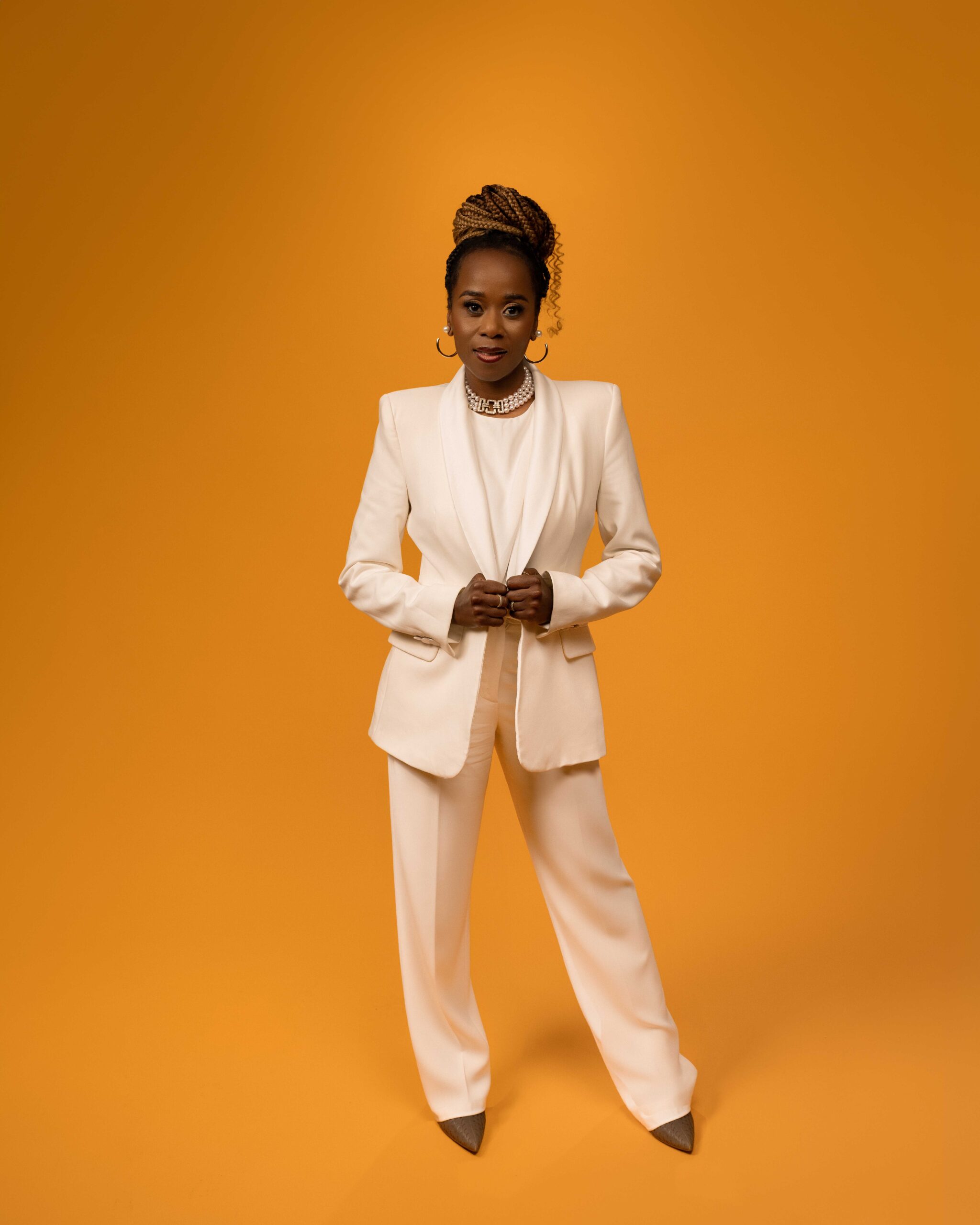
3. Xolile Mabuza
Joining them is Xolile Mabuza, founder and CEO of Tendalo Trading. After suffering a stroke shortly before university, Mabuza rebuilt both her life and career through creativity, transforming discarded rubber tubes into handcrafted accessories.
Today, Tendalo Trading diverts around 1.2 million rubber tubes from landfill every month while producing premium bags and accessories that combine sustainability with craftsmanship. Her work has attracted international recognition, including conversations with Prince William around the future of sustainable luxury fashion.
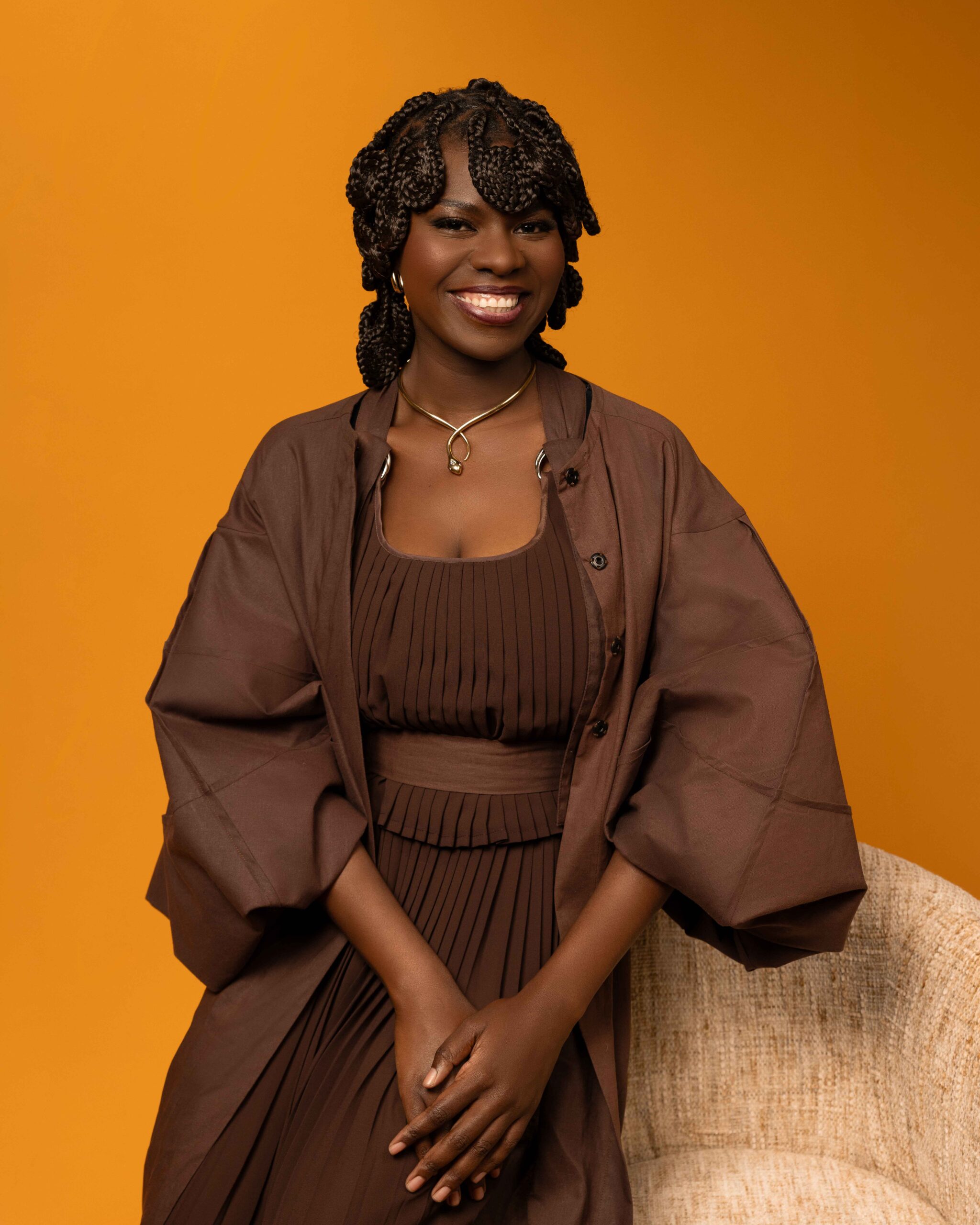
The Bold Future Award: A new generation of entrepreneurs
The Bold Future Award recognises businesses that are less than five years old but are already making a significant impact.
1. Maambele Khosa
For Maambele Khosa, founder and CEO of SheCab, the idea came during a period of increasing gender-based violence and kidnappings in South Africa. Asking herself how many other women felt unsafe travelling alone, she launched a women-led transport platform connecting female passengers with professional female drivers.
Founded in 2021 through WhatsApp bookings while Khosa maintained a full-time job, SheCab has grown into much more than a transport service. Every position within the business, from drivers to leadership, is held by women, creating both safer travel and new employment opportunities.
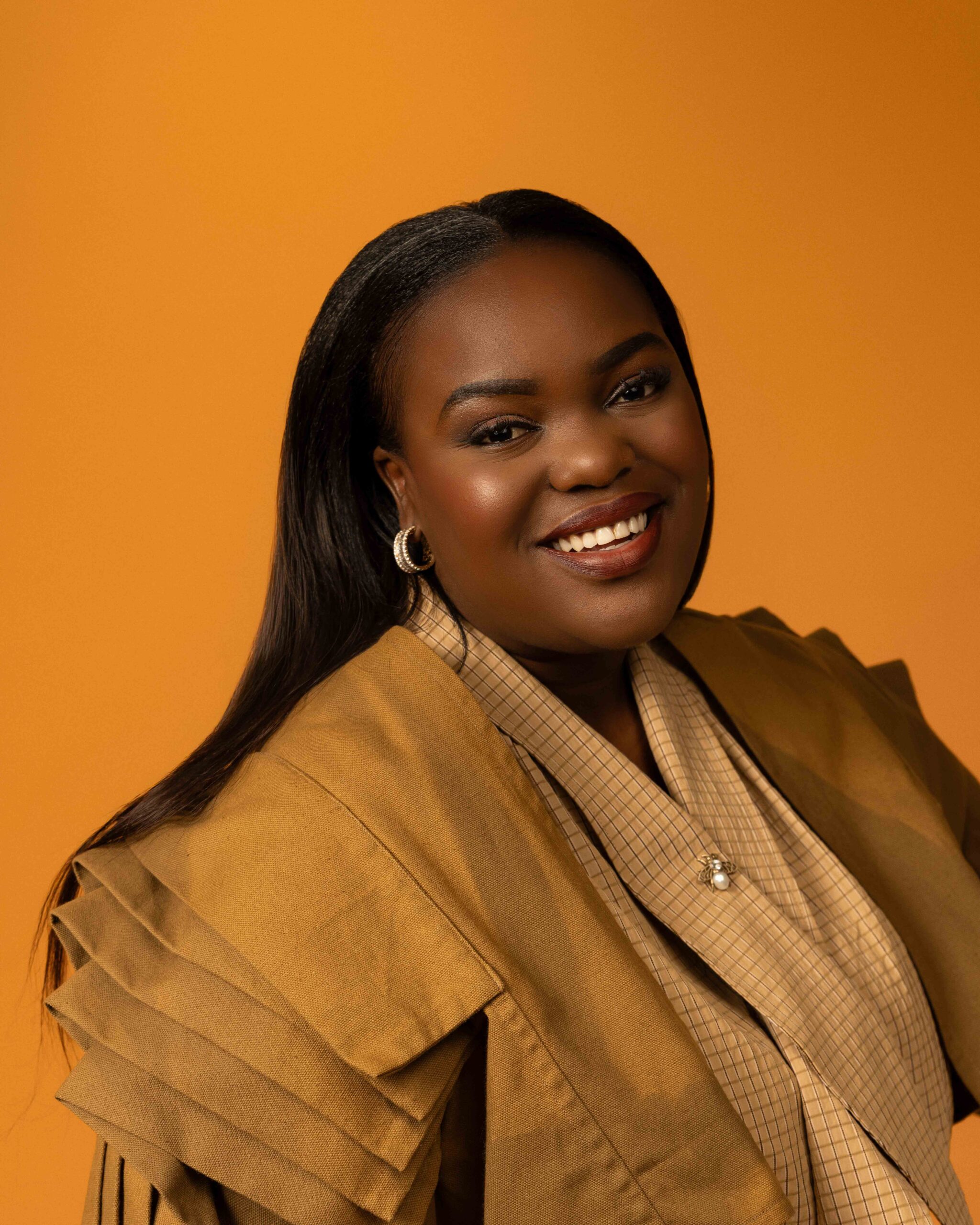
2. Pretty Kubyane
Pretty Kubyane, co-founder and Tech Lead of the eFama App, is helping transform African agriculture through technology. The platform connects farmers directly with buyers while using artificial intelligence and data to help producers make more informed decisions before planting crops.
Her journey has been shaped by determination. After investors questioned whether someone without a formal engineering degree could lead a technology company, Kubyane earned more than 40 global certifications in coding, cloud architecture, cybersecurity and AI. Today, eFama has received backing from global technology companies including Google and Meta.
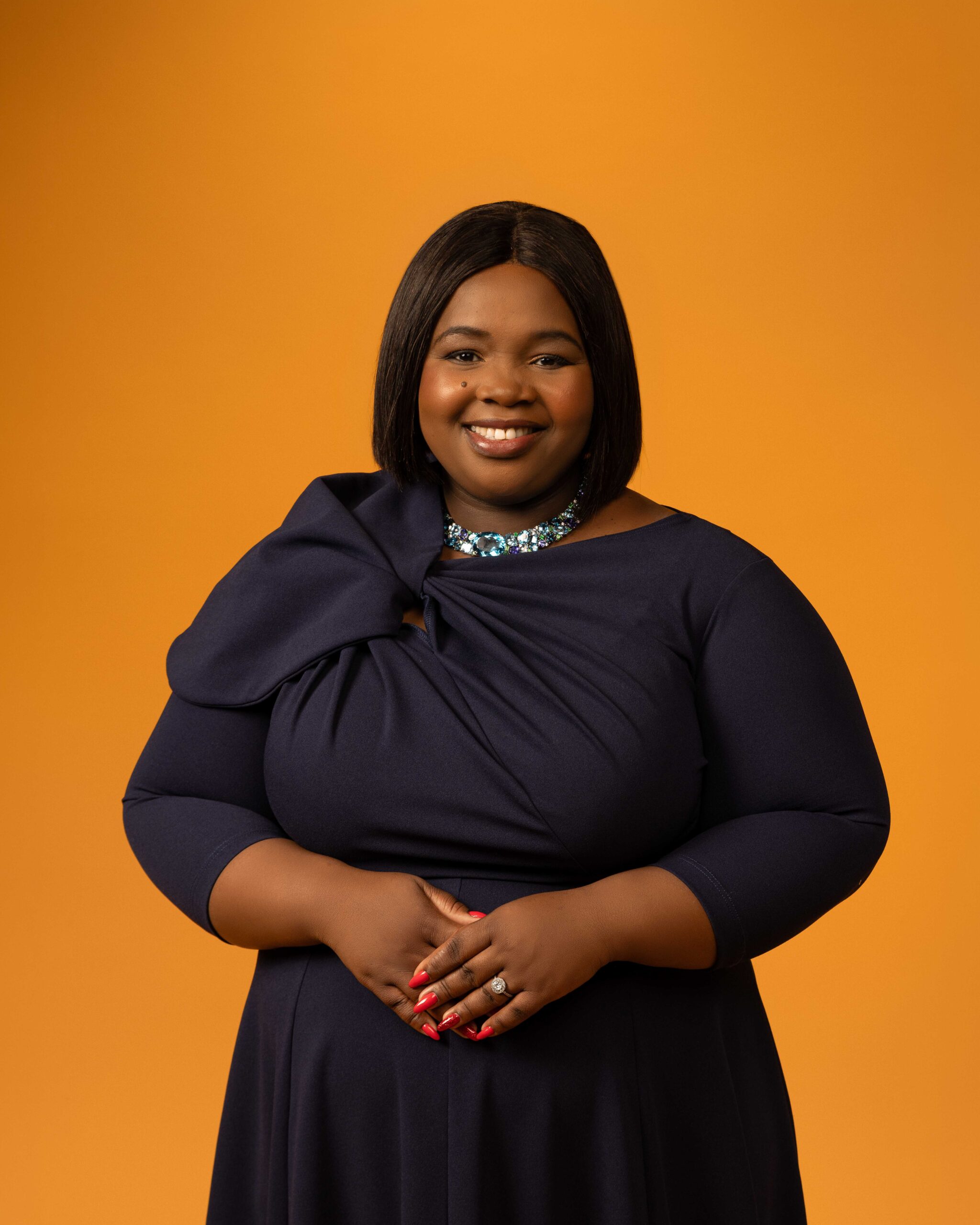
3. Tshaamano Mabuba
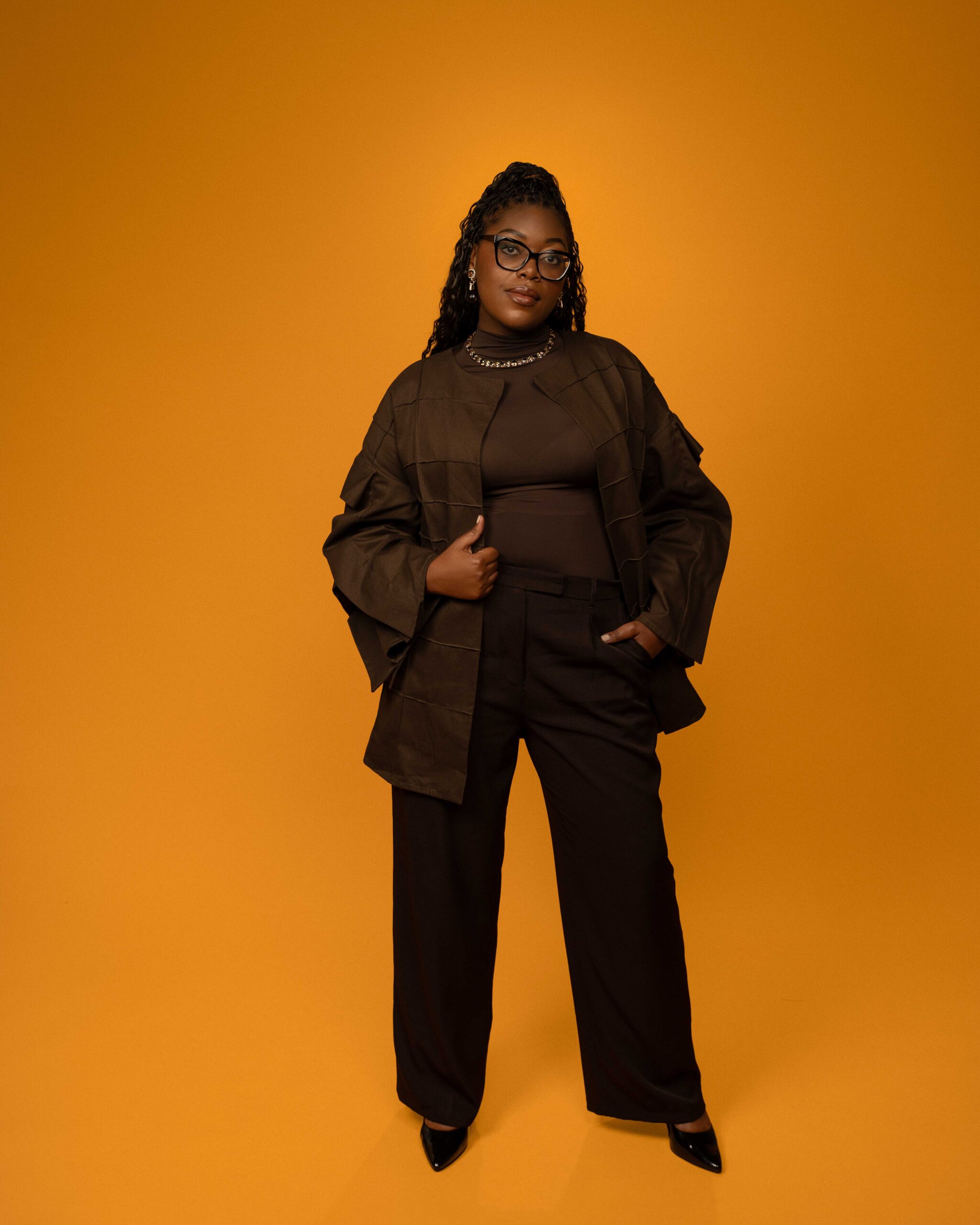
At just 22 years old, Tshaamano Mabuba has already built an education platform that has supported more than 10,000 families while creating income opportunities for tutors across Southern Africa. Buddy Learning’s flagship platform, BuddyAI, is Africa’s first multilingual AI tutor built directly into WhatsApp, making educational support accessible even in low-data environments.
Mabuba’s journey was deeply personal. While studying, she used income earned through tutoring to pay for her own medical treatment and eventually surgery before channeling those experiences into building a platform designed to help learners facing educational barriers.
Celebrating bold leadership
Although each finalist works in a different sector, they share a common belief that business can be a powerful tool for solving real problems.
Whether addressing period poverty, sustainable manufacturing, women’s safety, agricultural innovation or educational access, these entrepreneurs have built companies that extend beyond commercial success to create meaningful social impact.
The winners of the 2026 Veuve Clicquot Bold Woman Award and Bold Future Award will be announced on 15 July 2026, with both joining the global Bold by Veuve Clicquot network.
This year’s finalists serve as a reminder that some of South Africa’s most exciting innovation is being driven by entrepreneurs who are willing to challenge convention, take risks and create opportunities for others along the way.