Ask someone what career they want in the creative industry and you’ll probably hear the same answers: director, photographer, designer, actor, musician or creative director. Those roles deserve the spotlight, but they’re only part of the story.
Every film, commercial, television series, fashion campaign and music video relies on a network of specialists whose work often goes unnoticed by audiences. While they may not become household names, they’re the people solving problems, maintaining quality and turning ambitious ideas into finished productions.
For emerging creatives, understanding these roles can also open career paths that are just as rewarding, collaborative and creatively fulfilling.
Script Supervisor: The Production’s Memory
Continuity is one of those things audiences only notice when it’s wrong.
A script supervisor is responsible for tracking everything from dialogue and actor movements to props, costumes and camera positions across multiple takes and shooting days. They ensure every scene connects seamlessly in the final edit, making them one of the most important people on set.

Colourist: The Final Look
Long after filming wraps, colourists help define how a story feels.
They balance colour, exposure and contrast while creating a consistent visual style across an entire production. Whether it’s the warm tones of a lifestyle campaign or the gritty atmosphere of a thriller, colour grading influences emotion as much as cinematography itself.

Art Director: Building the Visual Language
Every memorable production has a visual identity.
Art directors help develop that identity by overseeing the creative direction of sets, props, graphics and design elements. Working closely with production designers, photographers or creative directors, they help ensure every visual detail supports the story being told.

Casting Director: Finding the Right Fit
Great performances often begin long before the cameras start rolling.
Casting directors identify, audition and recommend the talent that best serves a project. Their understanding of character, chemistry and storytelling can shape the success of an entire production.

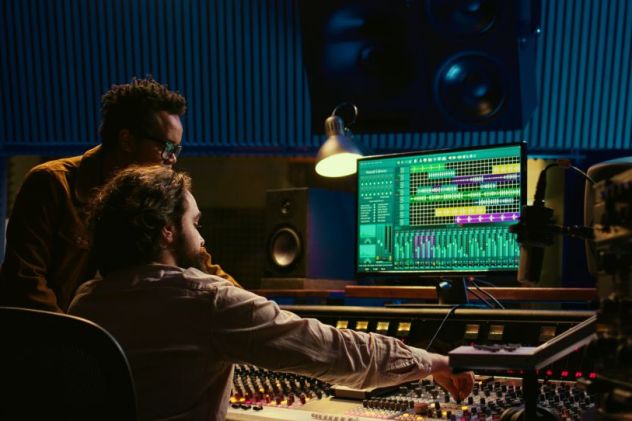
Sound Designer: Creating What We Feel
Audiences often remember what they hear without realising why.
Sound designers build immersive worlds using dialogue, ambience, effects and texture. From subtle environmental sounds to dramatic cinematic moments, their work shapes emotion, tension and realism throughout a production.
Gaffer: Painting with Light
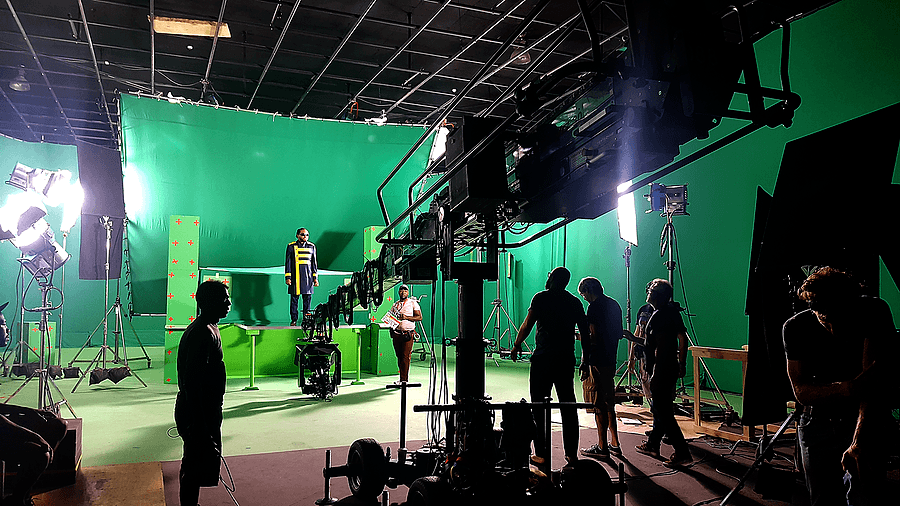
Lighting does far more than help audiences see what’s happening.
The gaffer leads the lighting department, translating creative ideas into practical lighting setups that establish mood, guide attention and support the cinematographer’s vision. Every shadow, highlight and atmosphere owes something to their expertise.

Production Designer: Creating Entire Worlds
Before actors step onto a set, someone has already imagined the world they’ll inhabit.
Production designers oversee the overall visual environment of a project, from architecture and interiors to colour palettes and spatial design. Their work creates believable worlds that support every scene.
DIT: Protecting the Production
As filmmaking has become increasingly digital, new specialist roles have emerged.
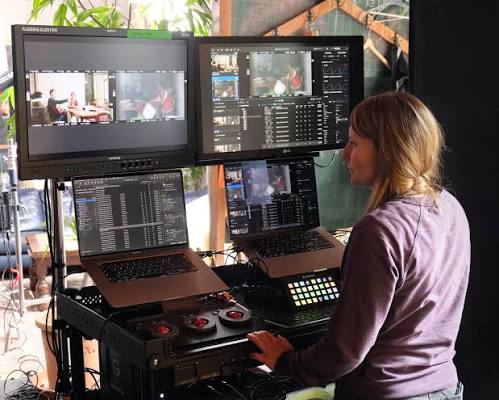
A Digital Imaging Technician (DIT) manages camera data, monitors image quality and ensures footage is safely backed up throughout production. Beyond protecting valuable material, they help maintain technical consistency between the camera and post-production.
More Than a Name in the Credits
Behind every production is a team of specialists whose expertise allows creativity to thrive. While audiences often celebrate the faces on screen or the names attached to a project, the industry is sustained by hundreds of professionals working behind the scenes.
For aspiring creatives, that’s an important reminder.
A career in the creative industry doesn’t have to begin with a director’s chair or a lead role. It can begin in a grading suite, on a lighting rig, behind a continuity log or inside a production office. These careers demand technical skill, creative thinking and collaboration, and they’re every bit as essential to the finished work.
The next time the credits roll, let them roll. You might just discover a career you never knew existed.