Lauryn Hill has spent years being understood primarily through her music. Diaspora Calling! asks us to look at another part of her creative practice: her ability to build a world around the work.
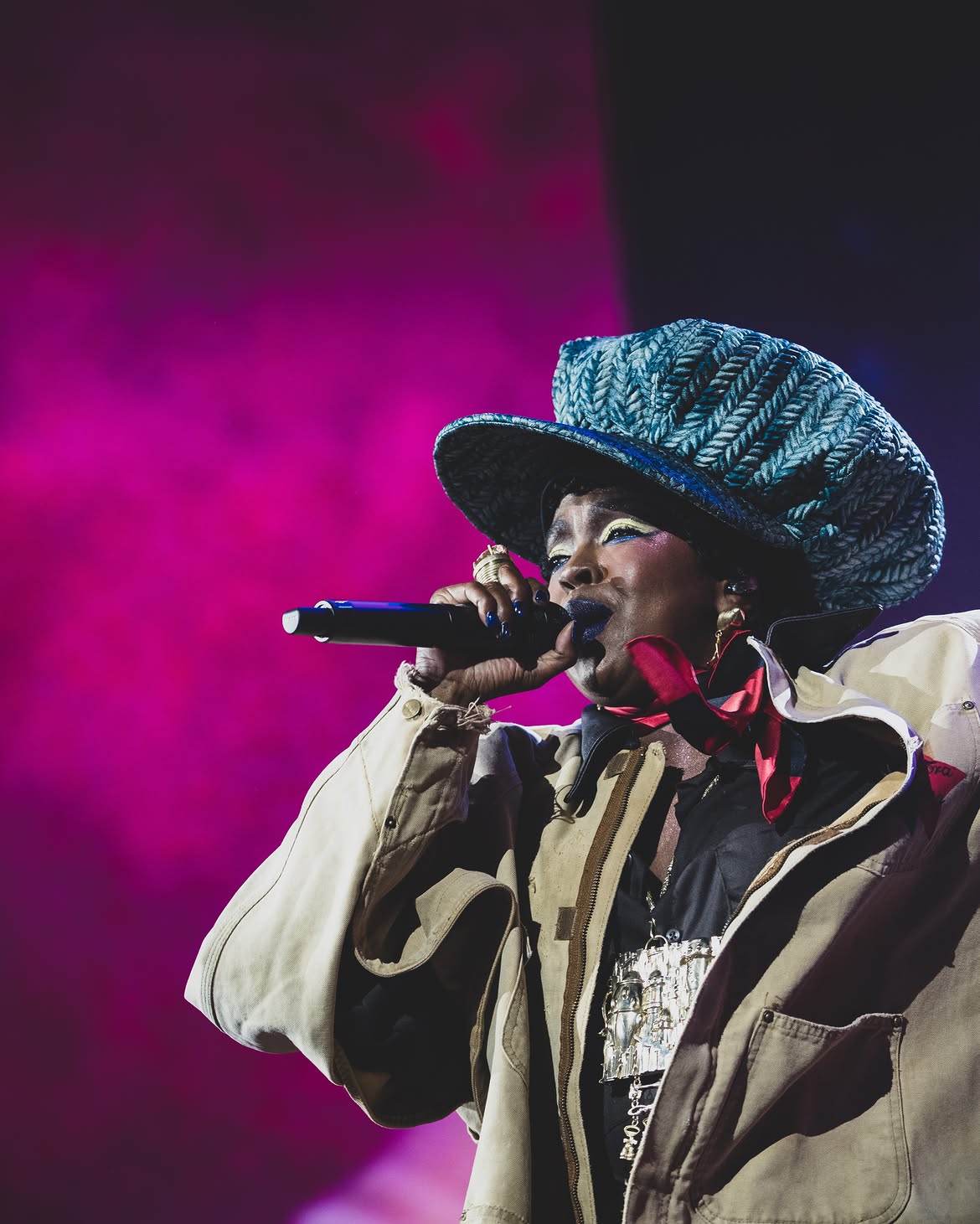
First launched in Brooklyn in 2016, Diaspora Calling! was conceived as a multidisciplinary celebration of artists and ideas across the African diaspora. The inaugural edition transformed the historic Kings Theatre into a three-day cultural programme, bringing together music, visual art and artists from Africa, the Caribbean and the wider diaspora. TIDAL described it at the time as a series designed to illuminate the connections between artists working independently but contributing to a collective diasporic voice.
Ten years later, Hill brought the platform back to the UK. On 7 August 2026, Diaspora Calling! took over Milton Keynes National Bowl, bringing together music, art, community and culture on a considerably larger scale. The programme featured artists including Erykah Badu, Wyclef Jean, YG Marley, Zion Marley, Giggs and Fireboy DML, with Hill at the centre as both performer and curator.
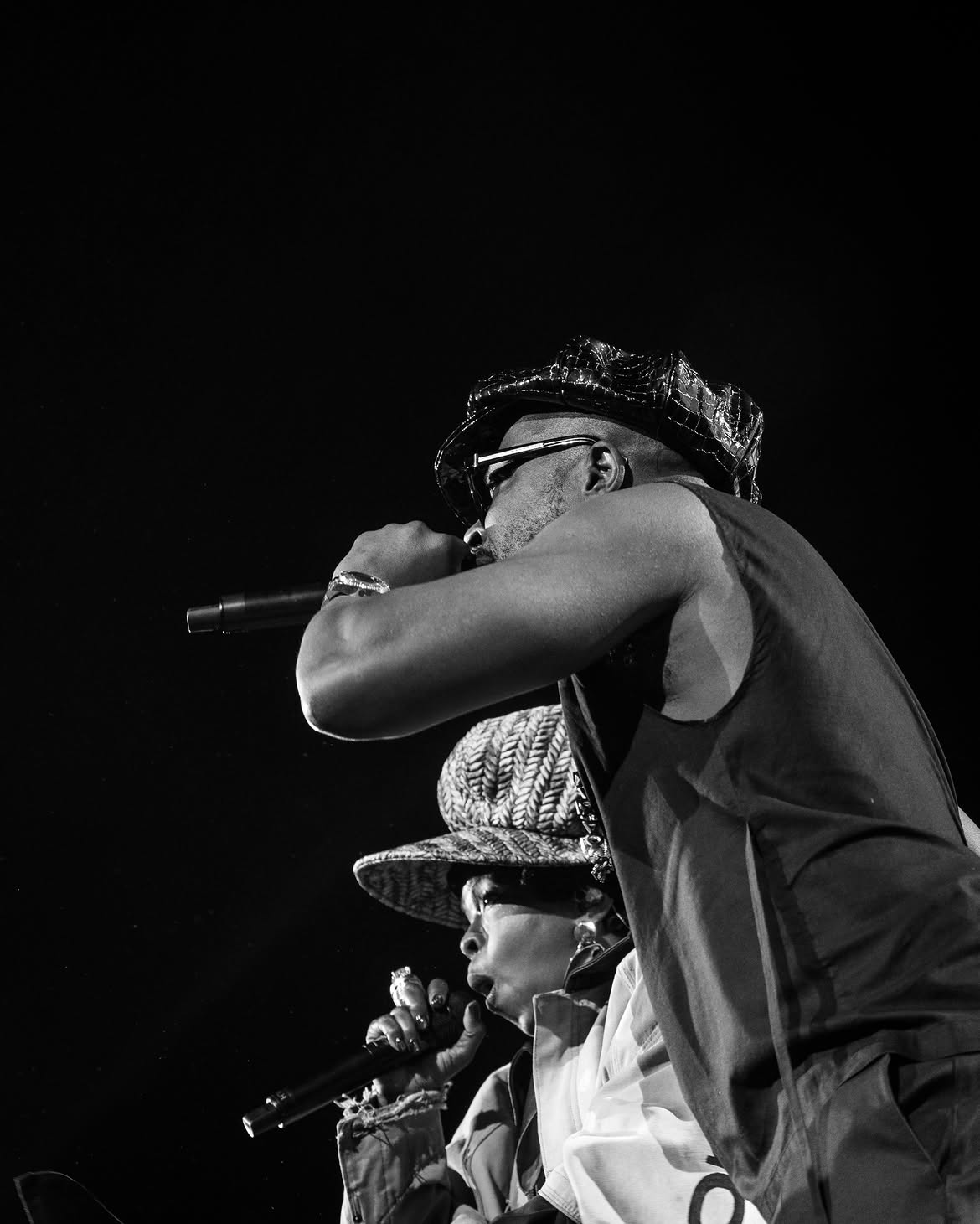
The scale had changed. The central idea had not.
And that is where the interesting lessons for South African creatives begin.
1. The work can be bigger than the thing you make
One of the most useful ideas embedded in Diaspora Calling! is that a creative person does not have to remain confined to the output of their primary discipline.
Ms. Lauryn Hill is a musician, but Diaspora Calling! is not simply an extension of a concert. It creates a framework in which musicians, visual artists, designers, brands, filmmakers, food businesses and communities can exist alongside one another.
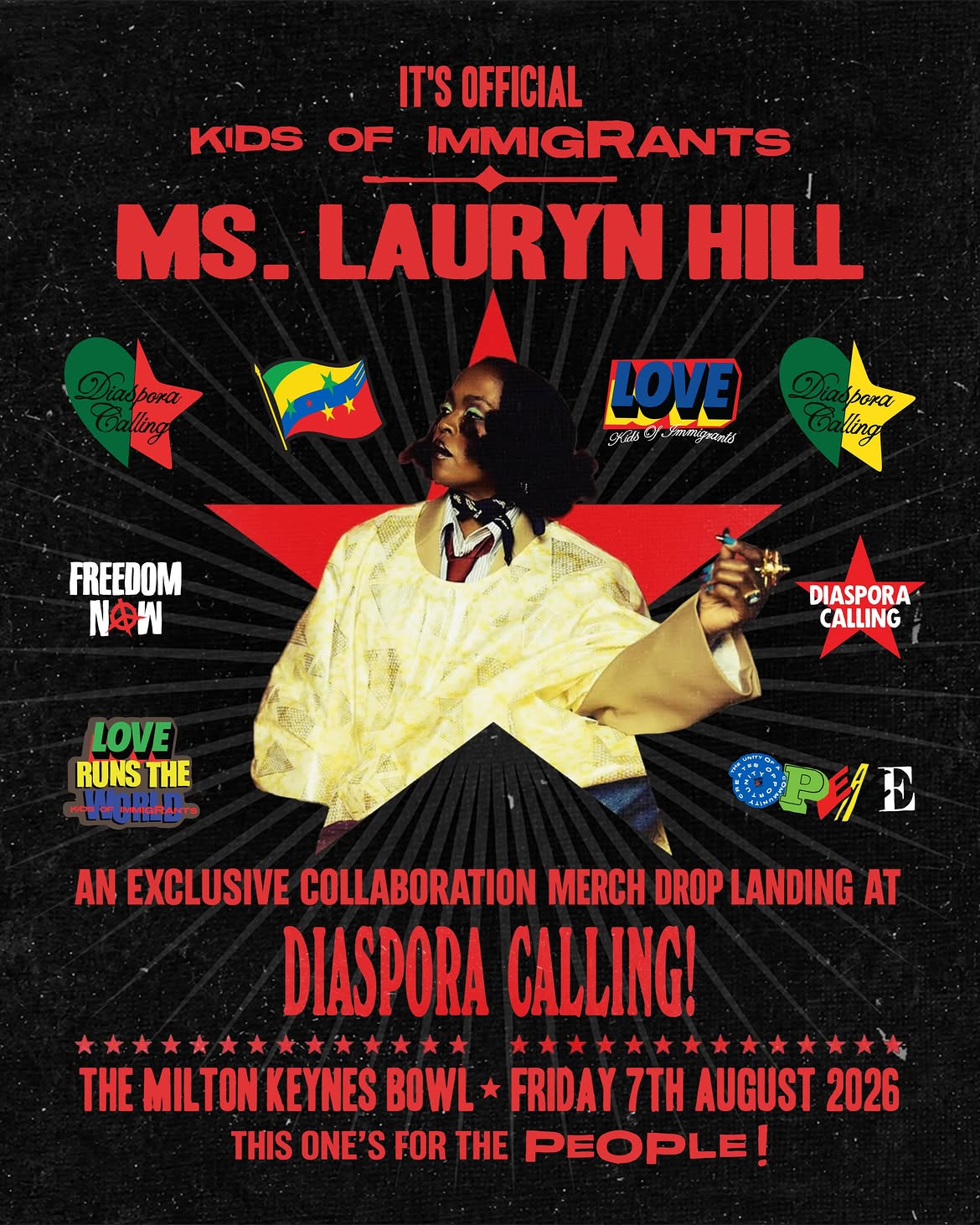
Hill herself described the goal as extending beyond musicians to include “visual artists, designers, brands, community organizers” and other people contributing something meaningful to the culture.
That distinction is important.
A creative career does not necessarily have to be built entirely around producing more individual pieces of work. Sometimes the more valuable move is creating the space in which other work can happen.
South Africa already has examples of this kind of thinking. Bubblegum Club began in 2015 as a cultural intelligence agency before expanding into digital publishing and eventually establishing a physical studio, gallery and residency space at Constitution Hill. Its evolution shows how a creative practice can grow from making content into building an ecosystem around culture.
The lesson is not that every photographer should start a magazine or every musician should launch a festival.
It is that platform-building is also creative work.
2. Cultural specificity does not have to make the work smaller
There is a familiar pressure placed on African creatives to make their work legible to an international audience.
Sometimes that means stripping away the references that make the work interesting in the first place.
Diaspora Calling! takes the opposite approach.
Its entire premise is rooted in the idea that the histories, experiences and creative languages of the African diaspora are worth putting at the centre. The 2016 edition deliberately brought together artists from different parts of Africa and the Caribbean, while the 2026 edition placed artists from Nigeria, Jamaica, the UK, the United States and elsewhere within the same cultural conversation.
Hill has also spoken about the festival as a way of honouring cultural inheritance without treating culture as something frozen in time.
That distinction is particularly relevant in South Africa, where cultural specificity is often treated as either a branding device or something that needs to be translated for international consumption.
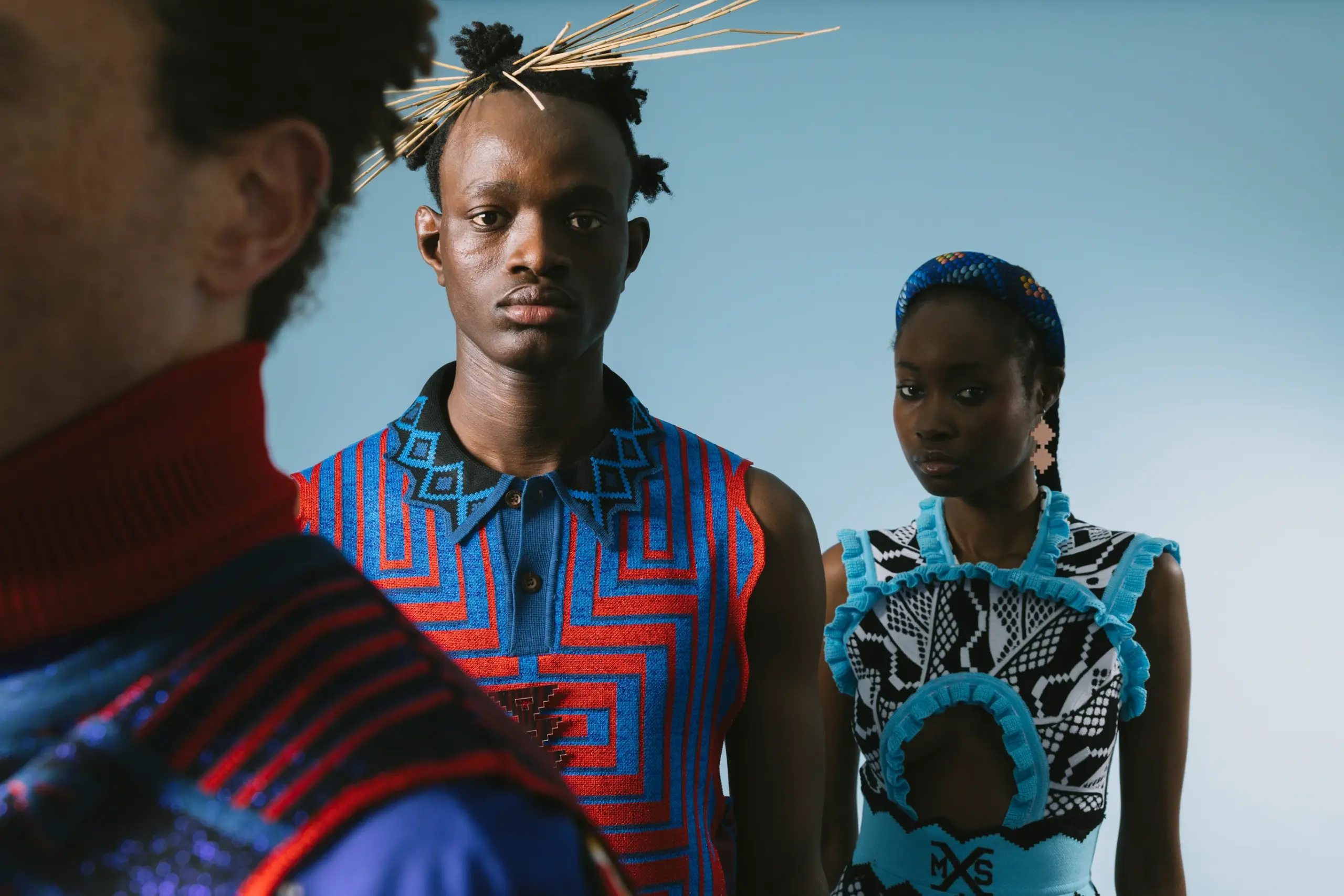
Look at Laduma Ngxokolo’s MaXhosa Africa. The brand has built its identity around South African cultural references while pursuing an international luxury audience. In 2026, its Paris Fashion Week presentation expanded its visual language across several South African cultures while remaining firmly rooted in Ngxokolo’s broader interest in African cultural identity.
Thebe Magugu offers another version of the same principle. His collections consistently draw from South African history, culture and politics, using fashion as a vehicle for storytelling rather than treating cultural references as decoration.
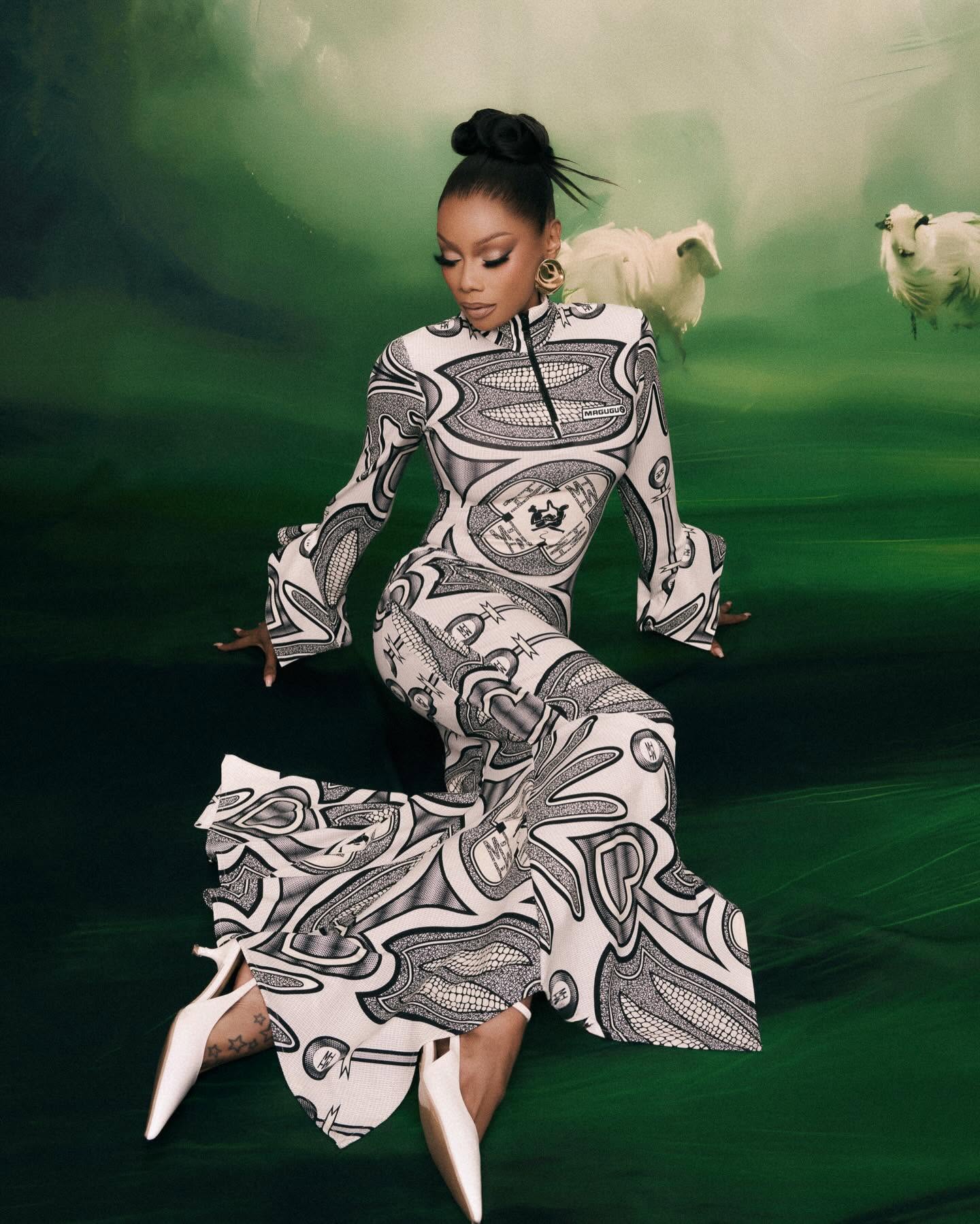
The takeaway is fairly simple:
Specificity can be a creative advantage.
You do not necessarily become more globally relevant by sanding down everything that makes your work local.
3. Curation is creative direction
There is a tendency to think of creative direction primarily in terms of how something looks. Diaspora Calling! demonstrates another side of the job: deciding what belongs in the room together.
The festival’s programming creates relationships between generations, countries and disciplines. Legacy artists appear alongside younger artists. Music sits alongside visual art. Designers and independent businesses become part of the same ecosystem.
That is curation. And curation is a form of authorship.
Hill does not need to personally make every piece of work presented at Diaspora Calling! for the overall experience to carry her creative point of view. Her role is partly about identifying connections between people and ideas that may not otherwise occupy the same space.
This is something South African creatives can take seriously, particularly as the local creative economy becomes increasingly collaborative.
A creative director, editor, producer or cultural organiser can shape culture by deciding who gets brought together, which stories sit beside one another and what kind of conversation emerges from that collision.
Sometimes the creative contribution is the connection itself.
4. Build relationships, not just audiences
The word “audience” can make creative communities sound transactional. There is a creator on one side. There are consumers on the other. Numbers sit between them.
Diaspora Calling! is built around a different model.
Hill has spoken about wanting the platform to create lasting relationships and opportunities for artists, businesses and communities to build together. That is a meaningful distinction for a creative economy like South Africa’s.
An audience follows your work. A community can help sustain it. A network can create opportunities that would not exist otherwise.
Bubblegum Club’s work offers a local example of this thinking. Its Constitution Hill residency was explicitly positioned around creating opportunities for emerging artists to make and sell work while experimenting with alternatives to the traditional gallery system.
The strongest creative platforms are therefore not necessarily the ones with the biggest follower counts. They are the ones that create reasons for people to keep returning, collaborating and participating.
5. Think beyond the event
Perhaps the most interesting part of Diaspora Calling!’s decade-long story is its patience.
The first festival happened in 2016. The next major edition arrived in 2026.
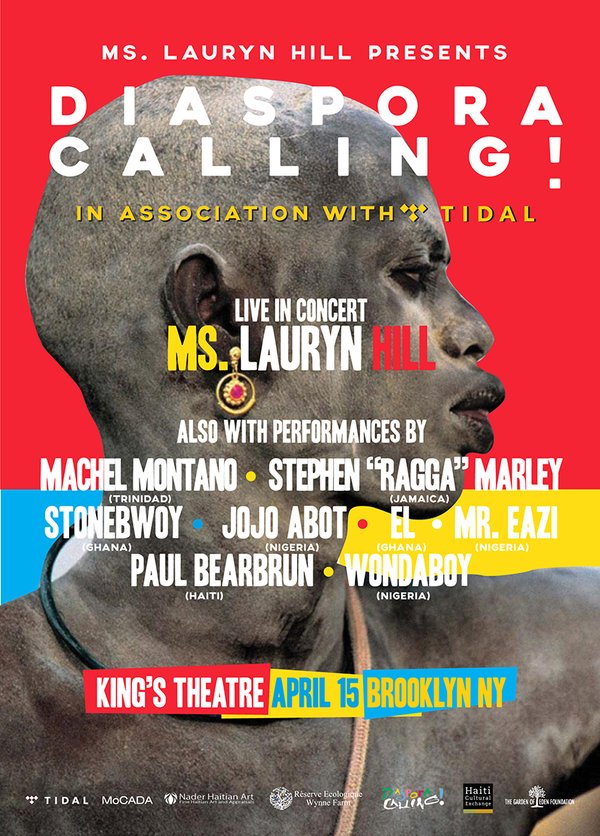
That is a very different approach to cultural programming than the constant churn of launches, campaigns and one-off events that dominates much of the creative industry.
The platform had time to become an idea rather than simply an annual property.
Its return also shows that a creative concept can evolve without abandoning its original purpose. The Brooklyn edition was built around a theatre, a gallery and a livestream. The 2026 edition expanded into a major outdoor festival while retaining the same central interest in connecting the African diaspora through culture.
That kind of longevity requires thinking beyond the immediate moment.
What happens to the idea after the launch?
Who else can build with it?
What does it become five years from now?
What infrastructure does it leave behind?
Those are creative questions too.
South Africa does not need to copy Diaspora Calling!
The point is not that South African creatives should start recreating Lauryn Hill’s festival. We have enough copy-and-paste culture already. The more useful question is what the model reveals about creative ownership.
Diaspora Calling! is interesting because it places Hill in a position that extends beyond being the person on stage. She is also thinking about the platform, the relationships, the programme and the cultural conversation surrounding the work.
That opens up a bigger possibility for South African creatives. A musician can become a curator. A designer can become an archivist. A filmmaker can build a screening platform. A publication can become a cultural institution. A creative studio can create opportunities for other creatives.
The boundaries between disciplines are already becoming increasingly porous. The opportunity now is to think about what can be built between them.
South Africa has no shortage of people making interesting work.
The more ambitious question is what happens when those people begin building the platforms, networks and cultural spaces that allow the work to exist on their own terms.
Diaspora Calling! is a reminder that sometimes the most significant creative work is not the work you put on the stage.
It is the stage you decide to build.