When Rick Treweek set out to build Uncanny Alley during South Africa’s first COVID-19 lockdown, he wasn’t looking to create an Emmy-winning immersive theatre production.
He was asking himself a question we’ve all pondered in the wake of a global pandemic: how can people connect while being forced to stay away from each other? The answer he came up with was a cyberpunk-inspired virtual universe that drew on his passion for characters, storytelling and technology.
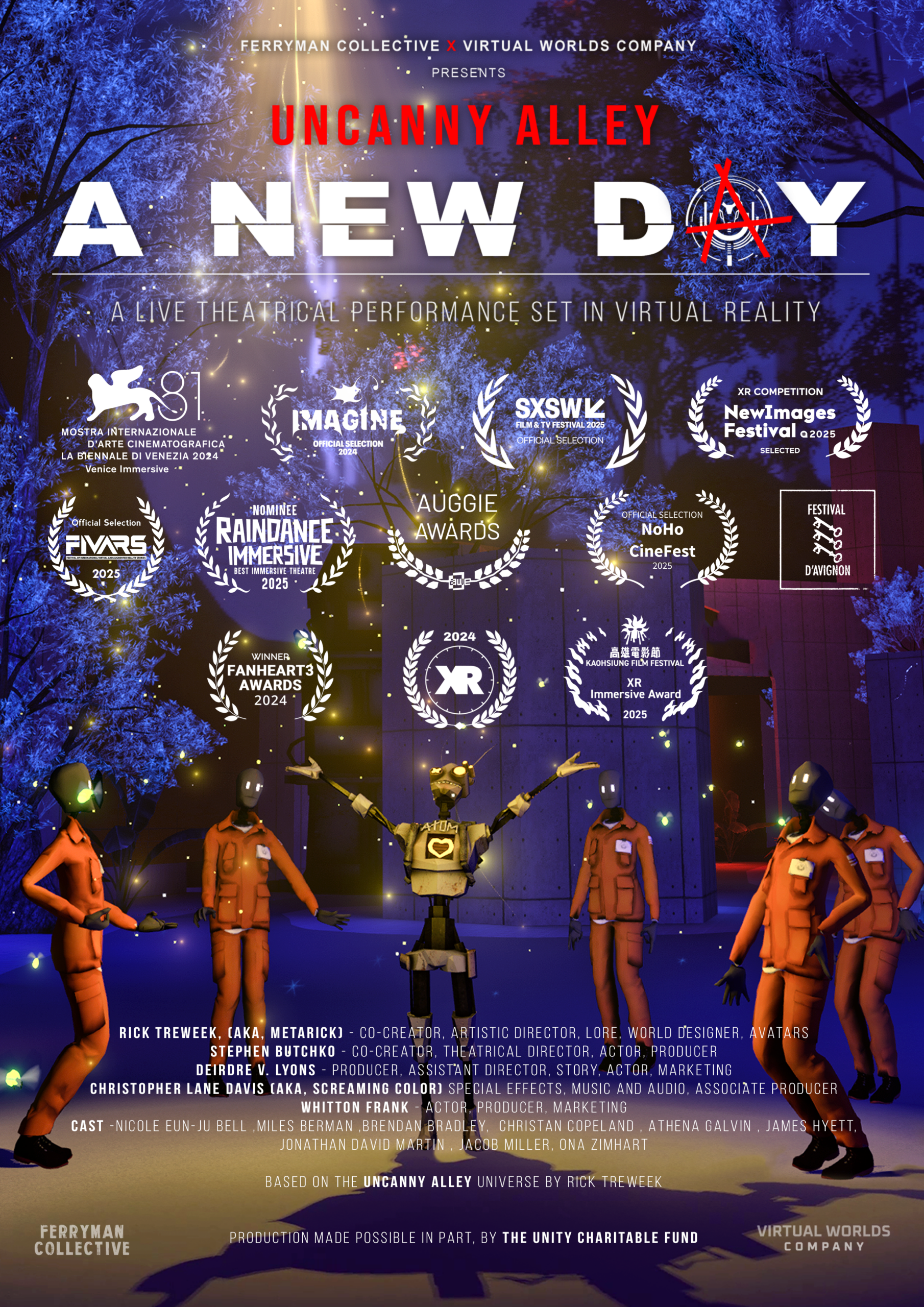
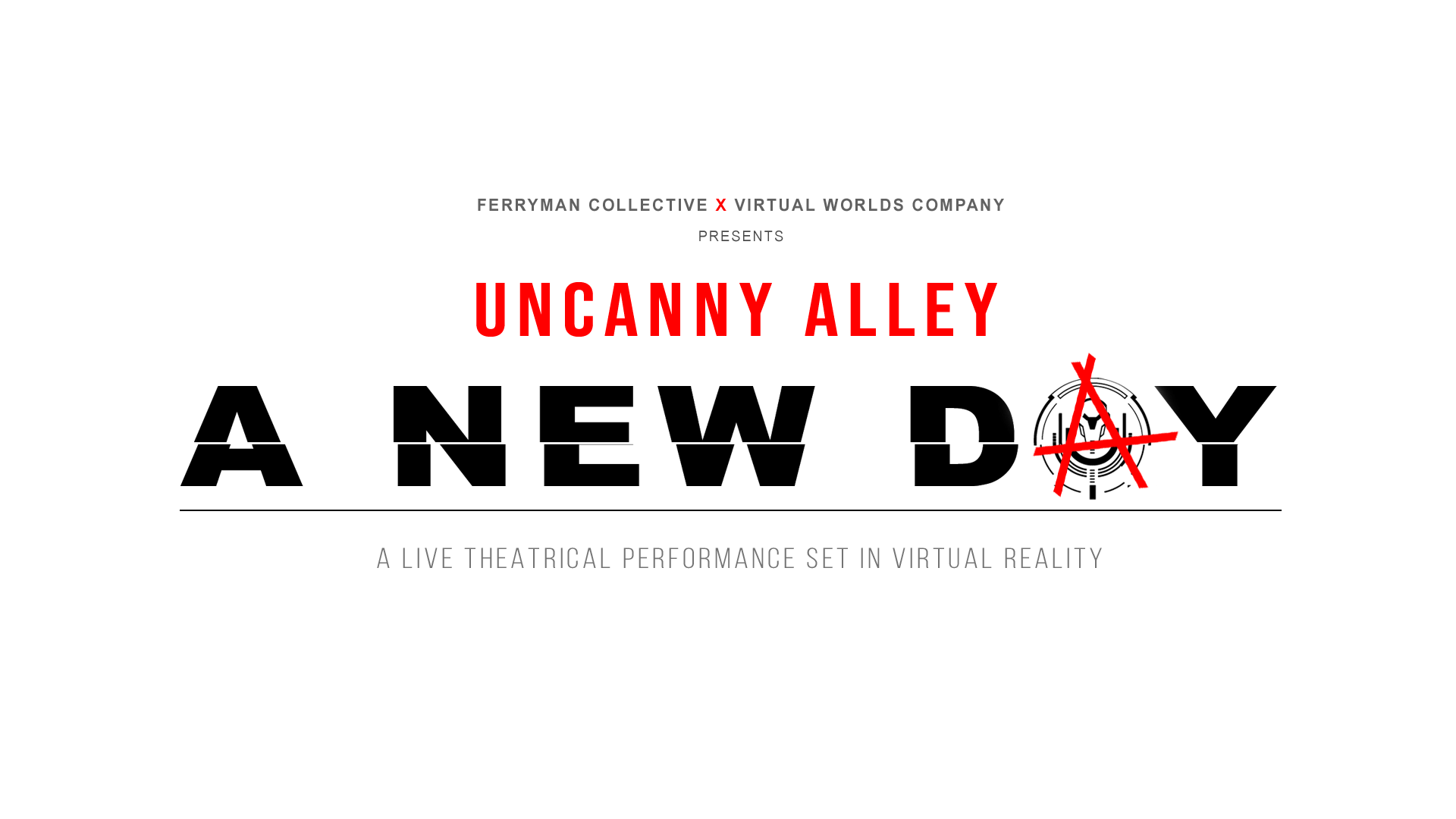
What started as a space to hang out with friends eventually grew into Uncanny Alley: A New Day , an immersive theatre experience created by Treweek and the Los Angeles-based Ferryman Collective.
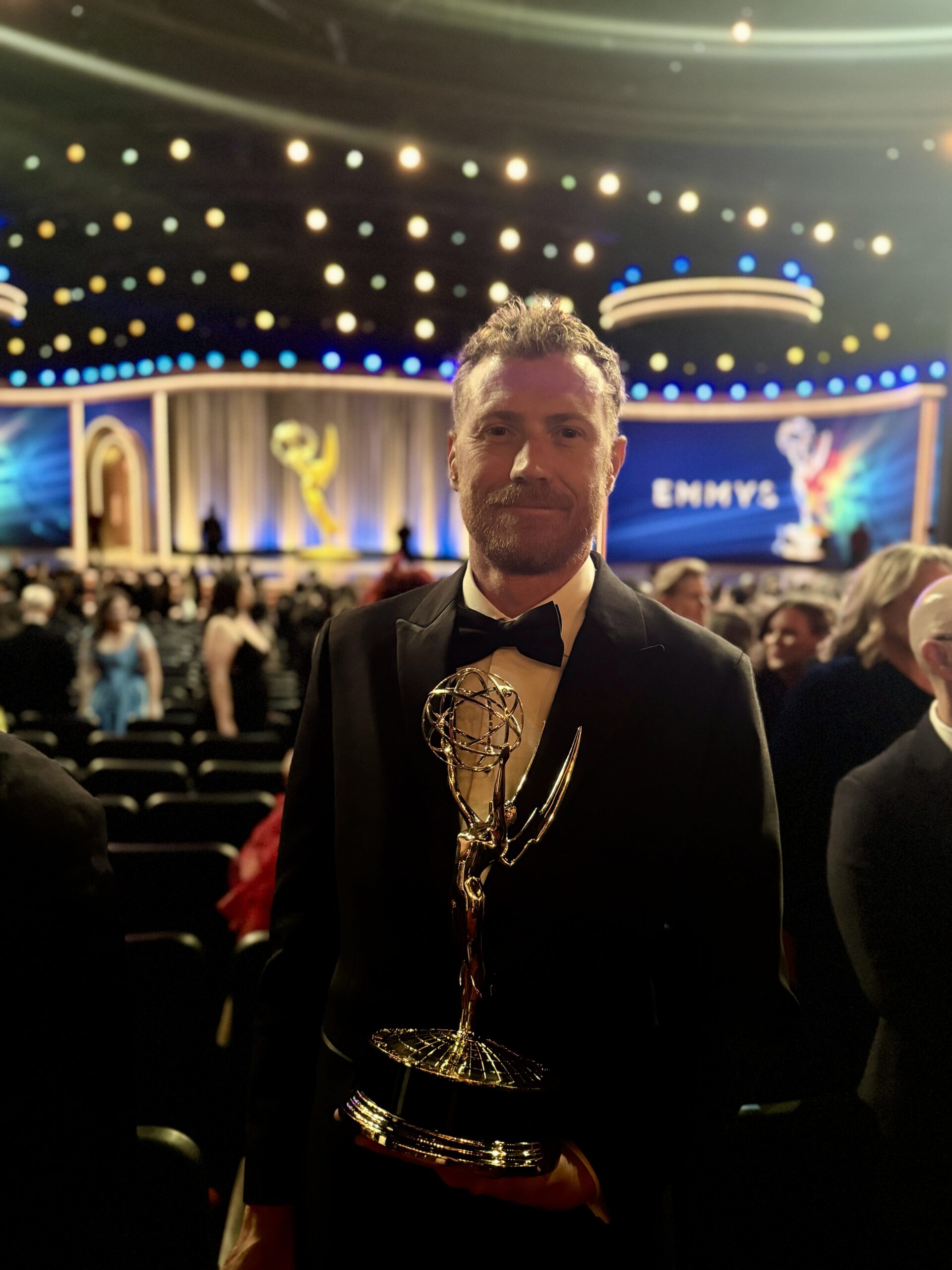
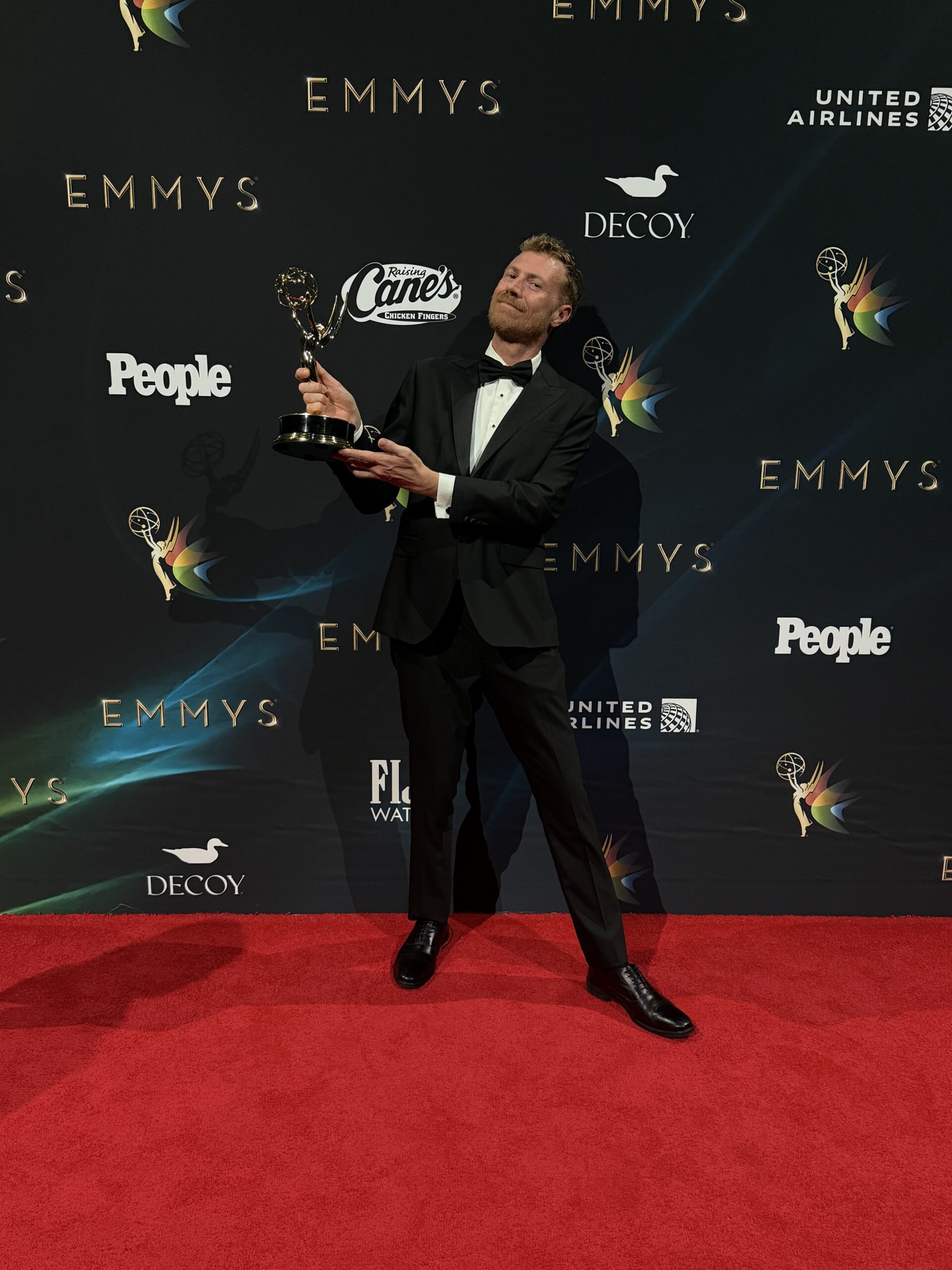
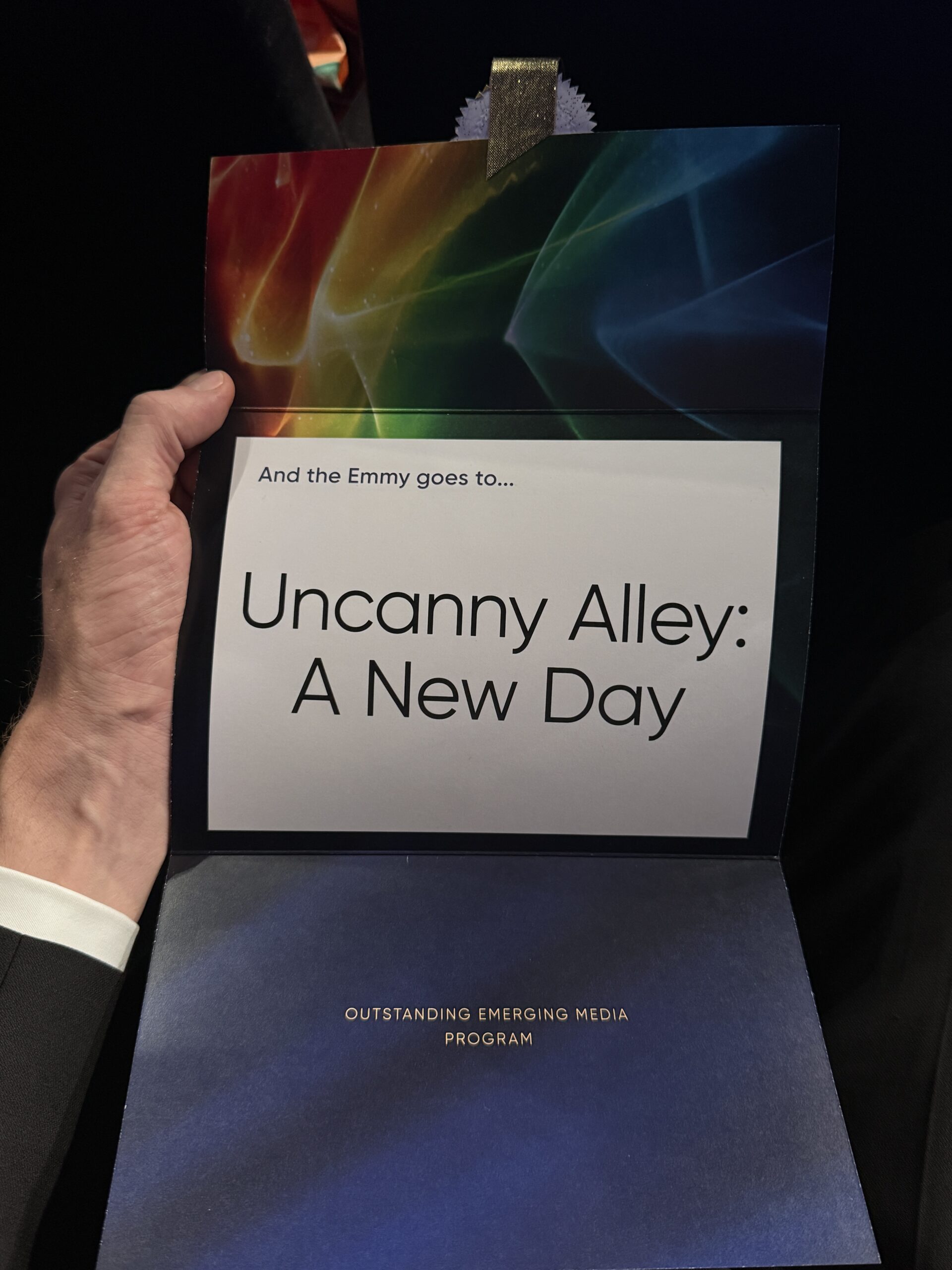
The production, which exists inside the virtual reality universe VRChat, has seen extraordinary success, winning the Emmy for Outstanding Emerging Media Program at the 78th Emmy Awards, and is a sign of things to come for South Africa’s burgeoning immersive media ecosystem.
Treweek, who goes by MetaRick online, has been working at the intersection of art and technology for years, experimenting with animation, game design, 3D printing, electronics and virtual reality to bring characters and worlds to life.
SA Creatives spoke to Treweek about building Uncanny Alley, the art of immersive theatre and why the future of technology relies on artists being unafraid to experiment.
Your creative practice sits somewhere between art and technology. How would you describe what you do?
It’s always quite hard to classify. I guess the catch-all term is a creative technologist. I’m super curious about technology, but always approaching it from an artistic practice.
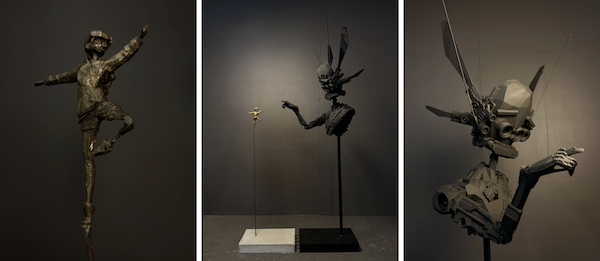
I’ve been sketching and drawing little characters and monsters ever since I can remember. My journey through my adult career has always been about figuring out how to bring characters to life.
That started with animation, then moved into game design, 3D printing, electronics and finally virtual reality, because VR allows me to create worlds that you can actually step inside rather than just watch on a 2D screen.
What was it about virtual reality that made you want to explore it creatively?
During lockdown, like all South Africans, we remember how hard those months were when we couldn’t leave and couldn’t see people.
Being a technologist, I thought, if we can’t go out and meet our friends, let’s see if we can create a space where we can still hang out.
Initially, Uncanny Alley was this little brand where I could upload my characters and build worlds. Then I decided to throw a party. Anyone with a VR headset could put it on, meet us in this venue, and I had a friend, Marcus Wormstorm, DJing for the evening.
It was amazing because even though you’re in VR and looking at avatars, very quickly the technology disappears. You’re just there hanging out with people. It becomes a memory that actually happened.
That showed me that VR, despite being technical, speaks deeply to the human side of people. You can be close to people, walk around a room, have conversations and meet people from across the world.
Uncanny Alley has a very specific visual identity: part cyberpunk, part back alley, part arcade. Where did that world come from?
I’ve always been a sci-fi fan. The word metaverse actually comes from the science fiction novel Snow Crash, and I was heavily influenced by that idea of the cyberpunk back alley of the internet.
Even the name Uncanny Alley comes from “uncanny valley”, which describes that feeling when digital creations become almost too realistic and something feels slightly wrong.
I wanted to play with that idea. This is the back alley of the internet. It’s glitchy. It has errors. It is outside this polished corporate idea of what the metaverse should be.
Everything you see is handcrafted by me. The technology also defines the style because we wanted something lightweight that people could access on smaller VR headsets.
Instead of trying to make everything look perfect, we embraced what the technology could do. The rust, the imperfections and the half-human, half-robotic characters are part of the world.
Coming from South Africa, there is also that sense of grit. We understand things being a little broken, but still finding ways to make things work.
When you started building this world, did you imagine it becoming something this much bigger?
Definitely not. The initial Uncanny Alley was about connecting people and giving my characters a home.
I’ve always loved toys and characters coming into the real world, so it started from that place.
The big turning point was collaborating with Ferryman Collective. Seeing professional actors inhabit my characters changed everything.
Before that, I was the one animating them and controlling them. Suddenly there were actors bringing their own interpretation, voices and movements into this world.
That was when both teams realised: this feels incredibly special.
I never imagined it would win Emmys. It was always just following something I loved and being curious.
What changed when you moved from creating a world people could explore to creating stories inside that world?
As I spent more time in these spaces, I started meeting people around the world who were also exploring this idea of immersive media.
Film festivals like Venice Immersive and Raindance Immersive were some of the first places actively looking at virtual worlds and immersive productions.
Seeing people react to the characters inside Uncanny Alley made me realise these characters could have more of a life than just being background elements.
The first narrative experiences became almost like a cyberpunk diary, reflecting on the state of technology and where these spaces were going.
How did the collaboration with Ferryman Collective transform Uncanny Alley: A New Day?
At Raindance, I had attended one of Ferryman’s live theatrical shows, and then they joined one of my Uncanny Alley tours.
Afterwards, both teams basically asked each other the same question: have you ever thought about working together?
Originally, we thought we would build something inside an existing Uncanny Alley world, but we decided to create an entirely new world from scratch.
They developed the theatrical script, and I helped shape what was possible within the universe.
The biggest shift for me was seeing actors inhabit my characters. It was the first time they were being driven by people other than me.
That combination of virtual reality and theatre created something really exciting because VR is just another reality where your existing skills can translate.
One of the most interesting parts of immersive work is that audiences become part of the experience. How much control do you have over what happens?
It’s similar to live theatre. There is a beginning, middle and end, but the difference is the audience is inside the story.
You’re an avatar in the world. When you move your hand, you see your character. There’s no screen separating you from the experience.
Because it is live, anything can happen. Someone might run off in a completely unexpected direction, and the actors have to improvise while staying in character.
There is a written structure, but the audience becomes part of the performance.
You said after the Emmy win: “South Africa does not wait for perfect conditions.” What does that mean in relation to your own practice?
South Africans are very good at making a plan. Whether it’s load shedding, access to funding or access to equipment, we find ways to make things happen.
That creates flexibility. People often have multiple skill sets because you can’t just say, “This is my job.” You need to know a little bit of everything.
During events in VRChat, we would sometimes have six South Africans suddenly disappear because load shedding happened. Eventually international friends started learning about load shedding because they knew what it meant when South Africans vanished.
We even put references to load shedding inside Uncanny Alley because it’s such a real part of our experience.
What does the future of immersive work in South Africa need?
One of the biggest influences here has been Electric South. They have been running labs for years, teaching artists how to use these tools.
The biggest challenge is always funding because immersive technology is still new and difficult to explain to people.
I recently joined the Electric South board because I want to help grow this ecosystem.
We need more time, more spaces and more opportunities for people to experiment with these mediums.
There are incredible artists in South Africa, but access remains a challenge. Once people have access to the internet and these tools, the world opens up.
Looking back at the person who first started building this virtual world, what would you tell him?
Keep focusing on the weird stuff.
I think every creative person who does something unusual has that feeling of needing to tone it down to make it into a business.
I often thought my work was too weird, but weird is wonderful now.
I would tell myself to have more confidence in those ideas. Especially with the rise of AI, originality becomes more important.
Knowing how to bring something uniquely yours into the world is becoming increasingly valuable.