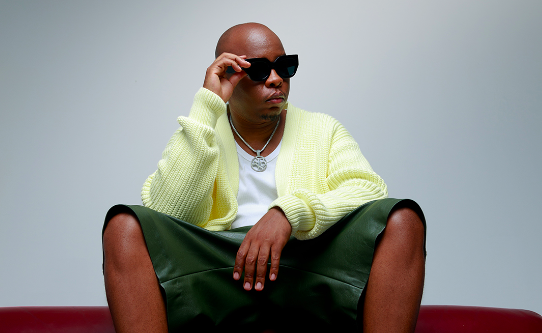
Thatiso Dube, often known as Vuitotts, was born and raised in Mamelodi, a township in northeast Pretoria. Growing up, he had a deep passion for music, especially DJing. After finishing high school, he thought about studying sound engineering or becoming a music producer.
However, everything changed when his brother influenced him to explore a different creative path: fashion. This sparked the beginning of his passionate journey in the fashion industry.
In 2008, Thatiso saw an opportunity in the market. He realized there weren’t many fashion brands targeting the youth, particularly Millennials and Generation Z. Driven by ambition and a desire to make an impact, he founded GALXBOY, a brand that would not just sell clothes but also resonate with the young people of South Africa. Thatiso had a clear vision. He understood the culture, interests, and dreams of South African youth. His goal for GALXBOY was to connect with the local and international market.
“The more you cook, the more you eat”


READ MORE: Rocking The Daisies Collaborates With GALXBOY On A Limited Edition Line
From a young age, Thatiso’s mother always dressed him well. This nurturing influenced him greatly, instilling a desire to make people feel good about what they wear. He wanted others to experience the joy of dressing well, just like he did. His early experiences played a crucial role in shaping his understanding of style and fashion.
Interestingly, Thatiso’s path to building GALXBOY began with experimentation. He started printing t-shirts for his friends using paint from school computers. This hands-on experience allowed him to explore his creative side while also listening to the tastes and preferences of his peers. As he developed his skills, he realized he needed a brand name that would appeal to a wider audience.
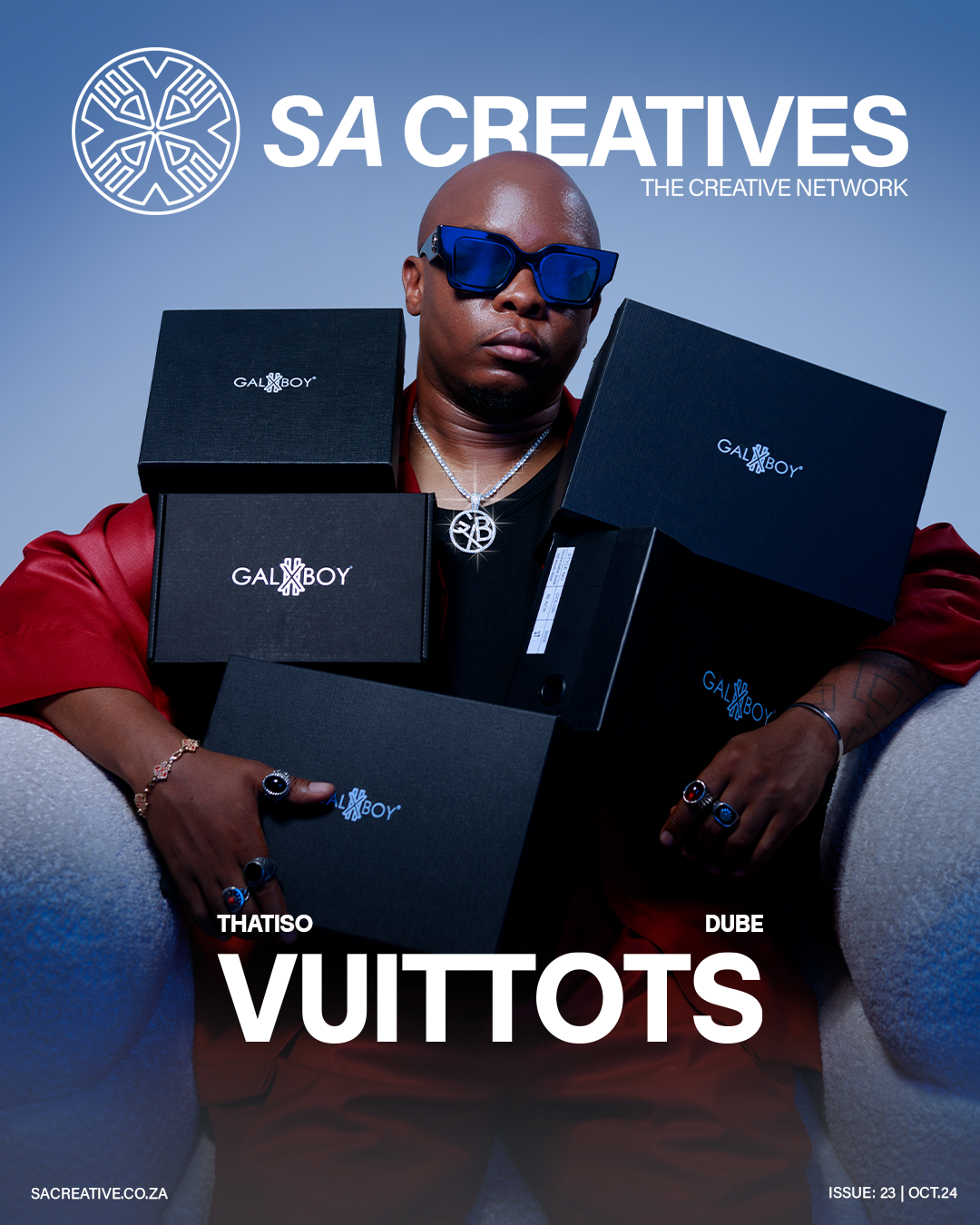
Initially, he called his brand “Cheese Boy.” However, he realized this name didn’t quite capture his vision. After brainstorming, he decided to merge “Cheese Boy” and “Cheese Girl” to create the unique name “GALXBOY,” which would become a household name in streetwear fashion.
As Thatiso built GALXBOY, he drew inspiration from other successful figures in the industry, particularly Nigo. Nigo was a key influence for Thatiso; he admired how Nigo integrated streetwear and culture into his designs.
In the beginning, Thatiso started small, selling t-shirts from the boot of his car. Despite the humble start, his hard work began to pay off.
Soon, famous African celebrities, including Davido, A.K.A, Da Les, and Anatii, were spotted wearing GALXBOY clothing. This exposure catapulted the brand to new heights, creating buzz and attracting attention.
By 2014, GALXBOY opened its first physical store in Hatfield, Pretoria, marking a significant milestone for the brand. That same year, GALXBOY reached a remarkable achievement by making their first million in sales. It felt like a dream come true for Thatiso and his team. However, the excitement was short-lived.
After a few years, the store had to shut down due to various challenges. While this setback could have discouraged many, Thatiso saw it as an opportunity to rethink and restructure his brand. During this downtime, he didn’t sit idle. He took the time to educate himself by enrolling in courses in retail management. Understanding the business side of fashion was vital for his growth.


READ MORE: Label Galxboy Set To Open Two Stores In Johannesburg This Month
In addition, Thatiso gained valuable experience working on projects for well-known brands such as Castle Lite, Trace TV, and Volkswagen (VW). These experiences provided him with insights and skills that would later benefit GALXBOY. With the funds he earned from these campaigns, he could refine and relaunch GALXBOY in a fresh and improved manner.
When GALXBOY returned to the market, it did so with new products like stylish t-shirts, sunglasses, and handbags, appealing to a broader range of customers. The brand was now ready to make a statement and connect with South African youth in a way it never had before.
GALXBOY has reshaped culture, celebrating diversity and giving fashion forward individuals the chance to express themselves as driven, smart Africans with their own style.