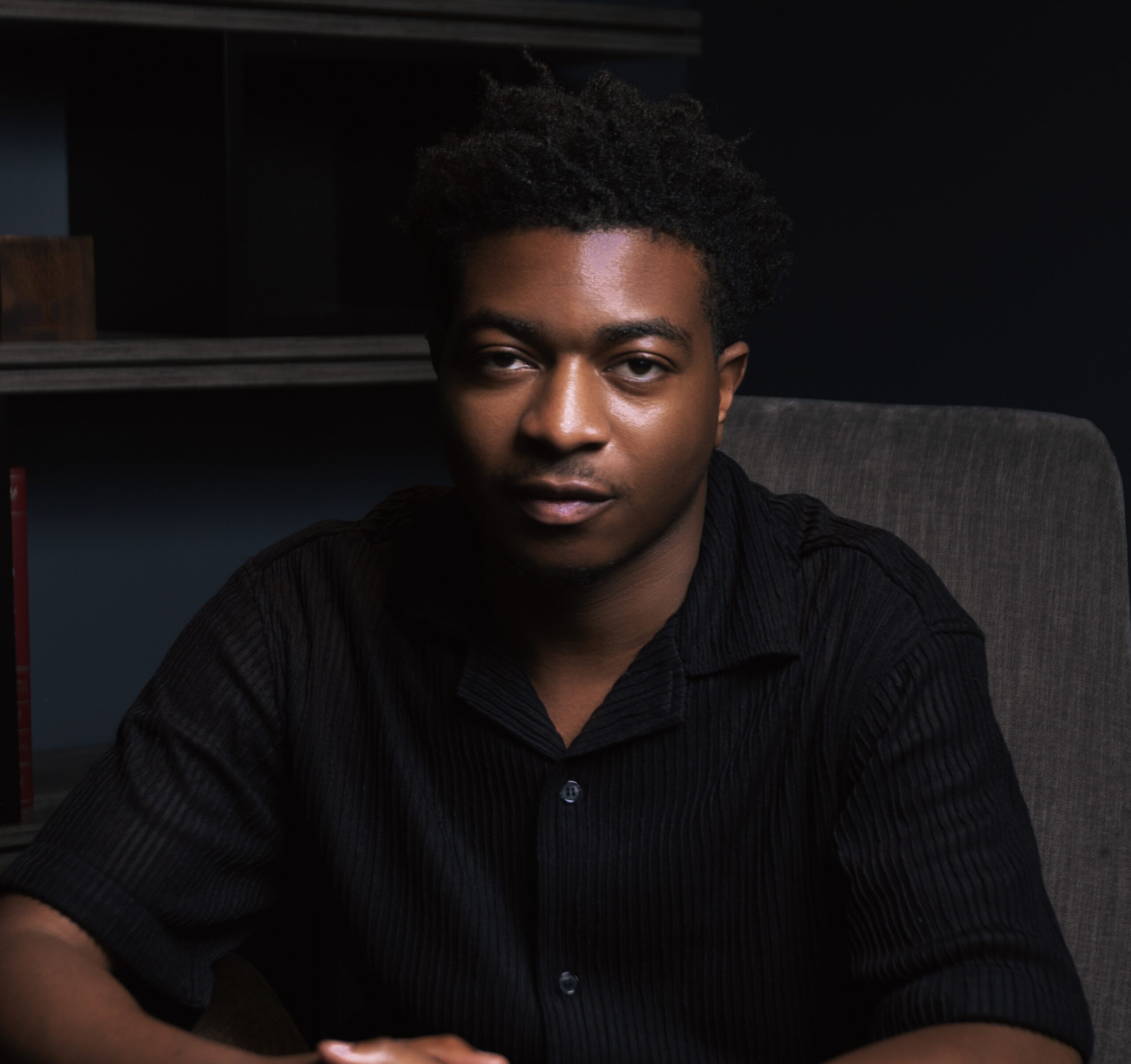
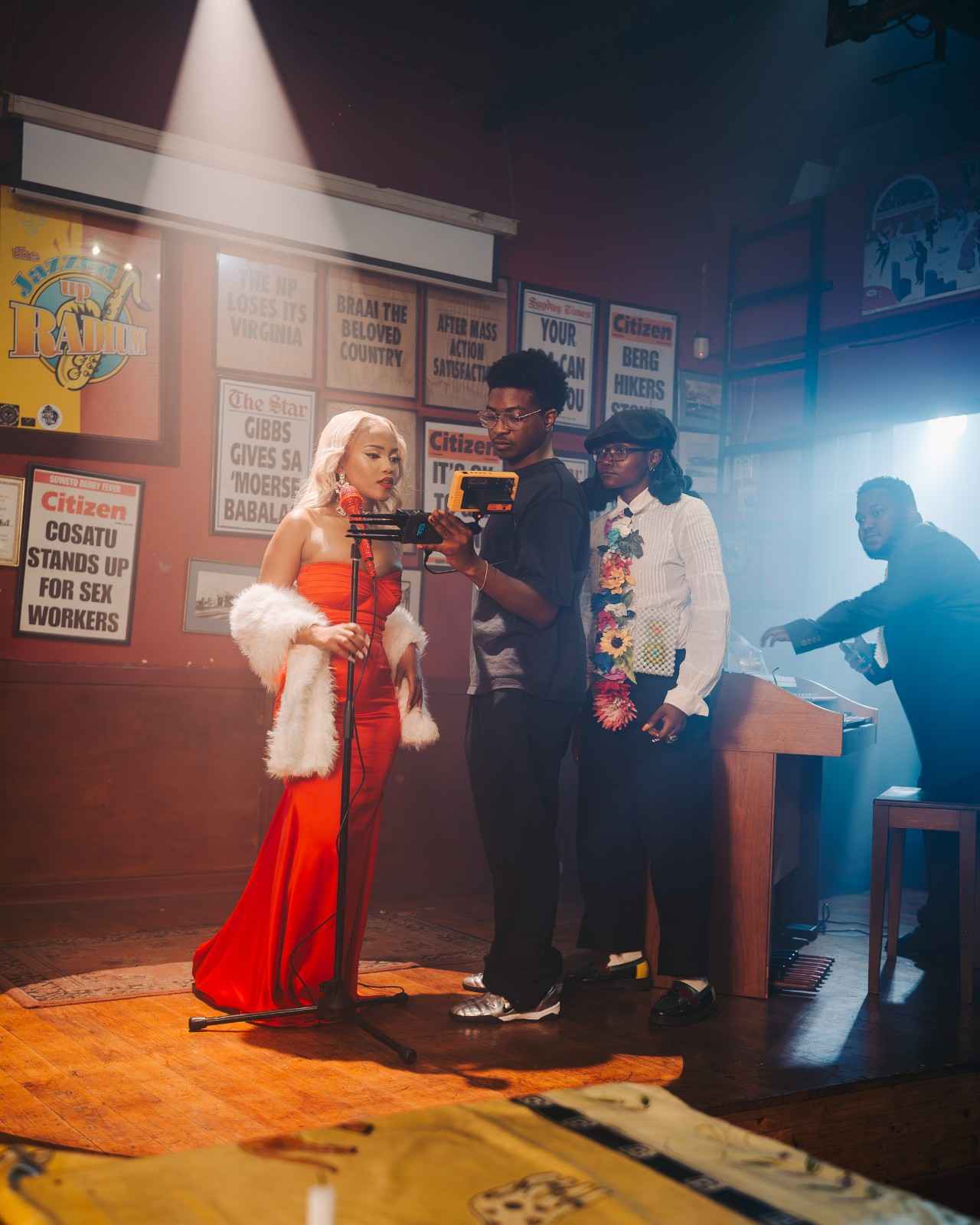
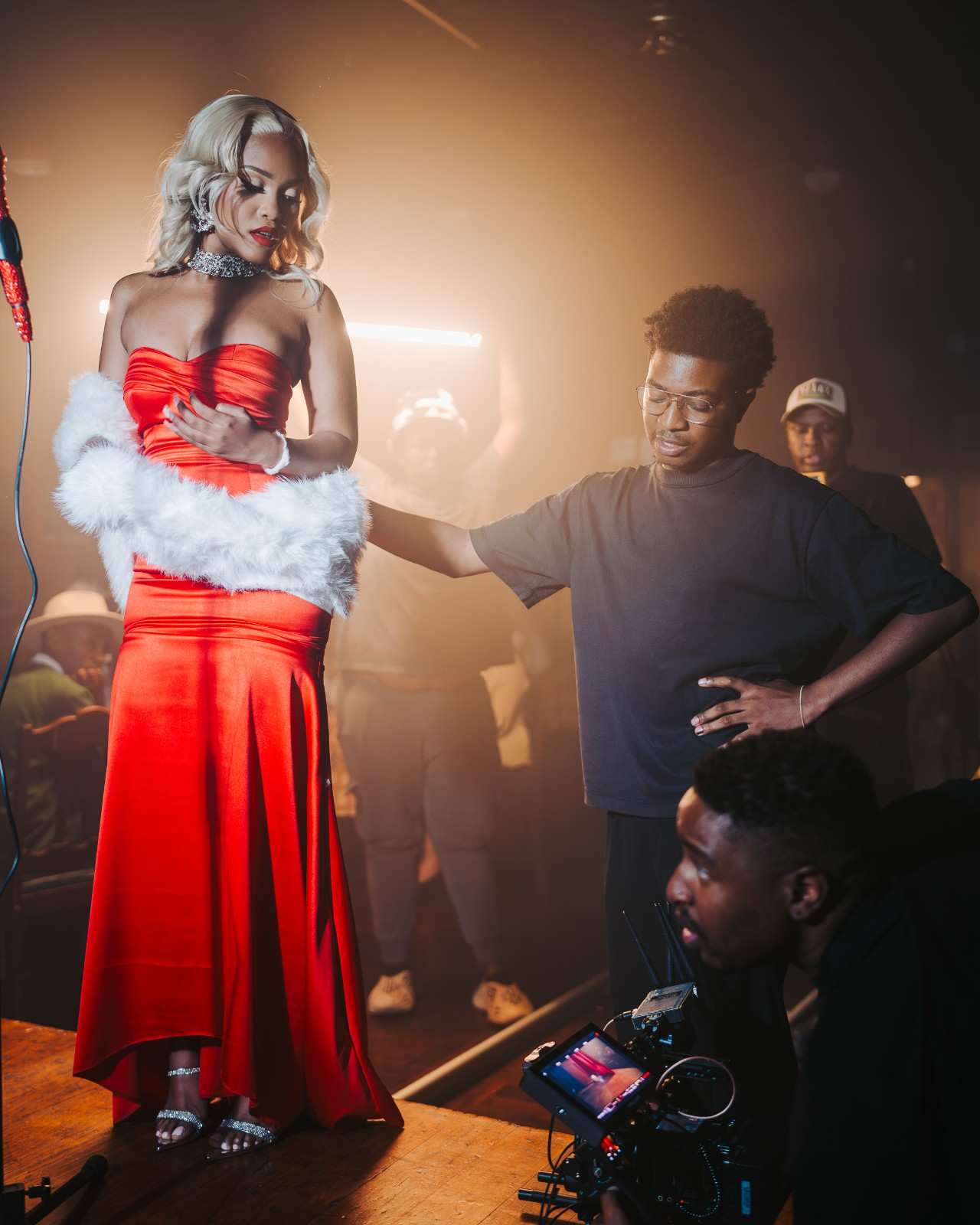
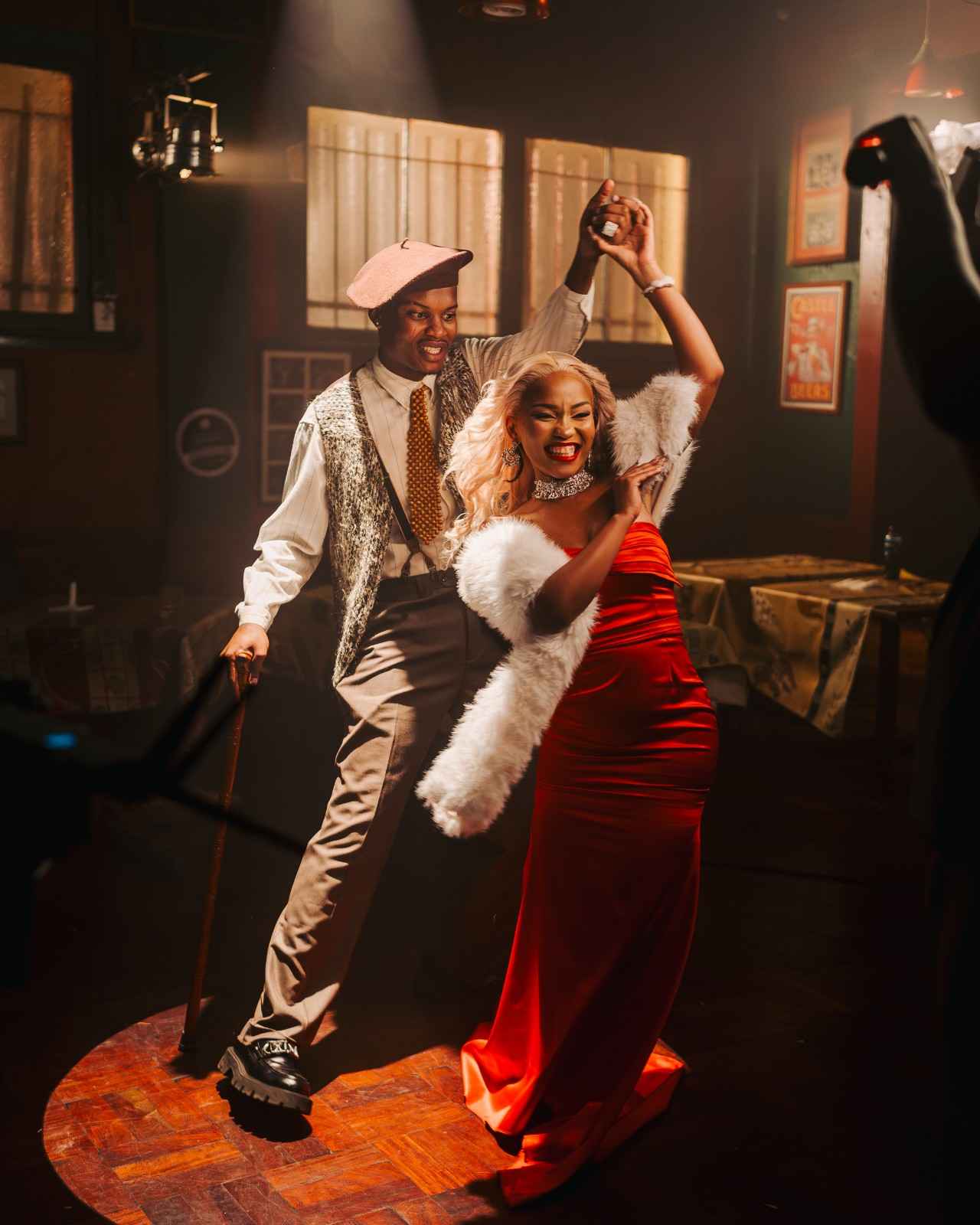
Filmmaker Keith Benza is in the middle of a breakout run. His lens has already carried him from township sets to international stages, and now his work is being recognised with back‑to‑back festival screenings and a Metro FM nomination. At the centre of this momentum is Mamma, the stunning Zee Nxumalo music video that fuses 1950s nostalgia with the pulse of Amapiano.
Benza’s approach is less about spectacle than about building worlds, intimate and disciplined yet deeply rooted in South African culture. It is this philosophy that is pushing his visuals into the same global conversation as the music itself.
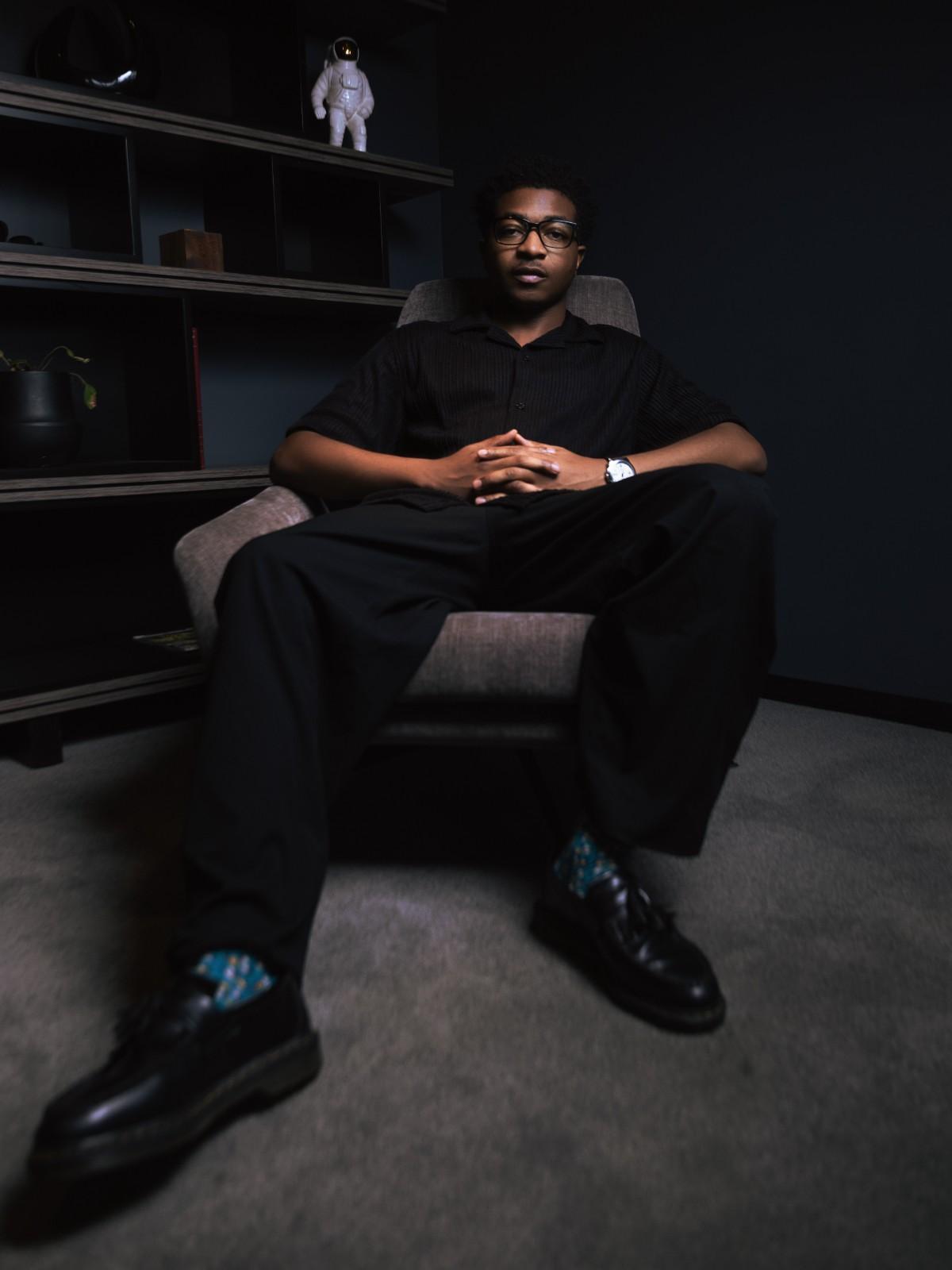 In this coversation, he reflects on the craft, the discipline, and the cultural urgency behind his breakout run.
1.You mentioned that Mamma needed a visual language that showed growth. Beyond the vintage styling, what specific cinematic techniques did you use to bridge the gap between 1950s nostalgia and the modern Amapiano sound?
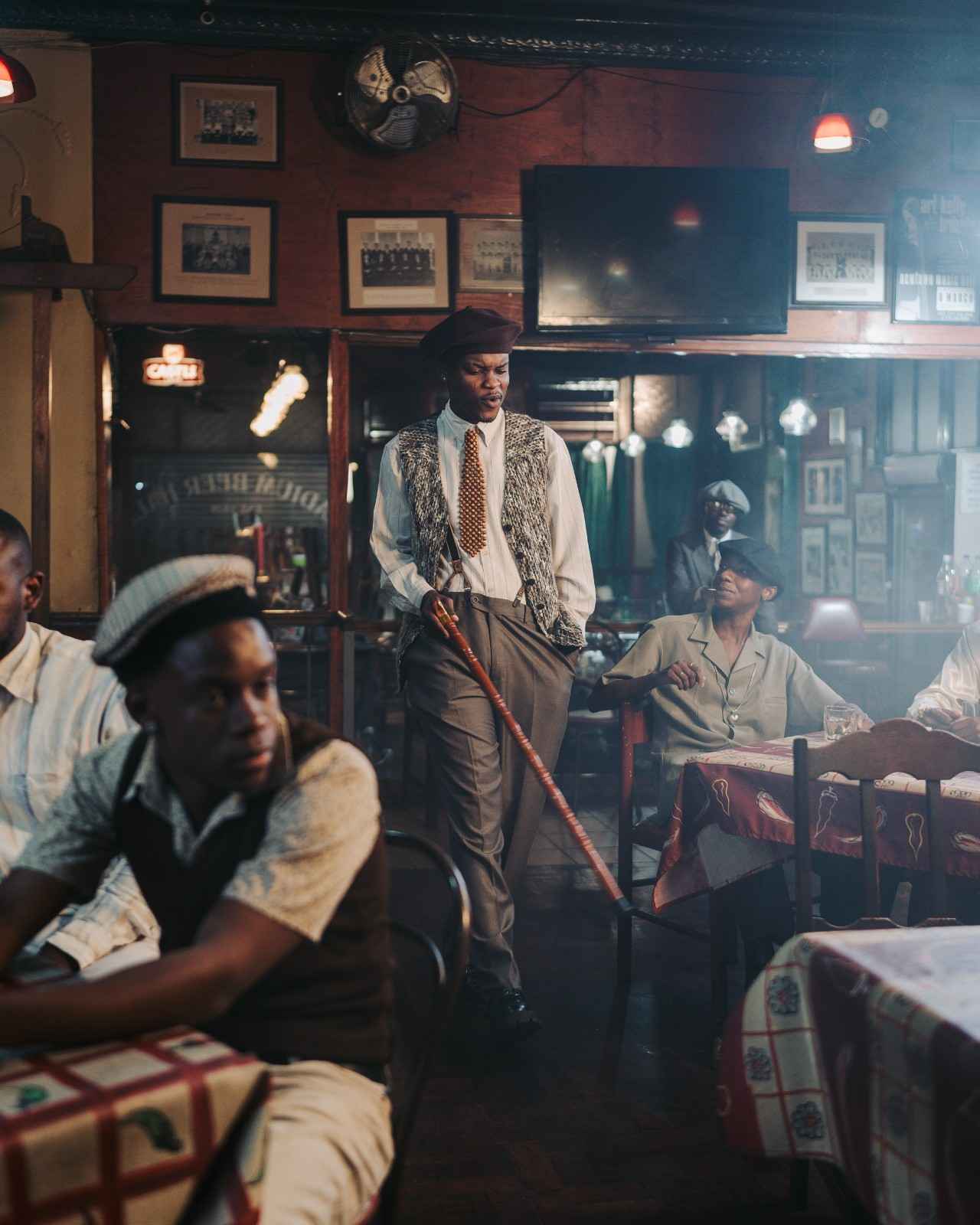
A lot of the bridge comes from the camera language. We used handheld movement so the viewer feels like they are physically present in the room, almost like they stepped into a vintage space but are still experiencing a modern sound. That combination happens subconsciously and makes the viewer appreciate the song with the same kind of nostalgia people associate with older eras.
Technically, we also played with grain texture on a modern cinema camera, which gives you the depth and sharpness of contemporary filmmaking while still carrying that aged feeling. Even the choice of setting an underground jazz location was intentional, because it lets the past and the present live in the same frame without feeling forced.
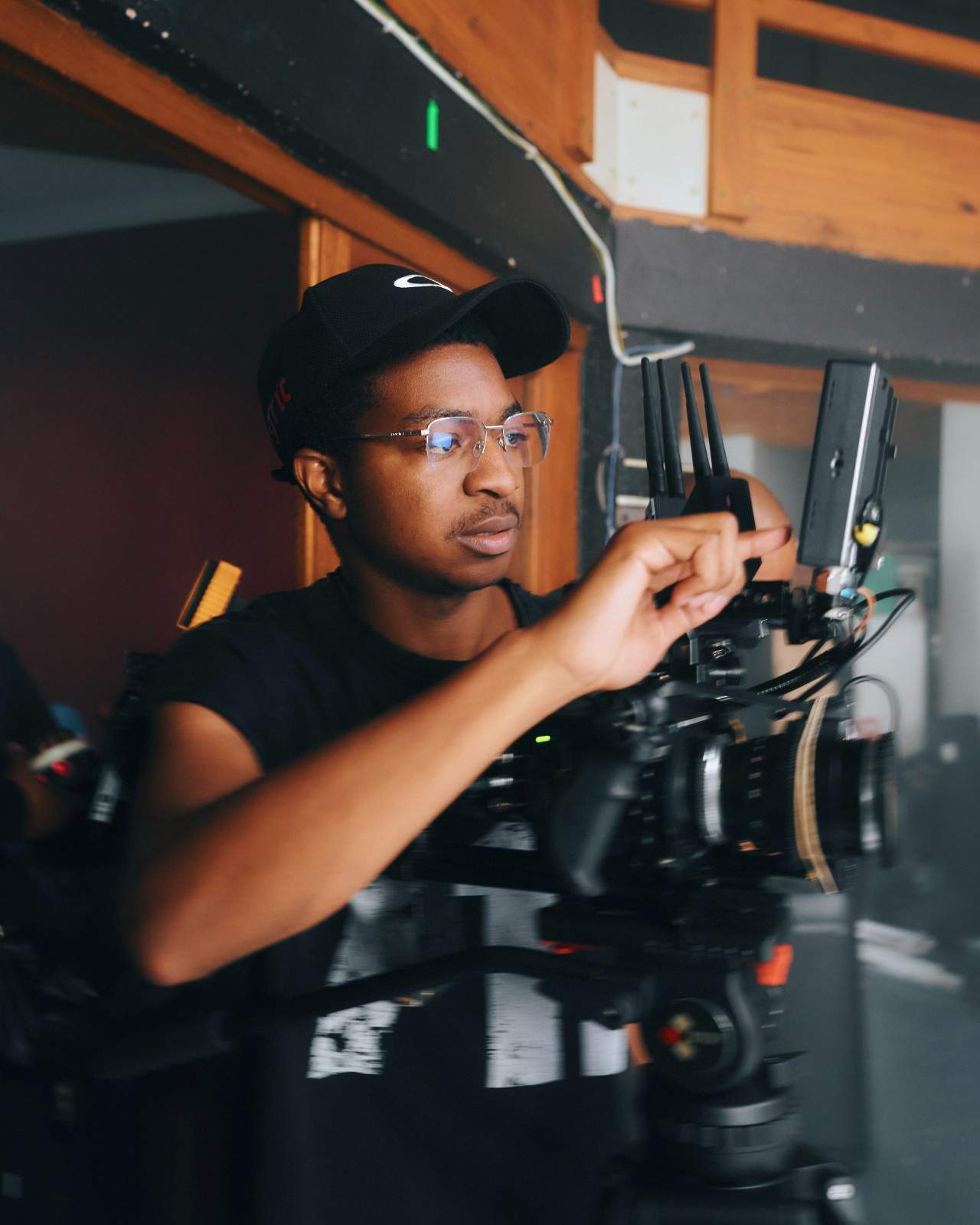
2. Your work is described as world-building rather than just music videos. When you sit down to storyboard a project like Ngisakuthanda, which has hit over 50 million views, what is the first brick you lay to start building that world?
The first brick is always the narrative inside the song. The music already tells you what kind of world it wants to live in, and my job is to build that space around it. With Ngisakuthanda, the story is about infidelity, forgiveness and tension between two people, so the first instinct was to create a world where that emotion could exist without distractions.
In this case we did not need a huge expandable universe because we had budget and time constraints, so I leaned into intimacy instead of scale. One room, two people, backs turned away from each other, sitting on the floor. That forces the body language to speak louder than dialogue ever could. Once that core idea is clear, the rest becomes easier. The lighting, the framing, the colour, all start to serve that one emotional space.
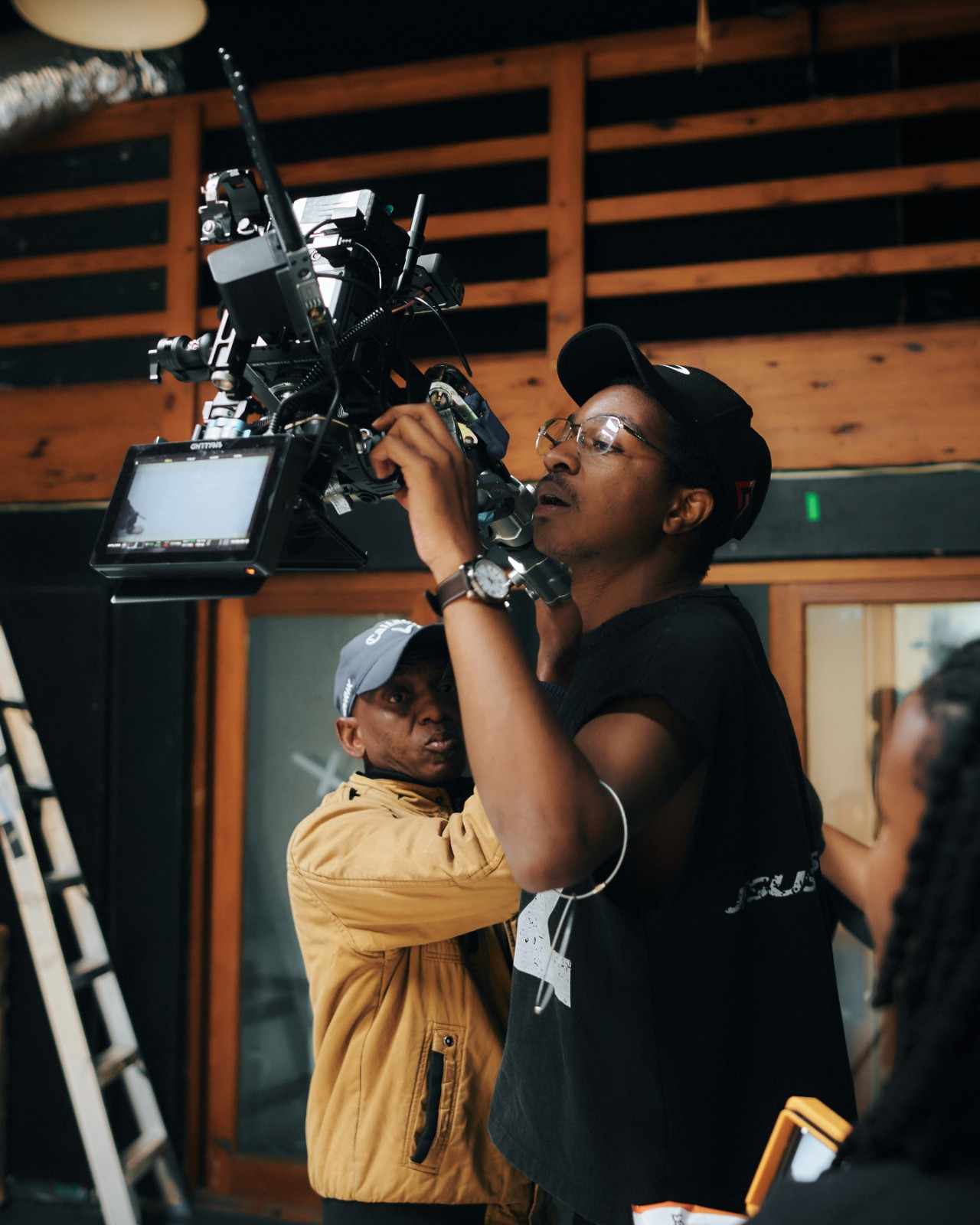
3. You’ve had back-to-back selections at the Joburg Film Festival as a Cinematographer (Being You and Mayfair). How does your approach to lighting and framing change when you are serving a narrative film versus a high-energy music video?
With music videos I allow myself to be more imaginative. I can exaggerate lighting, play with movement, or even break rules if the feeling calls for it. Film is a bit more disciplined because the audience has to stay in that world for longer, so the visual choices need to support the story without distracting from it.
I also have a framing style that naturally leans toward symmetry. I sometimes try to run away from it because I think it might limit me, but somehow it always finds its way back into both music videos and films. I think that is just part of how I see the world visually. The difference is that in film I control it more carefully, and in music videos I let it breathe a bit more.
4. You spent a year touring internationally with Zakes Bantwini. What did you observe about how global audiences perceive South African-ness, and how has that changed the way you frame our stories for a local audience?
They are genuinely in awe of us. When you travel you realise how rich our culture actually is, and how naturally that already comes through in the music. What I noticed is that global audiences want to see more of that visually as well.
That changed my approach a lot. Representation does not always mean showing traditional cultural practices. It can be as simple as seeing South African currency on screen, hearing the slang, or recognising everyday styling that we take for granted. Those small details tell the world exactly where the story comes from.
Now I always work with a wider view in mind. Even if the story feels local, I know the whole world could be watching, so the execution has to carry that weight.
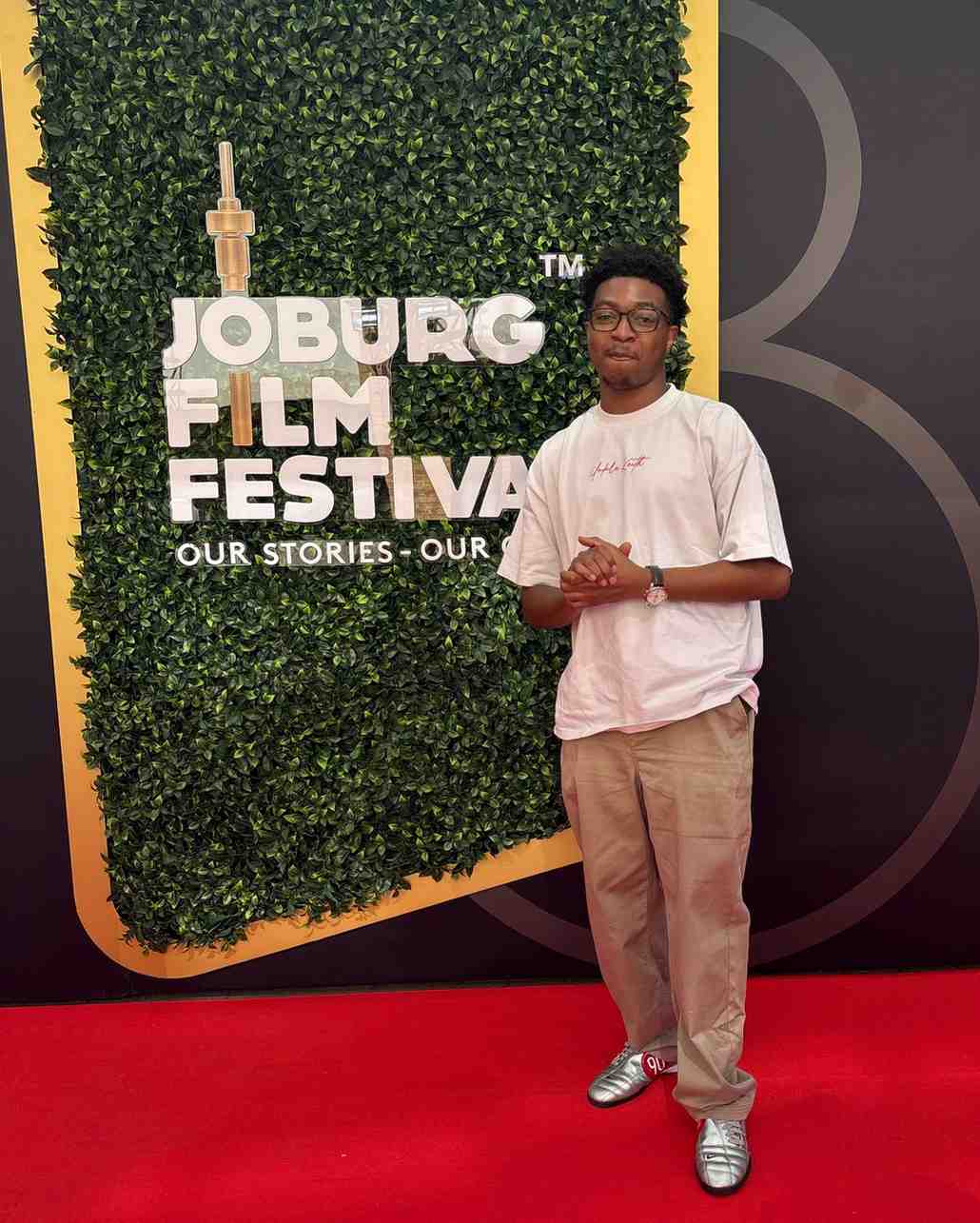
5. In Mayfair, you worked as the Director of Photography for Leonardo Neo Mokoena. What is the most important lesson you’ve learned about collaborating with other directors when you aren’t the one in the lead chair?
You learn to shut up and listen. No jokes. When you are not the director, your job is to understand someone else’s vision and help bring it to life, not to impose your own. We all tell stories differently, so something I might think is the right approach could be completely wrong for the way another director wants to tell that story.
It actually teaches humility. You realise that every role on set is important, even if you are not the one making the final call. Sometimes it is also refreshing to focus on one responsibility, like cinematography, and put all your energy into delivering the best image possible.
6. You spoke about telling stories with scale and intention that still feel true to where we come from. How do you prevent a big-budget, international-style production from losing that raw, authentic South African heartbeat?
For me, budget just means better tools. It does not mean the story has to change. You can shoot in the hood with a high-end camera and still keep the soul of the place. Kwesta once shot a music video in the hood with one of the biggest South African music video budgets ever and it still felt completely authentic, and that is proof that production value does not have to dilute the culture.
I see it as giving ourselves the same tools the rest of the world uses, but telling our own stories with them. I will happily take an ARRI or a RED camera into Soshanguve if that helps show our reality in the best possible way. The heartbeat stays the same, the tools just get sharper.
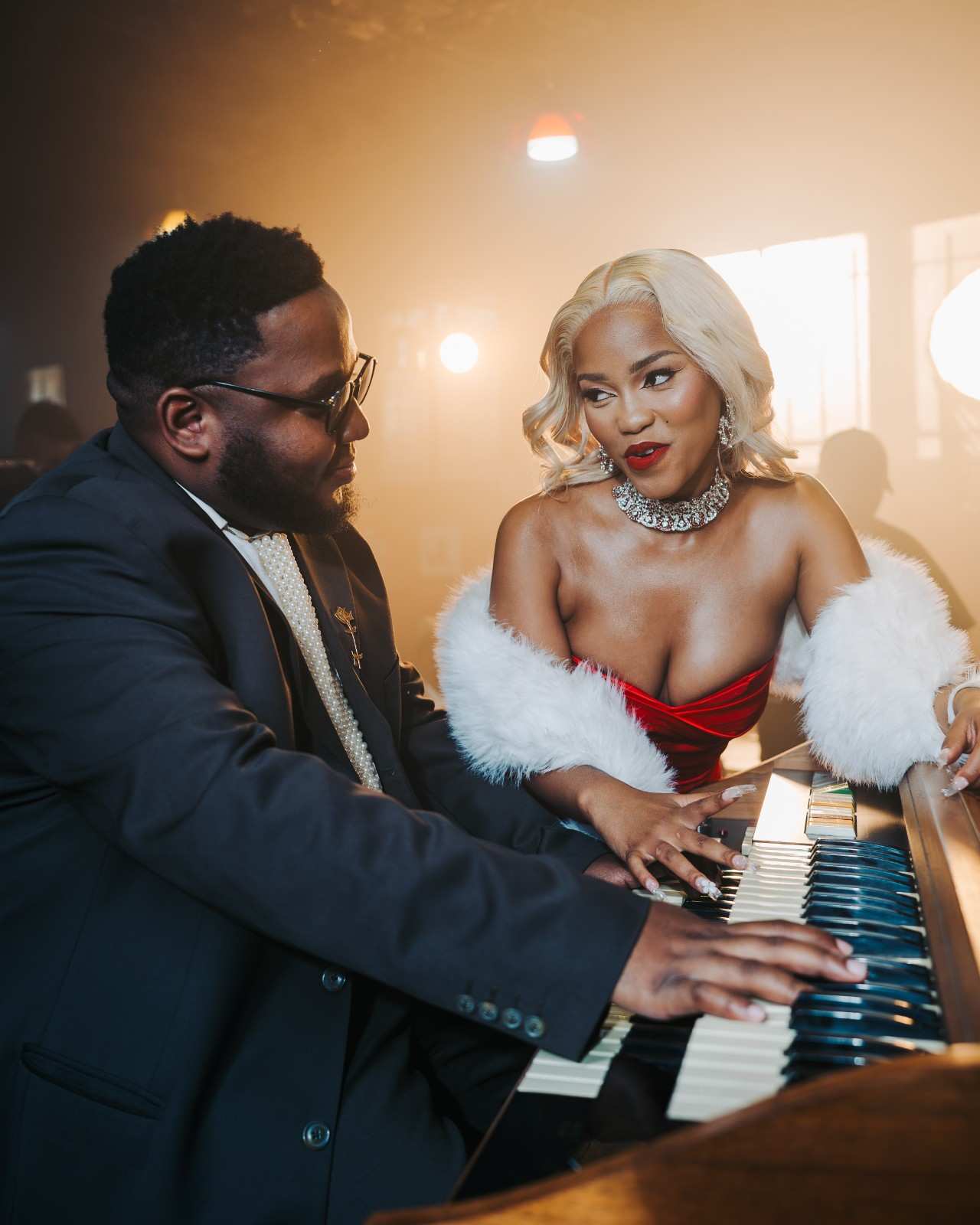
7. Your work with Zee Nxumalo has been pivotal for both of your careers. What is the secret to a successful Director-Artist relationship, and how do you push an artist to take visual risks they might be afraid of?
Trust, but trust does not come overnight. The more you succeed together, the more open you become with each other creatively. In the beginning you sometimes have to fight for ideas, not in a negative way, but by explaining the reasoning behind the choice.
A director has to land the “why”. If I ask an artist to do something unusual, like shoot a whole video where the artists barely look at each other, I need to explain what that does for the story. Once the artist understands that, they start to see you as an artist too, not just the guy with the camera. That is when the real collaboration starts.
8. You believe we are in a golden era of SA music. Do you think the visual industry is receiving the same level of global investment and recognition as the musicians themselves?
If we are talking about money, then no, not yet. The music is travelling faster than the visuals financially. But if we are talking about attention, then yes, people are watching everything now. And that is why I get frustrated when I see a huge song with weak visuals, because that is how the country gets represented globally.
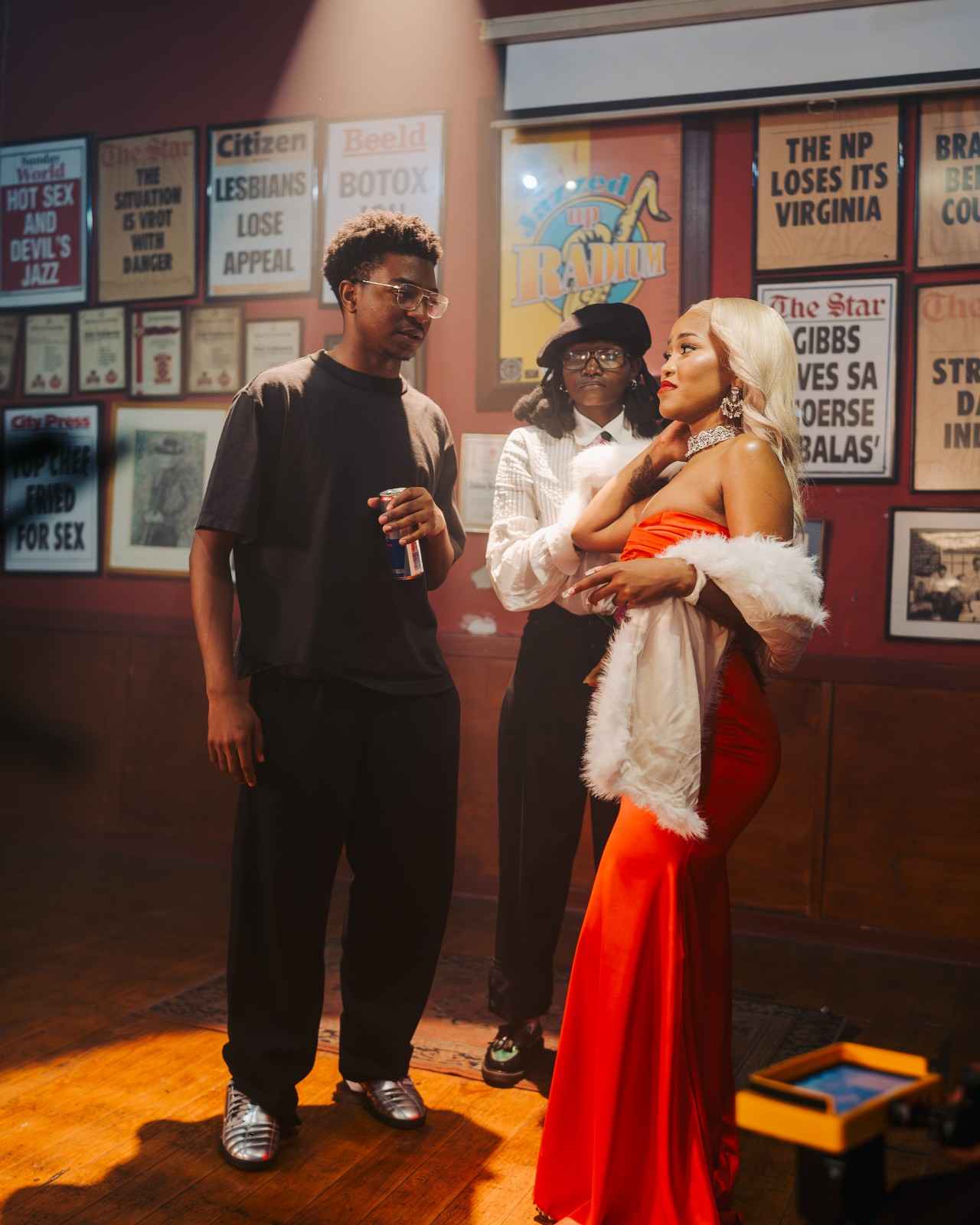
We are in a moment where the world is paying attention to South African music, and the visual side has to rise to that level. Directors, editors and DPs have a responsibility to make sure the image matches the sound.
9. From your early work with Elaine on You’re The One to your recent Metro FM nomination, what is the biggest technical hurdle you’ve overcome in terms of gear or post-production?
One of the biggest hurdles was upgrading the quality of the image without always having the budget to match the ideas. When you start asking for cinema cameras, suddenly the budget jumps by a big percentage, and that can make people nervous. At some point I decided to invest in my own equipment and bought a RED, just so I could have more control over the look without always needing a bigger production.
But that comes with its own challenges, because cinema cameras slow the process down. Setups take longer, lighting takes longer, which sometimes means extra shoot days and more costs again. So the lesson for me was that technical growth also needs structural growth. That is part of why I am building Parallel Vision into a stronger production team, so we can maintain a high standard without every project feeling like a financial risk.
10. With a Metro FM nomination and multiple festival runs in 2026, the bar is high. Looking at the Parallel Vision banner, what is the one story or genre you haven’t tackled yet that you feel is essential to the South African narrative?
I want to tell the story of where this music that is going global actually comes from. A lot of artists are starting to talk about protecting the sound and making sure it does not get claimed by other regions, which is important, but I do not think musicians can carry that responsibility alone. They need storytellers too.
 I am planning to do more documentary work, both short pieces and longer films, that look at the culture behind the music, not just the hits themselves. At the same time, through Parallel Vision and also through the cultural media platform Society that I am building with my partner, the goal is to document these moments properly from our own perspective.
If this era really is a golden era, then we need to treat it like one and make sure the stories are told in a way that will still make sense years from now.
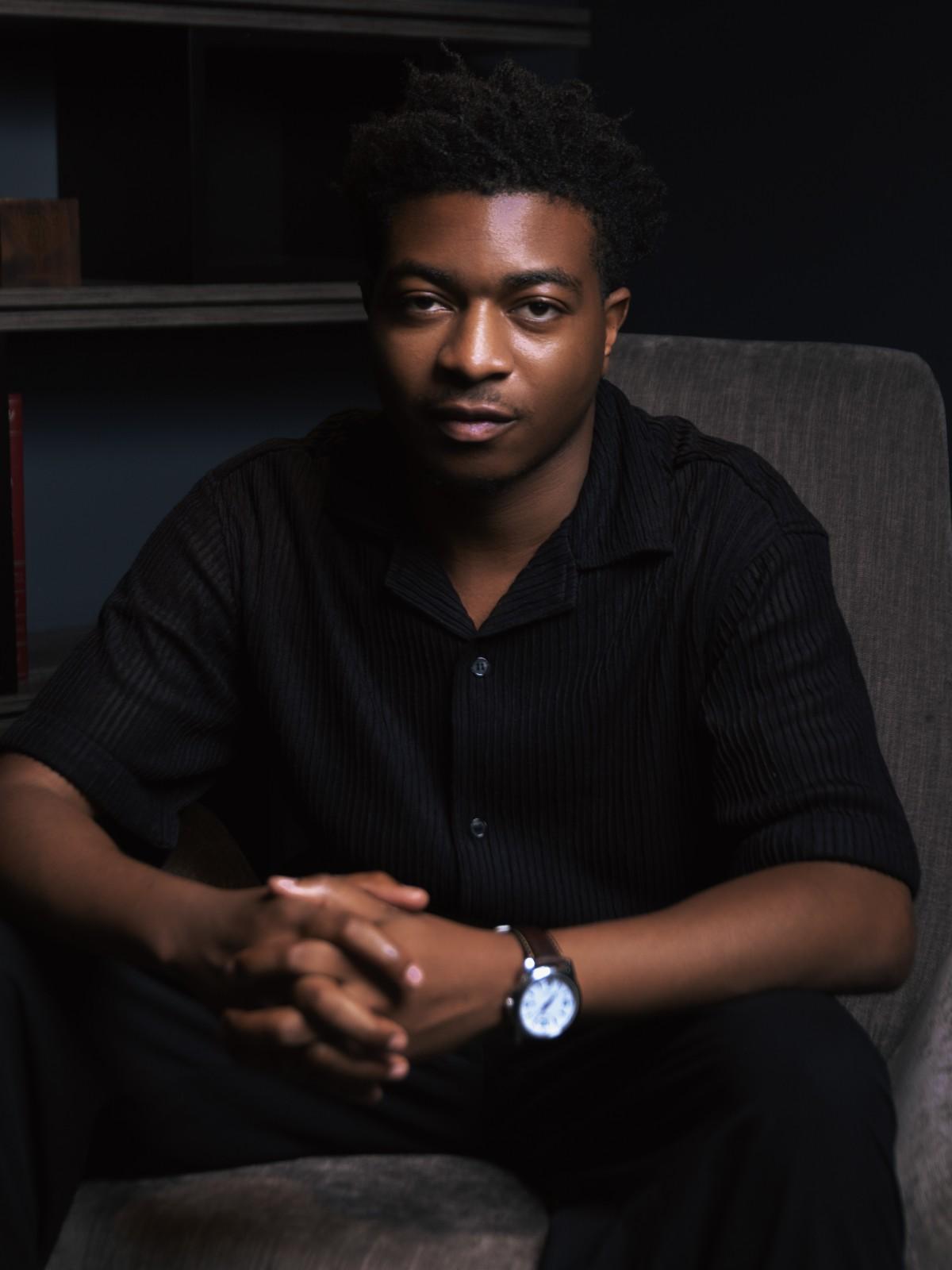
Keith Benza’s reflections reveal a filmmaker intent on shaping memory as much as crafting images. His breakout run, from Mamma’s vintage‑meets‑Amapiano fusion to festival selections and a Metro FM nomination, shows that South African visuals can stand alongside the music driving global attention. What remains constant is his insistence on authenticity: sharper tools, bigger stages, but always the same heartbeat.
As Parallel Vision grows and the archive expands, his work reminds us that this golden era of sound deserves images that will endure long after the applause fades.