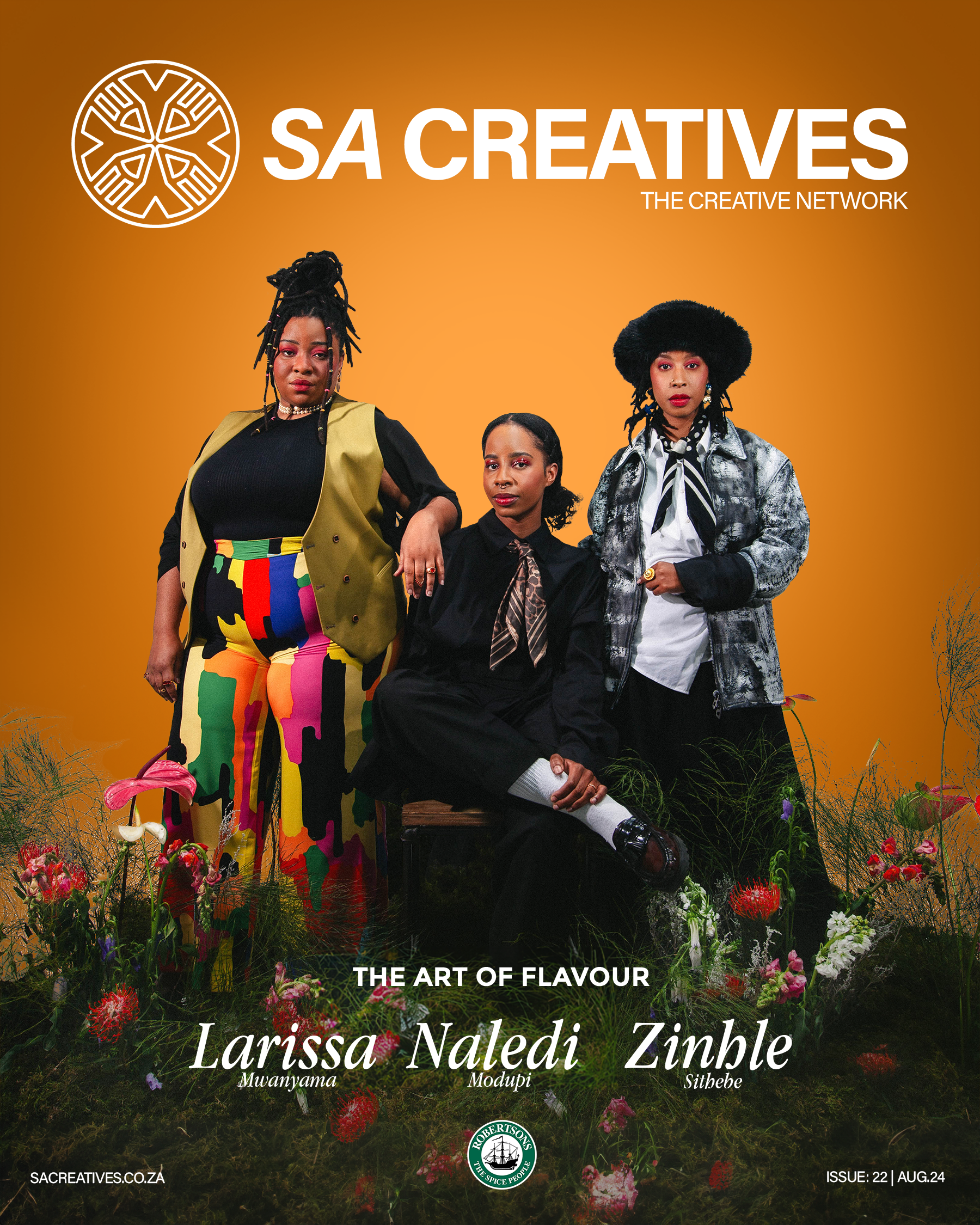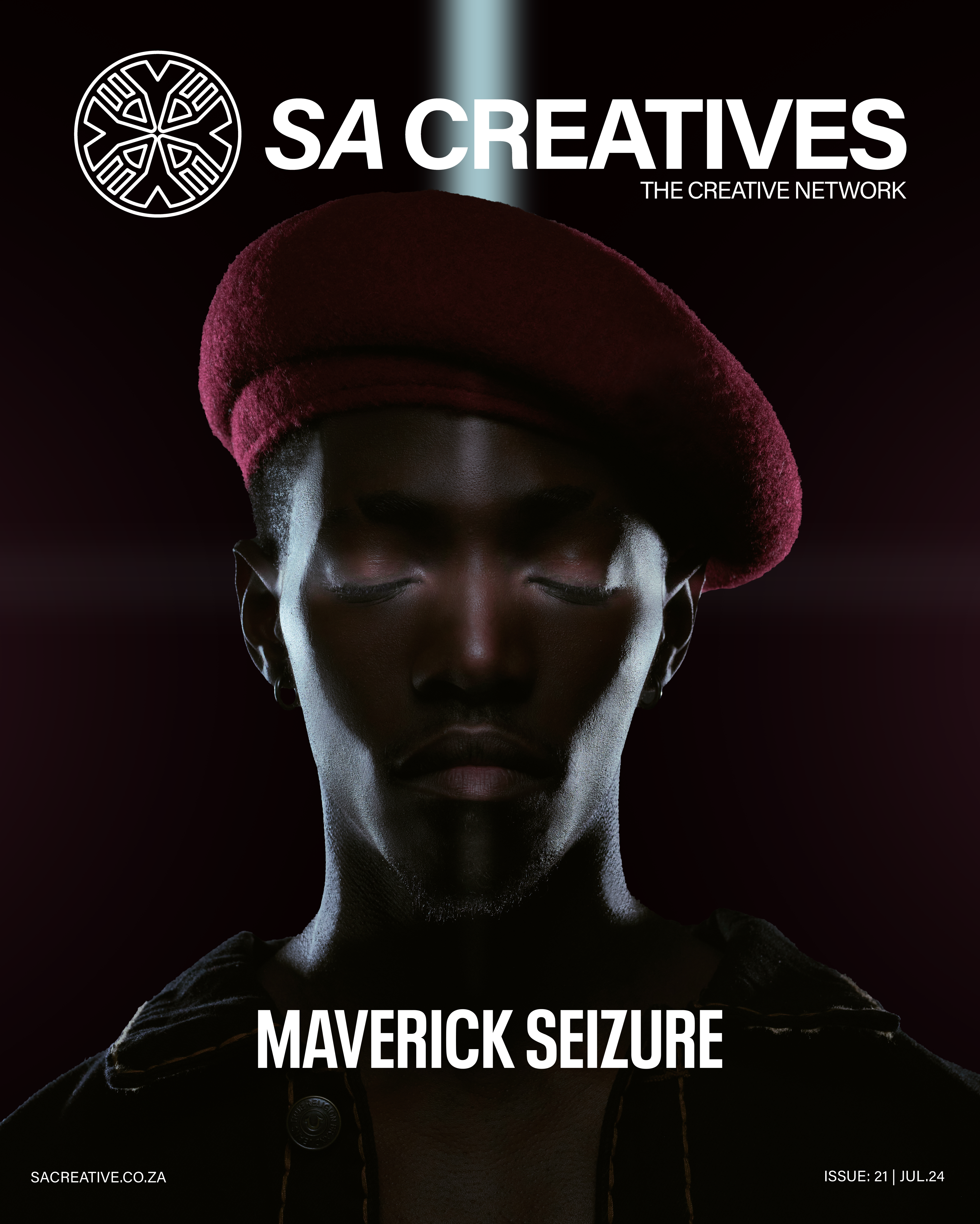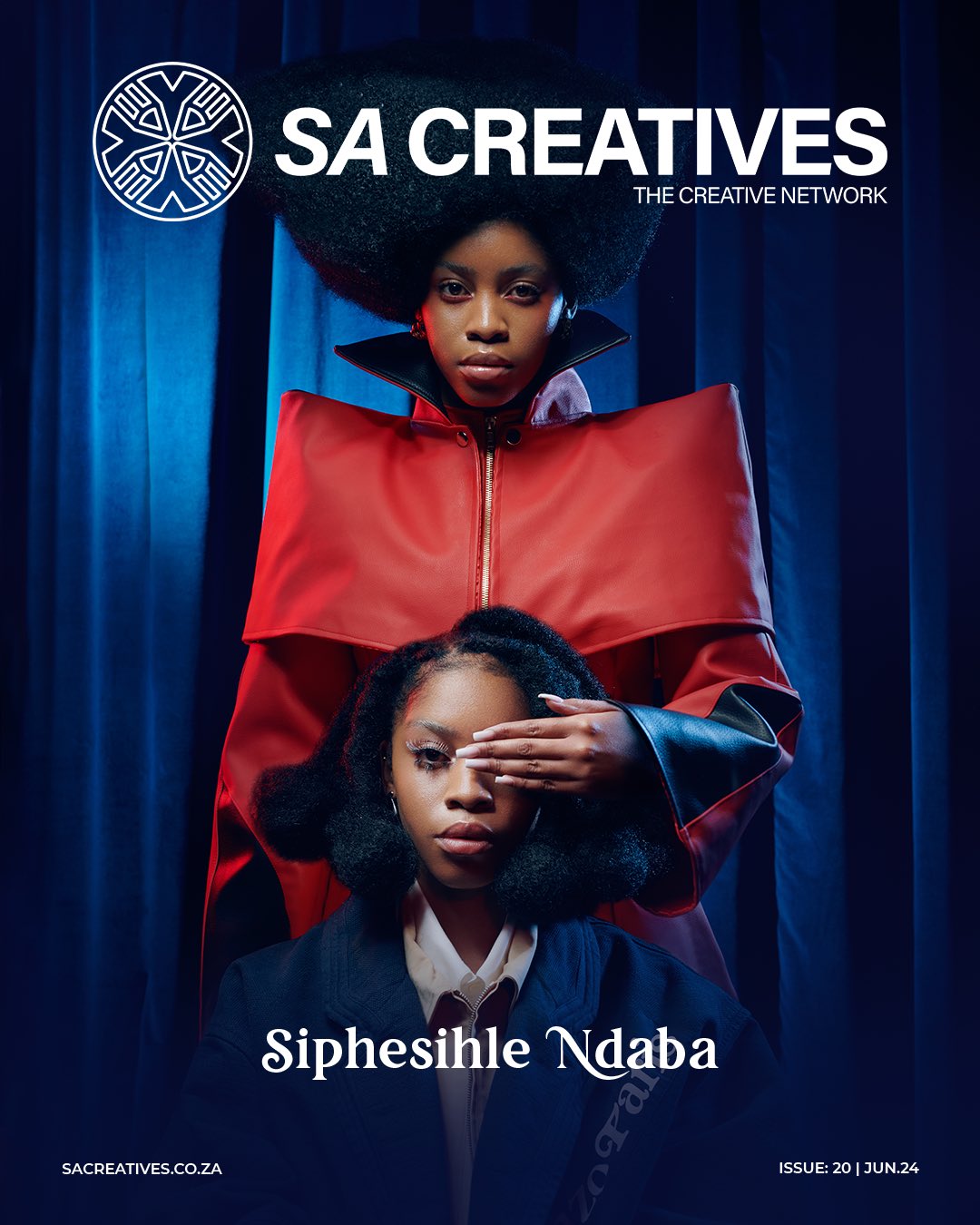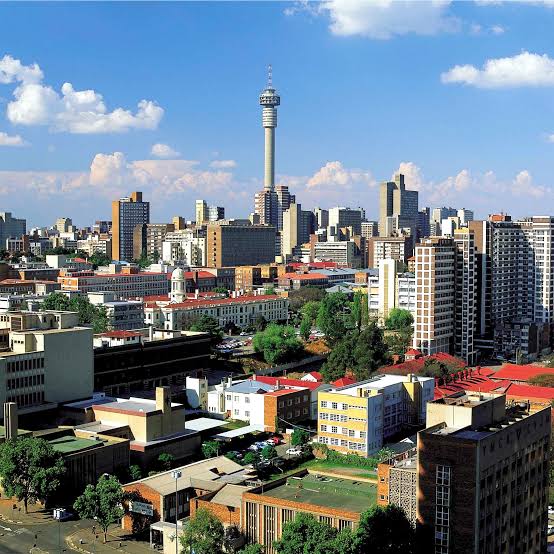
South Africa has never struggled to produce remarkable creatives.
Our musicians fill arenas around the world. Our designers appear on international runways. Our filmmakers earn global recognition. Our photographers shape visual culture, our illustrators redefine aesthetics, and our architects, dancers, writers and digital artists continue to prove that South African creativity belongs on the world’s biggest stages.
When a South African creative breaks through, we celebrate them. We share the announcement, congratulate the milestone and call it another win for the country.

Those moments deserve celebration.
But they also raise a different question.
What made that success possible?
Talent has never been the problem
Conversations about South African creativity often begin and end with talent.
The assumption is that if enough gifted people exist, the industry will naturally continue to grow. Yet talent, by itself, has never guaranteed a sustainable creative sector.
Behind every thriving creative economy is an ecosystem that allows artists to experiment, fail, improve, collaborate and build careers over decades rather than months.
That ecosystem rarely receives the same attention as the people it supports.
Creativity needs infrastructure
Creative infrastructure doesn’t only refer to buildings or institutions.
It includes publications that document creative work. Festivals that introduce audiences to new ideas. Residencies that give artists the time and space to develop ambitious projects. Studios where collaboration happens naturally. Galleries willing to invest in emerging practitioners. Mentors who pass on knowledge. Archives that preserve creative history. Funding programmes that allow experimentation without immediate commercial pressure.
These are the places where careers quietly take shape.
When they are healthy, they produce stronger industries. When they are missing, creatives are forced to build careers despite the system rather than because of it.
Success stories can hide deeper challenges
South African creatives have become remarkably resourceful.
Many wear multiple hats, acting as the creative director, marketer, producer, photographer, editor and business manager behind their own work. They launch brands with limited resources, build audiences online and find innovative ways to reach global markets.
That resilience deserves admiration. However, it should not become an expectation.
When every creative has to build their own support system from scratch, energy that could be spent creating is redirected towards simply staying afloat.
Individual success stories can sometimes mask the structural challenges that countless others continue to face.
The institutions matter too
Creative industries often celebrate the finished work without recognising the organisations that helped make it possible.
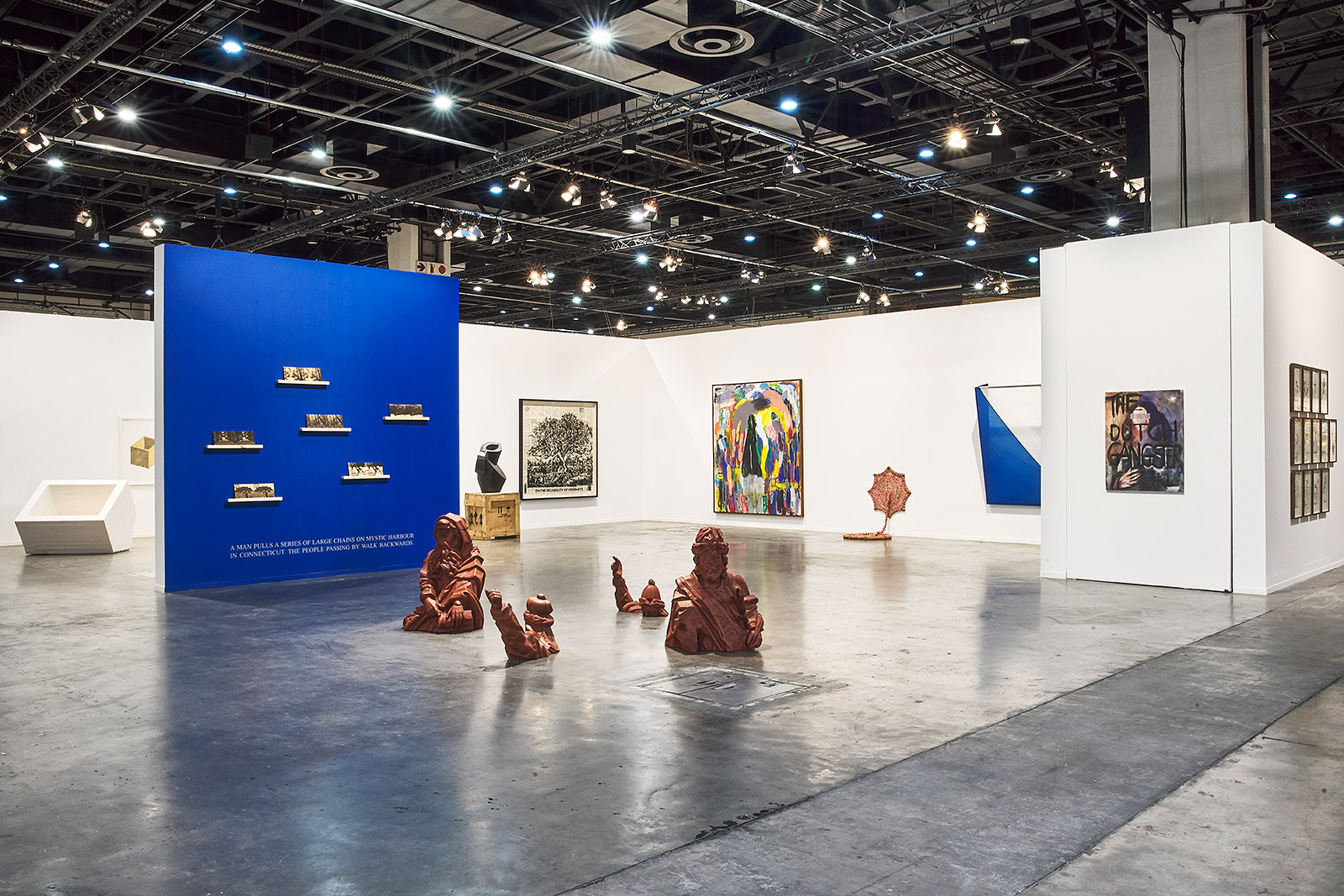
Behind a breakthrough exhibition is often a curator who believed in an emerging artist.
Behind an award-winning film may be years of development support, mentorship and industry networks.
Behind a designer’s international debut are photographers, stylists, writers, publications and buyers who helped amplify their work long before global recognition arrived.
The spotlight usually falls on one person. In reality, creative success is rarely built alone.
Building a stronger creative future
South Africa doesn’t need less emphasis on talented individuals.
It needs more investment in the environments where talent develops.
That means supporting independent publications that document the industry. It means attending local exhibitions and buying work from emerging artists where possible. It means funding creative education, expanding residency programmes and creating more opportunities for collaboration across disciplines.
It also means recognising that institutions deserve attention alongside the creatives they support.
A healthy creative sector depends on both.
Looking beyond the moment
Creative breakthroughs will always be exciting.
A successful album, a celebrated exhibition or an international fashion collection reminds us of what South African creatives are capable of achieving.
The challenge is ensuring those moments aren’t isolated victories.
If we want South African creativity to continue growing, the conversation has to expand beyond individual achievements and include petitioning for systems that make those achievements possible.
Because the future of our creative industry won’t only be shaped by the people making remarkable work. It will also be shaped by the publications preserving it, the festivals showcasing it, the studios nurturing it, the mentors developing it and the institutions investing in what comes next.
South Africa has no shortage of creative brilliance.
The next step is making sure that brilliance has somewhere to grow.