Streetwear has always been about belonging.
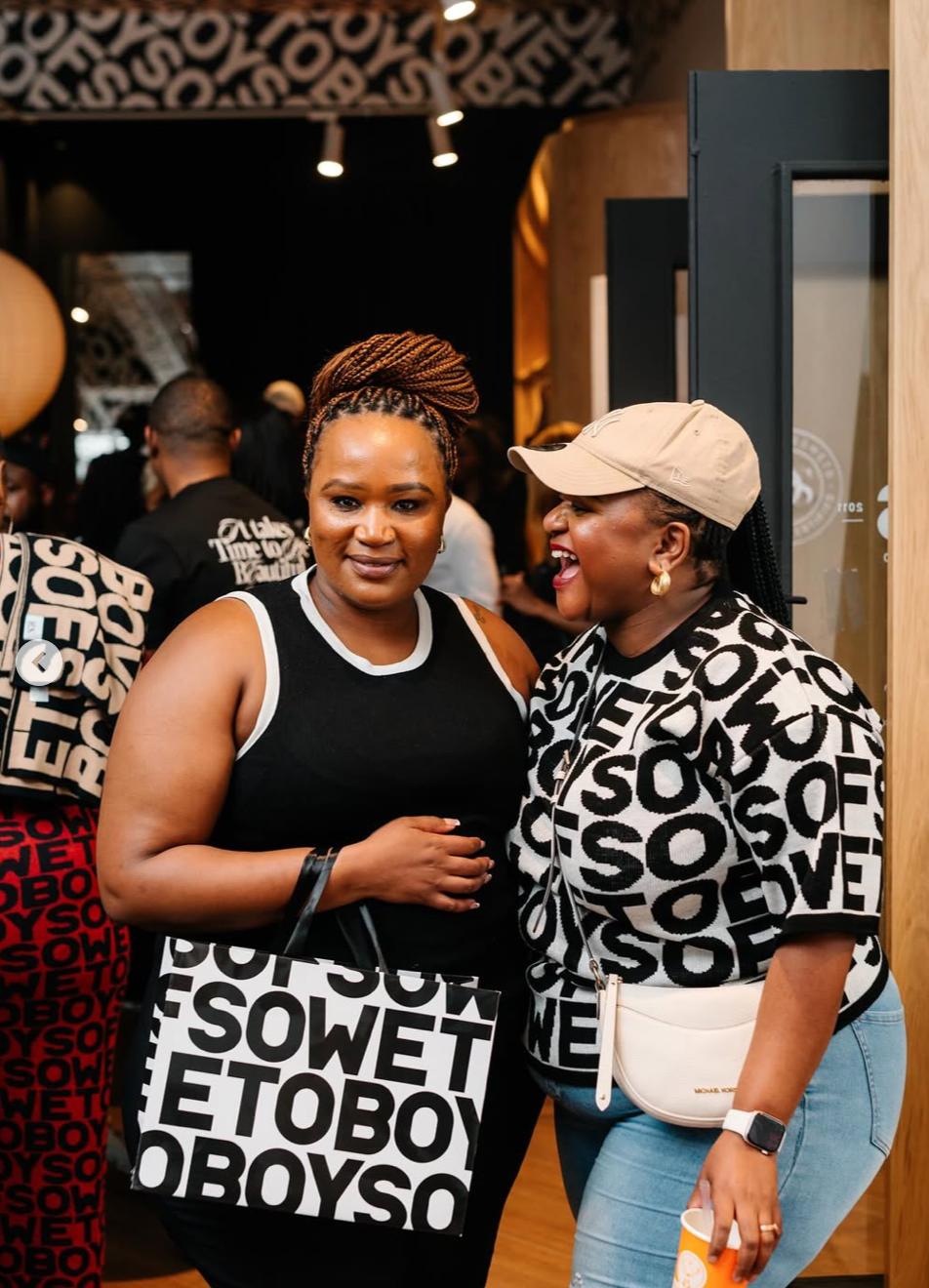
Born from skate culture, hip hop, sport and youth movements, it has long offered people a way to express identity, community and individuality. In South Africa, local streetwear has evolved into something uniquely its own, drawing inspiration from township style, luxury fashion, music and contemporary African design.
But despite its emphasis on self-expression, one question continues to surface for many consumers.
Who actually gets to wear it?
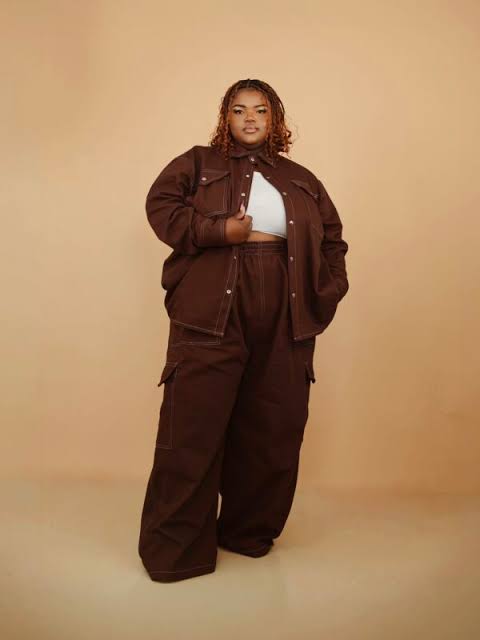
For many plus-size shoppers, tall women and people whose bodies fall outside standard sizing, buying local streetwear often means compromising. A jacket might fit perfectly through the shoulders but stop awkwardly above the waist. A pair of trousers might fit comfortably around the thighs but leave a gap at the waist. Another pair may fit the waist beautifully but fall several centimetres short at the ankle.
The issue isn’t a lack of style. It’s a lack of options.
The easiest way to tell whether an industry is inclusive is to ask who has to compromise.
For many plus-size and tall shoppers, buying streetwear isn’t about finding the pieces they love. It’s about settling for the pieces that happen to fit. If the jeans fit your thighs, they don’t fit your waist. If the waist fits perfectly, they’re too short. If the length is right, they’re a completely different style from the one you actually wanted.
While some shoppers get to choose clothes based on taste, others have to choose based on availability. Over time, those compromises begin to shape the way people experience fashion itself. Shopping becomes less about self-expression and more about making do with what’s there.
Representation Doesn’t End With the Campaign
South African fashion has made visible progress in celebrating different identities.
Campaigns increasingly feature models of different races, genders and personal aesthetics. Brands speak confidently about authenticity, individuality and community.
Yet body diversity often remains one of fashion’s biggest blind spots.
Representation doesn’t end with who appears in a campaign. It extends to who can walk into a store and leave with something they actually wanted to buy.
When extended sizing is unavailable, or when garments are simply scaled up rather than redesigned for different body proportions, many consumers are left feeling like an afterthought.
For tall shoppers, the challenge is equally familiar. Sleeve lengths, inseams and overall proportions are often designed around average heights, leaving taller consumers with limited options despite paying the same premium prices as everyone else.
Inclusive Design Is Good Design
Designing for a broader range of bodies is often viewed as a logistical challenge, but it is also a creative opportunity.
Inclusive fashion asks designers to think more carefully about proportion, construction and functionality rather than treating larger sizes as an extension of smaller ones.
The result is often better design for everyone.
Globally, more fashion brands are investing in expanded sizing because they recognise an increasingly diverse customer base. Consumers are also becoming more vocal about wanting clothing that reflects both their identity and their bodies.
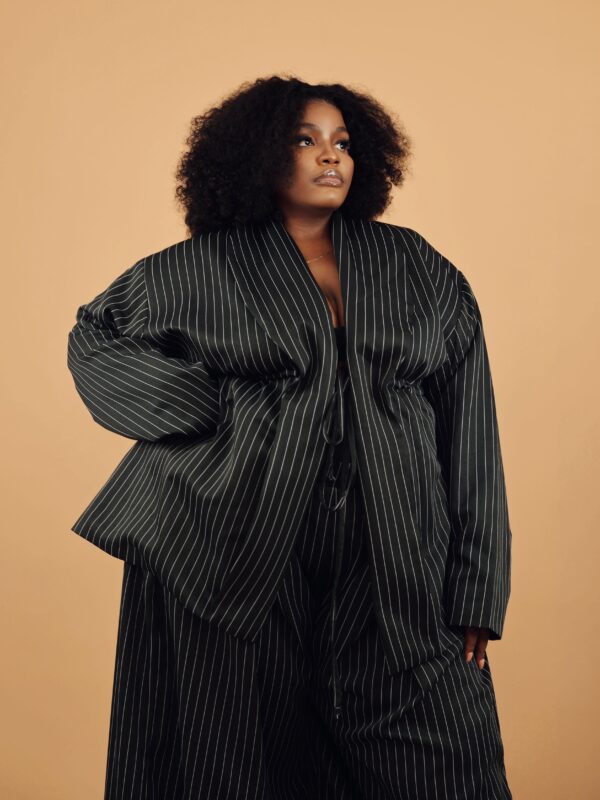
South African streetwear brands have an opportunity to lead this conversation rather than follow it.
The country’s fashion industry has repeatedly demonstrated its ability to reinterpret global trends through a distinctly local lens. The next evolution may be asking how inclusivity can become part of that creative identity.
Beyond Size Charts
At its best, streetwear tells stories.
It reflects neighbourhoods, music scenes, cultural movements and lived experience. It allows people to communicate who they are before they ever speak.
That storytelling feels incomplete when entire groups of people struggle to participate.
Expanding sizing isn’t about lowering creative standards or producing more basics. It is about recognising that style does not exist in one body type.
A plus-size woman should be able to wear the same beautifully tailored cargo trousers as her straight-size counterpart. A tall man should not have to choose between trousers that fit his waist and trousers that reach his ankles.
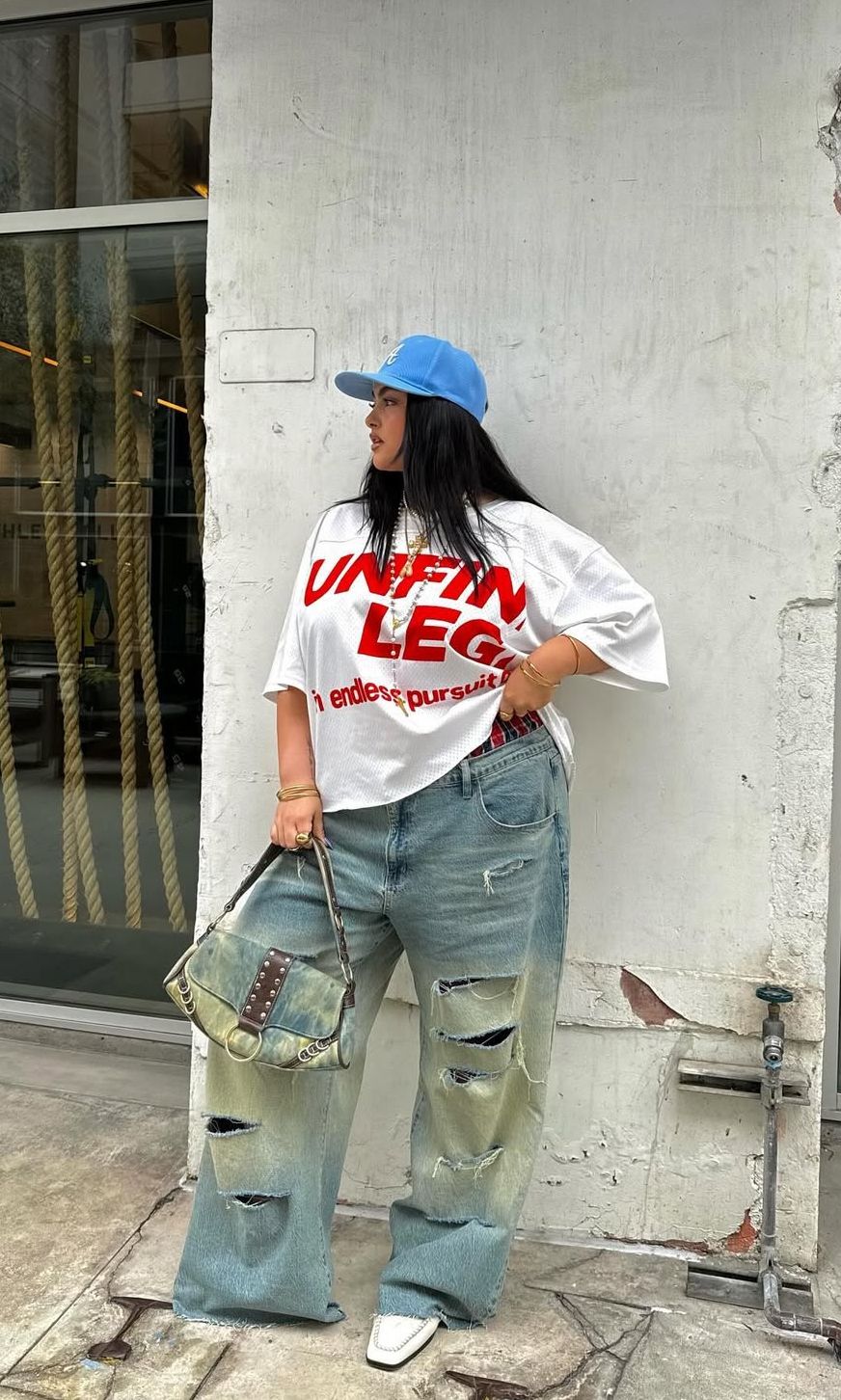
Fashion becomes more meaningful when more people are able to see themselves in it.
The Future of South African Streetwear
South African streetwear has earned international attention for its originality, cultural confidence and willingness to challenge convention.
Perhaps the next frontier isn’t simply creating the next iconic silhouette or viral drop.
Perhaps it’s ensuring that more people get to wear it.
Because fashion that celebrates individuality should also make room for the many different bodies that individuality comes in.
The future of South African streetwear won’t be defined only by what it looks like. It will also be shaped by who gets to be part of the conversation.