South African streetwear has reached a point where it no longer needs comparisons to international fashion capitals to justify its existence.
The country’s most interesting brands are pulling inspiration from football culture, township style, skateboarding, nightlife, music, tailoring, art and community. Some are building luxury fashion labels. Some are preserving cultural memory. Some are creating spaces where young creatives can meet, collaborate and build careers.
Together, they show just how broad South African streetwear has become.
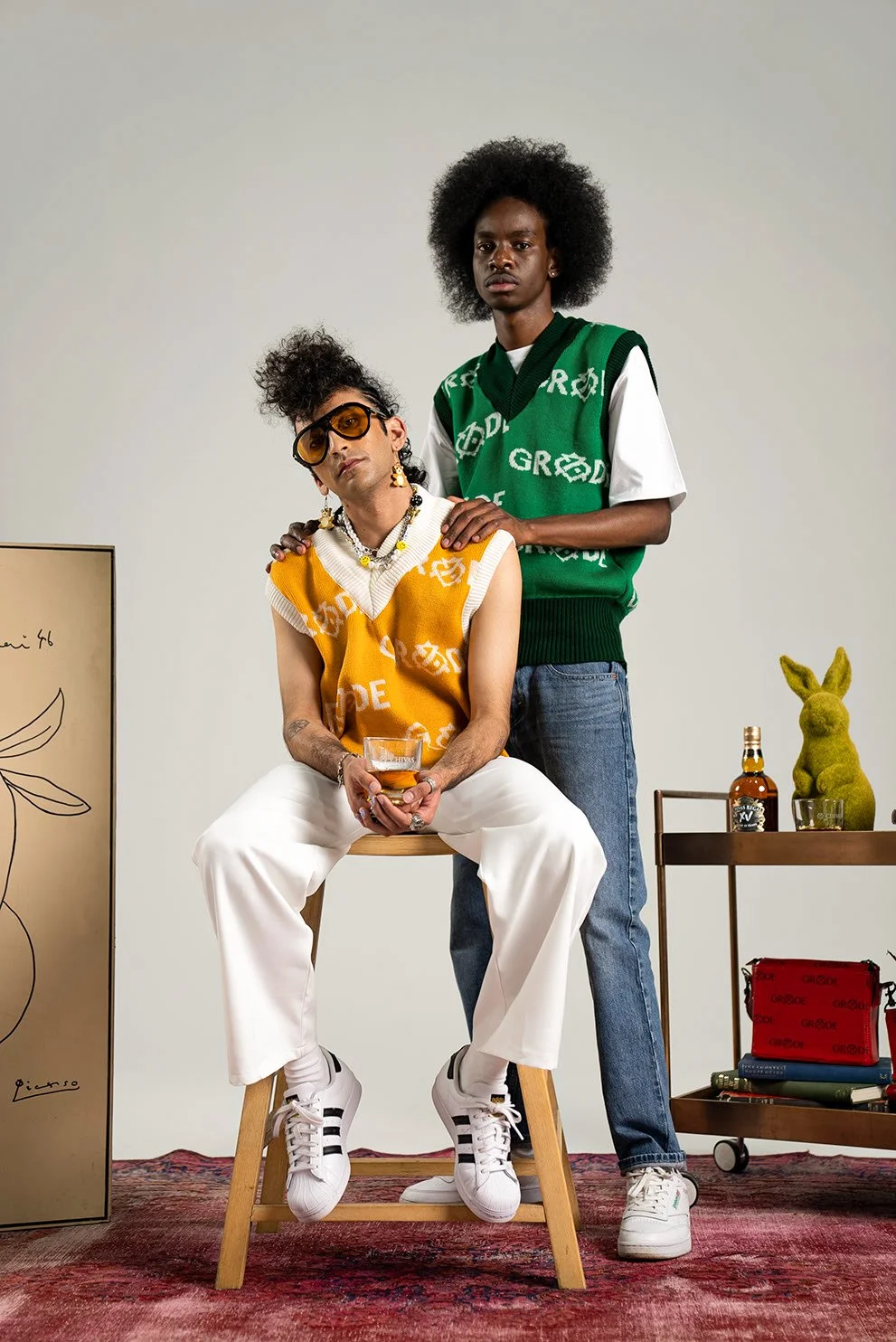
1. Grade Africa
Grade Africa has become one of South Africa’s most recognisable streetwear brands, combining clothing, footwear and creative experiences. The brand creates premium streetwear pieces that draw from African identity while maintaining a contemporary global feel. Through collaborations, retail spaces and projects like Gradetown, Grade Africa has positioned itself as a brand that exists within fashion and wider creative culture.
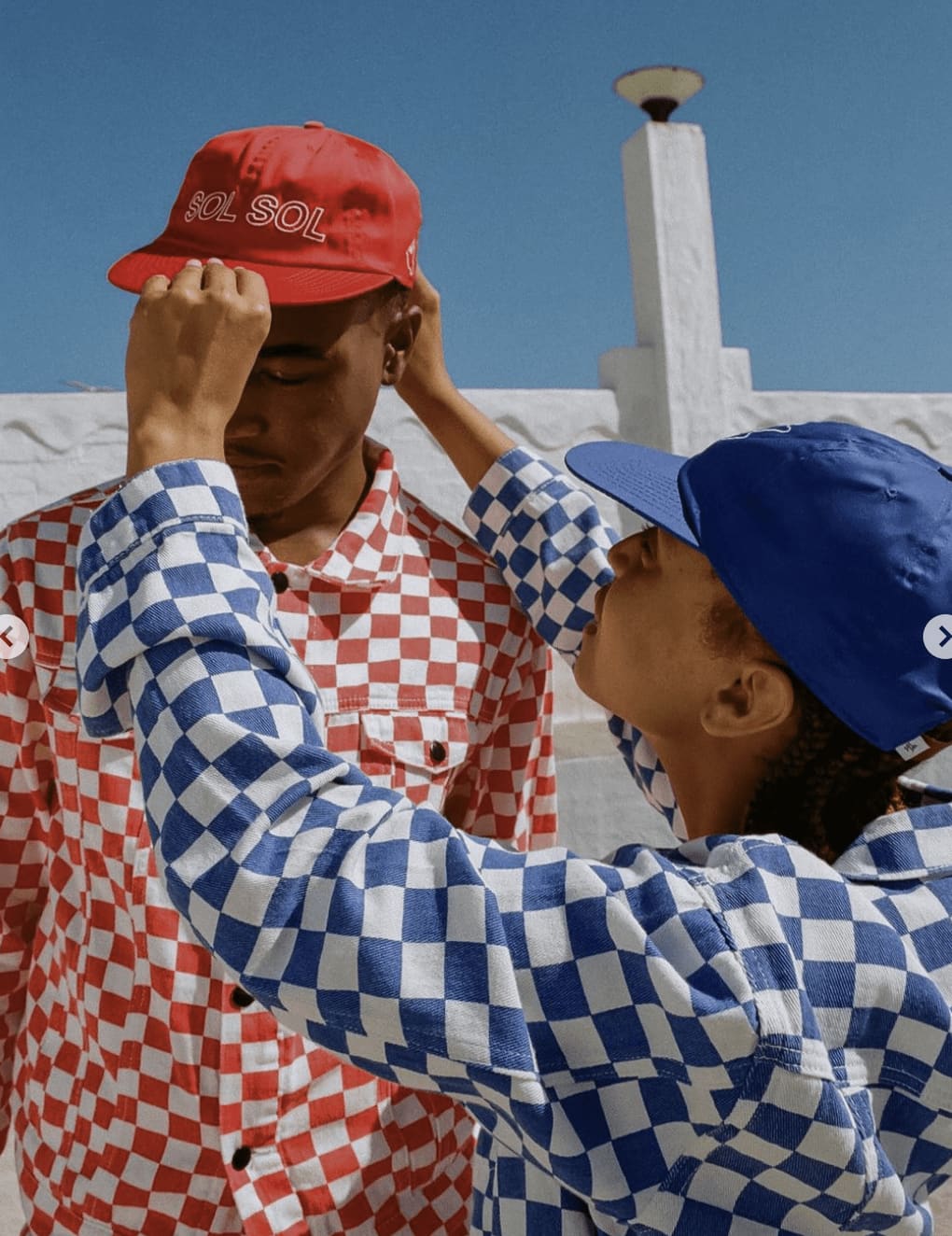
2. SOL-SOL
SOL-SOL approaches streetwear through quality, construction and considered design. The Cape Town-based brand is known for its minimalist aesthetic, premium fabrics and focus on locally made garments that prioritise longevity. Beyond its own collections, SOL-SOL has played a role in shaping independent fashion communities through spaces like Corner Store and Orphan Street Clothing Shop, helping create platforms where South African designers and creatives can connect.
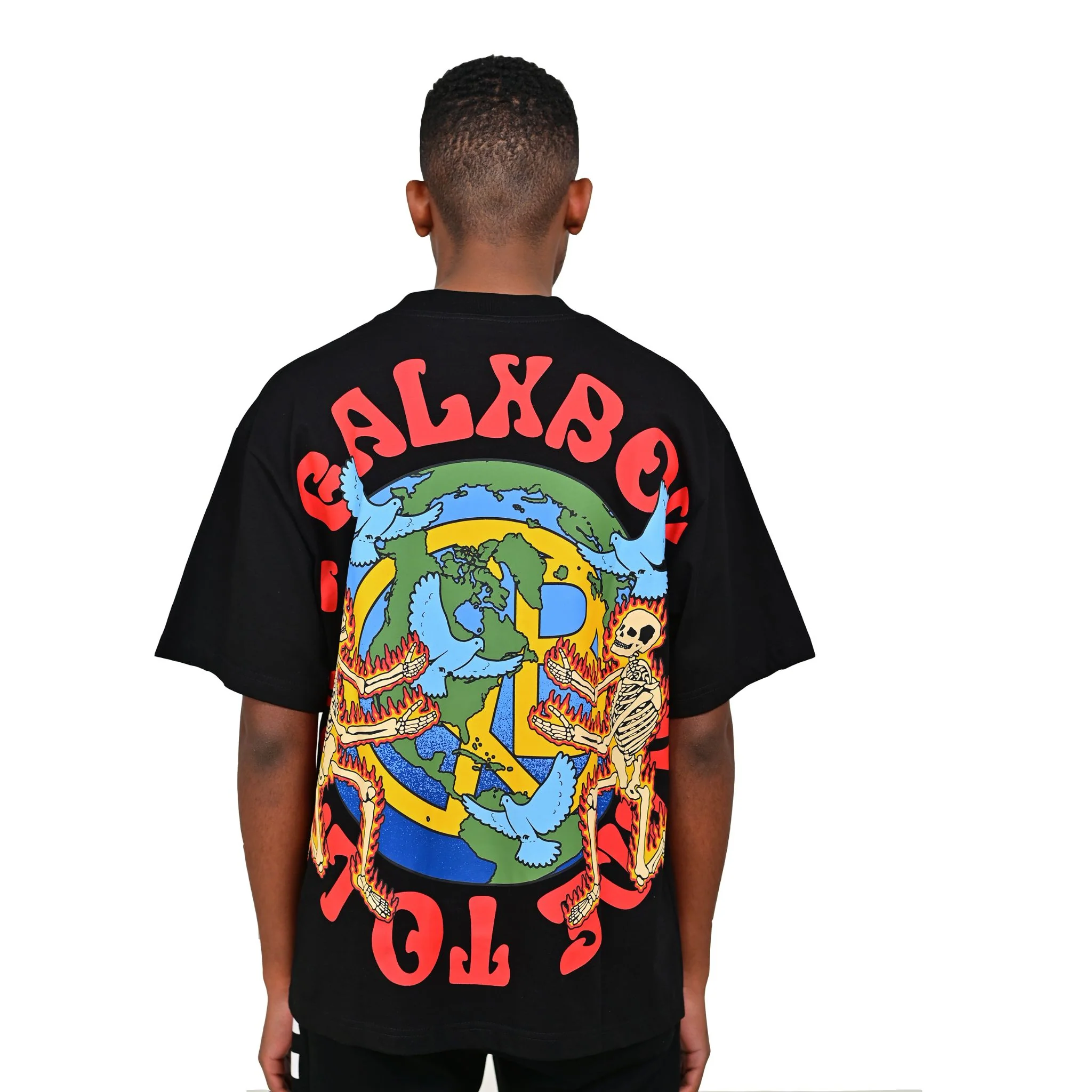
3. GalXBoy
GalXBoy has played a major role in bringing South African streetwear into mainstream youth culture. Known for bold graphics, strong branding and African-inspired design references, the brand has built a large following through accessible streetwear and local production. Its connection to music and collaborations has helped it become part of the visual language of contemporary South African youth.
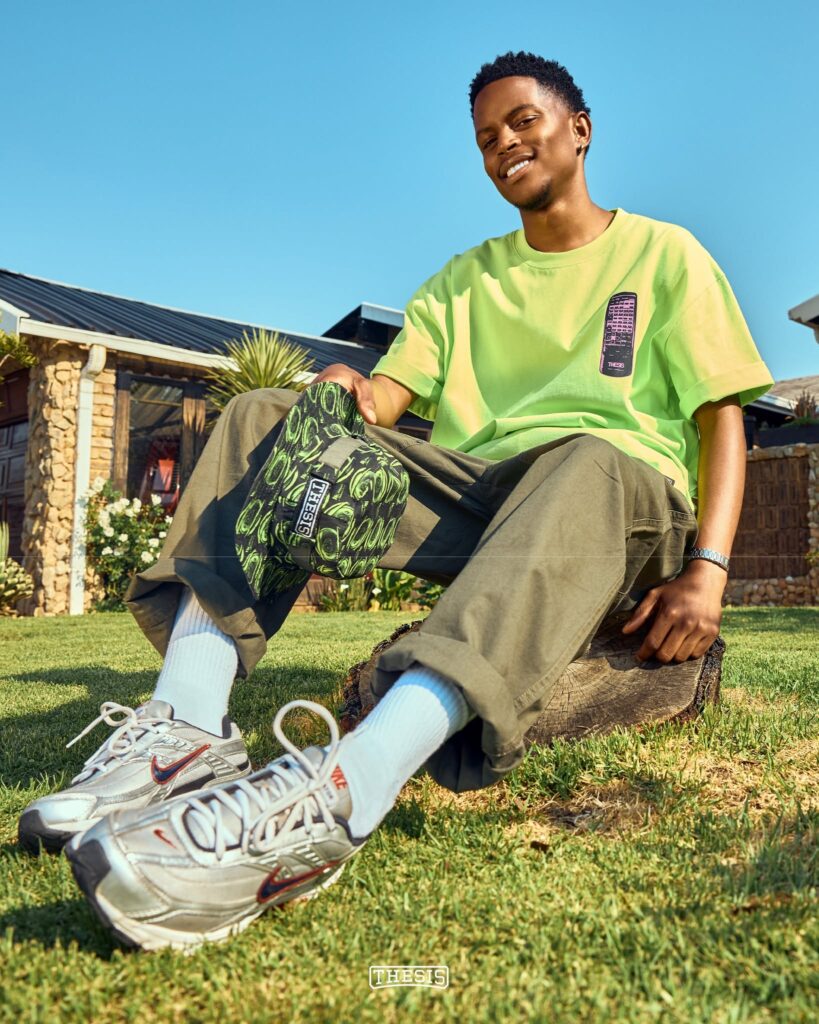
4. Thesis Lifestyle
Thesis Lifestyle remains one of the most important township-rooted streetwear brands in South Africa. Founded in Soweto, the brand creates clothing inspired by local culture, movement and everyday township life. Through its stores, events and community initiatives, Thesis has helped shift perceptions around where fashion spaces can exist, creating a streetwear destination within the township itself.
5. DEAD.
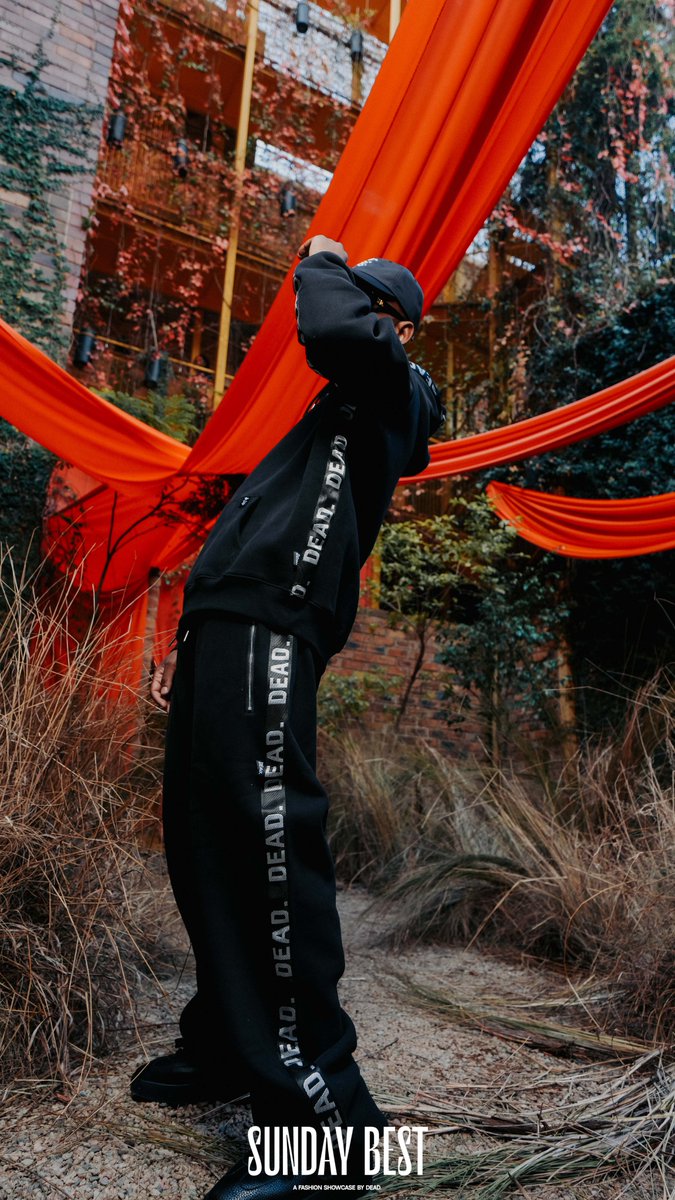
DEAD. has built a strong identity around contemporary streetwear, creativity and limited releases. The Johannesburg-based brand combines clean silhouettes with strong visual concepts, creating clothing that feels connected to art, music and alternative creative communities. Through collaborations, campaigns and its wider creative presence, DEAD. has become part of the ecosystem of independent Johannesburg culture.
6. Happyville
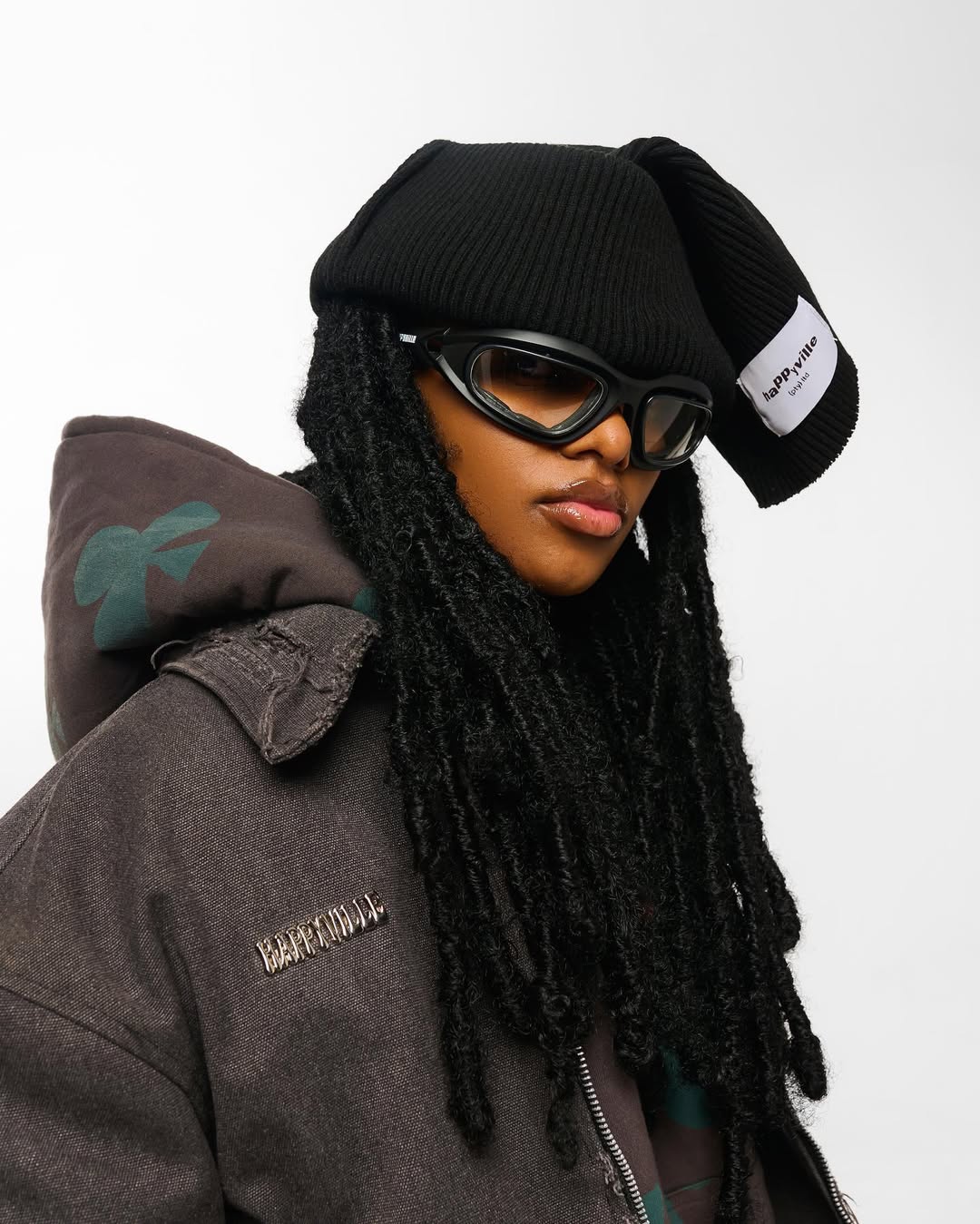
Happyville has built a reputation around statement streetwear pieces that sit between fashion, lifestyle and culture. The Johannesburg-based brand is known for its bold garments, strong visual identity and limited releases that have made it recognisable within South Africa’s independent fashion scene. Through its approach to design and community, Happyville represents a generation of brands creating their own worlds around clothing rather than simply producing garments.
7. SASH South Africa
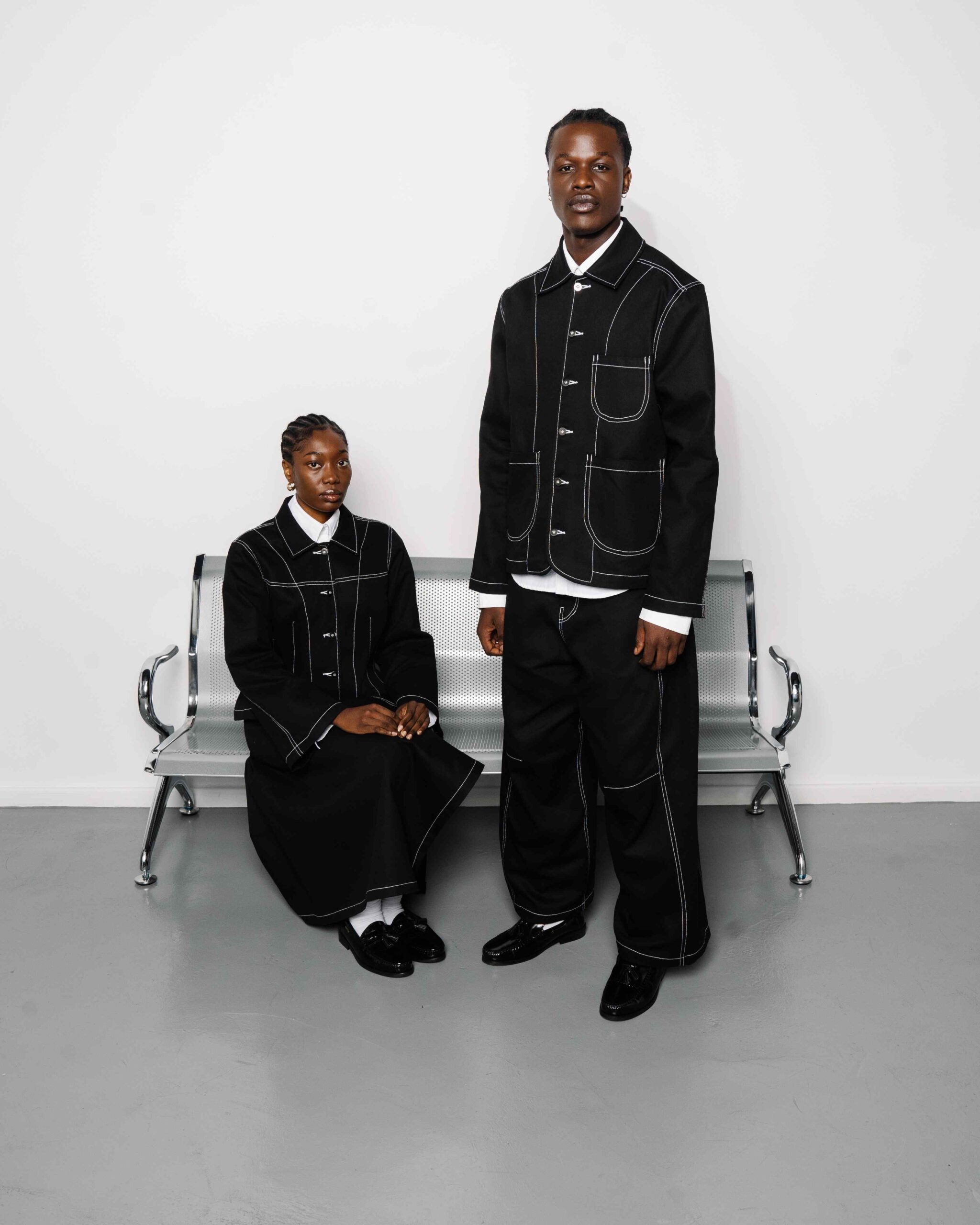
SASH South Africa explores contemporary streetwear through design, storytelling and self-expression. The Johannesburg-based brand creates clothing with a strong creative direction, using fashion as a way to communicate ideas around identity and individuality. Its contribution to the local streetwear scene comes through its thoughtful approach to independent design and its ability to create garments that feel personal, conceptual and rooted in a South African creative perspective.
8. Boys of Soweto
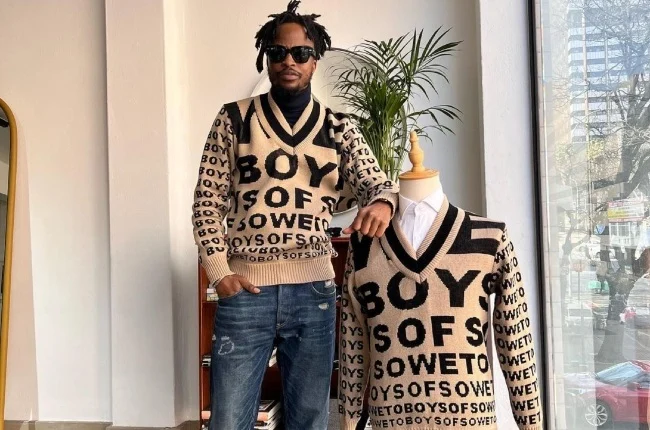
Boys of Soweto brings together tailoring, streetwear and township style. The brand creates garments that explore confidence, personal expression and modern African elegance. Through its Braamfontein store and its approach to design, Boys of Soweto has contributed to conversations around how township influences can exist within contemporary fashion spaces.
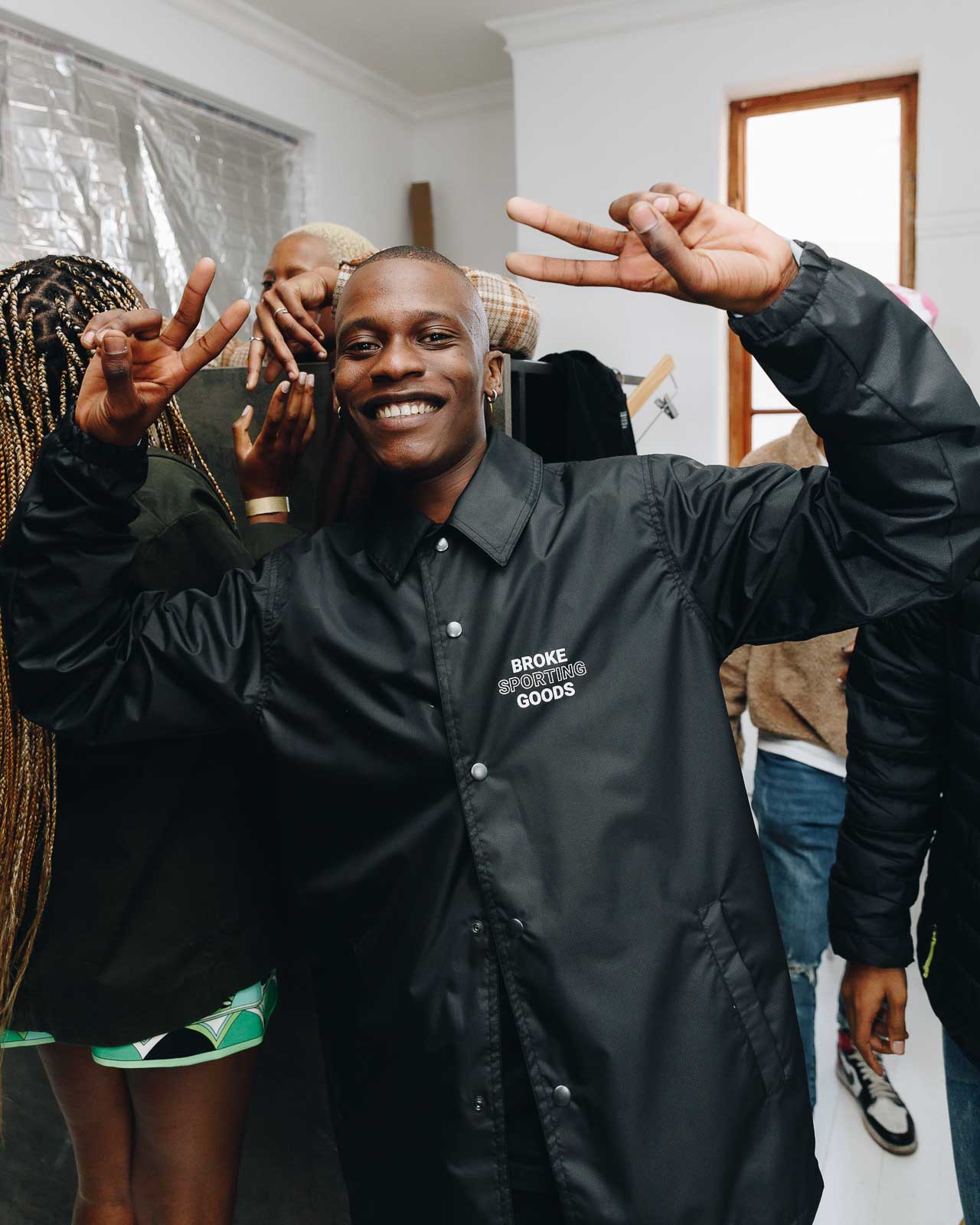
9. Broke
Broke operates at the intersection of streetwear, music and nightlife. The Cape Town-based brand creates clothing while also building experiences through events, collaborations and creative projects. Its connection to underground culture has helped position it as more than a clothing label, becoming part of the communities and scenes that influence its aesthetic.
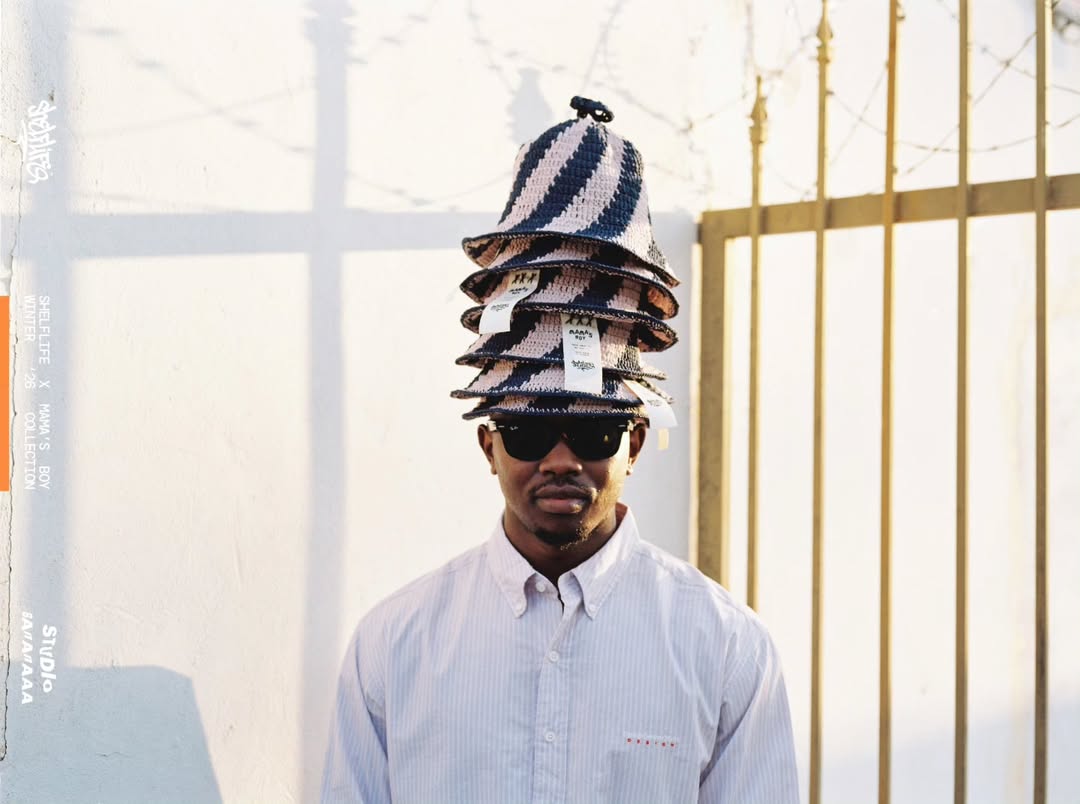
10. Studio Bananaaa
Studio Banana explores fashion through craft, creativity and storytelling. The Soweto-based studio is known for projects like Mama’s Boy, a handmade crochet headwear line created alongside Simphiwe Khumalo’s mother. By bringing traditional craft into contemporary fashion spaces, Studio Banana adds a more personal and experimental perspective to South African streetwear.
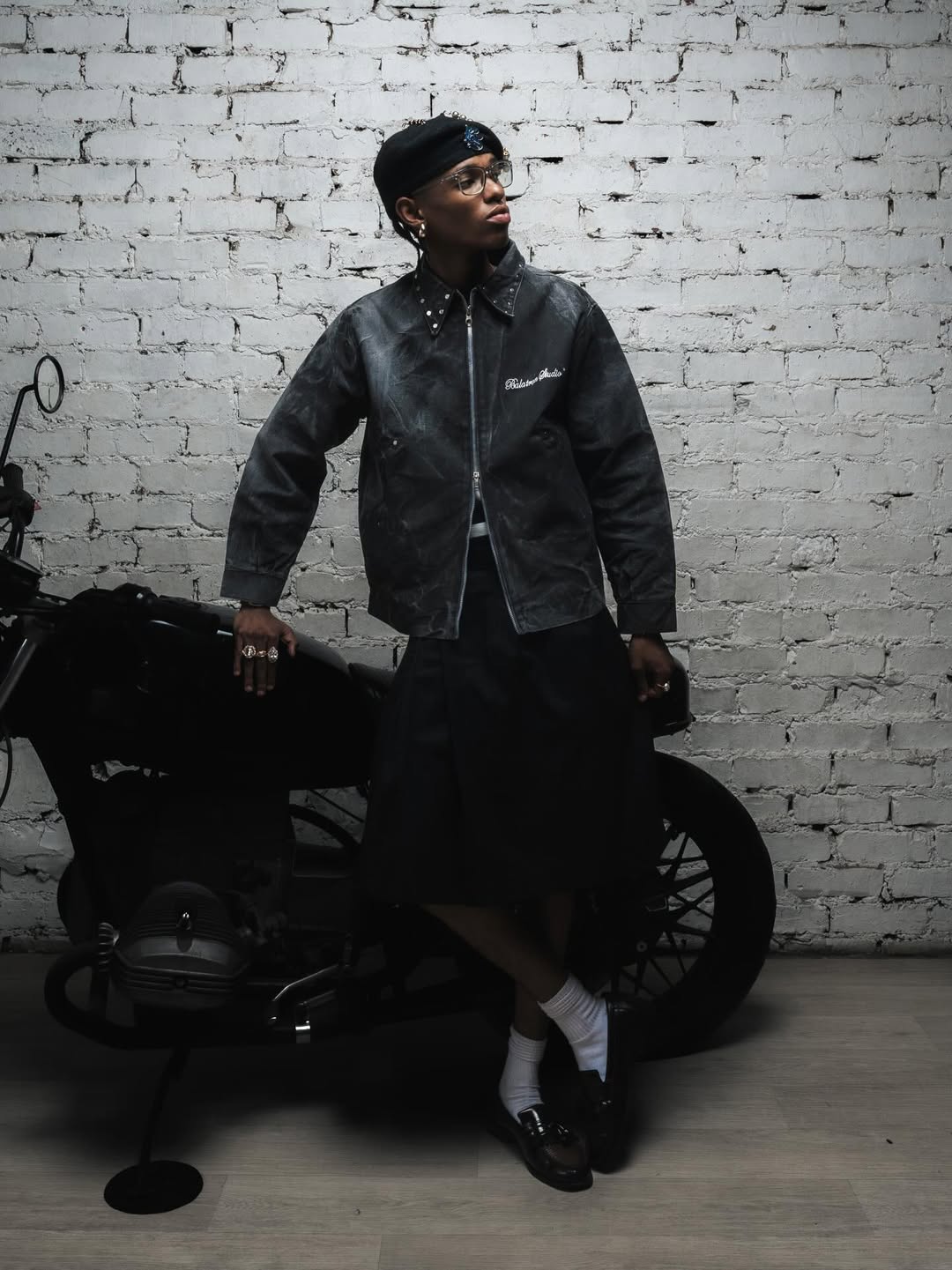
11. Balatron
Balatron represents a more experimental side of South African streetwear. The brand focuses on strong silhouettes, oversized proportions, graphic elements and limited-run pieces. Its approach reflects a generation of designers interested in pushing construction and visual identity rather than following traditional fashion formulas.
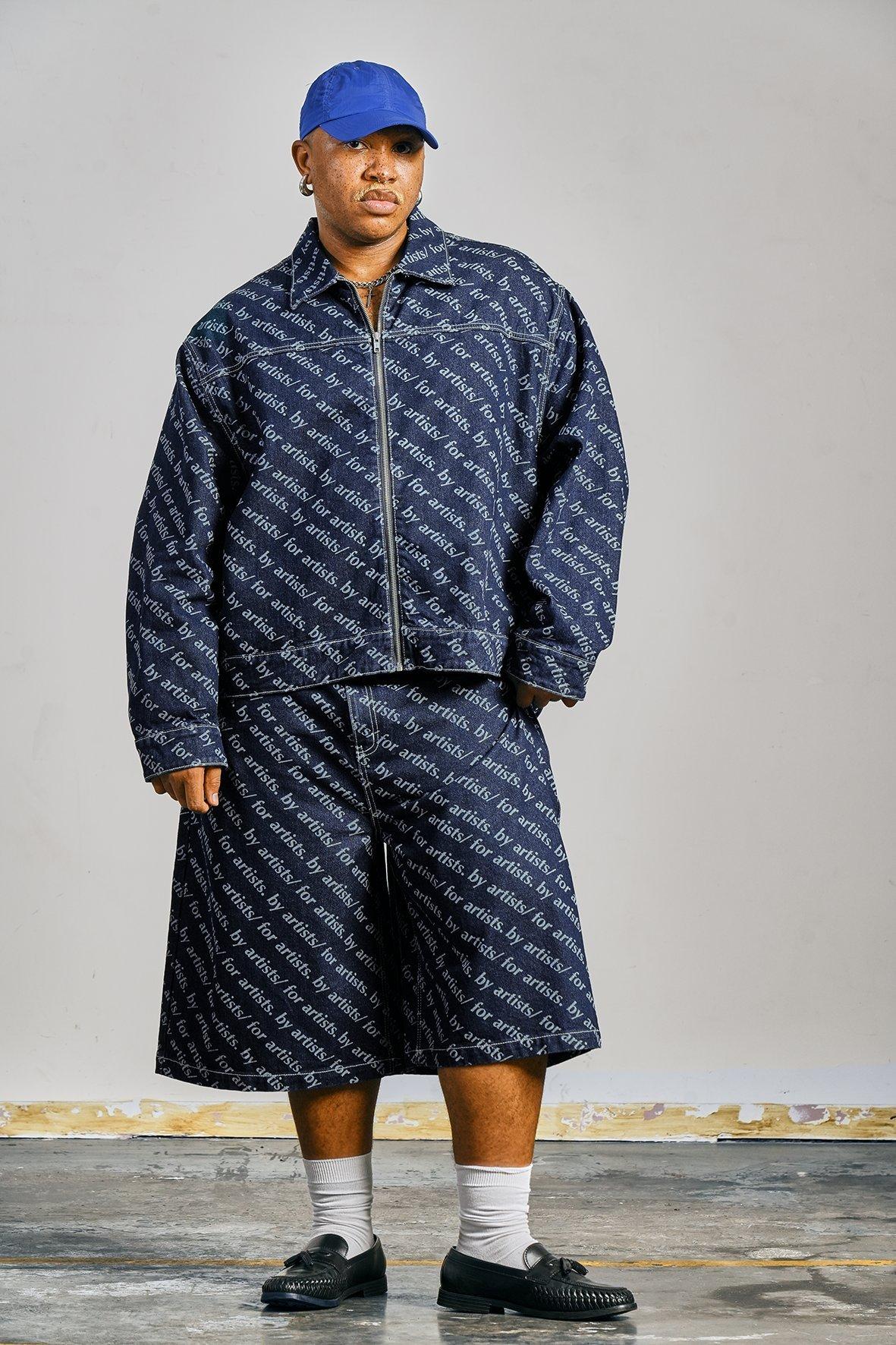
12. Artclub
Artclub and Friends has built its identity around slow fashion, collaboration and inclusivity. The Cape Town-based brand creates clothing through a thoughtful production approach, focusing on local manufacturing and creative communities. Its work reflects a growing movement within South African fashion where clothing becomes connected to the people and processes behind it.
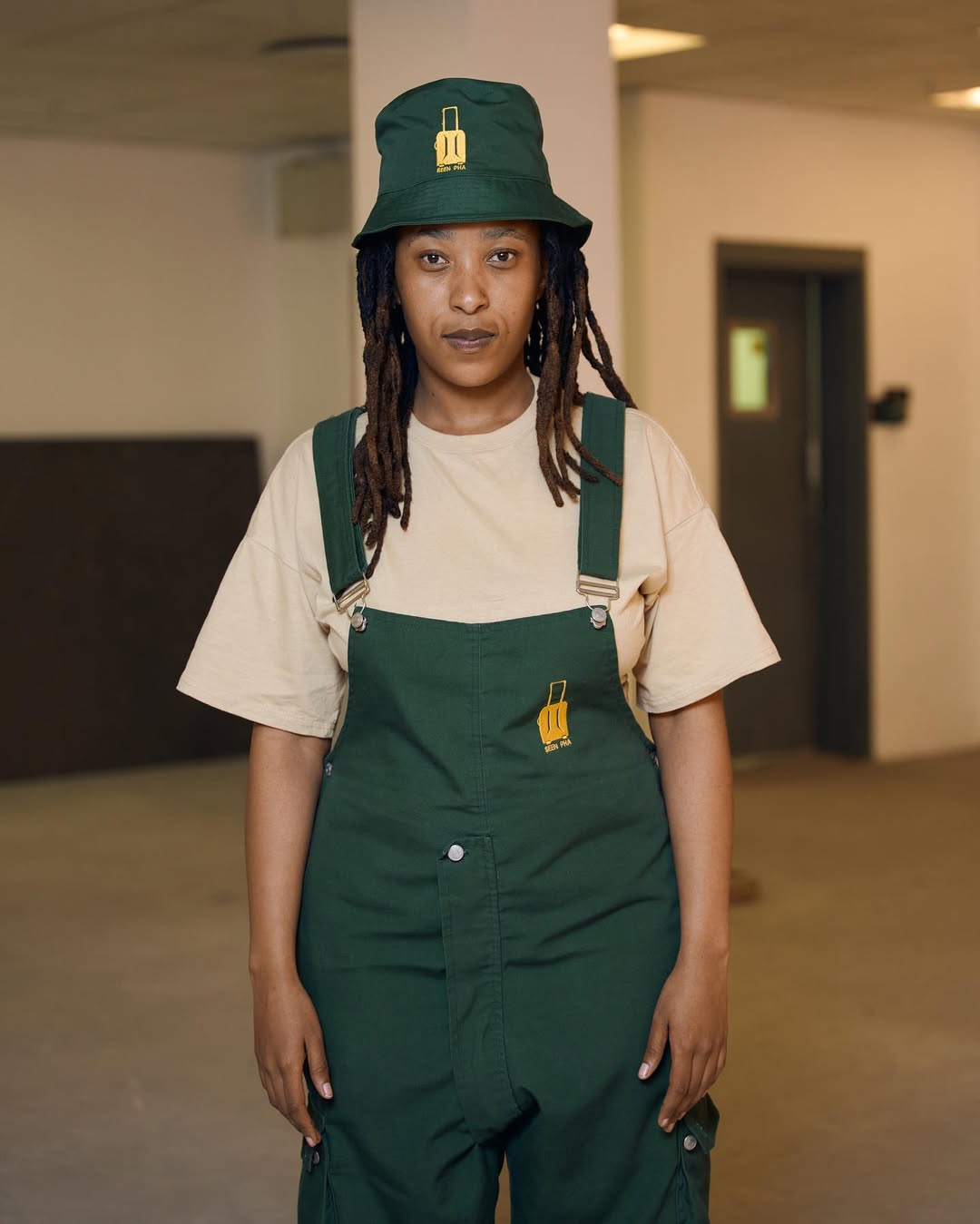
13. Seen Pha
Seen Pha approaches clothing as part of a wider creative world connected to Johannesburg’s arts scene. The brand’s identity is closely linked to Ub’Dope Shishini, a creative platform that works across fashion, performance and storytelling. Through its designs and collaborations, Seen Pha reflects the relationship between streetwear and local creative communities, creating clothing that speaks to the people and spaces around it. The brand represents a more unconventional approach to fashion, where clothing becomes connected to broader cultural conversations happening within South Africa’s artistic landscape.
14. Sheisty Lavia
Sheisty Lavia has created a distinct identity within South African streetwear through its focus on balaclavas and technical accessories. The Johannesburg-based brand takes an item associated with global street culture and builds its own fashion language around it, connecting with alternative youth spaces, nightlife and contemporary urban style.

15. House of Lordes
House of Lordes combines streetwear, tailoring and cultural storytelling. Based in Cape Town, the brand creates clothing that explores confidence, identity and self-expression while drawing inspiration from South African heritage. Its ability to move between bespoke pieces, streetwear and commercial collaborations has made it an interesting example of fashion expanding into wider markets.
16. Amiigossss
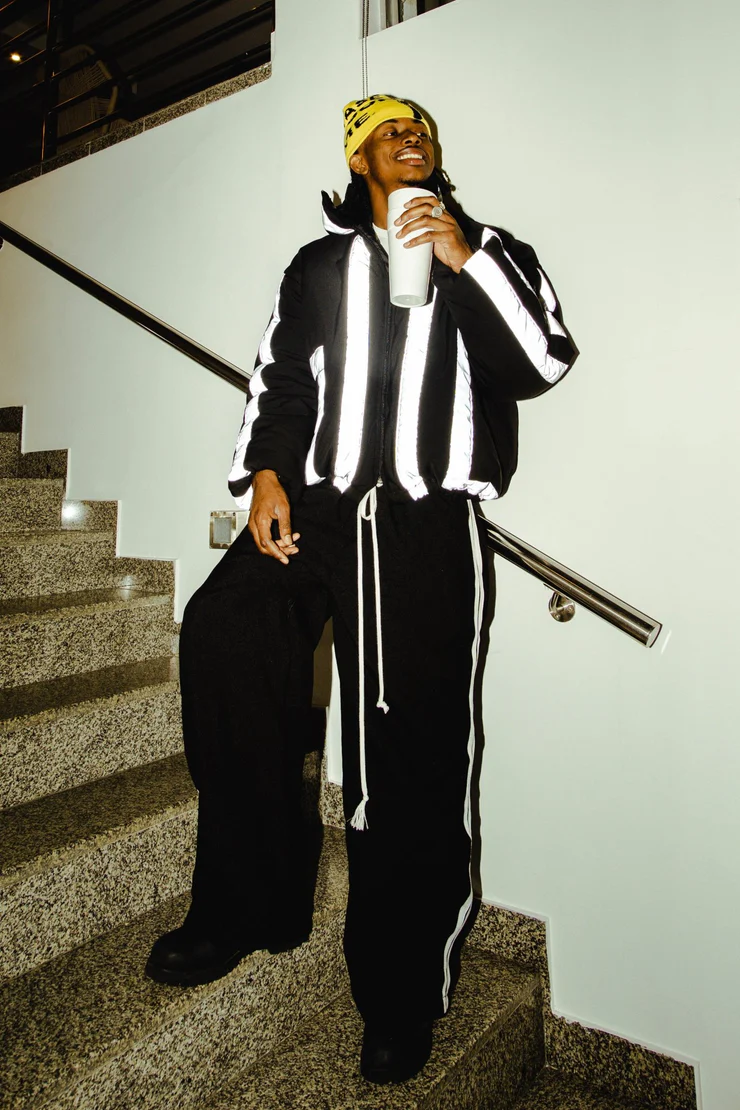
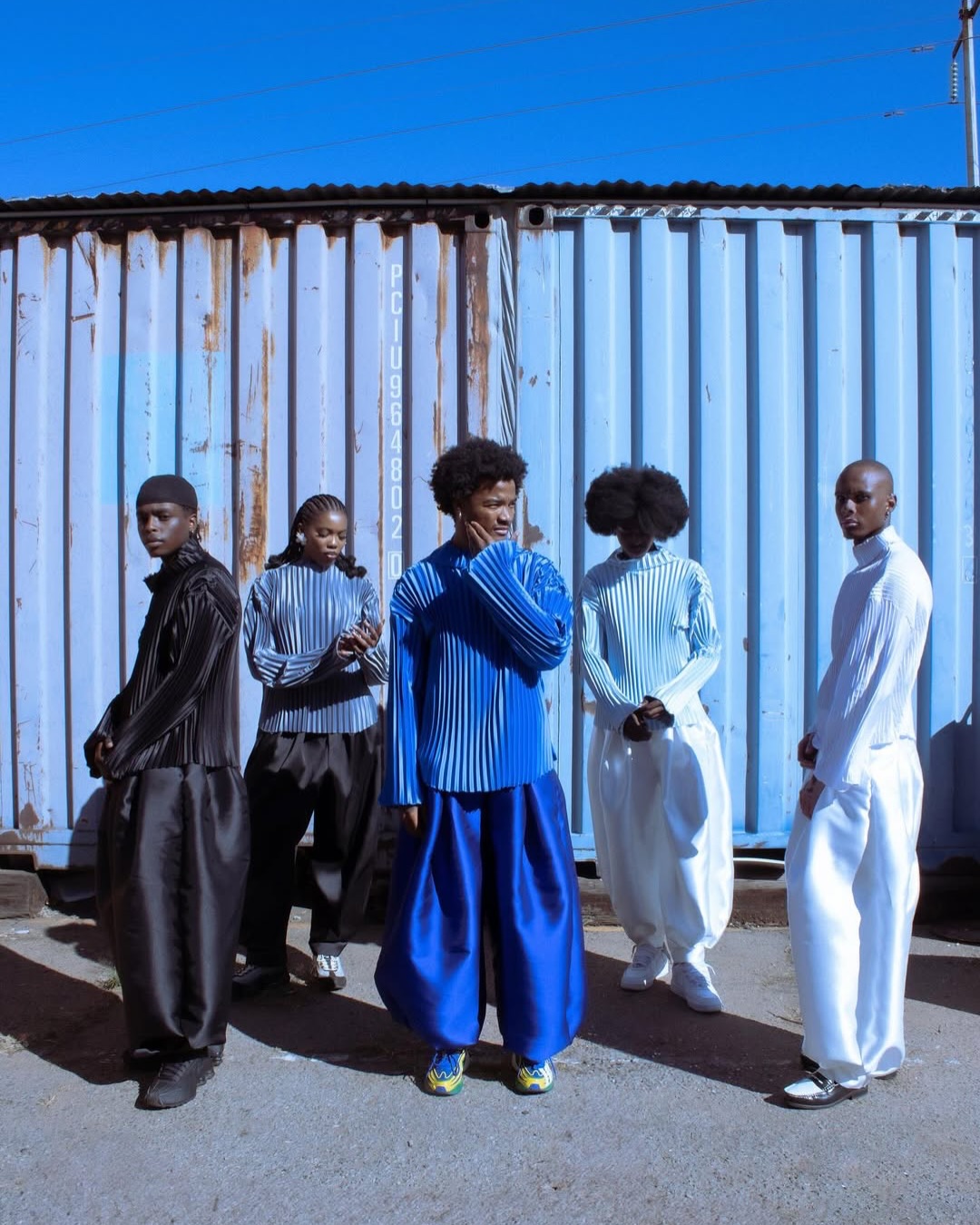
Amiigossss brings a more playful and considered approach to South African streetwear. The Cape Town-based brand focuses on well-made pieces with interesting details, experimenting with silhouettes, construction and styling choices rather than relying on traditional streetwear formulas. From pieces like pleated shirts and carefully designed garments, Amiigossss shows a more refined side of youth fashion where creativity comes through in the way clothing is made and worn. The brand represents a younger generation of designers exploring individuality, quality and personal style within the South African streetwear space.
17. Punyete
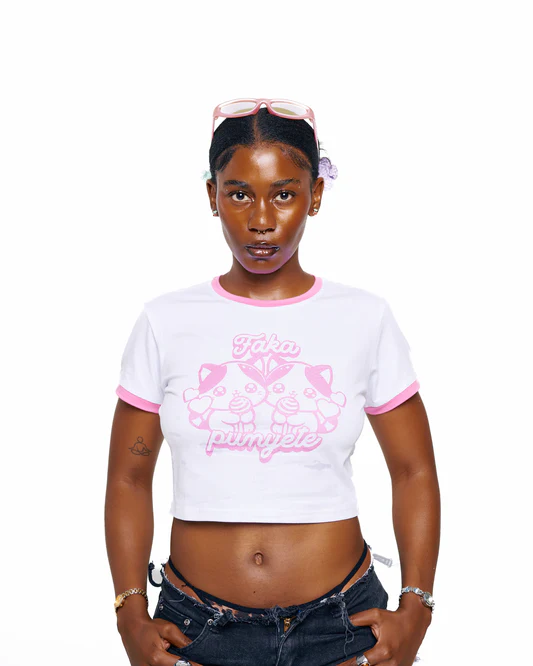
Created by rapper Loatinover Pounds, Punyete began as a way of extending his creative world beyond music into clothing and lifestyle. The brand creates pieces including tracksuits, hoodies and caps while building a wider community through initiatives like Punyete Premier League and Punyete Sontaga. It represents the growing connection between South African music artists and fashion.
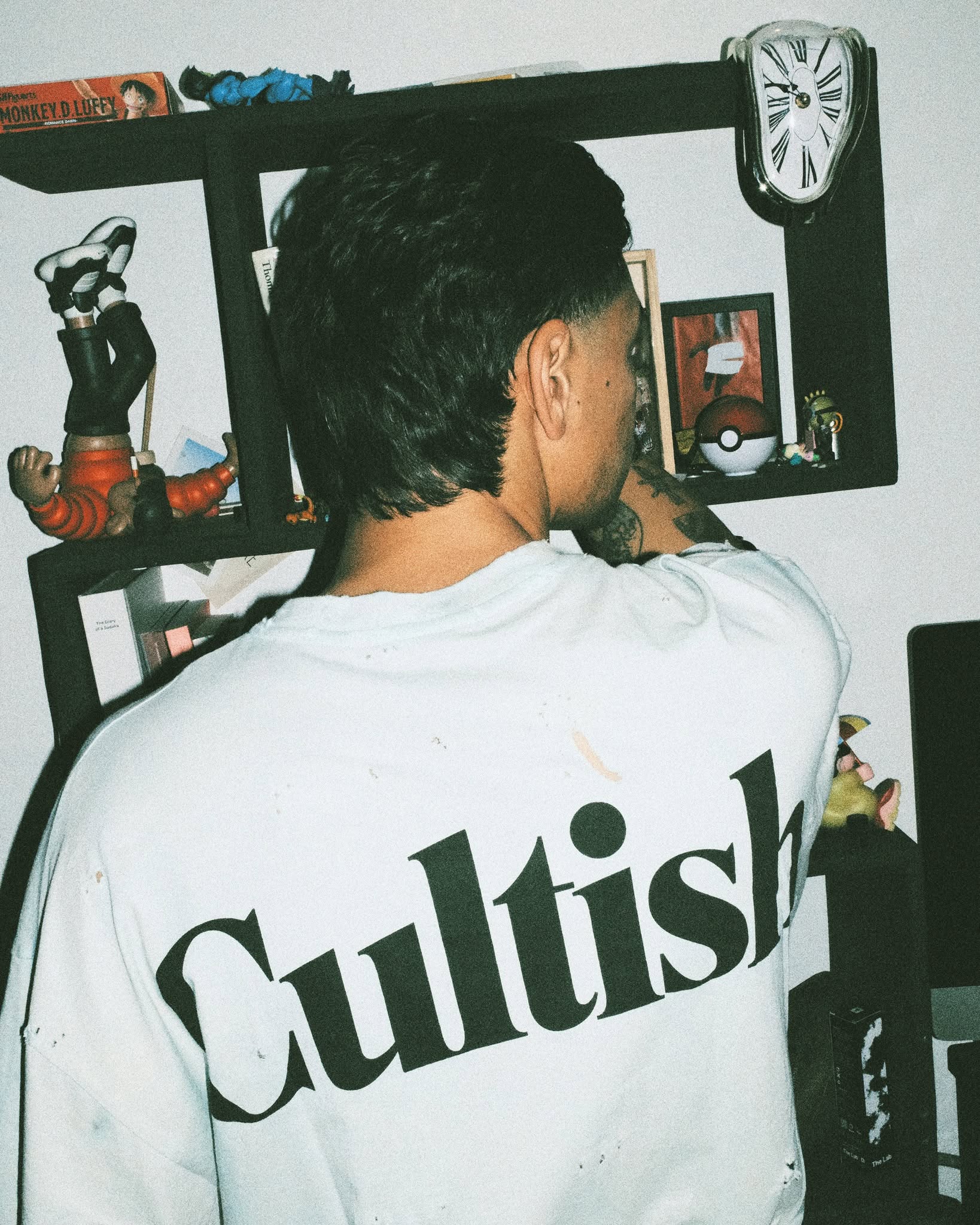
18. Cultish
Cultish approaches streetwear through experimentation, graphic design and material treatments. The Cape Town brand is known for its alternative aesthetic, limited releases and attention to the physical process of creating garments. Its work speaks to a generation interested in independent fashion outside mainstream retail.
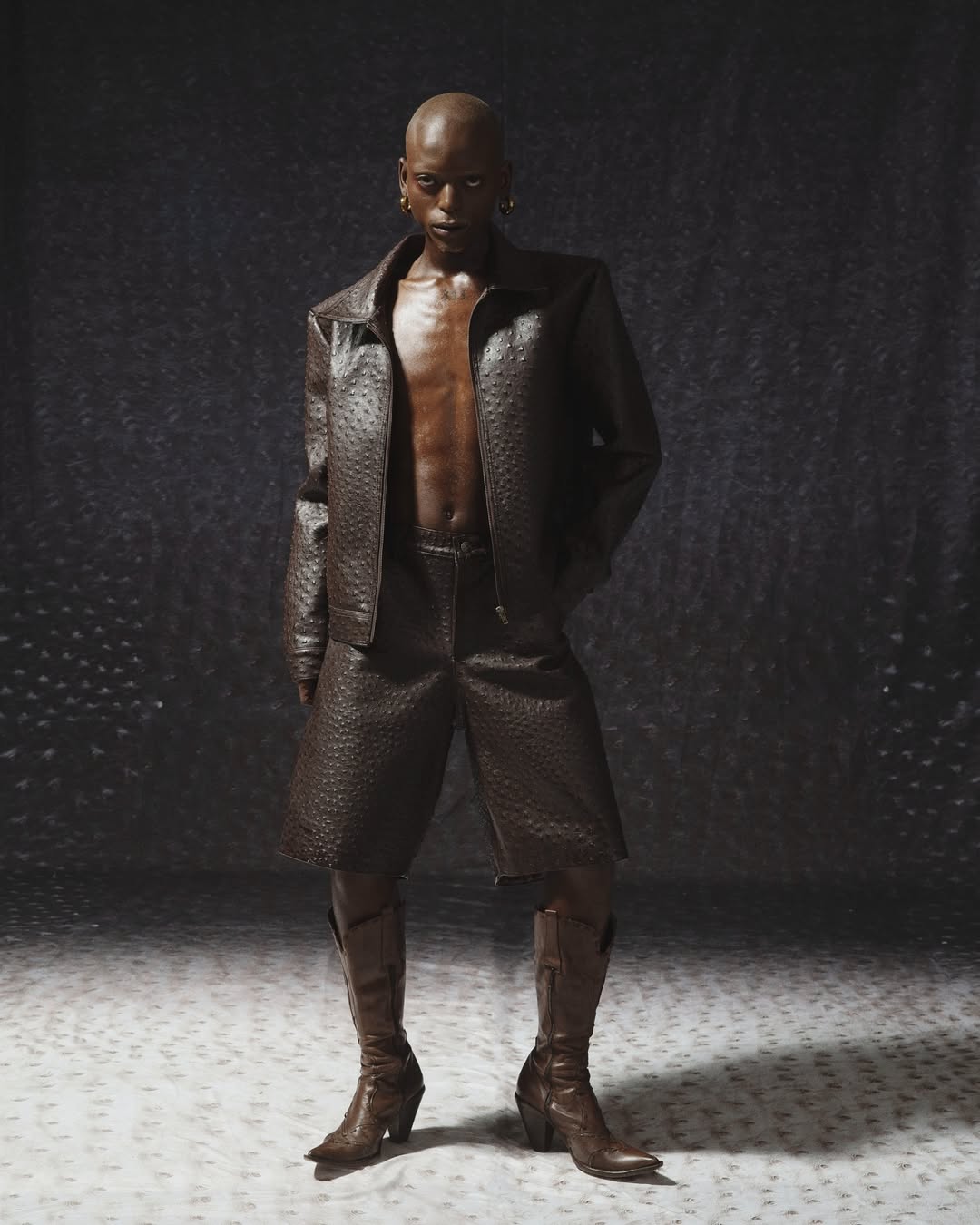
19. Ntwana Official
Ntwana Official explores a darker, more conceptual side of South African streetwear. The brand creates structured garments influenced by alternative fashion, nightlife and creative subcultures. Its approach reflects the diversity of local streetwear, showing that the scene extends beyond traditional street styles.
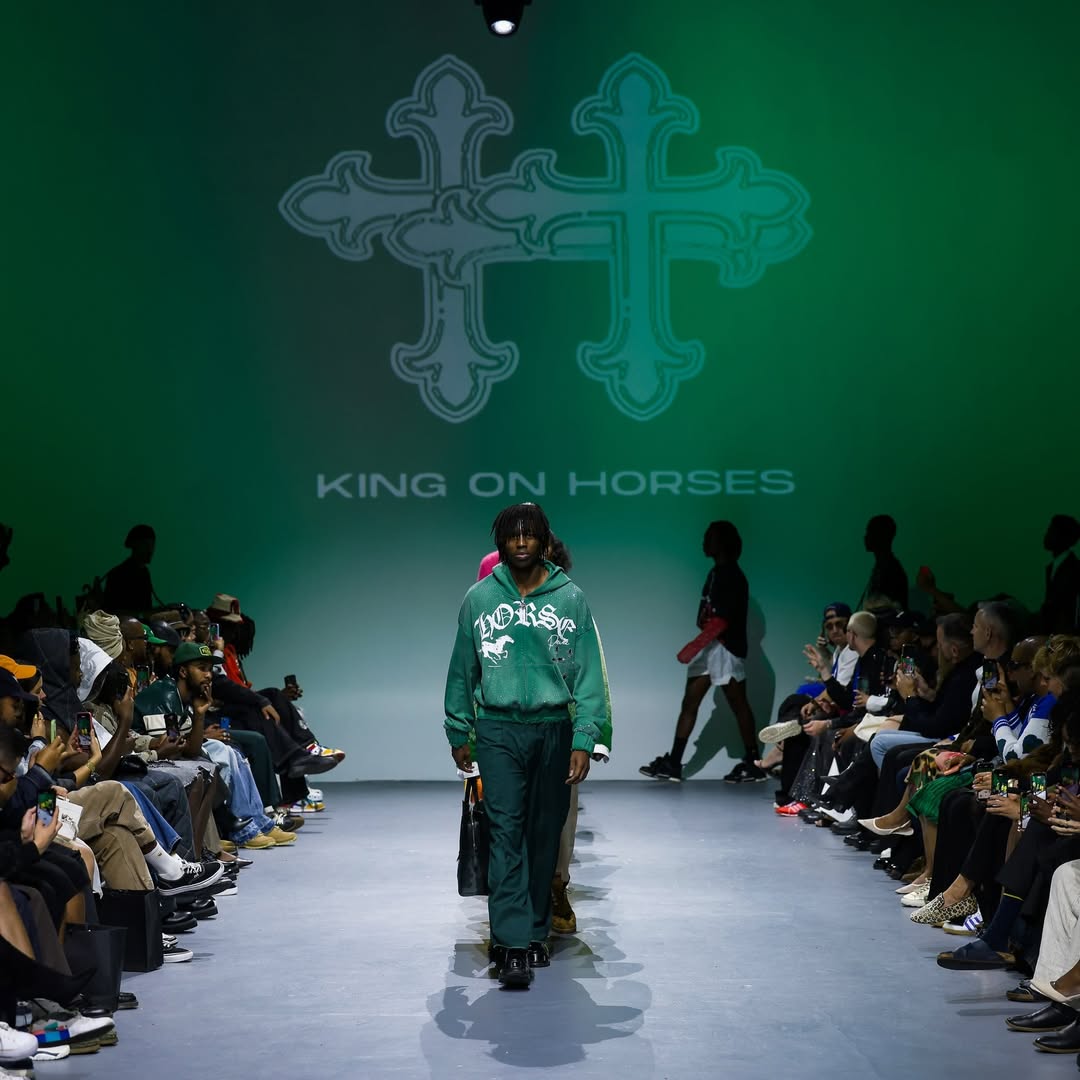
20. King On Horses
King On Horses blends contemporary streetwear with elements of luxury fashion and heritage. The brand experiments with silhouettes, materials and cultural references to create pieces that feel bold and fashion-forward. Its work represents a more design-led direction within South African streetwear.
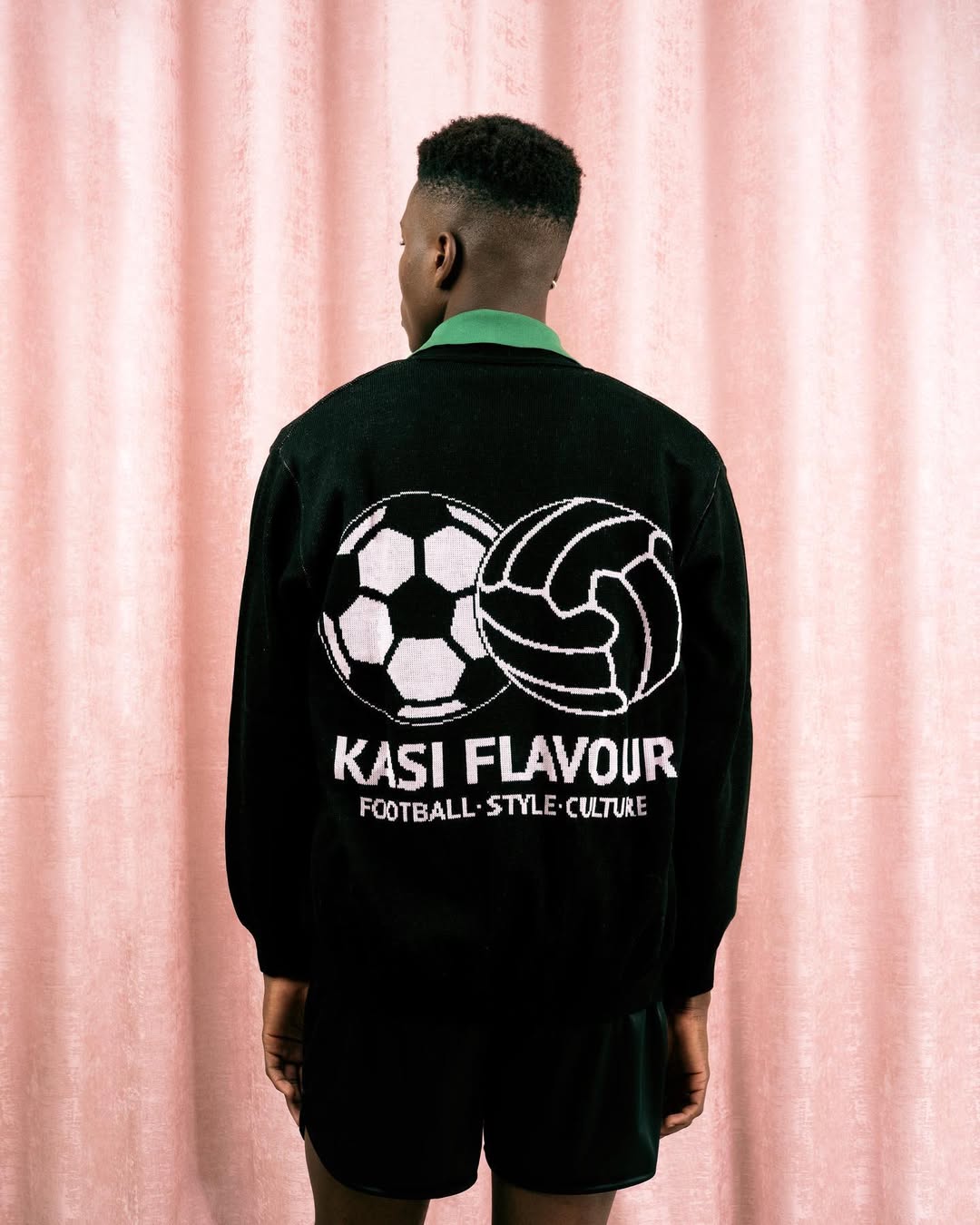
21. Kasi Flavour
Kasi Flavour celebrates South African football culture through fashion. The brand creates soccer-inspired clothing, including South African football shirts and pieces influenced by the country’s sporting history. By turning football memories and local style references into wearable pieces, Kasi Flavour connects fashion with nostalgia, identity and national pride.
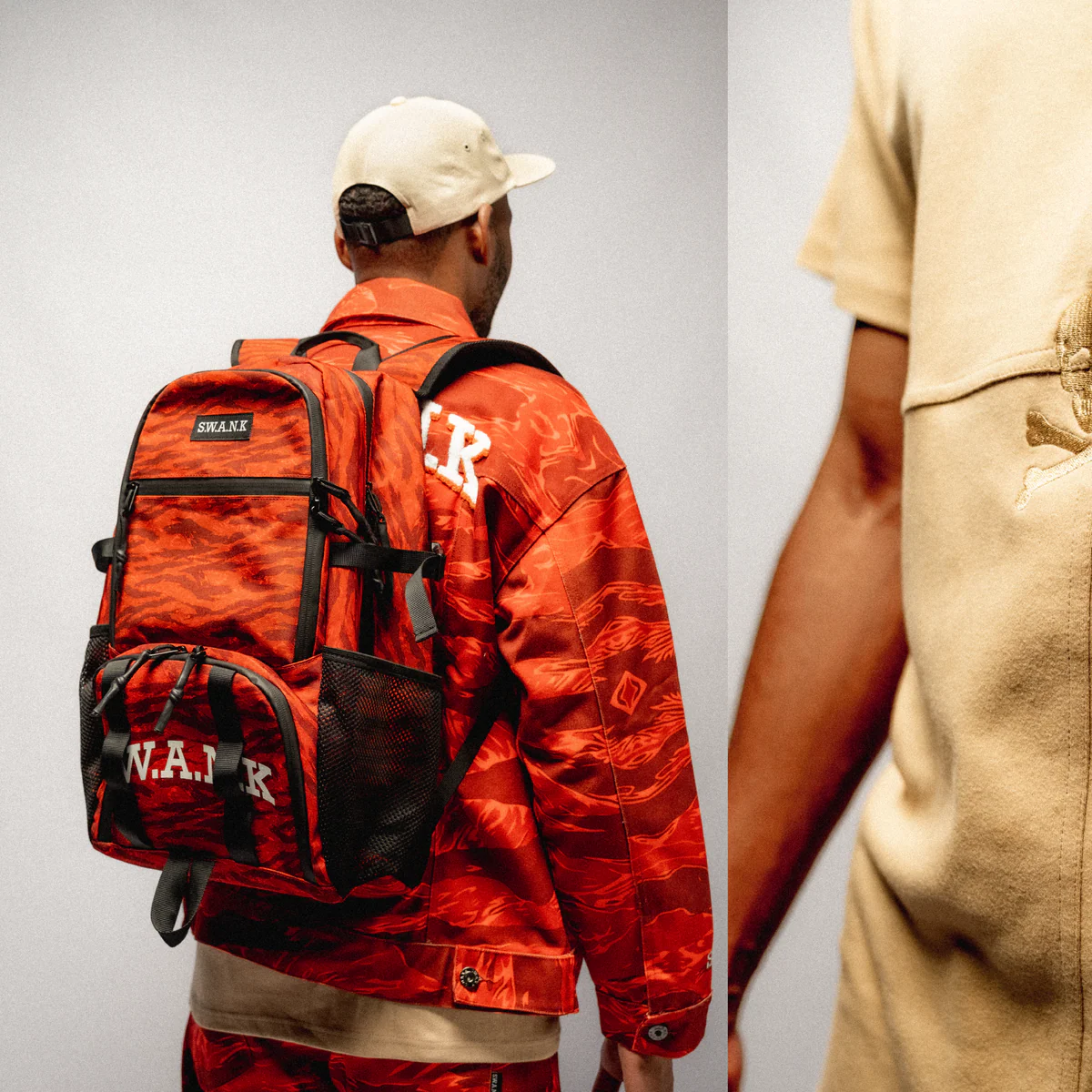
22. S.W.A.N.K
S.W.A.N.K explores streetwear through utility, storytelling and Johannesburg-inspired design. The brand creates pieces influenced by urban environments, incorporating functional details and custom visual references. Its approach gives technical streetwear a distinctly local perspective.
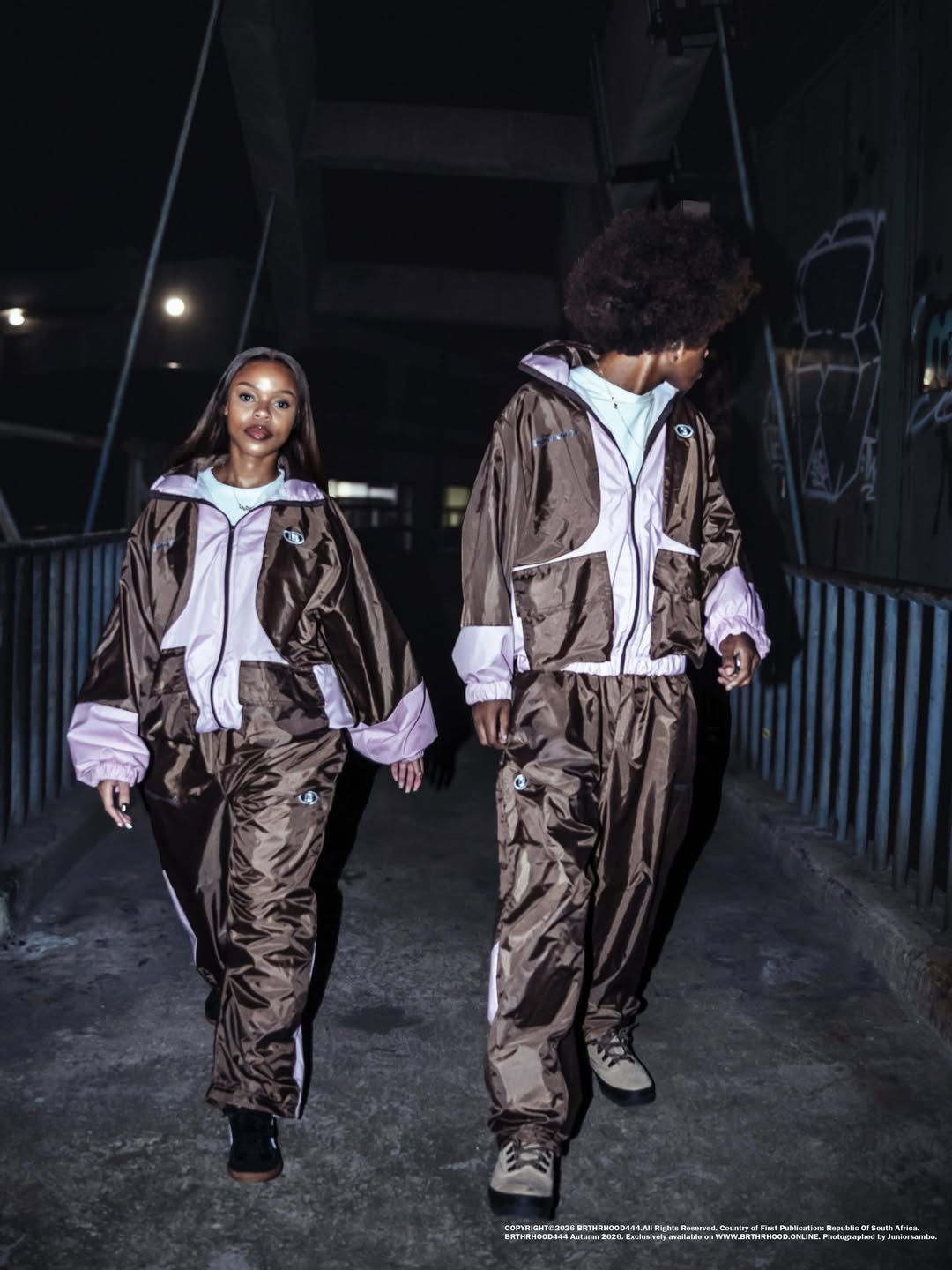
23. BRTHRHOOD444
BRTHRHOOD444 represents a younger generation of South African streetwear through technical fashion, sports influences and bold visual identity. The brand connects with youth culture, movement and the energy of independent creative communities.
24. Michael Matthews
Michael Matthews approaches fashion through conceptual design and storytelling. The brand creates contemporary garments with a strong focus on structure, visuals and creative direction. Its work sits at the intersection of fashion and other creative disciplines, bringing a more narrative-driven approach to South African design.

The Culture Behind the Clothing
What makes South African streetwear interesting is the variety of worlds being created within it. These brands are drawing from different parts of the country’s creative landscape: music, sport, townships, art, nightlife, heritage and independent design.
Together, they reflect a streetwear scene that continues to develop its own identity while giving South African creatives new ways to express themselves.