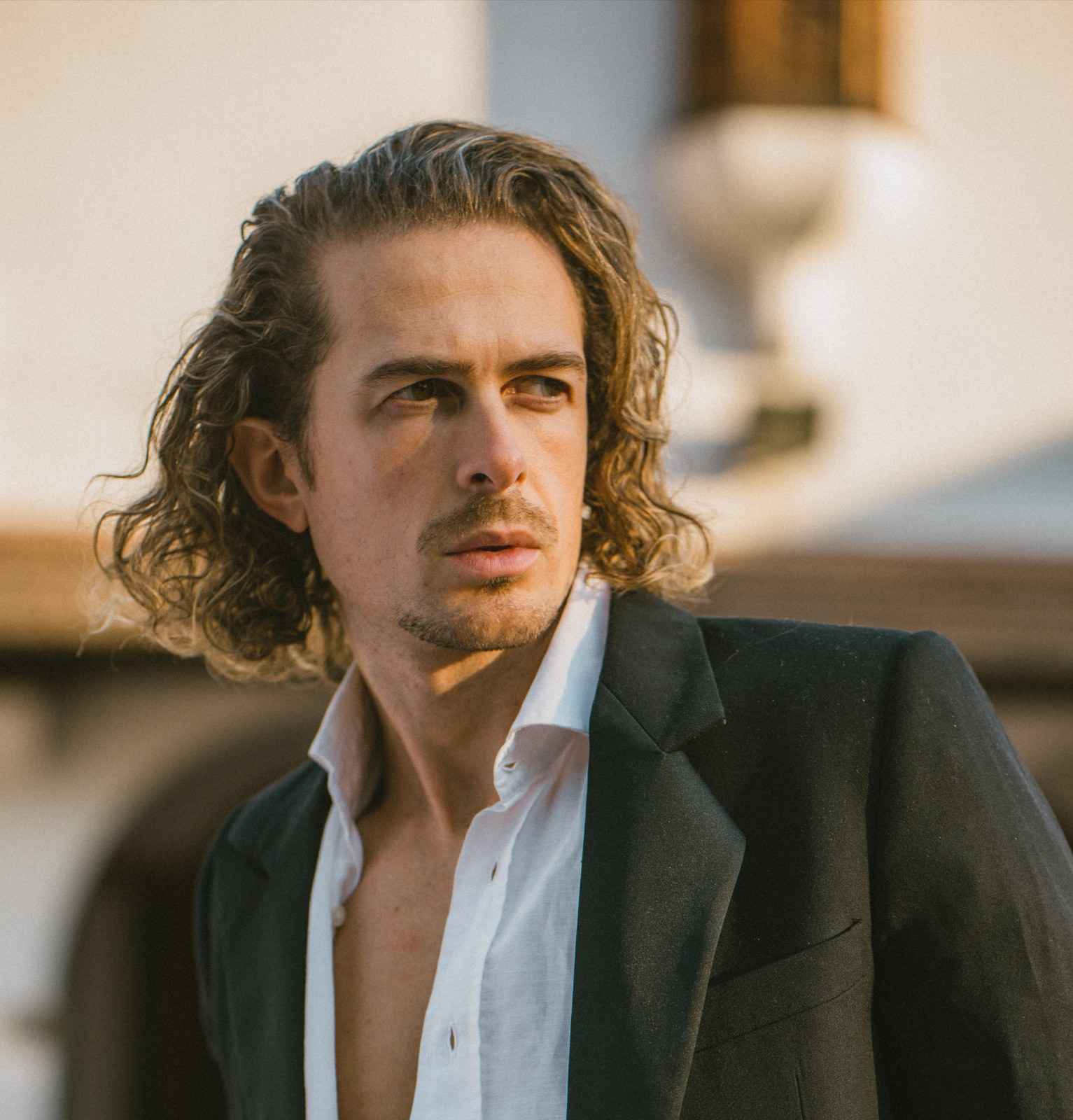
Federico Ancillai has carved out a rare path in South Africa’s creative landscape. From the soccer fields of Italy to the soundstages of Johannesburg, he’s navigated culture shocks, industry barriers, and the balancing act between commercial modeling and socially conscious filmmaking. As co-founder of Komorebi Pictures and the first Italian actor to break into a major South African soapie, Binnelanders, his journey is both global and deeply local.
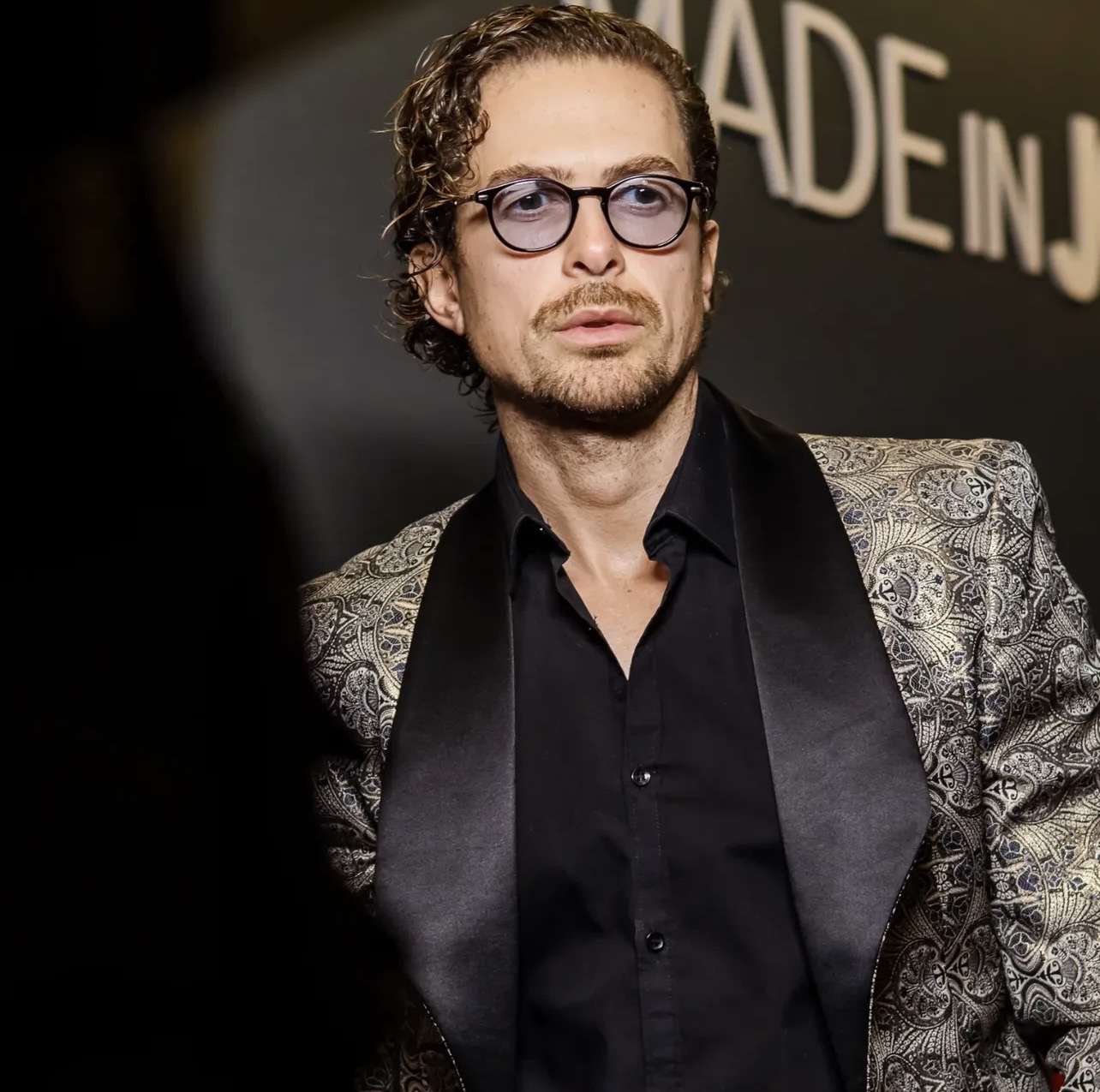
In this conversation with SA Creatives, Federico reflects on discipline learned from sport, lessons from producing, and the overlooked beauty of South Africa’s creative scene. He also shares candid thoughts on the challenges of integrating international talent into local narratives, while championing the immense potential of South African artists on the global stage.
Q1: Federico, you traded the historic film hubs of Italy for the electric energy of Johannesburg. What was the most surprising culture shock you experienced regarding professional etiquette on a South African set versus an Italian one?
A: My initial experience on a South African film set was a pleasant cultural shock,given the calm and well-managed atmosphere that everyone seemed to maintain when they are on set working also under stress , which contrasted definitely with the one in Italy where stress levels appeared to be higher and much more openly expressed.
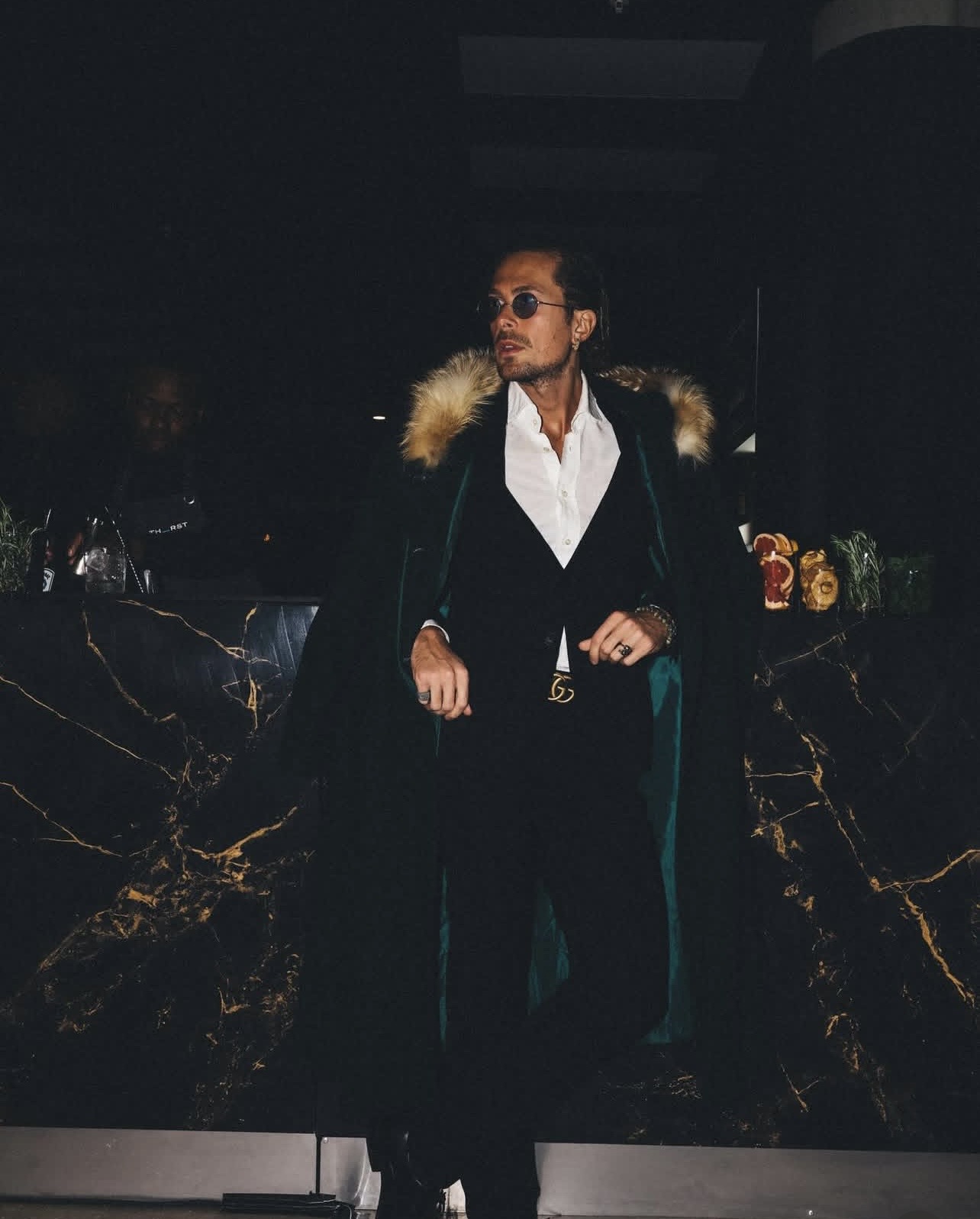
Q2: You made history as the first Italian actor in a major South African soapie, Binnelanders. In an industry that often relies on “local is lekker,” how did you navigate the challenge of being a global actor while proving you could fit into a very specific South African narrative?
A: It’s quite challenging because you guys rely heavily on local stories, and I hope this can change, especially in Johannesburg, as it would be incredibly important for the industry to attract international work. This would not only expand the market but also bring cultural growth, We’ve faced difficulties, but we’re starting to show people that they can work with international actors also in Johannesburg to create compelling stories, as we did with Binnelanders and on one of my recent projects, Sanarl G20.
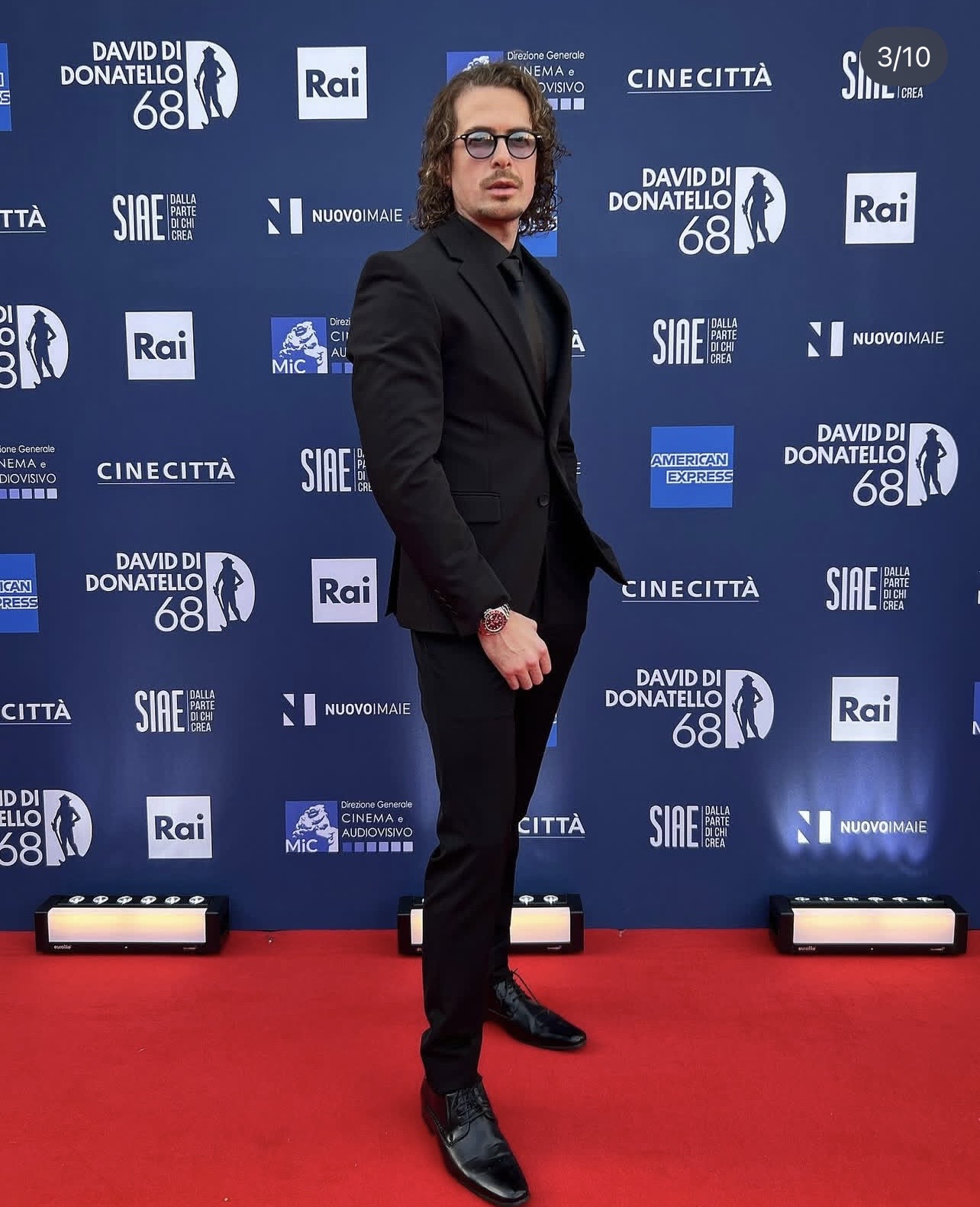
People enjoy it when they see the show featuring international actors or Italian actors like in my case, they want more. And there are so many positive feedbacks However, a lot of productions are hesitant,it seems scared to try something new,fresh and honestly, I’m not sure why, because the audience just loves it. Maybe they believe the time isn’t still right, but if not in 2026, then when can we expect it to arrive?i think time as arrived and let’s go for it without being scared because there is nothing to be scared off,it only can bring more and more in all aspects.
Q3: Your first career was professional soccer before injury pivoted you toward the arts. We often talk about the hustle at SA Creatives. How has the elite athlete mindset helped you survive the rejection and long hours of the film industry?
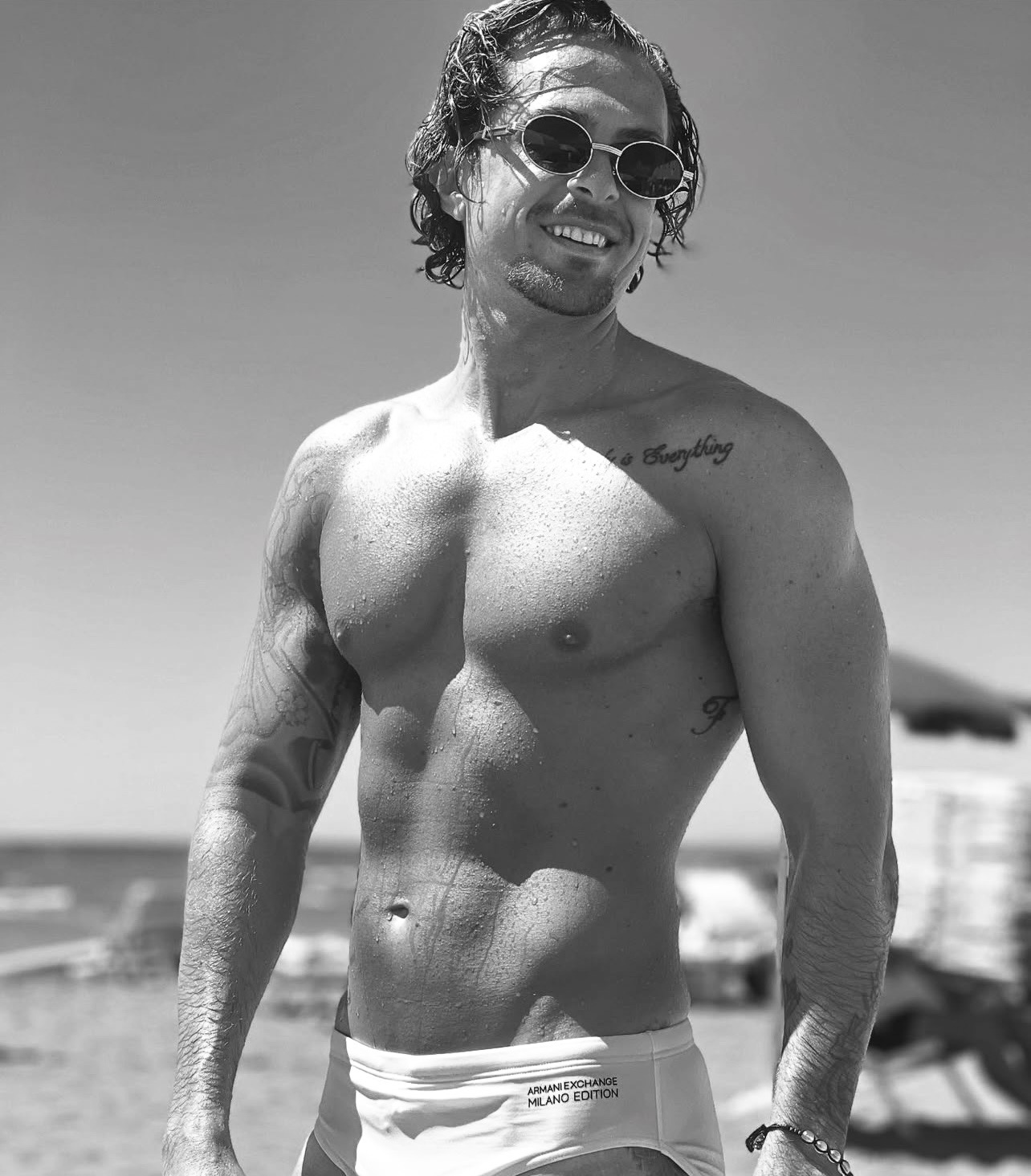
A: Doing sports from a young age and growing up in sport to end up in professional sport instills a big quantity of discipline, which is crucial in this industry. With discipline, you’ll be able to navigate through rejections and wait for your opportunity, because believing in your abilities will ultimately lead to success.
Q4: As a co-founder of Komorebi Pictures, you aren’t just waiting for the phone to ring—you’re creating the work. What is one business lesson you’ve learned about producing in SA that you wish you knew when you were just starting out as an actor?
A: Exercise caution when working with others and ensure they are doing their job, as mistakes can happen unexpectedly; being meticulous with your own work is also crucial since you’re human and prone to errors.
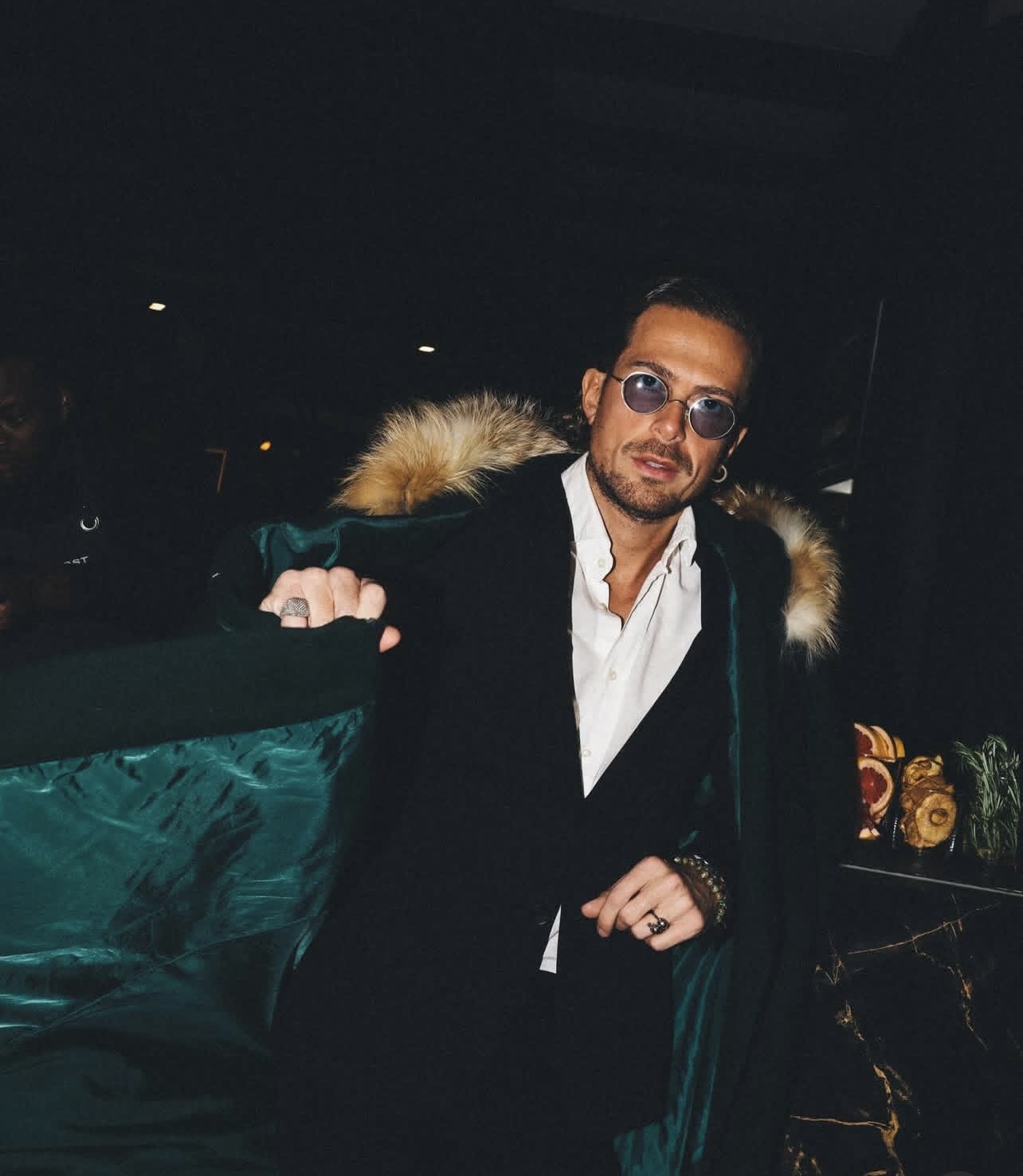
Q5: You move seamlessly between high fashion modeling and gritty, socially conscious directing. How do you balance your commercial brand with your artistic integrity? Do they ever conflict?
A: Although they are two distinct works, they share similarities because, in modeling, art is also involved, and taking pictures requires time. You need to study and understand the brand’s essence to pose in a way that aligns with their image, much like a director or actor must study the story and characters.
Q6: You’ve studied at top academies like LAMDA and DUSE. When you’re on a local set where multiple languages are being spoken, how do you use your physical theatre training to communicate a story when words might get lost in translation?
A: Studying Strasberg and Stanislavski’s method takes a lot of energy while in academy, but it gives me a wealth of knowledge when I’m working on a world-class set. As an actor, I know words are important, but truly embodying a character and bringing them to life means much more,the expression and expressivity are what matter most.
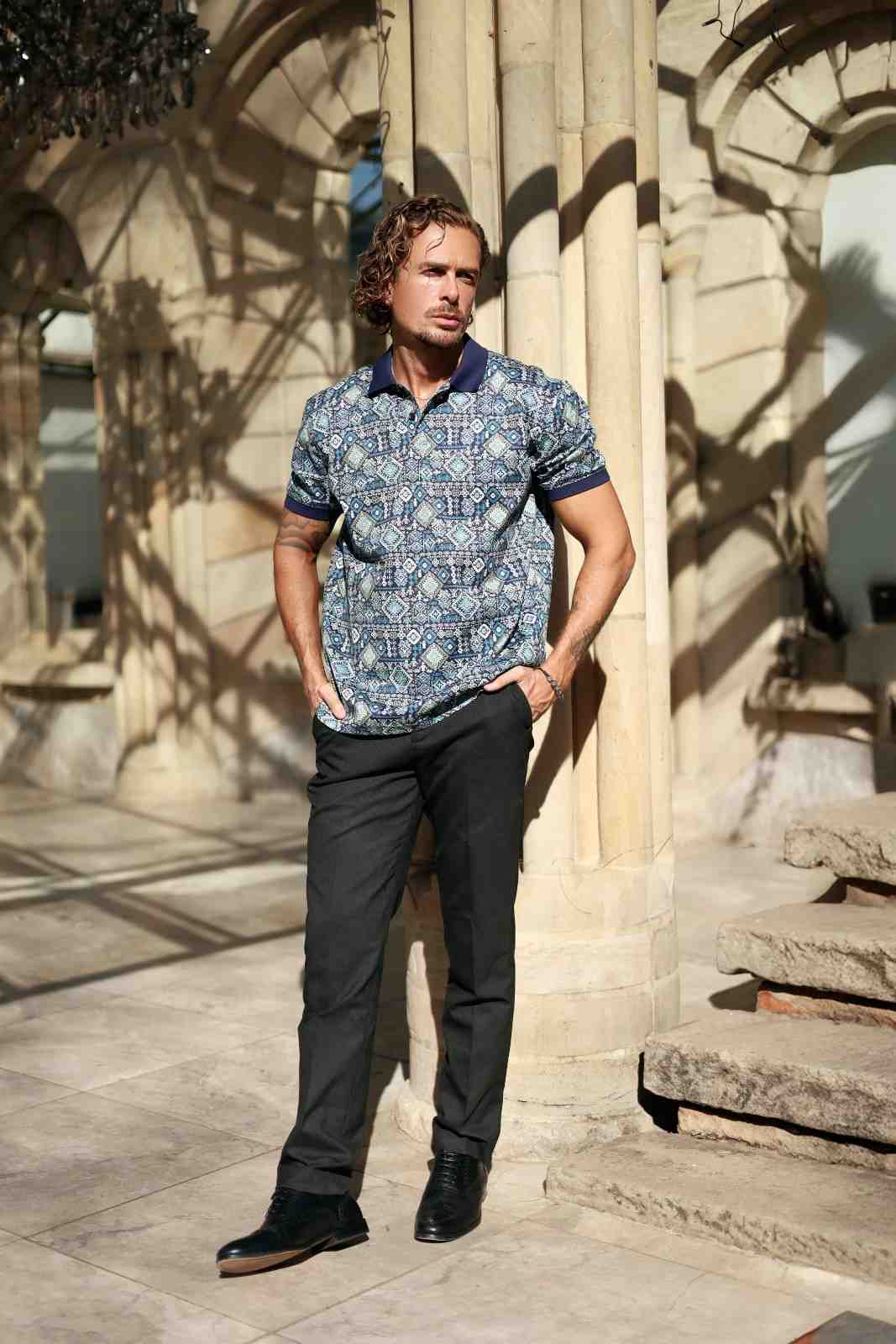
Q7: Many SA creatives are looking to take their work to Europe. Since you’ve done the reverse, what is the one South African trait or skill unique to our local creators that you think is our biggest competitive advantage on the global stage?
A: The issue with South Africa is a sad one; they always seem to look less for what they actually are, except when it comes to rugby, where they think is the only thing they really excel or have the potential to. However, this country is full with talent across all fields. The key for its people would be to recognize their capabilities and push beyond their current limits, as there’s immense potential waiting to be tapped into and explored in remarkable ways in the world like in the film industry but not only,you guys have so much talent.
Q8: When you are behind the camera for a project in South Africa, what is the one visual element of our landscape or our people that you think international directors consistently overlook?
A: They need to showcase more the beauty of this wonderful country.
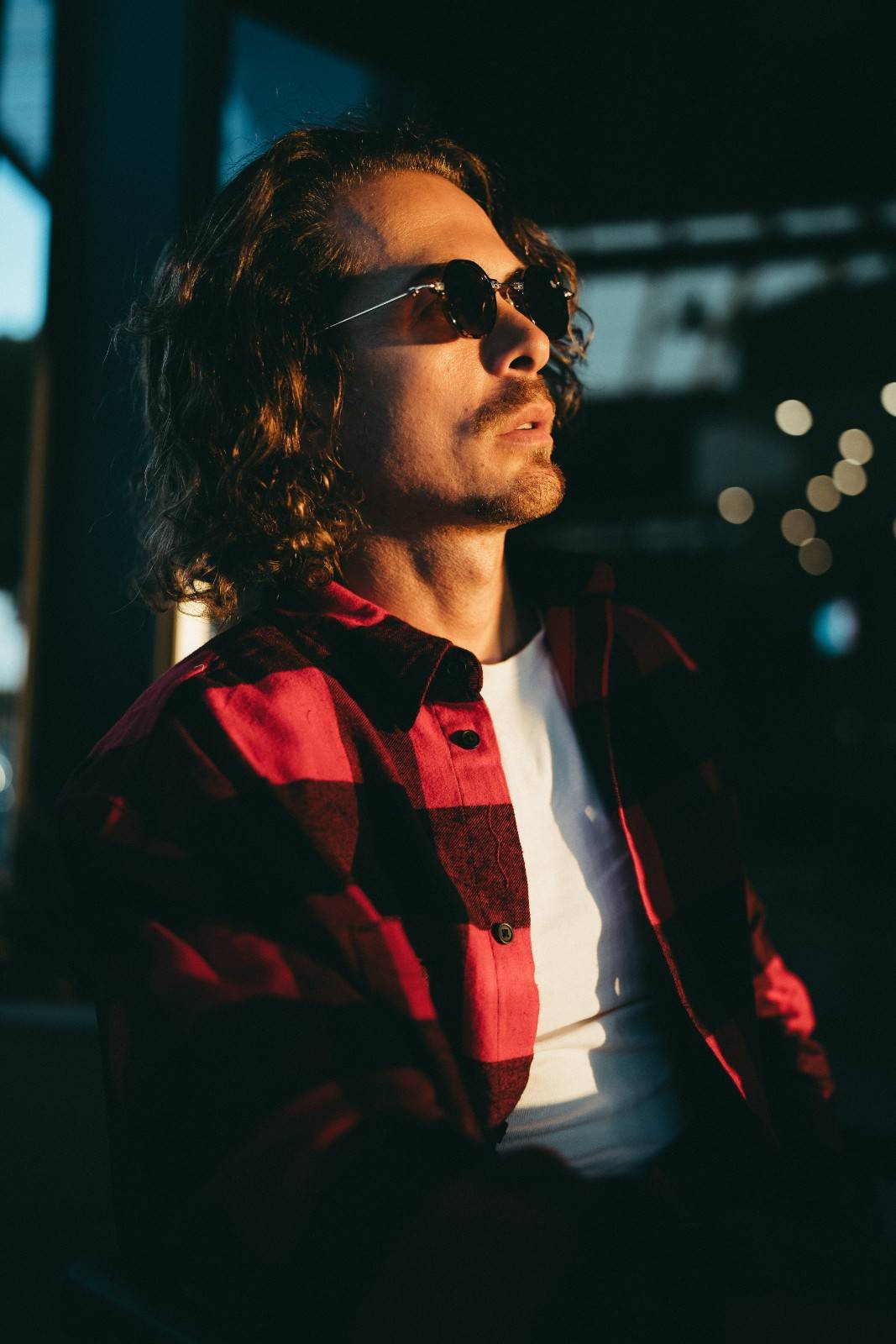
Q9: What is your favorite Jozi hidden gem for a creative meeting?
A: When I’m at a creative meeting, I usually sit somewhere ordinary, but to spark ideas, I like to observe people around me – it’s amazing what can strike your mind when you watch others.
Q10: Is there one South African film or series everyone must watch right now?
A: Two South African films that stand out to me are the documentary ‘My Octopus Teacher’ and ‘Tsotsi’, both of which I found really beautiful and well done.
Q11: Who is one local artist or designer you’d love to collaborate with?
A: One I have already work with and is Bakari men’s wear beautiful I loved it,but I’d also love to collaborate with the designer brand Maxhosa or Thebe Magugu and speaking about artists filmmaker,producer or directors I would like to work with Angus Gibson, Johnny Barbuzano, Nosipho Dumisa.Also I would love to do a music video with two of my favourite music artist in SA Langa Mavuso, or even Samething Soweto my first SA artist I really got in love.
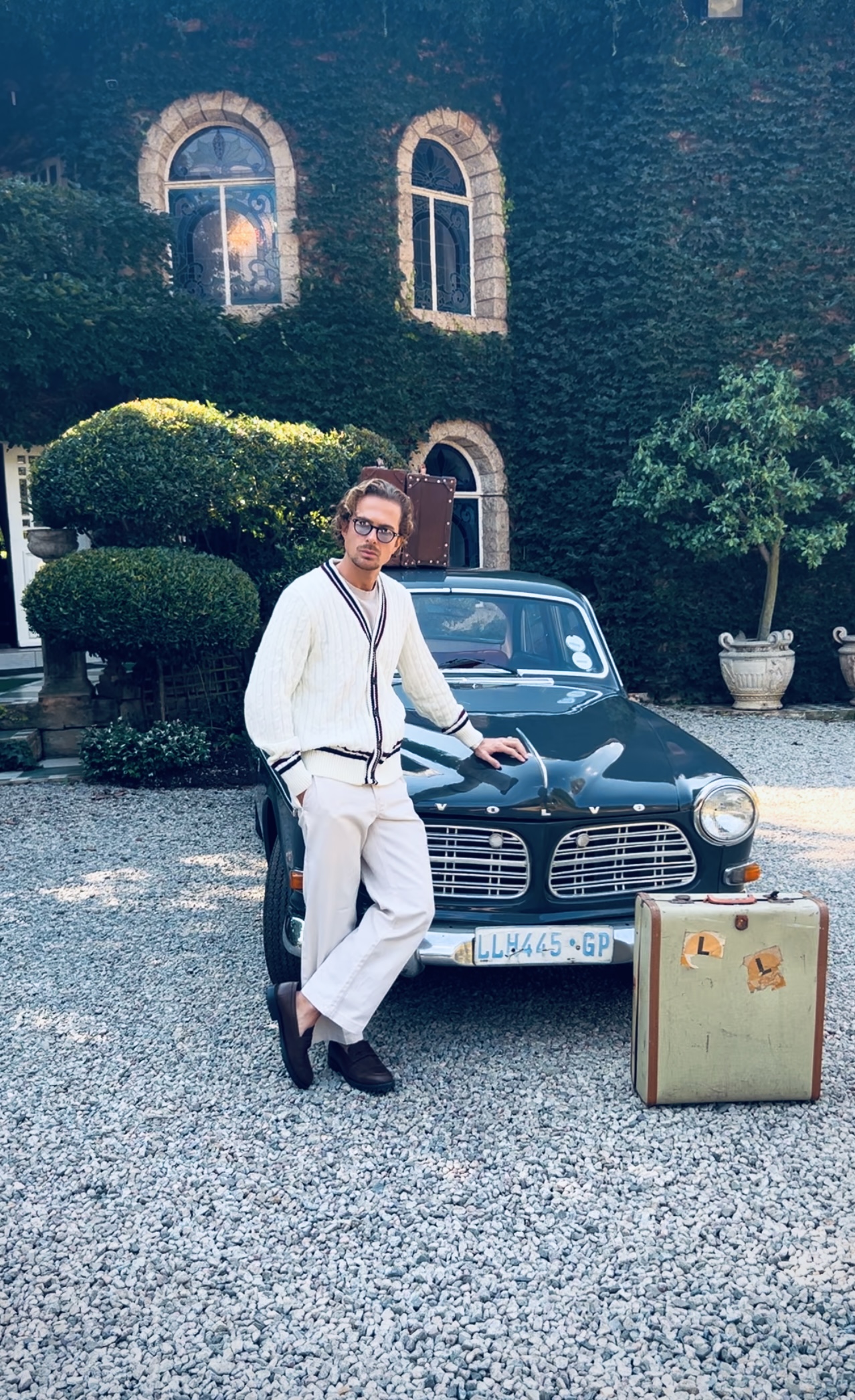
Q12: Beyond the fame and the billboards, what is the one conversation you hope your work starts within the South African creative community?
A: I hope my work sparks dialogue about recognizing and embracing the immense talent within South Africa, pushing boundaries, and believing in the global relevance of local creativity.
Federico Ancillai’s story reflects the South African creative community. His discipline from sport, openness to cultural exchange, and insistence on showcasing local talent remind us that the world is watching, ready to embrace what Jozi and beyond have to offer.
As Federico continues to balance modeling, acting, and producing, his voice adds urgency to a conversation we can no longer delay: South African creativity isn’t just “local is lekker,” it’s global, powerful, and deserving of the spotlight.