Scroll through any creative industry panel discussion and you’ll hear the same concerns repeated: shrinking budgets, limited opportunities and increasingly competitive industries. Yet some of the country’s most exciting young creatives have responded in an unexpected way. Rather than waiting for publishers, agencies, galleries or institutions to create opportunities, they’re creating their own.
This Youth Month, we’re spotlighting five South Africans who are building platforms, communities and creative careers on their own terms.
Ashley Wagner
This shift from passive participation to active creation begins in a sunlit Woodstock studio, where Ashley Wagner co-founded Earth Age during the quiet uncertainty of the 2020 lockdown. Bypassing the rigid cycles of the traditional fashion calendar, Wagner built a slow-fashion ecosystem centered on community. Today, the brand employs 11 local women to hand-crochet accessories using natural, biodegradable cotton and hemp. By prioritizing slow production and sustainable employment over mass-market scale, Earth Age developed its own independent pipeline.
This community-first approach proved so powerful that it eventually captured the attention of Dior Homme for a 2025 collaboration, proving that hyper-local, ethical production can command global attention without compromising its values.

Esinako Ndabeni
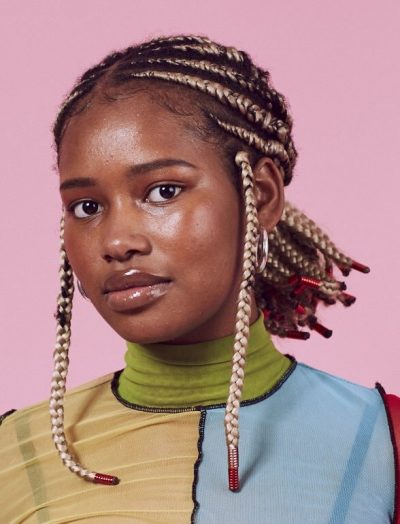
While Wagner is restructuring how we wear our culture, writer and anthropologist Esinako Ndabeni is reclaiming how we document it. Feeling restricted by the narrow gates of mainstream publishing, Ndabeni launched Riotzine in 2025. The digital zine serves as an uncompromised archive for the post-1994 generation, exploring identity, capitalism, mental health, and queer experiences.
While most people think publishing is just typing words on a screen, Ndabeni uses it to build permanent online spaces that safeguard our shared history and collective memories. By creating this dedicated space, she ensures that contemporary youth narratives are documented and owned entirely by the writers themselves, far beyond the reach of corporate gatekeepers.
Jordan Bareiss
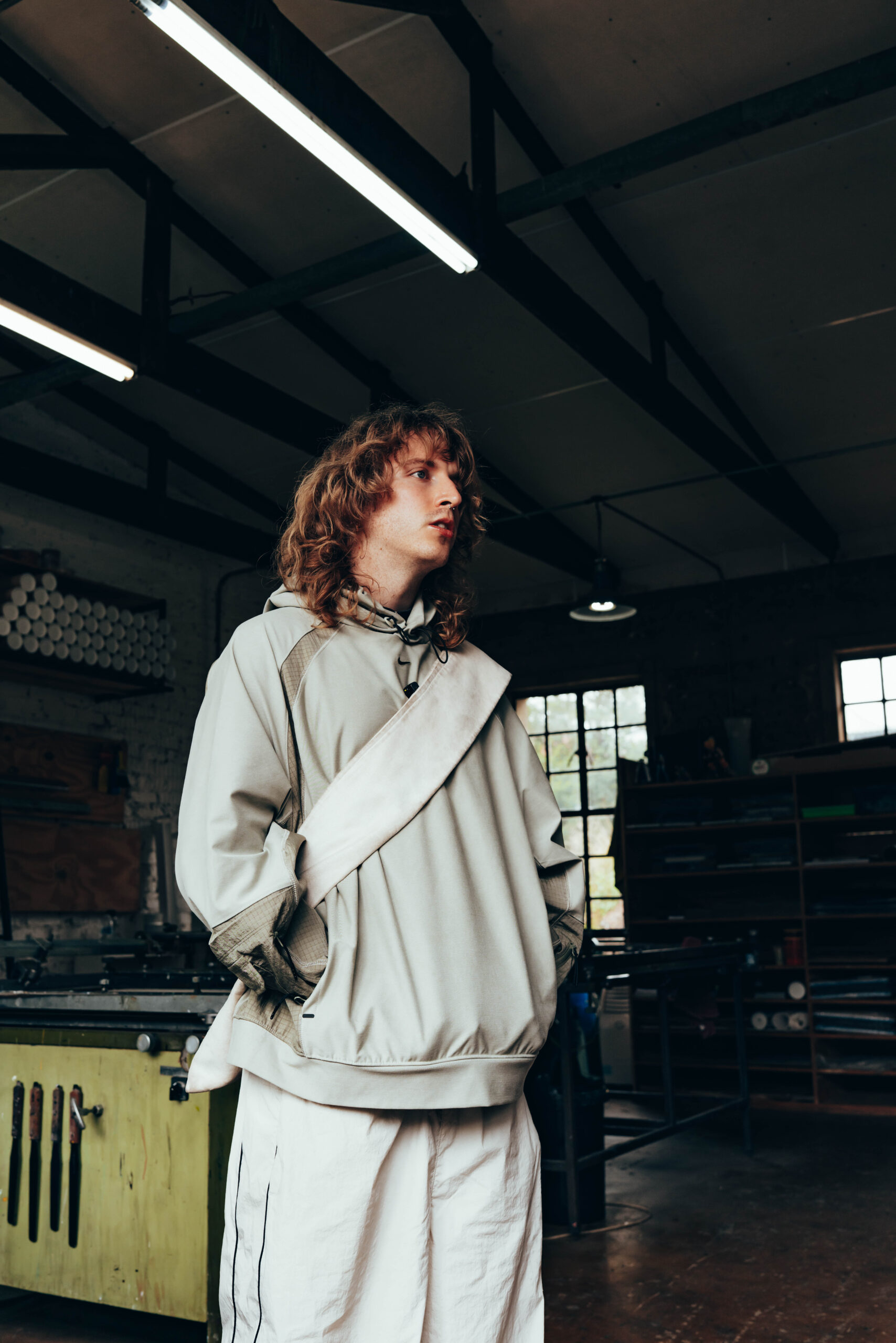
Preserving local stories also means mastering the modern tools of expression, a mission that creative technologist Jordan Bareiss is driving through brdnstudio. Recognizing that advanced digital skills are frequently locked behind expensive academy paywalls, Bareiss launched the “Not a School Day” initiative to democratize the field. His workshops use tools like TouchDesigner and VCV Rack to teach emerging artists how to bridge physical human movement with interactive sound and visuals.
By treating technology as a shared playground rather than a proprietary secret, Bareiss is breaking down historical barriers, ensuring that South Africa’s digital future is shaped by a collaborative, open-access community.
Thato Toeba
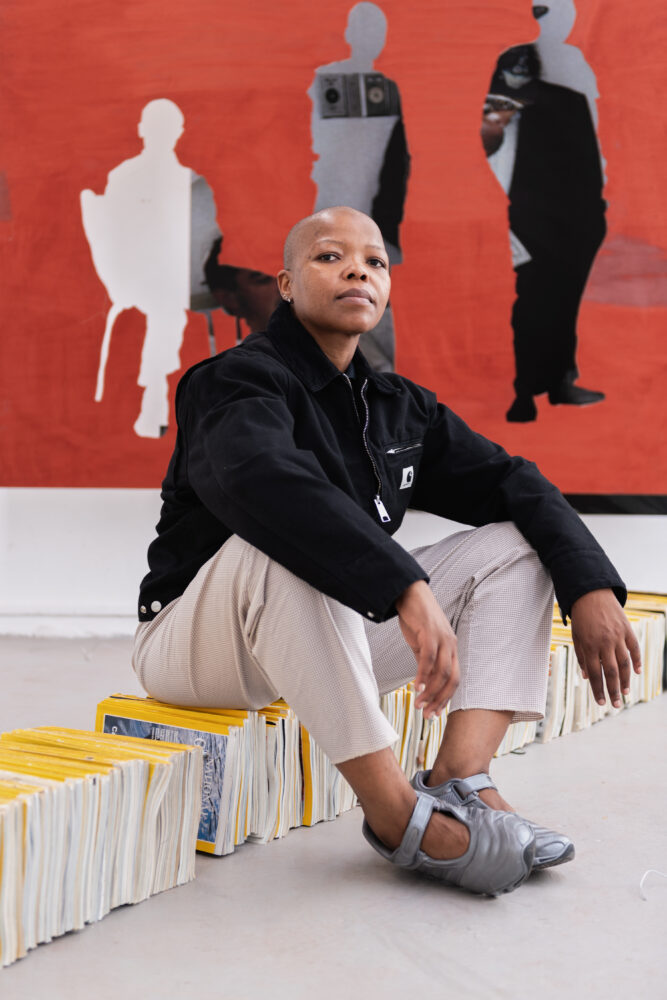
This demystification of tools and spaces is mirrored in the visual arts, where Maseru-born Thato Toeba is challenging who gets to control the narrative. The recipient of the 15th FNB Art Prize, Toeba has quietly shaken up the artistic establishment. As an artist, lawyer, and researcher, they use mixed-media photo-montage to interrogate systemic power and question institutional archives.
For Toeba, art is a catalyst for deep dialogue rather than a luxury commodity. By keeping their practice rooted in Lesotho, where they are actively building a local artistic ecosystem, Toeba is shifting the cultural center of gravity, proving that real creative authority can be nurtured outside traditional metropolitan hubs.
Siviwe Jali
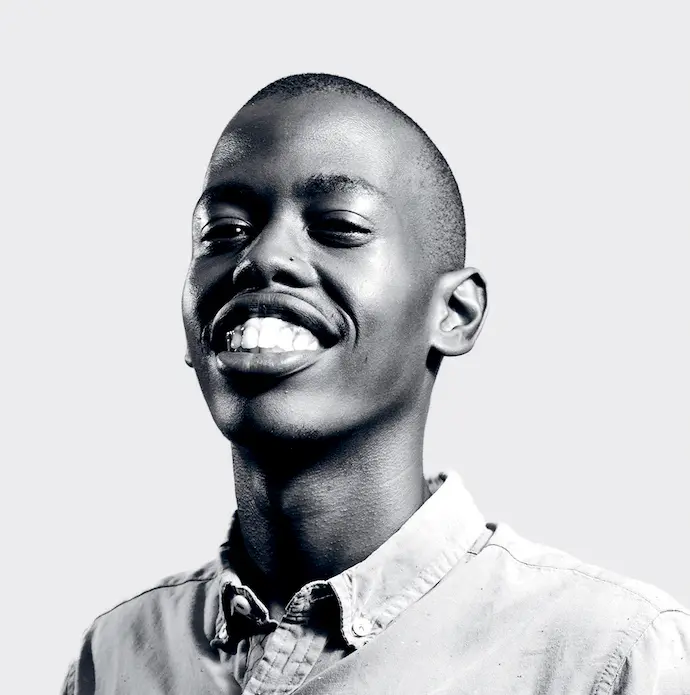
That same commitment to local geography and economic sovereignty defines the industrial design of Siviwe Jali, founder of Umugqa Studio. Rather than adopting imported templates, Jali designs sculptural lighting that is deeply rooted in contemporary South African craft. By collaborating directly with local weavers and manufacturers, Jali ensures his production pipeline creates tangible value at home.
In partnership with Clout/SA, his hand-woven designs have moved from Cape Town into global hospitality spaces, demonstrating that locally rooted, narrative-rich objects can compete on the world stage while keeping the material benefits firmly in local hands.
 Ultimately, what connects these five pathfinders is not a single discipline or aesthetic. It is a shared refusal to wait for institutional permission. Whether working with hand-crocheted hemp, digital publishing, interactive code, historical collage, or woven lighting, they are united by a common playbook. They have stopped asking for a seat at the industry’s existing tables and have started building their own.
In doing so, they are not only carving out sustainable, independent careers, but they are also pulling up chairs for the communities around them. South Africa’s next cultural chapter is being written by those who create their own opportunities and bring others with them.