Every generation leaves behind evidence of how it lived. Sometimes that evidence comes through books, music, newspapers, or film. Increasingly, it comes through photographs, videos, and digital image-making. Long after a trend has passed, a building has disappeared, or a cultural moment has evolved into something else, images remain.
In South Africa, photographers and videographers are helping to build a visual archive of contemporary culture. Through fashion, music, identity, architecture, and everyday life, they are creating a visual record of the country as it exists today.
The work of photographers such as Trevor Stuurman, Andile Buka, Justice Mukheli, and Thapelo Khoarai, alongside filmmakers like Ofentse Mwase and emerging image-makers including Tatenda Chidora and Lunga Ntila, contributes to a growing archive of contemporary South African life.
Trevor Stuurman
Trevor Stuurman’s images have become some of the most recognisable representations of contemporary African fashion and culture.
His work often combines carefully considered styling, colour, portraiture, and place to create images that feel both aspirational and deeply rooted. Whether working with international luxury brands or producing personal projects, Stuurman consistently centres African identity and creativity.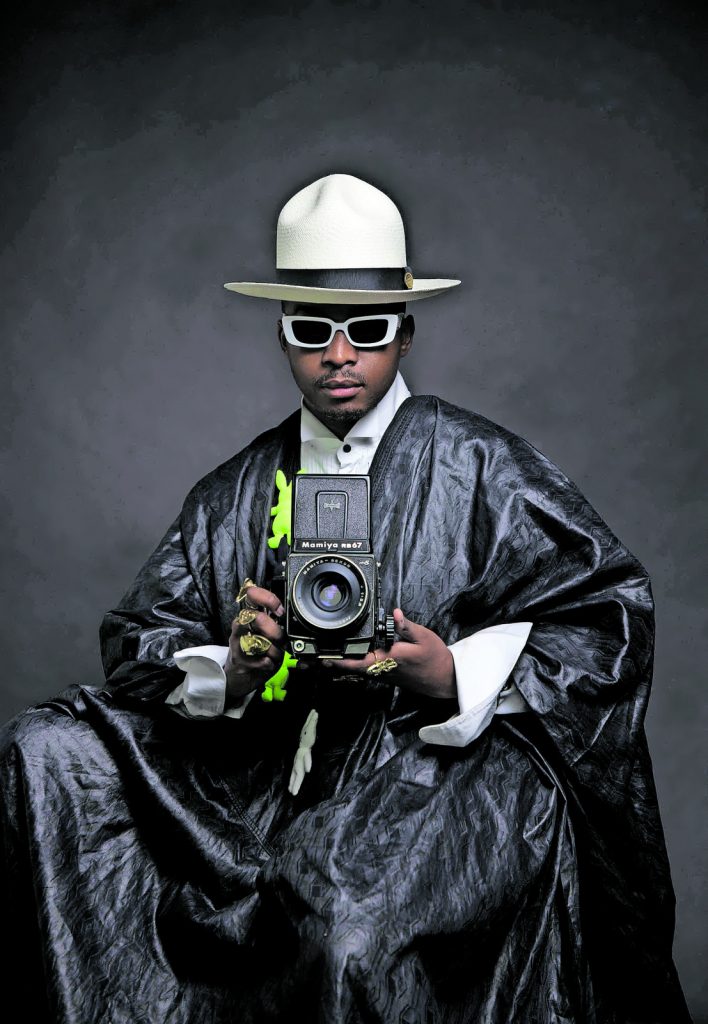
Projects such as A Place Called Home explore the relationship between fashion, memory, and belonging. Through fashion and portraiture, his work documents how people express identity within a specific cultural moment.
Andile Buka
Andile Buka’s photography operates as a form of preservation. Working primarily with analogue photography, Buka documents Johannesburg’s architecture, fashion, music culture, and street life through a lens that values observation and patience.
His images often feel like fragments of memory. Buildings, people, garments, and urban environments become records of a city that is constantly changing. Buka’s work reminds us that culture is not only found in major events or headlines. It exists in ordinary spaces, local communities, and everyday interactions that may otherwise disappear from public memory.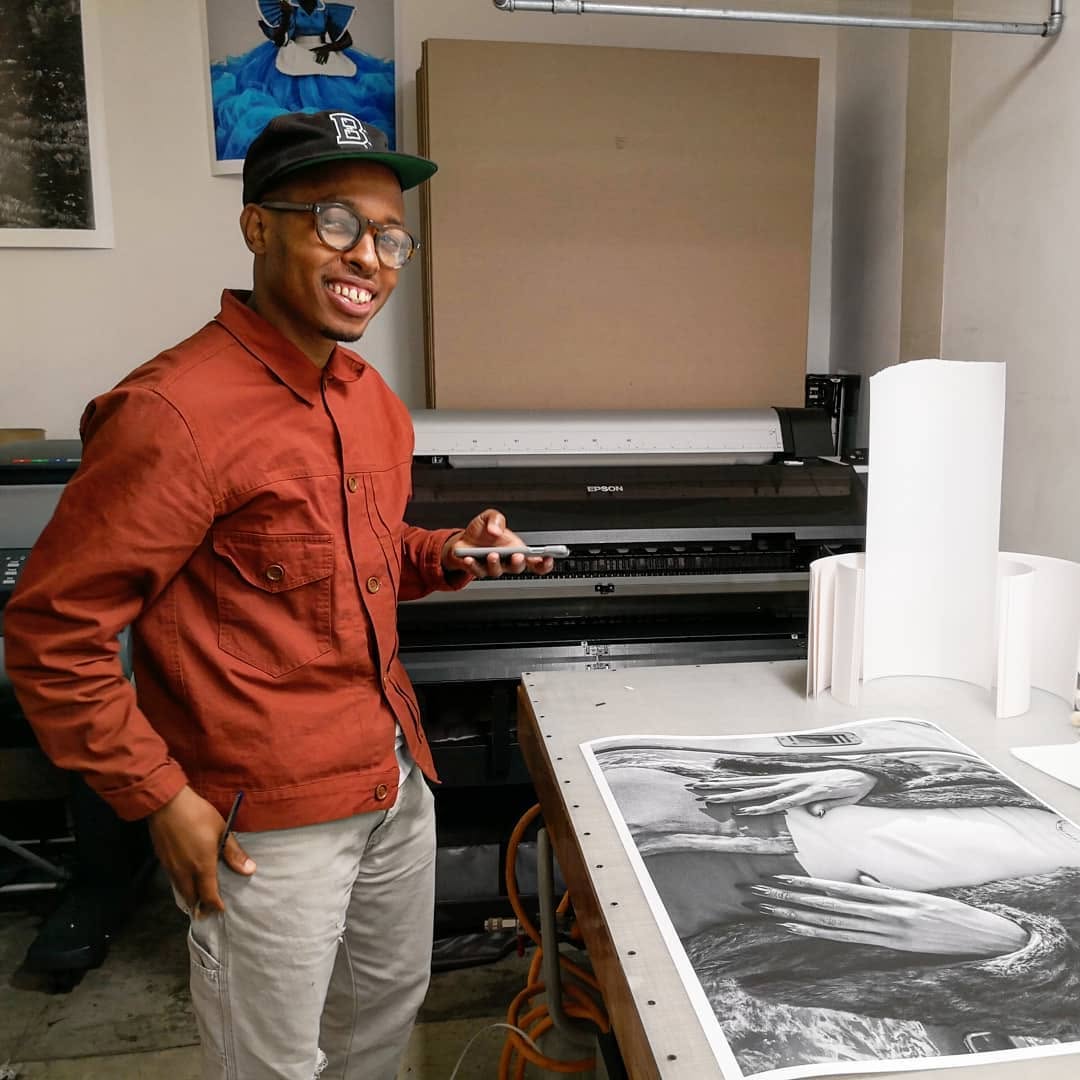
Ofentse Mwase
While photographers often preserve still moments, filmmakers document movement.
Ofentse Mwase has become one of the defining visual storytellers working across South African music videos, commercials, and film. Through OM Films, he has helped shape how audiences experience contemporary South African music and performance culture.
Projects such as Fetch Your Life, Imali eningi, and Collision capture more than narrative. They preserve the visual language of a particular era of South African popular culture. Years from now, these works will remain as records of how artists performed, how audiences engaged, and how visual storytelling evolved during this period.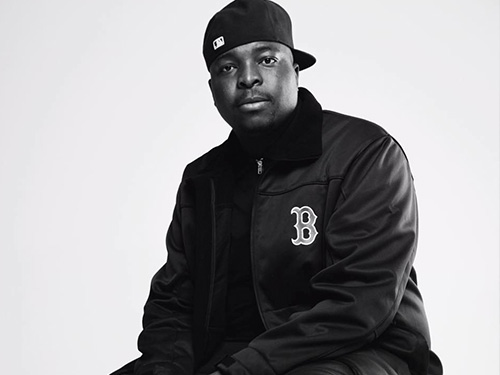
Thapelo Khoarai
Thapelo Khoarai’s photography sits at the intersection of fashion, music, and contemporary street culture.
His portraits often place subjects within urban environments while allowing personal style and individuality to remain central. Through collaborations with musicians, creatives, and cultural figures, Khoarai documents how younger generations express identity through clothing, movement, and image.
His work captures the visual language of creative communities as it develops, preserving moments that might otherwise be treated as temporary trends.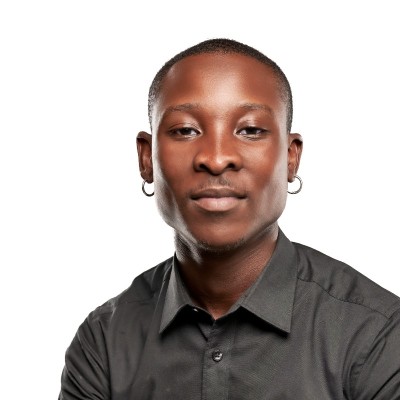
Justice Mukheli
Justice Mukheli has spent much of his career documenting identity, memory, and Black life through photography.
As a co-founder of I See a Different You, Mukheli helped create images that challenged familiar representations of township life. His work presented alternative perspectives that centred creativity, dignity, and self-definition.
In his individual practice, Mukheli often draws from personal memories and experiences growing up in Soweto. His images function as both documentation and reflection, preserving personal histories while contributing to broader conversations around heritage, masculinity, and belonging.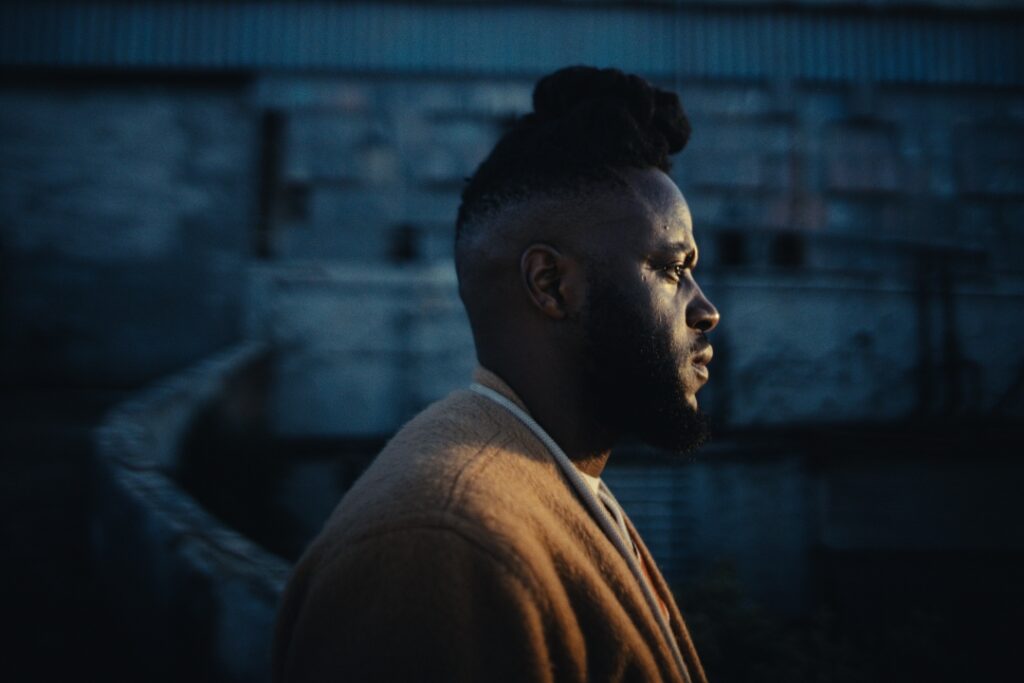
Tatenda Chidora
Tatenda Chidora’s work explores portraiture through experimentation with lighting, colour, and conceptual storytelling. His images are deeply intentional, using visual composition to examine identity, emotion, and the ways Black subjects are represented within photography.
Through his approach to portraiture, Chidora creates images that feel both contemporary and reflective. His work considers how people are seen, remembered, and positioned within visual culture, using photography as a way to explore personal expression and collective experiences.
Projects such as If Covid Was a Colour demonstrate his ability to move beyond traditional documentary approaches, using symbolism and creative direction to engage with moments of uncertainty, resilience, and transformation. By building worlds within his images, Chidora expands what portrait photography can communicate.
His practice forms part of a new generation of South African image-makers using photography to record contemporary experiences while pushing the boundaries of how identity and culture are visually represented.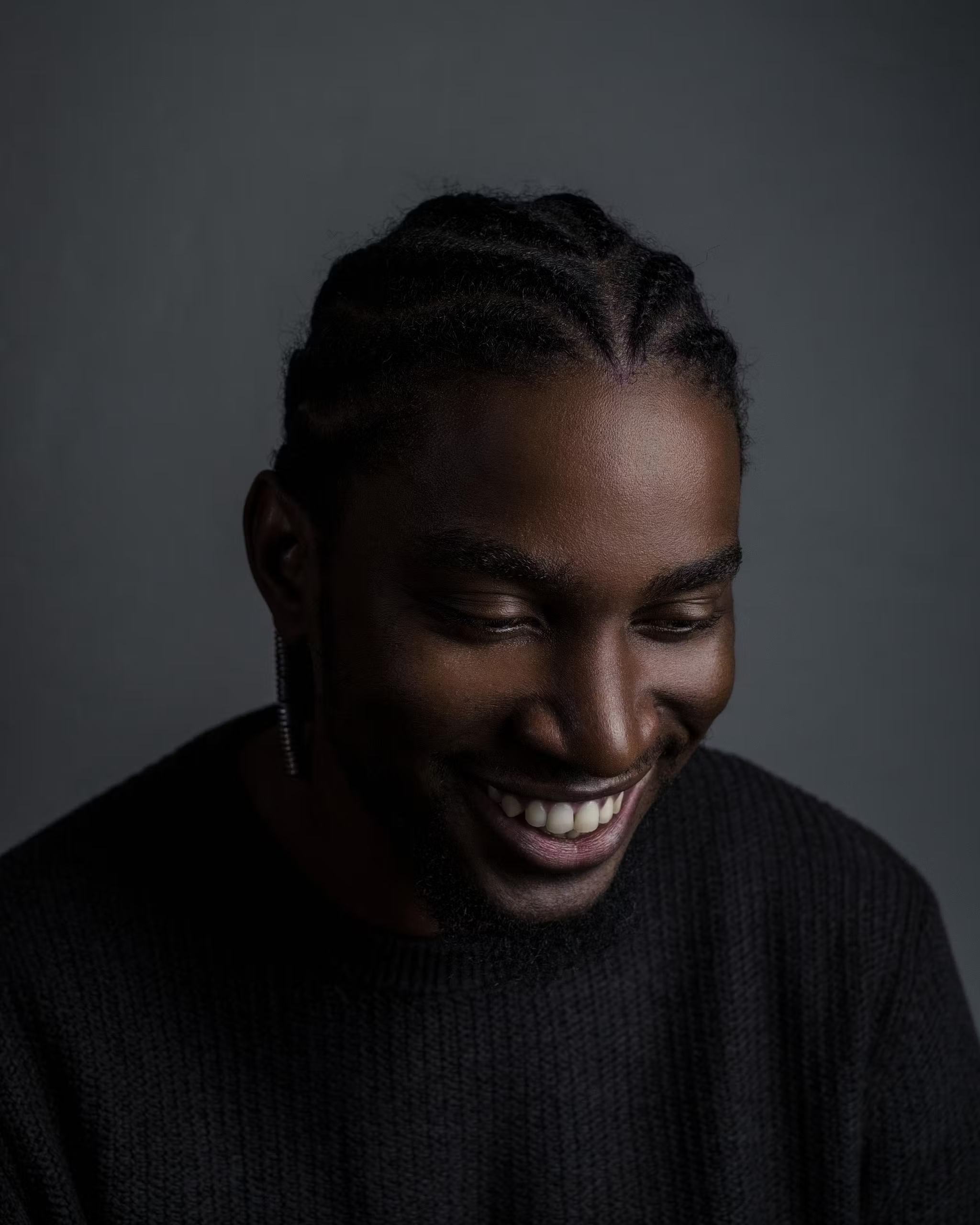
Lunga Ntila
Lunga Ntila’s work explored memory, identity, and self-representation through photography and digital processes. Her practice reflected a deep engagement with ancestry, personal history, and the ways people construct and understand themselves.
Through projects that combined photography, collage, and digital manipulation, Ntila created work that examined belonging and the relationship between the individual and collective memory. Her visual language challenged fixed ideas around identity, using experimentation to explore the complexity of contemporary Black experiences.
Ntila’s contribution to South African visual culture remains significant. The work she created forms part of a wider archive of artists documenting identity, transformation, and the evolving ways people see themselves and their histories.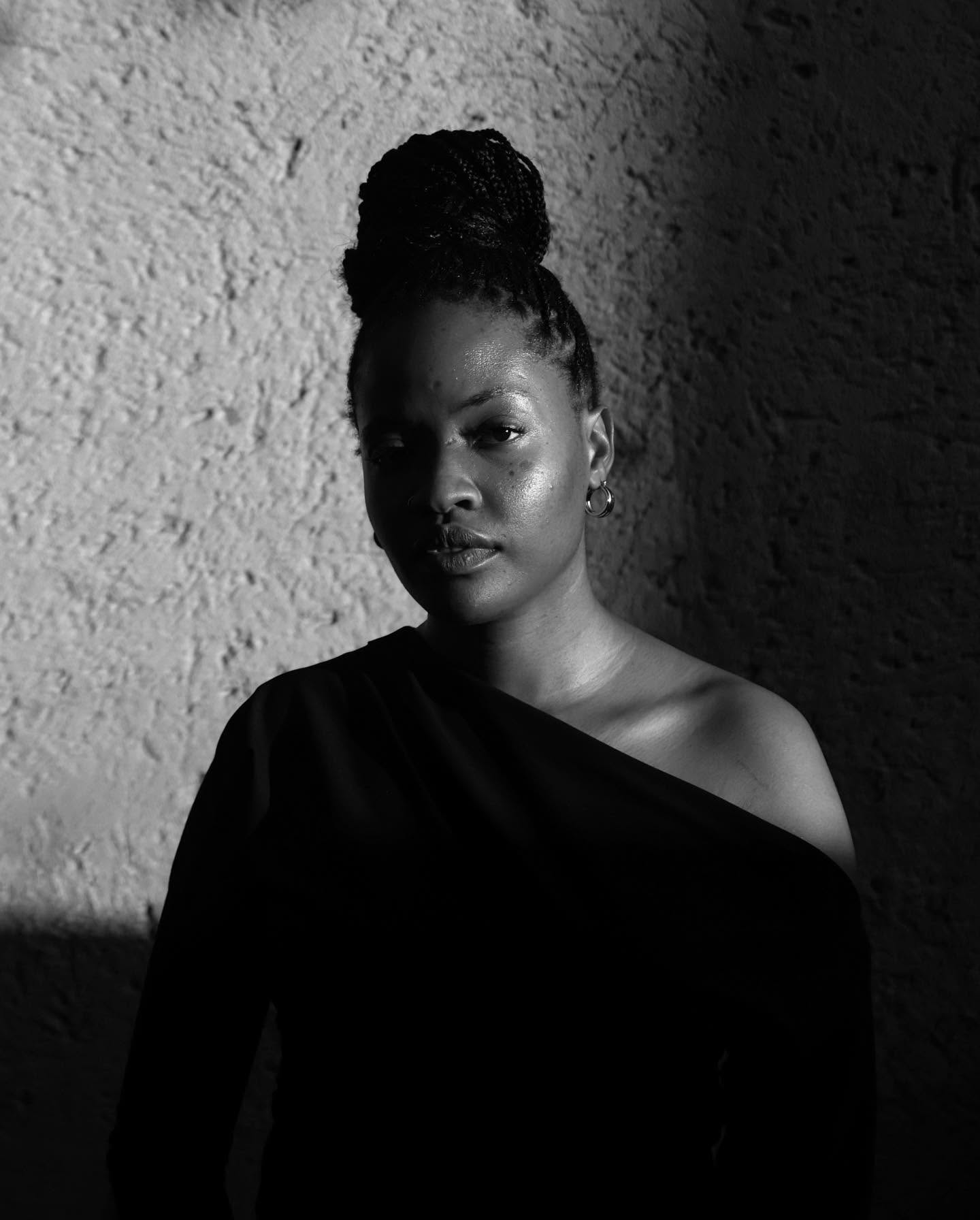
Core Takeaways
Culture moves quickly. Music scenes evolve. Fashion trends change. Buildings are demolished. Communities shift. What feels ordinary today often becomes historically significant with time. Photography and videography allow these moments to remain visible.
The creatives documenting South Africa today are preserving far more than individual images. They are recording how people dress, create, gather, perform, celebrate, and express themselves during a particular period in the country’s history.
Years from now, their work will offer future audiences a way to understand what South Africa looked like, felt like, and cared about.
In that sense, the work of these photographers and videographers forms part of a visual archive of contemporary South Africa, preserving how the country looks, moves, and expresses itself today.