We often celebrate the finished product: the album release, the exhibition opening, the fashion collection, or the film premiere. But behind almost every creative breakthrough is something less visible. A conversation after an event. An introduction over drinks. A chance encounter that becomes a collaboration years later.
Creativity rarely happens in isolation. It thrives in community.
Across South Africa, a growing network of third spaces is providing creatives with places to gather, exchange ideas, build relationships, and imagine new possibilities. These spaces play an important role in shaping the environments where culture comes to life.
Here are seven spaces currently helping to shape South Africa’s creative landscape.
1. The Royale
Craighall Park, Johannesburg
The Royale became one of Johannesburg’s most beloved creative gathering spots by bringing together music, fashion, food, and culture in a way that felt effortless. Home to intimate music events, alternative nightlife experiences, and a community that embraced self-expression, it attracted everyone from DJs and musicians to designers, photographers, and cultural tastemakers.
What made The Royale special wasn’t simply what happened there, but who you could meet while you were there.
With reports that the venue is currently closed, it also serves as a reminder of how easily creative infrastructure can disappear. Spaces like The Royale are an important part of a city’s cultural memory, creating opportunities for connection that can’t always be replicated elsewhere.
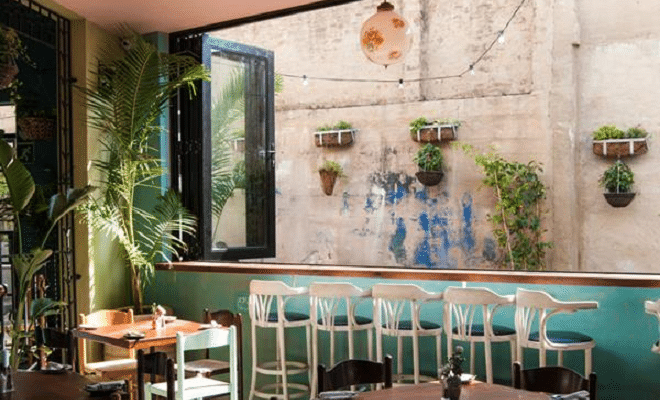
2. Your Weekly Touch-Up
Rotating venues across Johannesburg
Founded by musician and creative entrepreneur ByLwansta, Your Weekly Touch-Up has quietly become one of the most important platforms for South Africa’s independent music community. The series has moved through different Johannesburg venues including Bar Ber Black Sheep in Parkwood, Mamakashaka & Friends in Braamfontein, and currently Jozi Gold in Braamfontein, reflecting the adaptable and community-driven nature of the platform
Part live performance series, part industry conversation, and part community gathering, the event gives alternative artists a physical space to be seen, heard, and supported. In an era where so much creative work exists online, Your Weekly Touch-Up reminds us of the value of sharing a room with people who care about the same things.
Beyond the performances themselves, it has become a meeting point for musicians, designers, producers, writers, photographers, and creative entrepreneurs looking to build meaningful connections.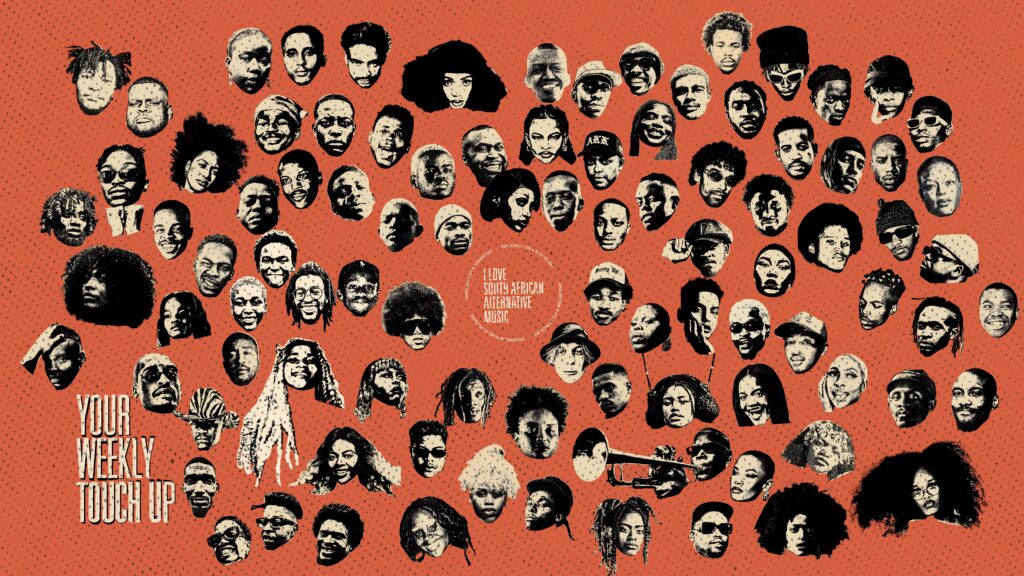
3. Mamakashaka & Friends
5 De Beer Street, Braamfontein, Johannesburg
Few spaces embody the spirit of creative collaboration quite like Mamakashaka & Friends.
Founded by cultural entrepreneur Nandi Dlepu, the space functions as a creative studio, co-working hub, event venue, and community gathering point. It has become a home for independent creatives looking to work alongside people from different disciplines while building sustainable careers.
Its significance lies in its openness. Whether you’re an established creative or just starting out, the space encourages participation, conversation, and collaboration rather than hierarchy.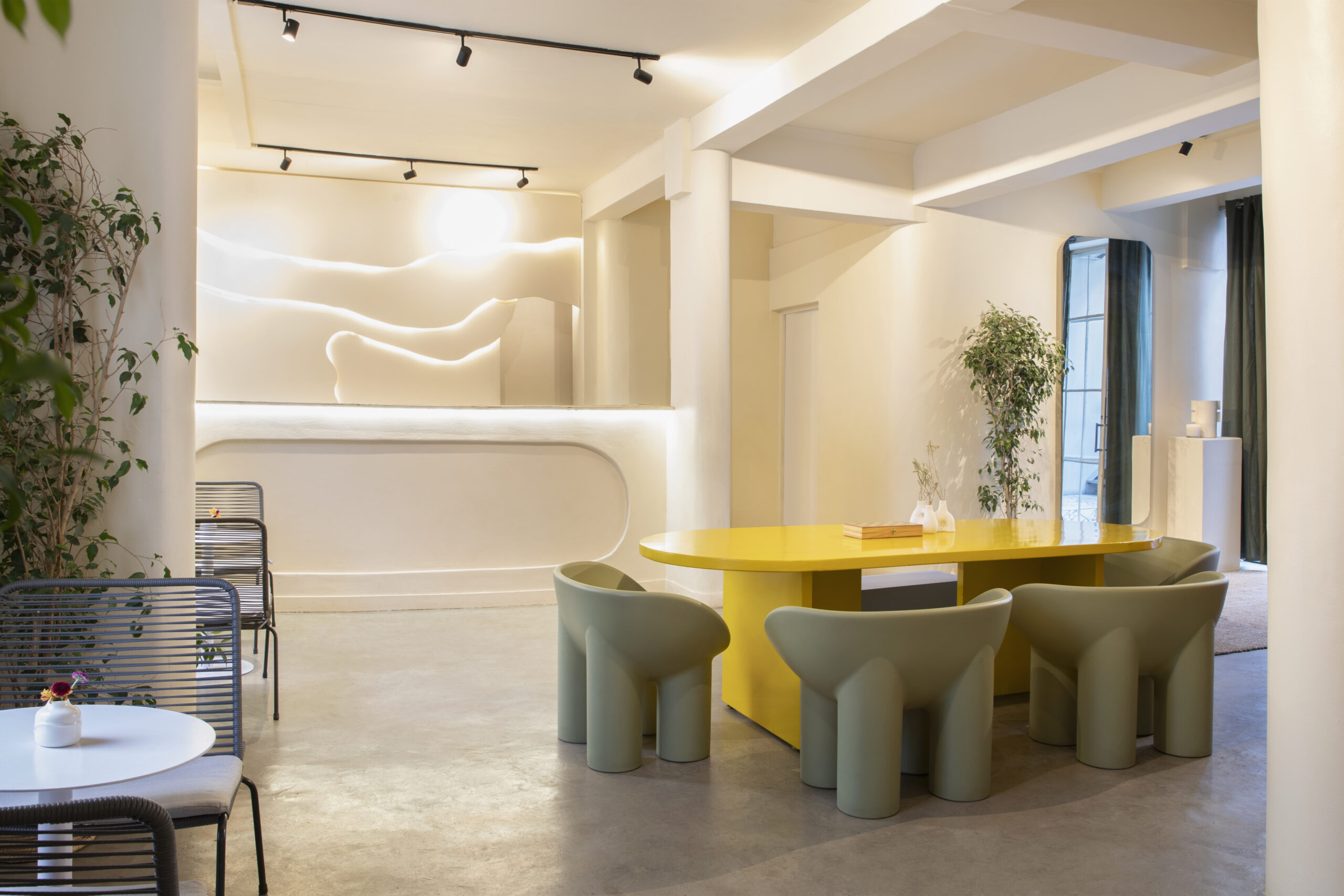
4. Victoria Yards
16 Viljoen Street, Lorentzville, Johannesburg
Victoria Yards demonstrates what can happen when creativity is embedded into everyday life.
Built within a restored industrial precinct, the space brings together artists, designers, artisans, urban farmers, makers, and entrepreneurs in one interconnected ecosystem. The result is a community where collaboration happens naturally through proximity.
Beyond its popular First Sunday markets, Victoria Yards offers something increasingly rare in cities: room to create, experiment, and grow alongside others.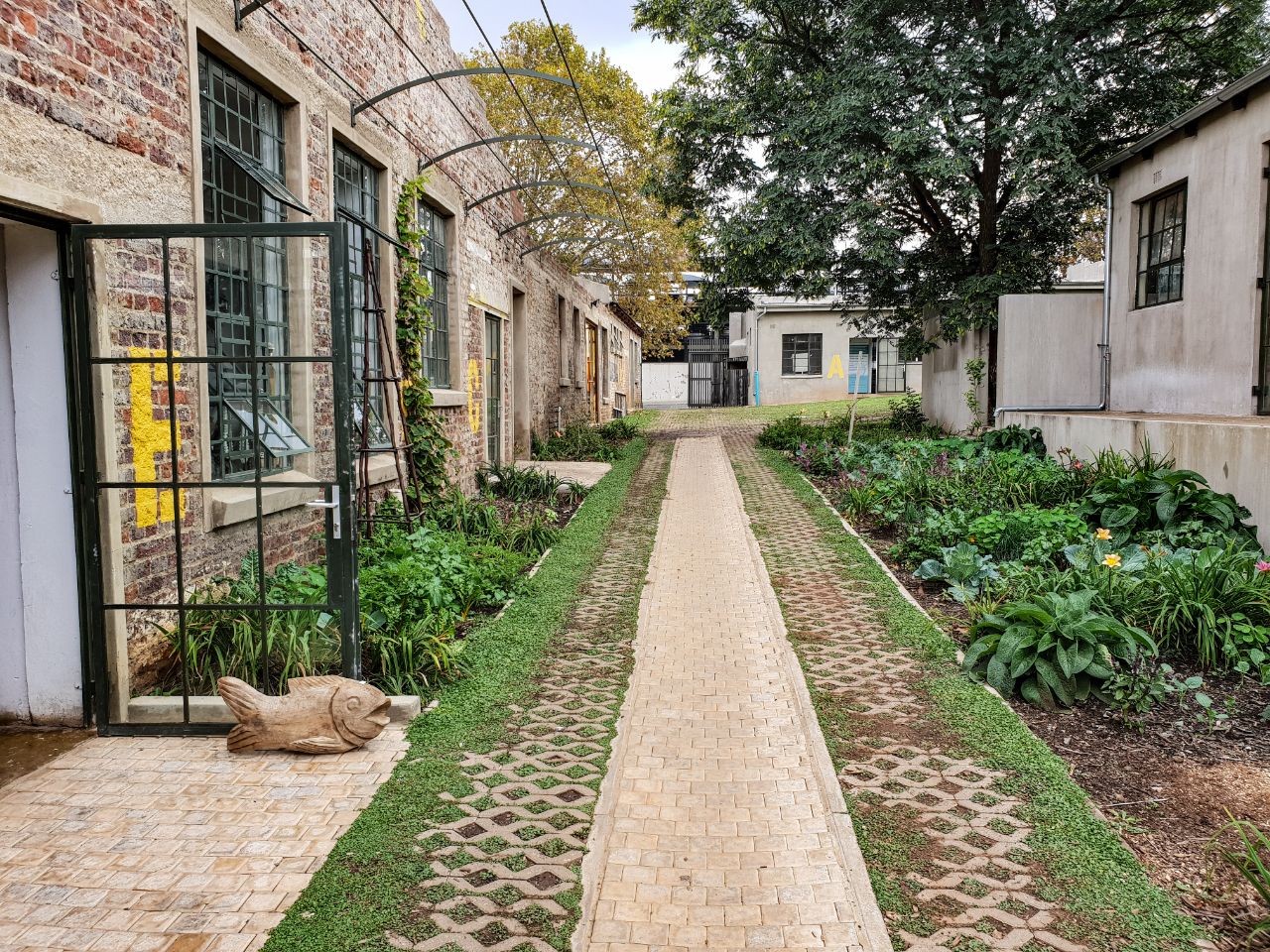
5. One Park
1 Park Road, Gardens, Cape Town
Part listening bar, part record store, part radio station, and part cultural hub, One Park became an important meeting point for Cape Town’s creative community.
Through The Other Records and The Other Radio, the space created an ecosystem built around discovery, sound, and exchange. It brought together DJs, musicians, collectors, visual artists, and culture enthusiasts, creating a place where conversations around music and creativity could exist beyond the limits of traditional venues.
Looking back, One Park represents something bigger than a physical location. The closure of The Other Records and The Other Radio in 2024, followed by the closure of One Park in 2026, highlights how temporary many creative spaces can be. While the venue itself may no longer exist, the relationships, ideas, and cultural moments created there continue to form part of Cape Town’s creative history.
Spaces like One Park remind us that creative ecosystems are often built in places that feel ordinary at the time. A record shop, a listening session, a conversation over a drink, these moments become the foundation for how culture moves forward.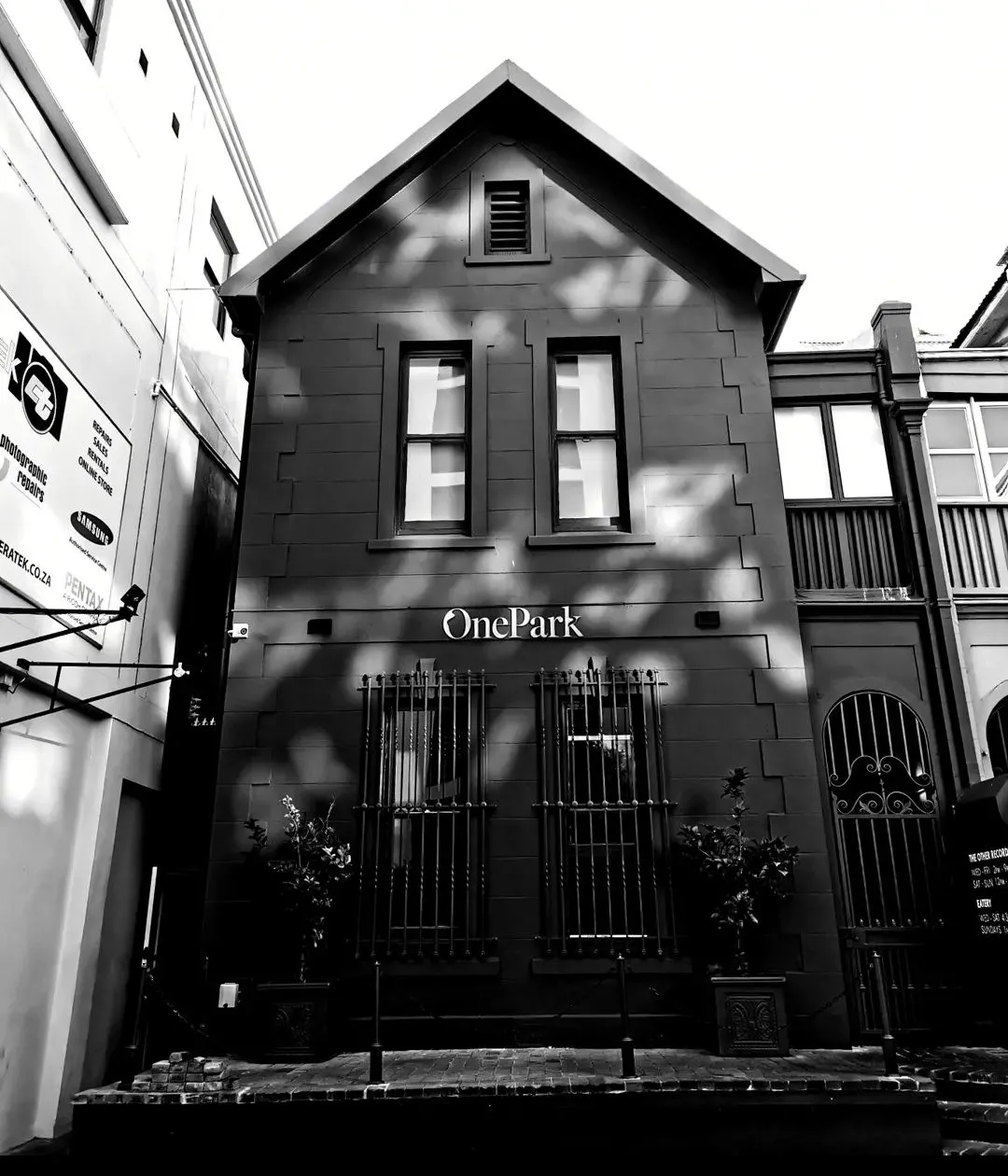
6. A4 Arts Foundation
23 Buitenkant Street, District Six, Cape Town
Not every creative space revolves around performance.
A4 Arts Foundation provides a home for research, experimentation, and critical thinking within contemporary art. Through exhibitions, residencies, public programmes, and its research library, the foundation creates opportunities for artists and curators to explore ideas without the immediate pressure of commercial success.
It is a reminder that healthy creative ecosystems need spaces for reflection just as much as they need spaces for visibility.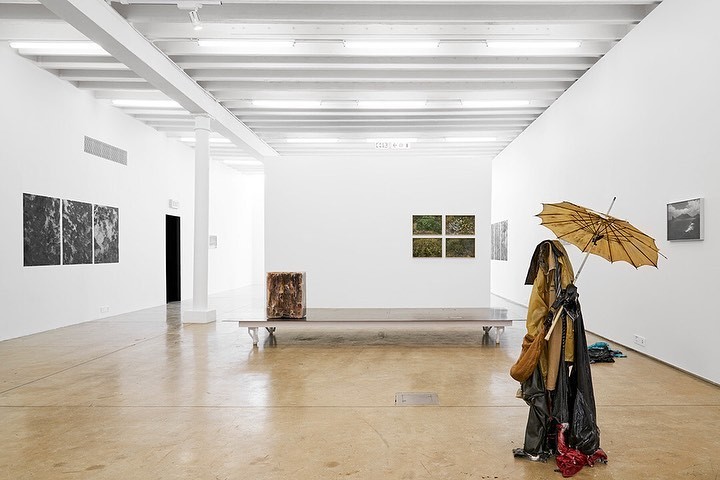
7. The Commons
Surfers Corner, Muizenberg, Cape Town
The Commons represents a different model of creative gathering altogether.
Combining a café, co-working space, event venue, and cultural hub, it attracts a diverse community of artists, musicians, writers, entrepreneurs, and researchers. Conversations move easily between creative practice, wellness, sustainability, and community building.
Its strength lies in its ability to bring different worlds together. The result is a space where unexpected collaborations feel not only possible, but inevitable.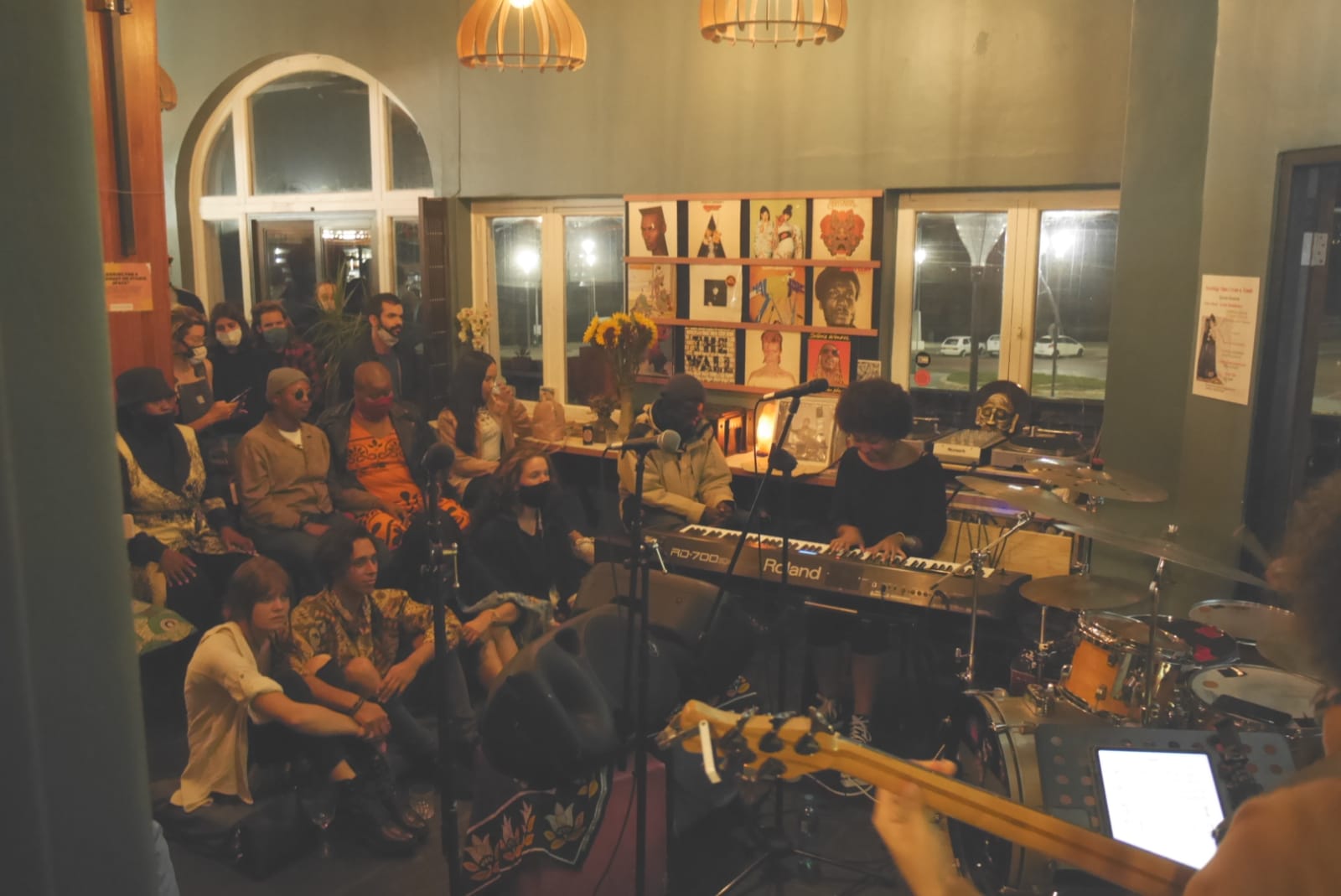
Why These Spaces Matter
Culture is not built exclusively in galleries, museums, or major institutions. Sometimes it begins at a weekly event, during after-work drinks, in a shared studio, or around a table where people are exchanging ideas.
These spaces create opportunities for networking, collaboration, mentorship, and upward mobility. They allow creatives to find one another, learn from one another, and occasionally build something bigger than any one person could create alone.
As South Africa’s creative landscape continues to evolve, these gathering places remain just as important as the work that emerges from them.
Because before there is a movement, a collective, or a cultural shift, there is usually a room full of people who decided to show up, connect, and create together.