There was a time when creative direction was treated as the finishing touch. An album was recorded, a photoshoot was booked, artwork was commissioned and a few promotional visuals followed. Today, the relationship has changed. Music no longer exists in isolation. Audiences experience artists through album covers, campaign rollouts, fashion, stage design, typography, social media, photography, interviews and visual storytelling long before they hear the first track.
The most successful artists understand that every creative decision contributes to a larger narrative. They’re not just releasing songs. They’re building worlds.
South Africa has quietly become home to some of the most sophisticated examples of this kind of creative thinking. Artists like Tyson Sybateli, Moonchild Sanelly and Sho Madjozi have demonstrated that creative direction isn’t about having the biggest budget or the loudest visuals. It’s about creating an identity so cohesive that every piece of work feels unmistakably yours.
Tyson Sybateli proves that restraint can be world-building
In an era where artists are encouraged to constantly put themselves at the centre of every campaign, Tyson Sybateli has often done the opposite.
When HOME arrived in 2022, much of its visual language deliberately stepped away from the conventional image of the rapper as the focal point. The rollout leaned into atmosphere instead. Pretoria wasn’t simply where the album came from. It became part of the story. Familiar streets, muted colour palettes and documentary-style photography transformed the city into a character with its own emotional weight.

That decision shifted attention away from personality and towards place.
Instead of asking audiences to buy into Tyson Sybateli as a celebrity, the project invited listeners into an environment. The result was a body of work that felt immersive rather than promotional.
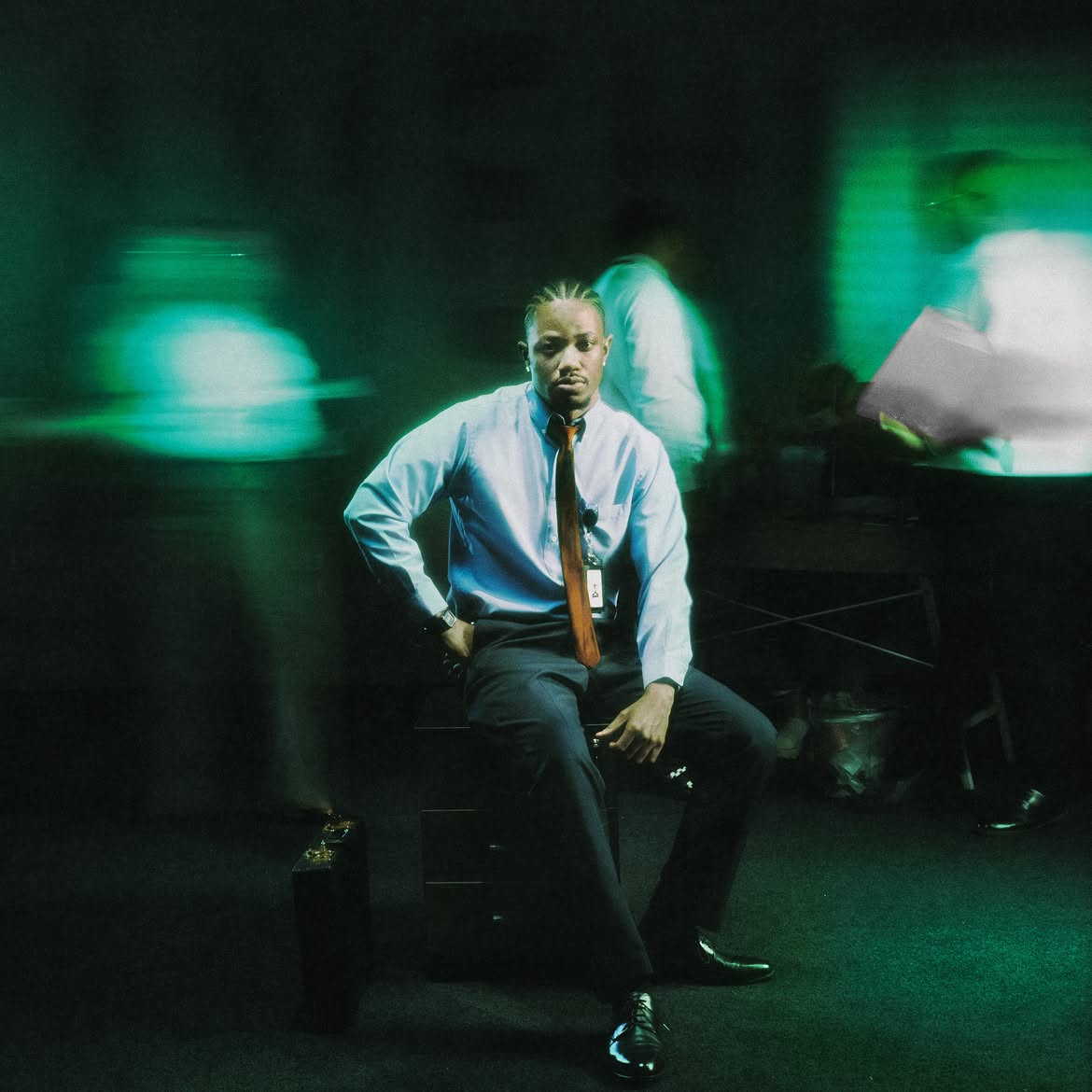
His later releases expanded that philosophy rather than abandoning it. Present. embraced grainy VHS textures, film photography and analogue imperfections that echoed the project’s themes of impermanence and living in the moment. More recently, Amehlo has introduced an entirely different visual language built around surveillance, corporate aesthetics and algorithm-driven society, creating a fictional universe that stretches beyond the music itself.
The lesson isn’t that every artist should become mysterious.
It’s that creative direction works best when every visual decision reinforces the central idea. Tyson Sybateli’s projects aren’t remembered because they look expensive. They’re remembered because every element belongs to the same world.
Moonchild Sanelly turned consistency into cultural currency
Few South African artists have built a visual identity as recognisable as Moonchild Sanelly.
Long before audiences hear her voice, the bright blue hair announces her presence. It’s part of an identity that has remained remarkably consistent across music videos, editorial shoots, live performances, international collaborations and red carpets.
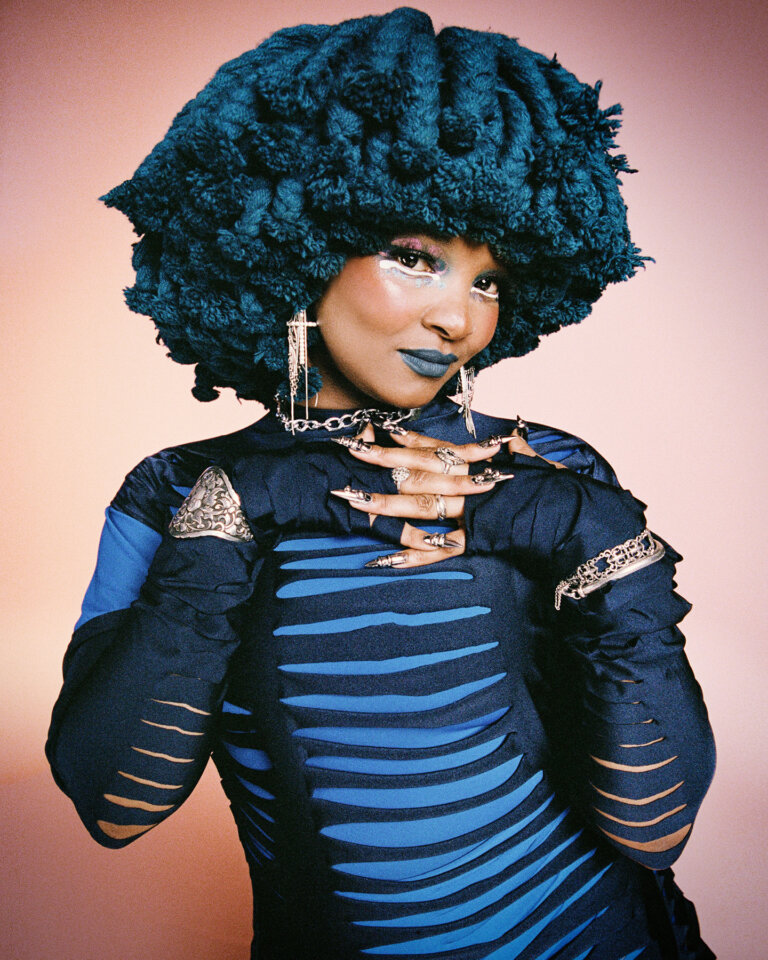
That consistency matters.
In creative industries, repetition is often mistaken for stagnation. Moonchild Sanelly demonstrates the opposite. Repetition builds recognition. Over time, repeated visual choices become intellectual property. They become synonymous with the artist.
Her self-described “Future Ghetto Punk” aesthetic extends far beyond fashion. It combines township influences, rave culture, bold colour palettes, body positivity and performance into a creative philosophy that informs every public appearance. Whether collaborating with Beyoncé on Black Is King, appearing alongside Gorillaz, performing on international festival stages or fronting fashion editorials, the visual language never feels disconnected from the artist audiences already know.
There is room for evolution within that framework, but the foundation remains intact.
That’s what strong creative direction does. It gives audiences a familiar language while still allowing the work to grow.
Sho Madjozi showed that cultural specificity travels
For years, conventional wisdom suggested that artists needed to make their work more universal if they wanted international recognition.
Sho Madjozi challenged that assumption.
Instead of softening her Tsonga identity, she built an entire creative universe around it.
Xitsonga became central to her music. Traditional silhouettes inspired contemporary styling. The xibelani, historically associated with ceremony and cultural celebration, was reimagined as something that could exist on global stages, fashion campaigns and viral music videos without losing its cultural significance.
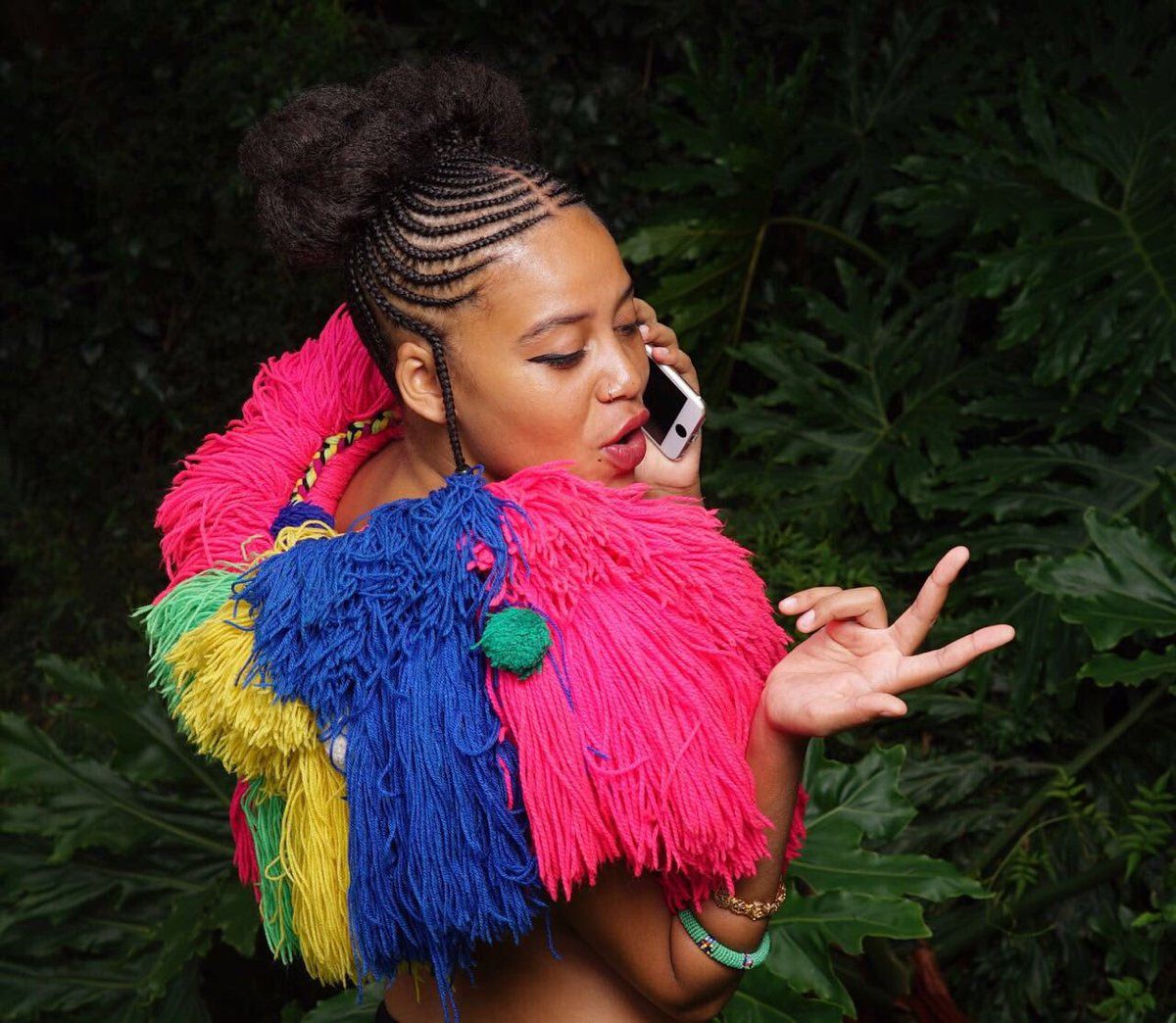
Rather than presenting heritage as something preserved behind glass, she treated it as a living design language.
That approach resonated far beyond South Africa. Her Global Citizen performance outfit later became part of the Victoria and Albert Museum’s Africa Fashion exhibition in London, demonstrating that contemporary creative direction can reshape how cultural history is understood.
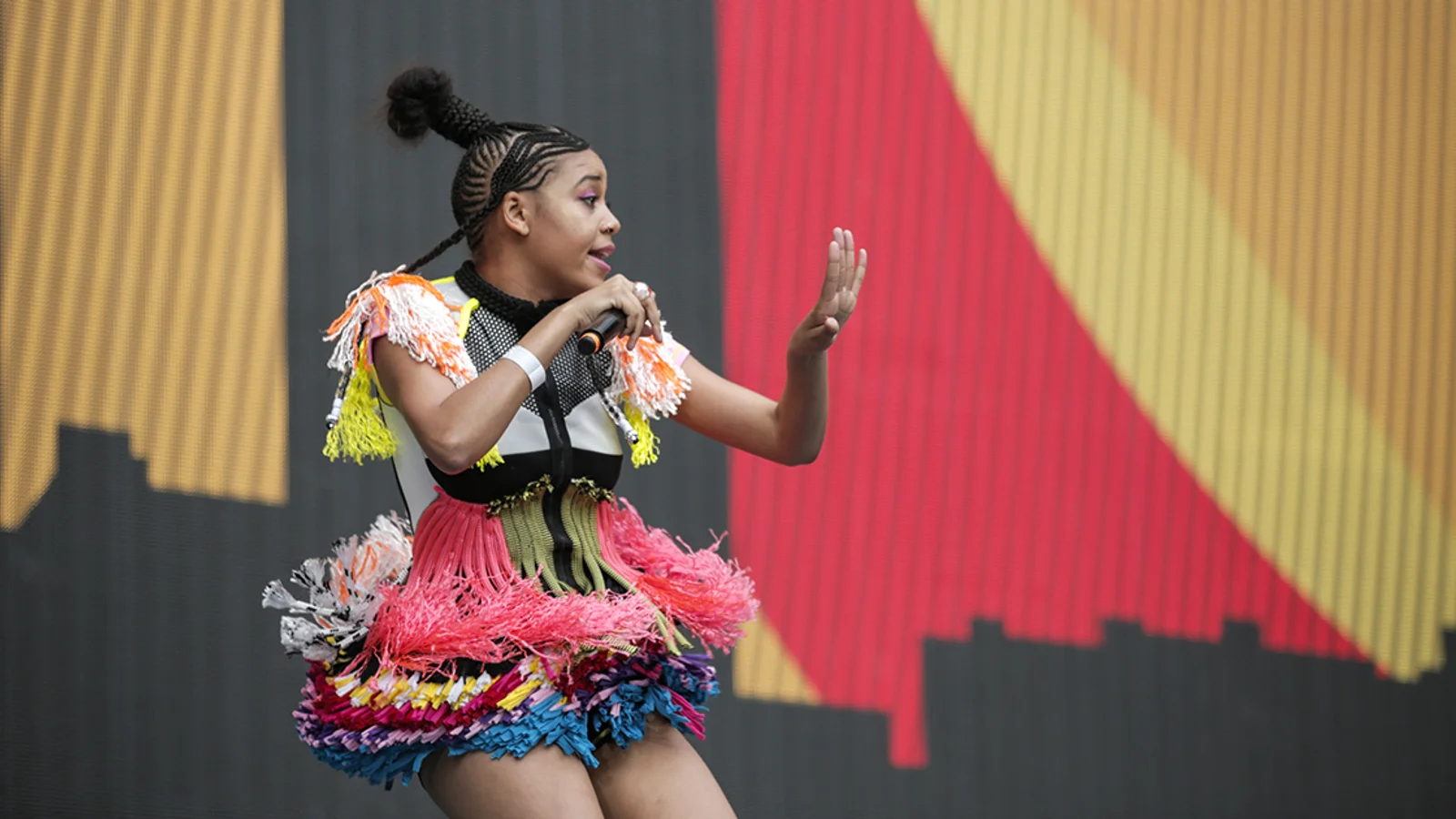
Her success wasn’t built on making Tsonga culture more accessible by diluting it. It was built on presenting it with confidence, clarity and contemporary relevance.
For creative professionals across disciplines, that’s an important reminder. Originality rarely comes from moving further away from your context. More often, it comes from exploring it deeply enough that nobody else could have made the same work.
Creative direction is the work
The common thread between these artists isn’t genre, audience or commercial strategy. It’s intention.
Every rollout, visual campaign, styling decision and performance feels connected to a larger creative philosophy. Nothing exists simply because it looks good. Every choice contributes to how audiences understand the artist.
That’s the real role of creative direction.
It’s not album artwork. It’s not a moodboard. It’s not a photoshoot.
It’s the discipline of making hundreds of creative decisions that all point in the same direction until audiences begin recognising the work before they recognise the name.
Tyson Sybateli, Moonchild Sanelly and Sho Madjozi have built worlds that transcend memorable music.
And in today’s creative economy, that may be the most valuable creative skill of all.