For many creatives, a portfolio becomes urgent the moment an opportunity appears. I’ve been there before.
A job application lands in the inbox. A potential client asks to see previous work. An agency requests examples before setting up a meeting. Suddenly, hours are spent searching through old hard drives, downloading files from forgotten cloud folders, or trying to piece together projects completed months or even years earlier.
By that point, the portfolio has become a reaction instead of a resource. Across South Africa’s creative industries, portfolios remain one of the simplest and most valuable professional tools a creative can build. Yet they are often left until the last minute, created only when they’re immediately needed.
The strongest portfolios rarely come together overnight. They evolve alongside the creative behind them.
Your Portfolio Is Your Creative Record
A portfolio is often mistaken for a collection of finished work. In reality, it is a record of how you think.
Whether you’re a photographer, designer, filmmaker, illustrator, architect, copywriter or animator, people are rarely looking only for technical ability. They want to understand your perspective, your taste and the kinds of problems you enjoy solving.
The projects you choose to include say just as much about you as the work itself. That means a portfolio should be curated rather than simply filled. Not every project belongs there. The goal isn’t to include everything you’ve ever made. The goal is to present work that reflects where you are today and where you’d like your career to go next.
Opportunities Rarely Arrive With Notice
Creative careers often move quickly. A recommendation from a friend, an unexpected email from a client or a networking event can create opportunities with very little warning.
Being able to immediately share a professional portfolio changes those conversations. Instead of saying, “I’ll put something together this weekend,” you’re able to respond with confidence.
That responsiveness communicates something beyond organisation. It shows that you’re prepared, intentional and serious about your work and sometimes that is the difference between who gets the job and who doesn’t.
It Doesn’t Need To Be Perfect
One of the biggest reasons creatives delay building portfolios is the belief that they need more work first. They tell themselves they’ll build one after the next project. Or after they win an award. Or after they finally create the piece they’ve been imagining.
That moment rarely arrives. A portfolio is never truly finished. It grows as your career grows. Adding one strong project every few weeks is often far more valuable than waiting years to build an elaborate portfolio from scratch.
Small, consistent updates are easier to maintain and create a much more accurate reflection of your creative journey.
Process Matters Too
Finished work tells only part of the story. Increasingly, creative directors, agencies and clients are interested in understanding how ideas develop.
Moodboards, sketches, behind-the-scenes photography, prototypes, drafts and early concepts help demonstrate how you approach creative thinking.
For emerging creatives who may not yet have extensive client experience, showing process can be just as valuable as showing outcomes. It reveals curiosity, experimentation and problem-solving, qualities that often matter just as much as technical execution.
Make Your Work Easy To Find
Building a portfolio also means thinking about accessibility. If someone asks to see your work, how quickly can they find it?
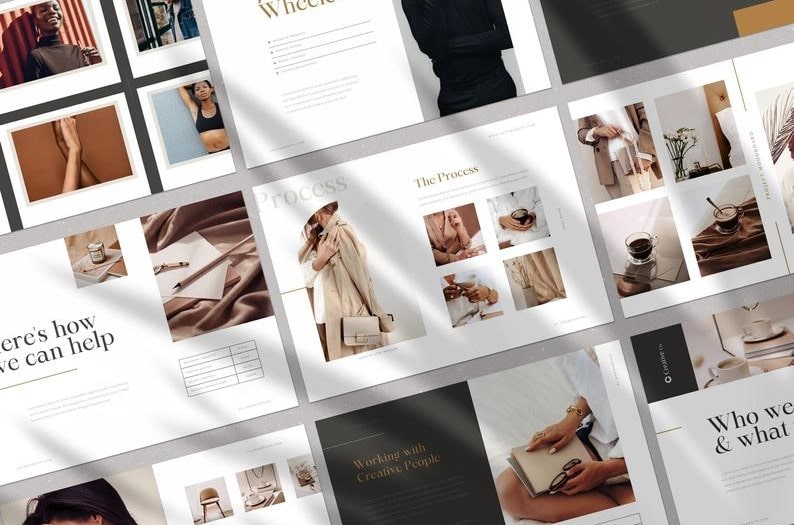
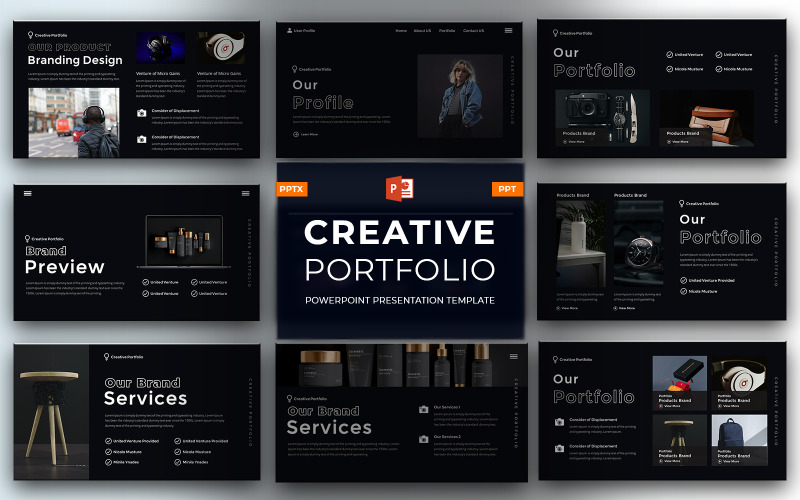
Whether you use your own website, Behance, Adobe Portfolio, Cargo, Squarespace, Notion or another platform, the experience should feel simple.
Clear navigation, high-quality images and concise project descriptions often leave a stronger impression than overly complicated layouts. The work should remain the focus.
A Habit Worth Building
Maintaining a portfolio is less intimidating when it becomes part of your creative routine. After completing a project, save the final files, select your strongest images, write a short summary and upload everything while the work is still fresh.
Doing this consistently means your portfolio grows naturally rather than becoming another overwhelming task waiting for a quiet weekend that never arrives.
Your Next Opportunity May Already Be Looking
Creative careers are built through visibility as much as talent. People can’t commission work they haven’t seen. They can’t recommend projects they don’t know exist. And they can’t imagine you on their team if they have no sense of what you’re capable of creating.
A portfolio won’t create opportunities on its own. But it makes sure you’re ready when those opportunities arrive. Sometimes the difference between getting the call and missing it entirely is having something ready to send before anyone else does.