On 7 March 2026, Johannesburg’s cultural heartbeat pulsed through the annual Johannesburg Film Festival (JFF). The city was alive with premieres, panels, and conversations that celebrated the power of storytelling. Amid the glamour of red carpets and the buzz of screenings, five-time SAFTA winner Babalwa Mtshiselwa reminded us of the unseen artistry that shapes cinema, the craft of makeup.
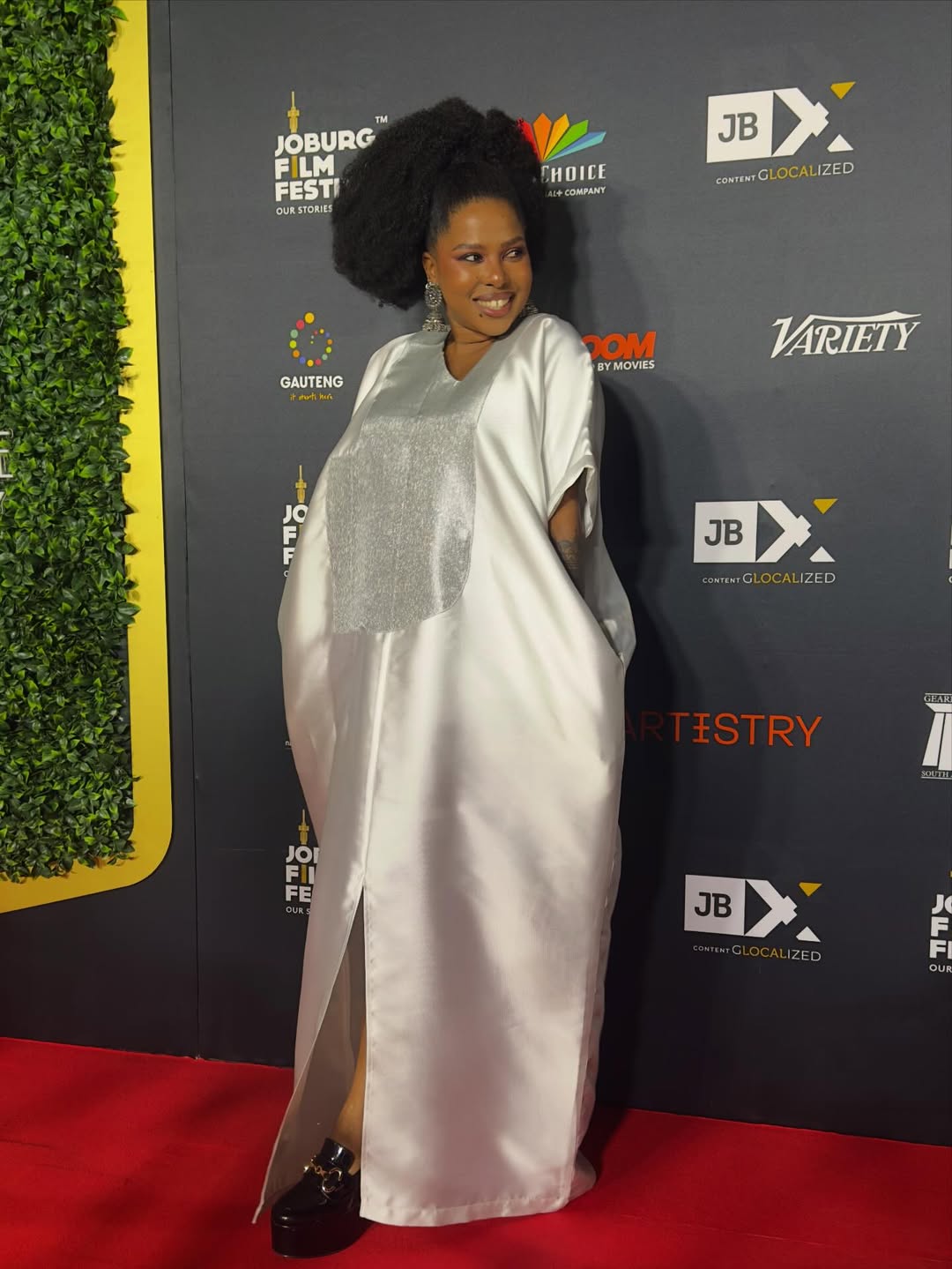
The Hard Truths of Makeup in Film
When asked what advice she would give young filmmakers hoping to enter the industry as makeup artists, Babalwa does not soften the edges.
“You really have to be passionate about this. The hours and the conditions we work in are very far from glamorous and what people will usually expect.”
Her words cut through the illusion of ease. Makeup artistry in film is not simply about painting flawless faces, it is about transformation, storytelling, and sometimes creating the opposite of beauty. From scars and bruises to fantastical creatures, the work demands technical skill, endurance, and imagination.
She emphasizes the long hours, twelve-hour days, five or six days a week, and the physical demands of being on set. “To be in a space for 12 hours a day, 6 days or 5 days a week isn’t an easy thing to do. But what makes it beautiful is passion.”
More Than Faces: Storytelling Through Makeup
For Babalwa, makeup artistry is not about vanity but narrative. “It’s not just creating beautiful faces, sometimes it’s the complete opposite of that and there’s a lot to learn,” she explains.
This perspective reframes the role of makeup in cinema. It is not decoration, it is storytelling. A character’s scars, age lines, or fantastical transformations are all part of the narrative arc. Makeup artists, in this sense, are co-authors of the film’s visual language.
Her call to young creatives is both a challenge and an invitation. “Come with passion, come with an understanding that this is going to be hard and you have to work your way up. There’s a lot of us. So, make your mark.”
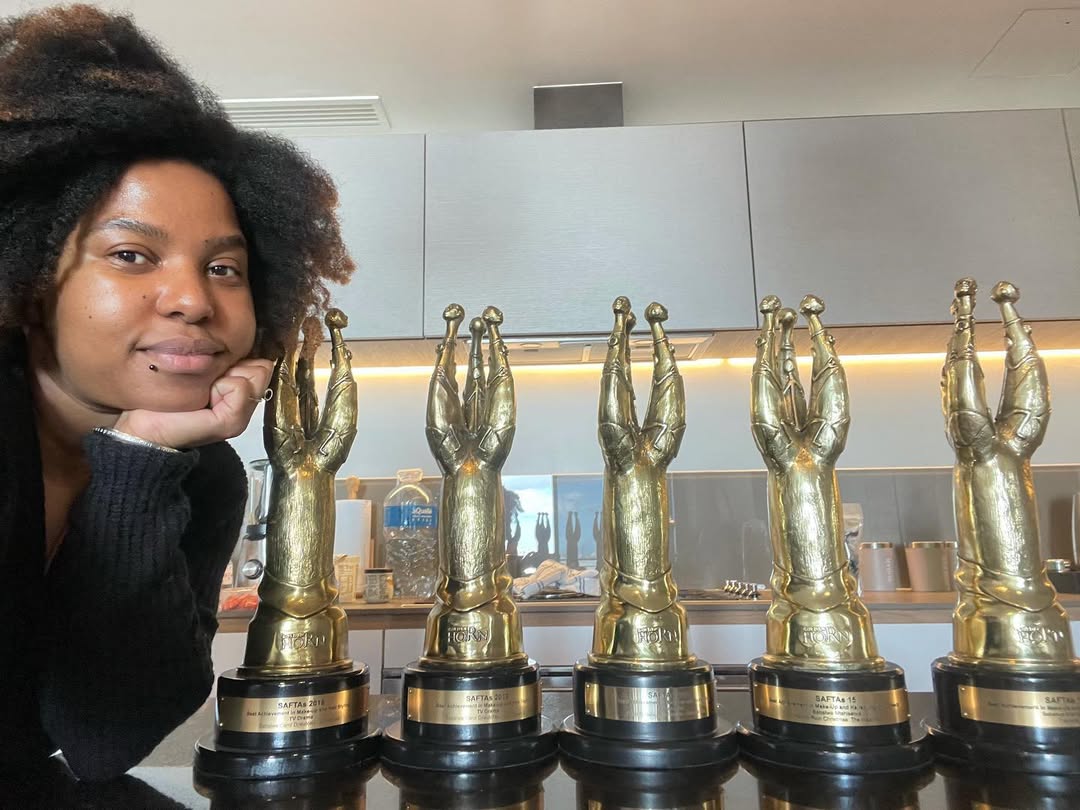
The industry is crowded, but Babalwa insists that originality and persistence carve out space for new voices.
A Festival of Inspiration
At JFF 2026, Babalwa’s presence was not just professional but deeply supportive. She speaks with warmth about the films she experienced during the festival.
“I’m here to support the industry, I have not picked a favourite because the films that I have gotten to see on this festival have been so inspiring and so beautiful.”
Her words reflect the spirit of the festival, a celebration of diverse voices and stories. While she hesitates to single out one film, she admits that Kabelo stood out as a personal highlight. “I saw Kabelo, that was probably my favourite from the festival,” she shares, her admiration underscoring the impact of local storytelling.
The Bigger Picture
What makes Babalwa’s reflections powerful is the way they connect the personal grind of makeup artistry with the collective joy of cinema. Her advice to young filmmakers is rooted in realism, but her festival reflections remind us why the hard work matters, the stories, the inspiration, the beauty of shared creativity.
The Johannesburg Film Festival has long been a platform for emerging voices, and Babalwa’s presence highlights the importance of recognizing every layer of the filmmaking process. Makeup artists, costume designers, sound engineers, all contribute to the magic that audiences experience.
For Babalwa Mtshiselwa, the film industry is not about glamour but about passion, persistence, and storytelling. Her advice to young creatives is a reminder that artistry thrives not in ease but in endurance. And her festival reflections capture the essence of JFF, a space where stories inspire, where craft is celebrated, and where every mark made, whether on a face or on the industry itself, matters.
“For Babalwa, the magic of cinema isn’t just on screen, it’s in the relentless passion of those who make it possible.”