Conversations about South African film tend to revolve around feature films and streaming series. Success is often measured by scale: bigger budgets, longer runtimes, larger audiences, and international distribution deals.
Short films rarely enter the discussion.
Yet some of the most interesting, daring, and culturally relevant work being produced in South African cinema is happening in the short-film space. Long before a filmmaker directs a feature, secures a streaming deal, or appears on an international red carpet, they are often experimenting with ideas, aesthetics, and storytelling techniques in a format that allows far more creative freedom.
If you want to understand where South African cinema is going, it is worth paying attention to where many of its most exciting voices begin.
The Apprenticeship Problem
One of the biggest challenges facing short films is the way they are perceived.
Within the industry, short films are often treated as developmental tools. They are viewed as stepping stones toward feature films, proof-of-concept projects, or opportunities for emerging directors to demonstrate their capabilities before moving on to bigger productions.
While short films absolutely serve this purpose, reducing them to career milestones diminishes their value as a creative form. A short film is not an unfinished feature film. It operates according to its own logic, its own structure, and its own artistic possibilities.
Writers do not measure the success of a short story by whether it becomes a novel. Photographers are not expected to turn every image into a film. Yet short films are frequently judged by what comes after them rather than what they achieve on their own. The result is a format that remains culturally overlooked despite playing a critical role in shaping the industry.
A Space Where Craft Is Refined
Short films also function as important collaborative spaces where filmmakers, cinematographers, actors, editors, and writers develop their skills.
Sibusiso Khuzwayo’s The Letter Reader is a strong example. The film paired an emerging director with acclaimed cinematographer Lance Gewer, whose work on Tsotsi remains one of the most recognisable achievements in South African cinema.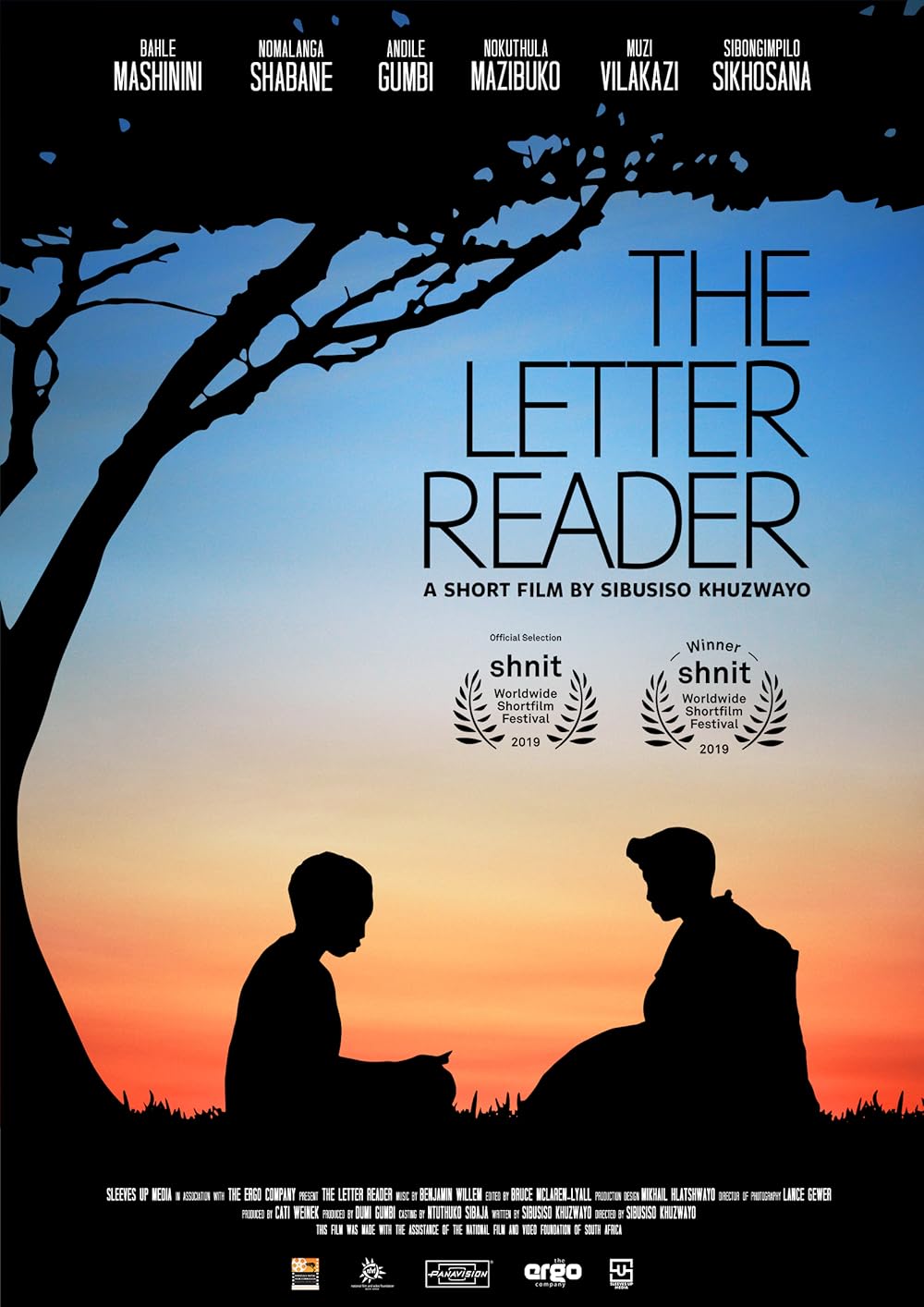
In less than thirty minutes, the film demonstrates a level of precision that many larger productions struggle to maintain. Every frame, line of dialogue, and performance decision carries weight because there is no room for excess.
This pressure often produces stronger creative choices. Writers learn how to communicate meaning with restraint. Actors learn how to build emotional depth within limited screen time. Cinematographers learn how to construct visual worlds with fewer resources and tighter constraints.
The short-film format becomes a training ground, but it also becomes a place where craft is sharpened in ways that larger productions sometimes allow filmmakers to avoid.
Freedom To Take Creative Risks
The short-film format offers something increasingly rare within the wider film industry: room for experimentation.
Feature films are expensive. They require larger investments, longer development periods, and greater commercial certainty. Those realities inevitably influence creative decisions.
Short films operate differently. Smaller budgets often create greater freedom. Filmmakers can take aesthetic risks, explore unconventional narratives, and engage with difficult subject matter without the pressure of appealing to the broadest possible audience.
Nomawonga Khumalo’s Five Tiger offers a powerful example. The film examines religious exploitation, transactional relationships, and patriarchal power with remarkable confidence and clarity. There is little sense of compromise in its storytelling.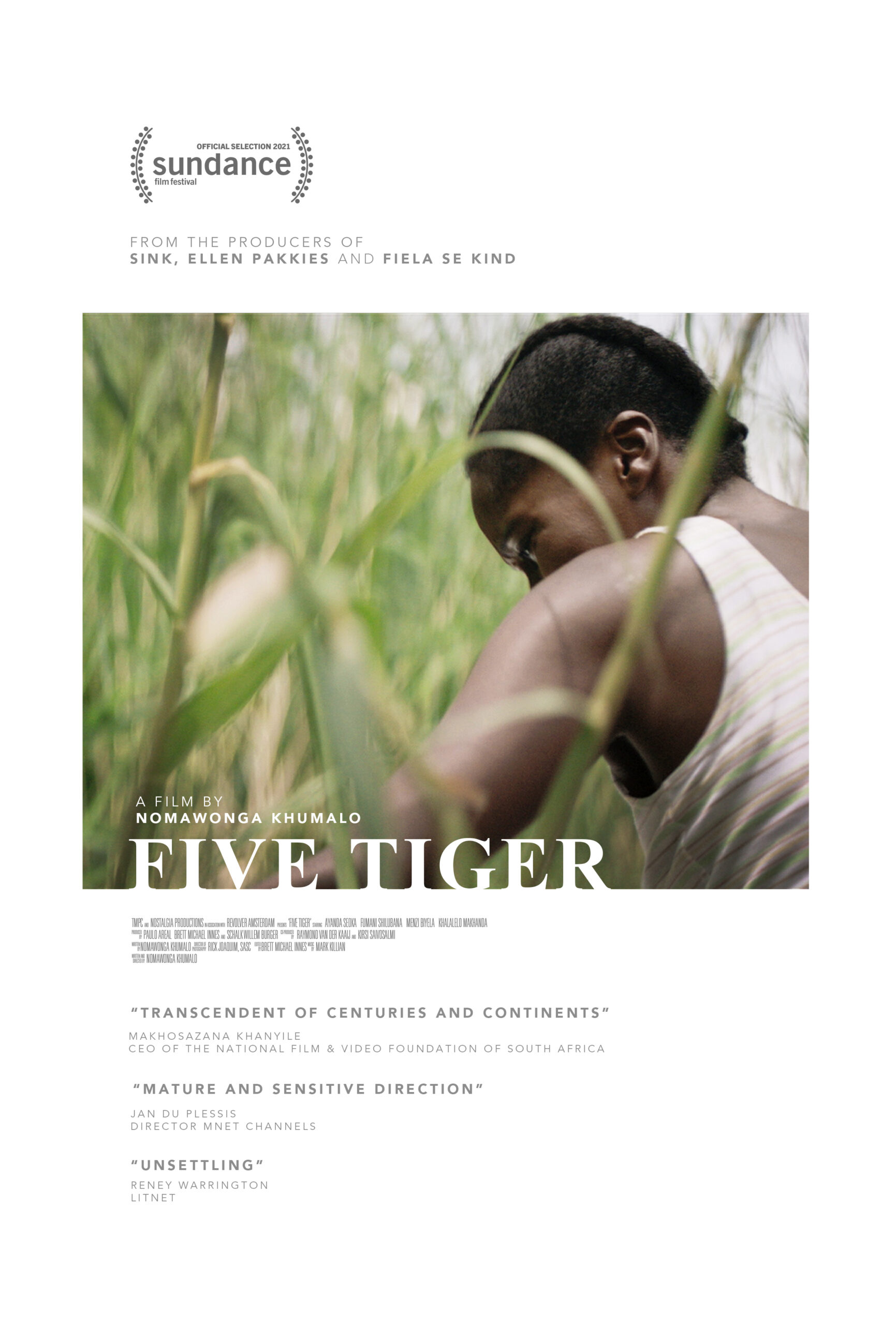
Similarly, works such as Lakutshon’ Ilanga and Nakhane’s B(L)Ind The Sacrifice demonstrate how short films create space for directors to experiment with form, symbolism, and visual language while engaging with themes that remain deeply relevant to contemporary South African life. Many of the conversations that later shape mainstream cinema often begin here first.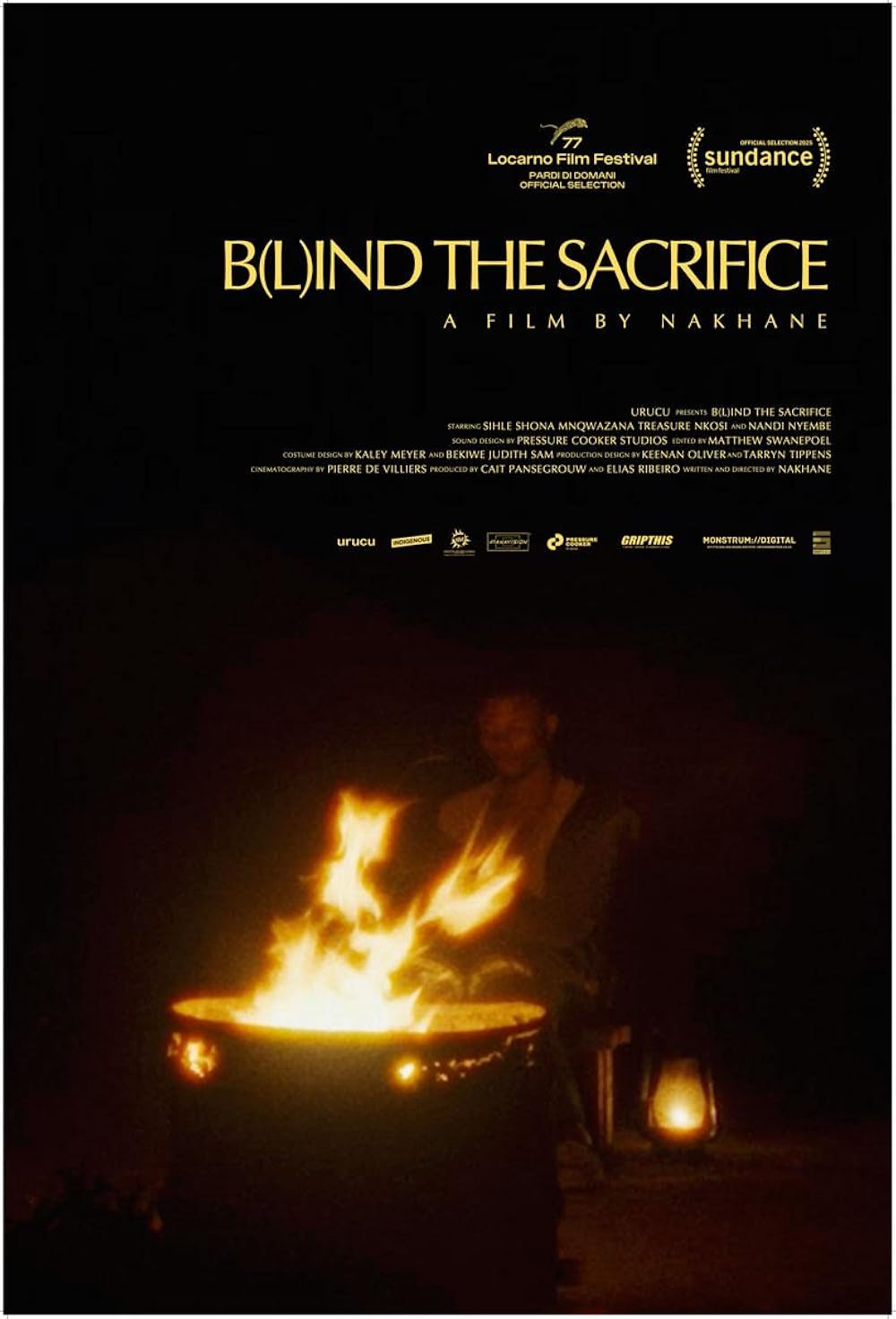
The Visibility Problem
For audiences, the challenge is rarely a lack of quality. It is a lack of access.
Outside of film festivals such as the Durban International Film Festival, Jozi Film Festival, and various independent screening platforms, South African short films can be surprisingly difficult to find. Most never receive theatrical releases. Many disappear after their festival runs.
Even when streaming platforms acquire short films, they are often buried beneath larger productions and difficult to discover unless viewers actively seek them out. This creates a strange contradiction.
Some of the country’s most innovative filmmakers are producing remarkable work, yet the audiences most likely to appreciate it often never encounter it. Alternative exhibition initiatives and independent screening platforms continue to address this challenge, but the broader visibility problem remains.
A stronger culture of watching, discussing, and sharing short films would benefit both filmmakers and audiences.
Looking Forward
South African short films deserve more attention because they often reveal creative shifts before the rest of the industry catches up. They are where new directors develop their voice. Where emerging visual styles appear. They are where filmmakers test ideas that larger productions may not yet be willing to support.
Most audiences encounter South African cinema after it has already passed through multiple layers of funding decisions, commissioning processes, market expectations, and distribution strategies.
Short films sit much closer to the source. They offer an opportunity to see new creative voices at the moment they are defining themselves. For anyone interested in the future of South African cinema, that alone makes them worth paying attention to.