Influencer marketing has passed the stage where having a big enough audience automatically makes you desirable to brands.
This does not mean that reach is unimportant.
It means that the question brands are asking themselves is becoming more subtle: what can this creator offer their audience that a standard ad campaign cannot?
Looking at the creators who are currently in demand in South Africa offers some insight into this.
Sni Mhlongo, Grace Mondlana, Tebogo Moropa and Sphokuhle N all occupy different niches within the creator economy but have seen a similar shift in what brands are looking for.
The 2026 Content Creator Awards shortlists offer one way into understanding this.
The awards’ categories have expanded to reflect the diversity of the creator space. Automotive, expert, style, podcasting, impact and creator-brand collaborations are all singled out for recognition.
But the Excellence in Branded Content category reflects an increased focus on the value of the relationship between creator and brand, and what the creator brings to the table beyond a pre-existing audience.
The bigger creator economy trend points towards the same shift.
Brands want a world people already want to enter
Sni Mhlongo is an interesting case study for this shift.
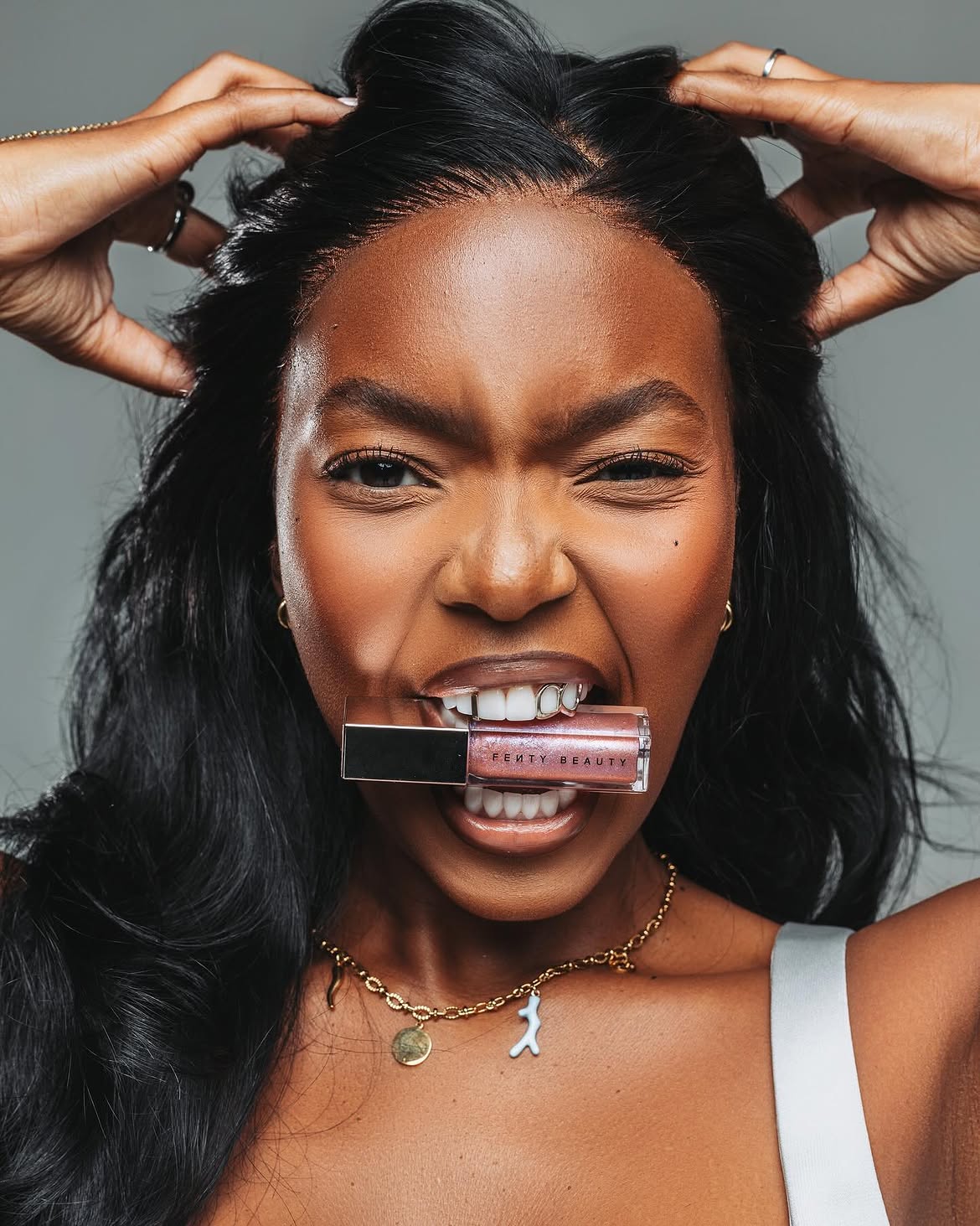
She has cultivated a lifestyle, style and personality-driven space over the course of her career, with a loyal following.
She has a following that trusts her and her perspective.
Her Vaseline collaboration during her uMemulo celebration, saw her taking advantage of her audience’s loyalty and engagement to both generate income and promote brands in a space that was personally meaningful to her.
It is a striking example of how her own world can be monetised and leveraged for brand partnerships.
This is a useful lesson for other creators: build a world that people can engage with, and the right brand partners will want to join in.
Personality is still a business asset
Grace Mondlana has been able to both attract a broad audience while also successfully navigating multi-industry partnerships because she has cultivated a consistent but flexible online personality.
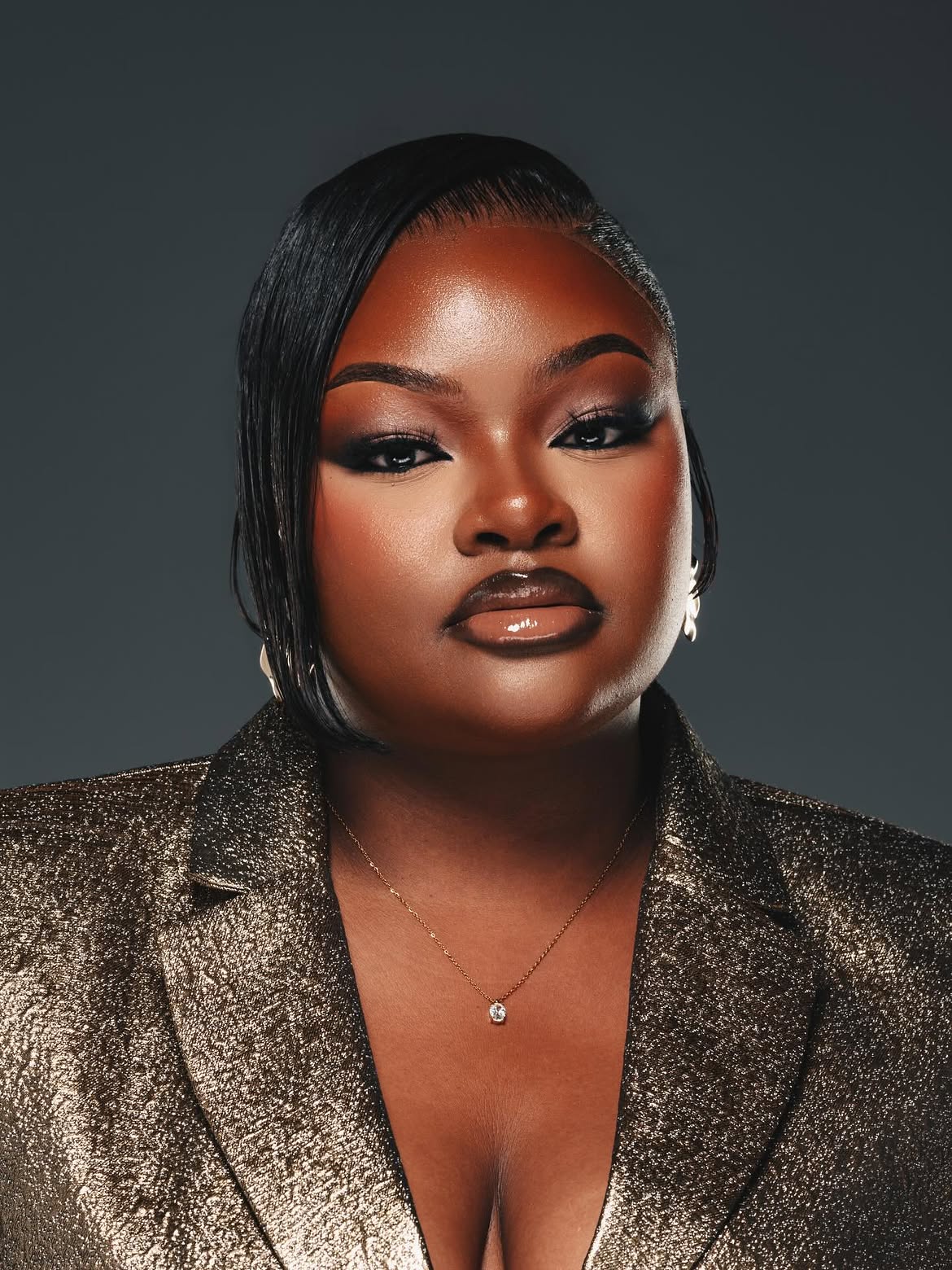
Her creator audience engagement across multiple sectors, including automotive, retail, food and beauty, speaks to the appeal of her individuality.
She has also been able to leverage that appeal in long-term partnerships with key brand partners, rather than always operating as a single, isolated ad buy.
That kind of flexibility is rare and desirable. Mondlana’s audience knows her, and trusts her, and that means whatever product she promotes has a better chance of success.
For creators looking to diversify their partnerships, she is a useful example of how to cultivate an enduring personality that can span categories without becoming generic.
Expertise can be a draw for brands
Tebogo Moropa has been able to carve out a creator space for himself within the highly specific automotive niche, and has seen brands gravitate towards him as a result.

His broad appeal is built on his skill as both a storyteller and an explainer. He makes the subject matter accessible and entertaining.
That is useful at a time when many brands are looking for someone to connect with their audience on their behalf, someone who can authentically discuss a product or service in a way that a random social media post cannot replicate.
Moropa’s work is a reminder that being knowledgeable in a specific field can make a creator appealing to a much bigger audience than one would expect.
His experience is a useful lesson for any creator looking to move into a specialist niche.
The most interesting shift: creators becoming collaborators
Sphokuhle N has been able to expand her career by thinking outside the influencer brief. Her Mr Price Group partnership has extended from standard influencer marketing into co-creating a limited edition fashion range.
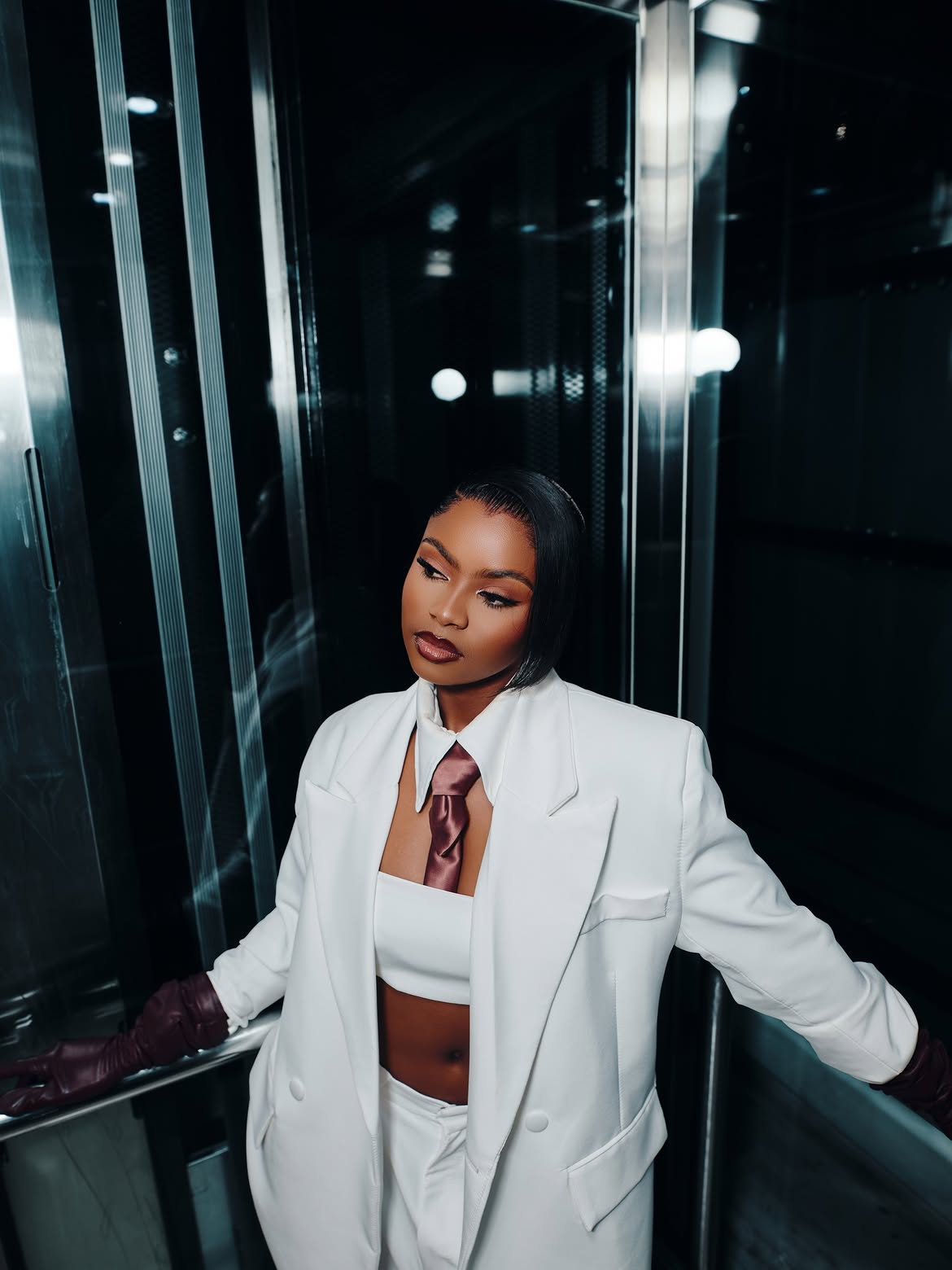
That kind of thinking has also seen her build a broader creative platform while still engaging with her audience as partners in her journey.
It is an important shift, and one that reflects a growing trend in the creator economy. Brands are starting to think of influencers as collaborators.
This means that, beyond the usual influencer partnership, there are opportunities for genuine co-creation of products, collections, campaigns and experiences.
From a creator perspective, that means that the sky is the limit. If a creator can add value to a brand’s offering, the scope of the partnership can extend beyond a simple creator fee.
So what are brands actually looking for?
Looking at these four shortlisted creators highlights some of the most desirable attributes a creator can offer.
Sni Mhlongo’s appeal lies in her cultural clout and her ability to create the kind of world her audience can get behind.
Grace Mondlana’s strength is in her engaging personality. Her ability to consistently entertain an audience across multiple categories is a big draw for brand partners.
Tebogo Moropa’s expertise within the automotive niche makes him desirable as a collaborator, and Sphokuhle N’s creative flair has seen her brands engage with her beyond a standard influencer partnership.
None of these attributes can be measured purely in follower counts, and that is perhaps the biggest lesson from these creators’ success.
The creator economy has grown to the point where a creator’s audience alone is not necessarily what will sell to brands.
It is what they can do with that audience that will determine their desirability as a partner in the long term.
This is the new business of influence: proving that reach is only the beginning.