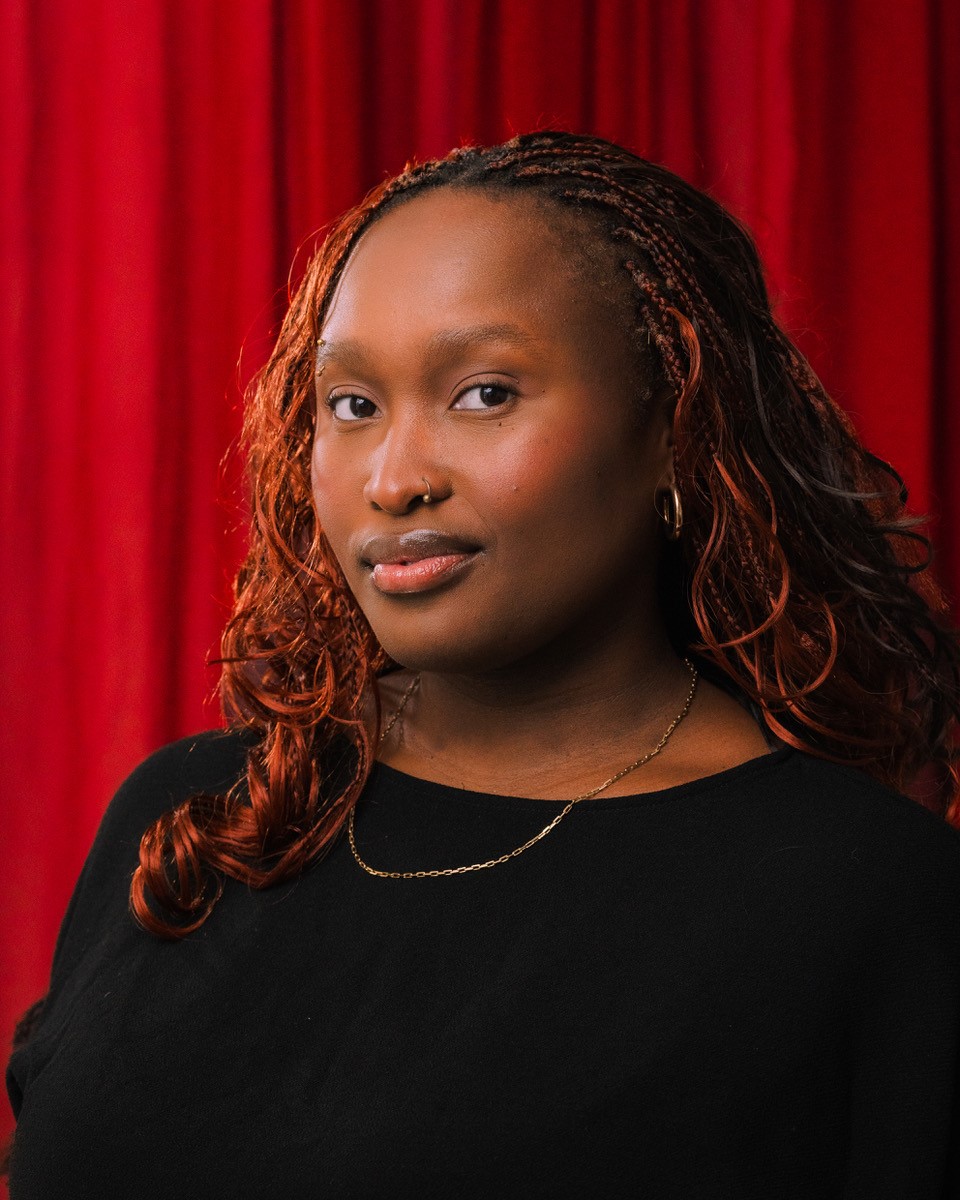
Filmmaker Sandulela Asanda has spent the last six years bringing Black Burns Fast to life, a coming-of-age story that centres Black girlhood, queerness and imagination in ways South African cinema rarely has. Ahead of the film’s premiere, she sat down with SA Creatives to talk about her unconventional journey into filmmaking, why she believes audiences are craving more imaginative storytelling, and how creating this film became an act of healing.
Let’s start at the beginning. How did you find your way into filmmaking, and what philosophy guides the work you make?
Funnily enough, I have a background in economics and law. That’s what I did my undergrad in. But I’ve also been acting and doing drama since I was eight, and that was my first love. The problem was it was never presented to me as something you could actually live off.
Even throughout varsity I was still acting in plays and writing plays, but I realised I didn’t love it the way I loved film. During my honours year I found AFDA’s Recognition of Prior Learning programme. I didn’t have the degree, but I had scripts and experience, so they let me in.
Growing up, we were one of the few Black families in our suburb, so I spent a lot of time alone. TV and books were how I travelled the world and built my imagination. I think growing up that way really informed my philosophy as a filmmaker.
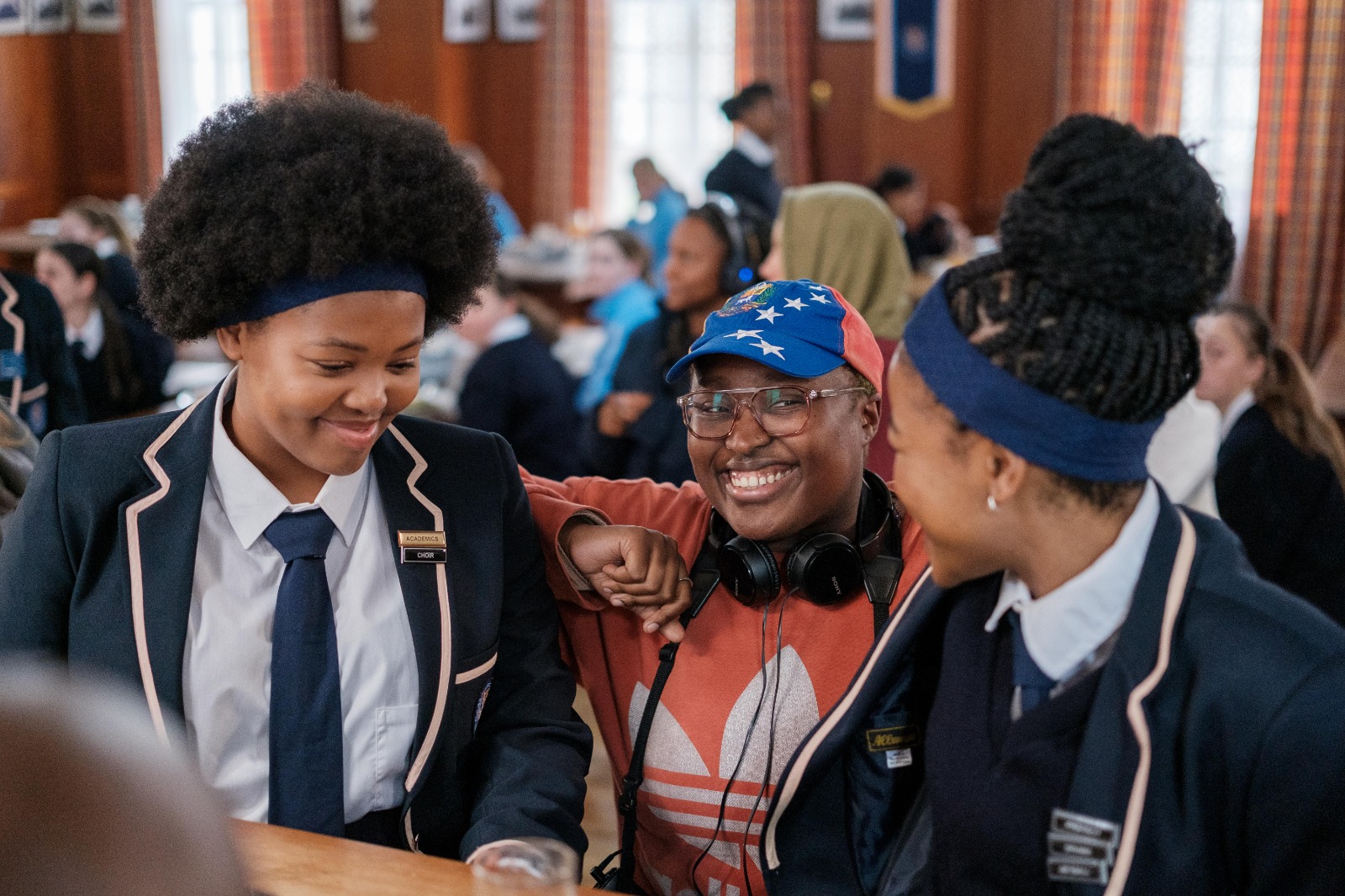
Now I want to make the films I needed when I was younger. Black Burns Fast is literally for me when I was starting high school. I want to keep making stories where Black girls see themselves. Black queer girls in space, slaying dragons, kicking ass. I want to make the things I wanted to see.
You mentioned making the films you needed growing up. Do you think that’s what South African film and television is missing at the moment? It feels like we’ve become less imaginative than we used to be.
I don’t think we’re stuck because people don’t have creative ideas. I think the problem is the people who have the keys to the castle and to the bank.
Film is a high-risk industry, but audiences don’t lead us. We lead them. They don’t know what they want until they see it. It takes confidence to say, “This thing is different. It’s out of the box. But I know who it’s for.”
If we were allowed to play more, imagine more and push more, we’d get back to those early 2000s days. Back then there was so much hope. People were ready to imagine, and that filtered into our media. Now everyone is scared and timid because so much has happened. But that’s exactly the energy we need to bring back. We need to dream again.
Black Burns Fast has had an incredible journey on the international festival circuit. Do you feel boundary-pushing creatives almost need an international co-sign before they’re appreciated at home?
Unfortunately, yes. A lot of people complain that South African films aren’t marketed, but now that I’m behind the scenes releasing my own film, I understand why. Marketing budgets are expensive.
What’s beautiful about these festivals is that they genuinely want every film they select to succeed. They organise interviews, they pitch you to publications, they schedule meetings. They do all of that for free.
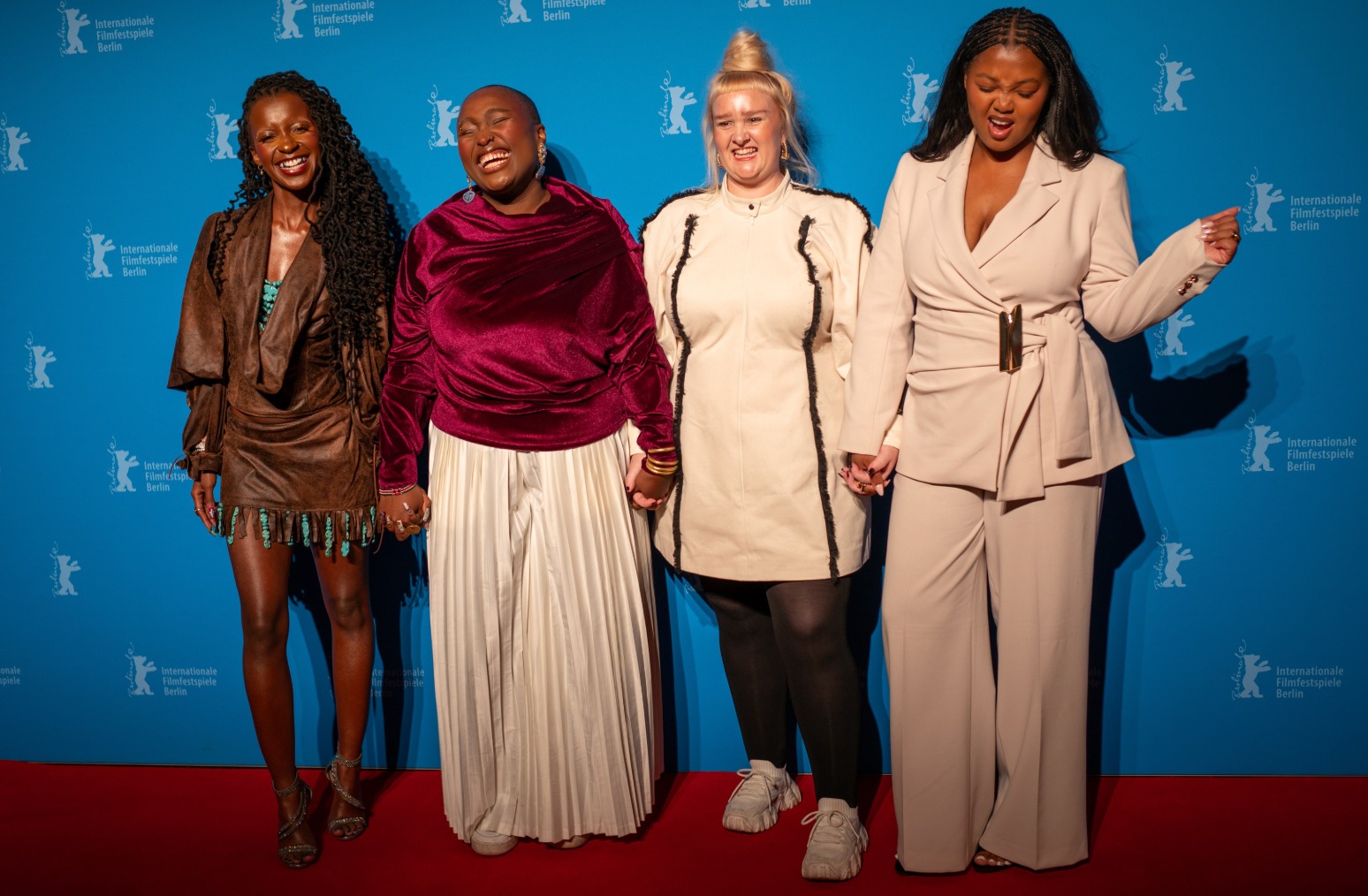
Then other festivals start paying attention because they saw you at Berlin or somewhere else, and that momentum keeps building. Eventually you bring that momentum back home. It has a knock-on effect.
What makes me sad is that South Africa has incredible creatives. Internationally, South African crews are known to be talented. People get excited about South African films. I just wish that same excitement existed from within.
I also think capitalism has ruined a lot. Sometimes people need to do things for the love of the game first. If people committed five or ten years to building this ecosystem, we’d eventually reach the scale where profits naturally follow.
Culture is an investment.
So what was it about Black Burns Fast that made you feel, “This is the story I have to tell”?
It started during COVID, when Black girls were talking online about their experiences at Model C and private schools. I grew up in those spaces. I was always in the minority. At the same time, I was preparing to come out to my parents. Looking back, I kept asking myself, “Did I know back then?” And honestly, there were signs.
I just didn’t have the language. I didn’t have the representation. There were no words. No pictures. Nothing in school culture that told me this was even possible. I survived high school, but I don’t think I was very happy. I constantly felt different, over and above being a Black girl.
By the time I was writing this film, I knew myself so much better. I thought, “If I’d known then what I know now, maybe I would’ve navigated that world differently.”
Then I looked for films about that experience and they didn’t quite exist.
So I thought, “Okay. There we go.”
I’m very much the kind of person who believes you can complain, complain, complain… but eventually you have to pick up your tools. Something has to give.
Listening to you, it doesn’t sound like you set out to reinvent the coming-of-age genre. It sounds like you wanted to create a space within it that reflected your reality.
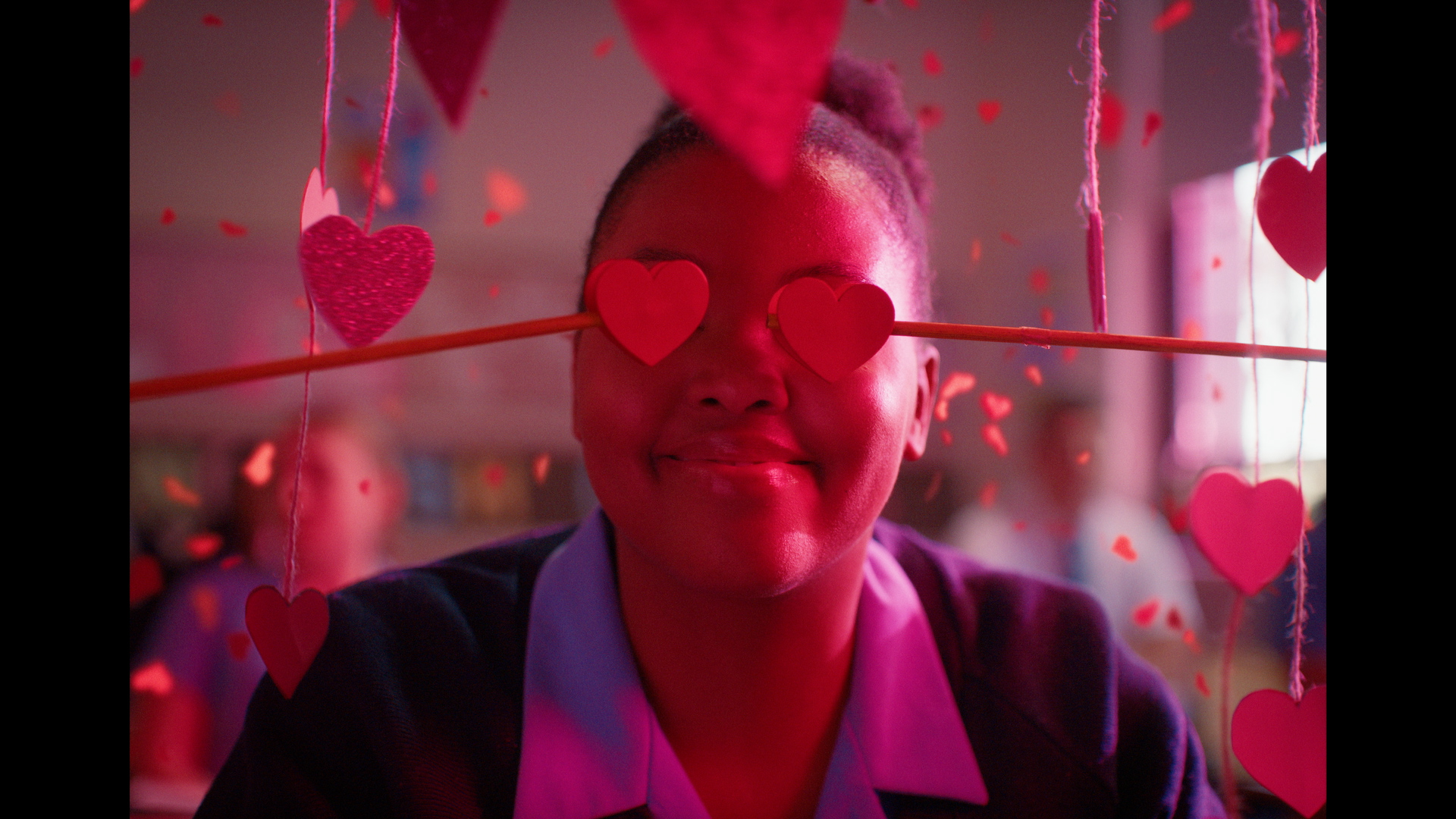
Literally. If there was innovation, it was probably in the visual approach because I wanted to bring out the interiority of what it means to be a Black girl in those spaces.
But I also reject this thing where, because I’m a Black female filmmaker, every piece of work I make has to reinvent cinema. That’s not expected of my white peers. So why should it be expected of me?
Yes, I hold myself to a high standard. But that’s between me and myself.
I actually think this film is groundbreaking. Watching the trailer immediately reminded me of Scott Pilgrim vs. the World. It has that same playful visual language while still telling an emotionally grounded story.
That’s literally one of my references. I also think it’s really important that Black girls see themselves outside of trauma narratives.
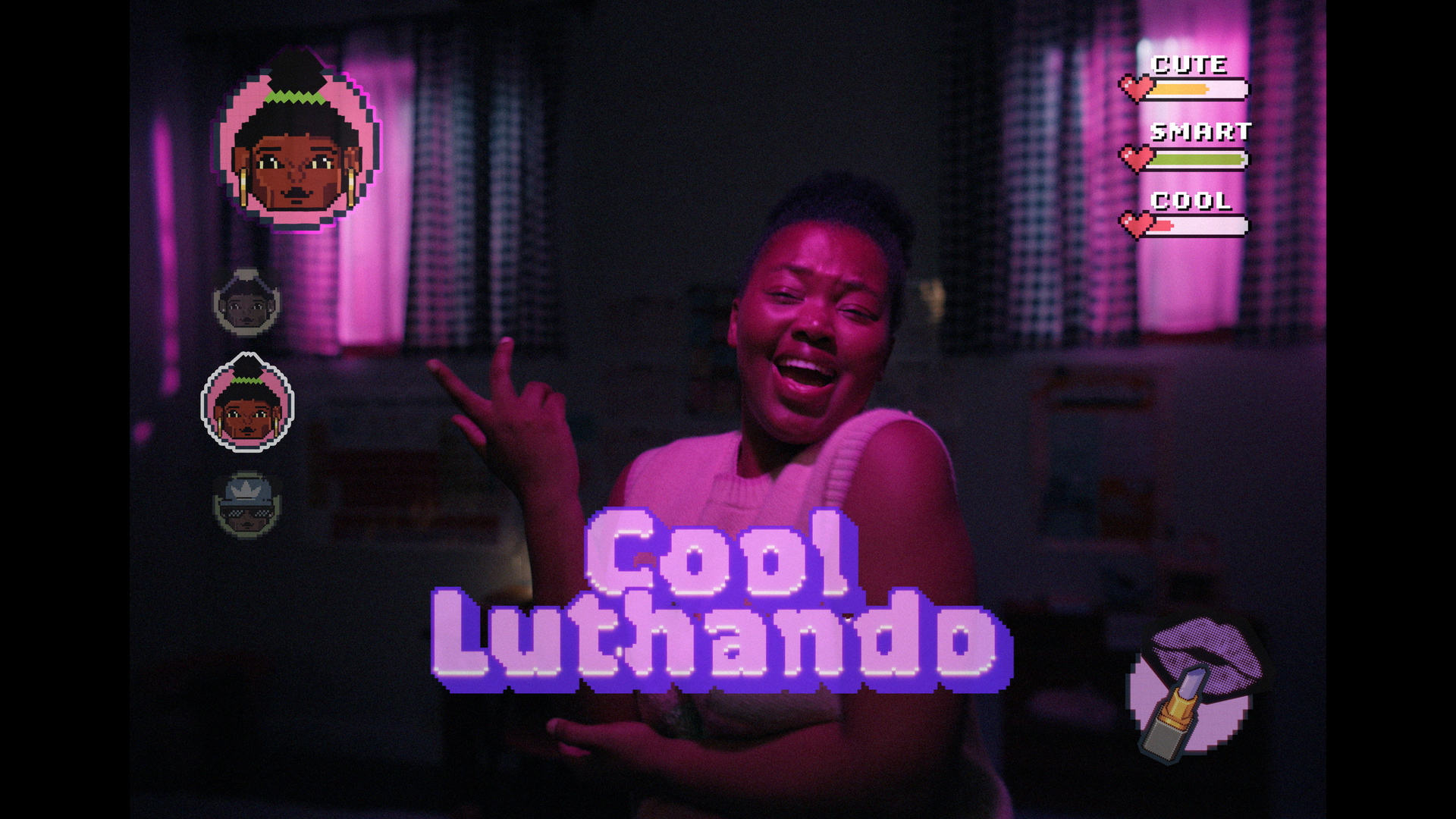
I wanted whimsy. I wanted fun.
One of my favourite queer films is Pariah. I love that film, but every time I watch it I cry because I see so much of myself in it. Looking around, I realised most queer stories are sad. I didn’t want that.
Queerness has brought so much joy and self-actualisation into my life. I wanted the tone and visuals to reflect that and allow more people to experience that too.
Is there a scene in the film that feels especially personal to you?
Yes. The first kiss.
That image existed before the film even existed. It was one of the first references I ever printed out and pinned to my wall while writing.
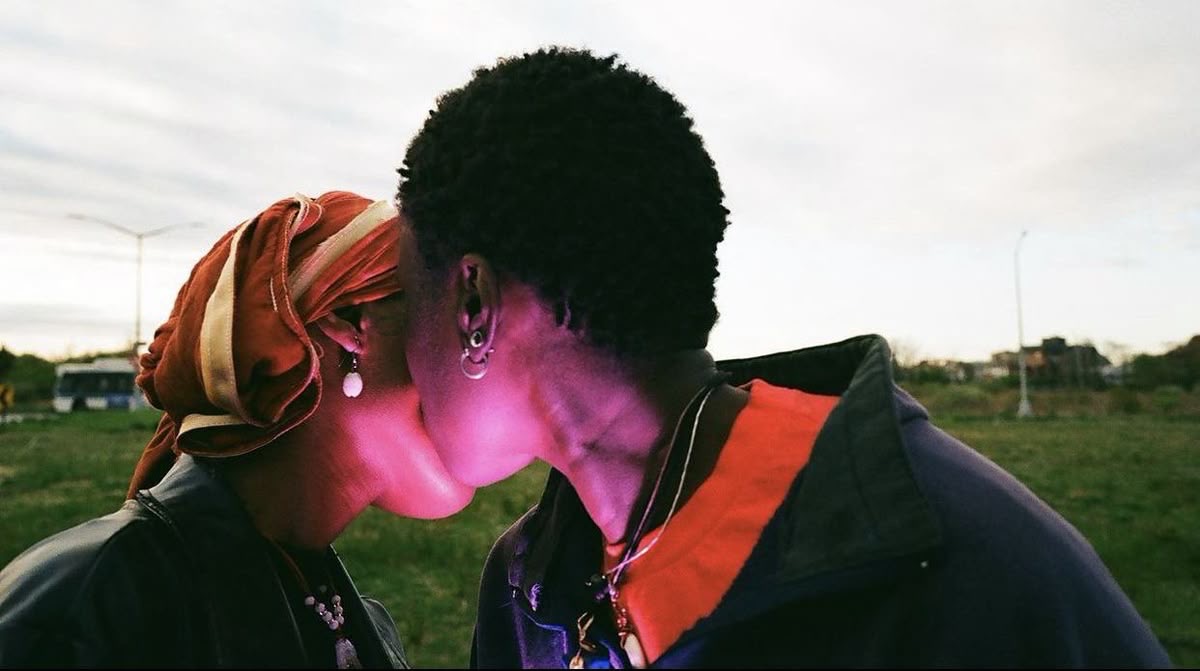
I remember telling my cinematographer, “We have to recreate this.” Watching that scene being filmed, I stood behind the monitor and I was low-key crying because I realised, “Oh my God… we’re actually doing it.” That was the moment it all became real. It felt like, “I did it. I’m actually doing this.”
Your work is often described as filling a gap in representation. How do you balance telling deeply personal stories while still speaking to wider audiences?
To be honest, I don’t think about a broader audience. I think people misunderstand universality. The more niche and personal you make something, the better.
People are much more willing to draw parallels between their lives and someone else’s specific experience than they are with something that’s trying to broadly apply to everybody.
We’re all human. I might have a completely different experience to a middle-aged white German man, but somewhere there has to be something that connects us. When I was making this film, my mind wasn’t on everyone.
It was on that little fourteen-year-old Black girl who sat in front of the TV every December dreaming about where she could go. That’s who I made it for.
Six years is a long time to live with one story. Looking back, what did making this film teach you about yourself?
It taught me to give myself grace. Growing up, I was really hard on myself. Writing this film healed a lot for me. It’s about a love story, yes, but it’s also about Black girlhood and the girls who really kept me sane during that time.
It also taught me resilience. It took years to get the script right. Then years to finance it. Throughout that process people kept saying no. They weren’t sure the story would work. They weren’t sure it was relevant.
But I believed there was someone who needed this film. Making a film also completely destroys perfectionism. You’re constantly rewriting. You rewrite the script. You rewrite on set. You rewrite in the edit.
There were scenes I was convinced would make the final film that didn’t. As a perfectionist, that’s hard. But it teaches you to keep moving.
When people watch a Sandulela Asanda film in the future, what do you hope they’ll come to expect?
I want to be known for shaking some tables. I want people to come out seeing the world differently. I love this whimsical space, but I also want to do some dark stuff.
I don’t want to be boxed. I have opinions, and I feel like the world needs to hear them.
Before I let you go, I have to ask: why Black Burns Fast?
It speaks to growing up as a Black girl. In science, darker colours heat up faster. For me, it’s about how Black girls are expected to grow up faster because of the attention, the biases and everything that’s projected onto them. You’re forced to grow up fast. That’s why it’s called Black Burns Fast.
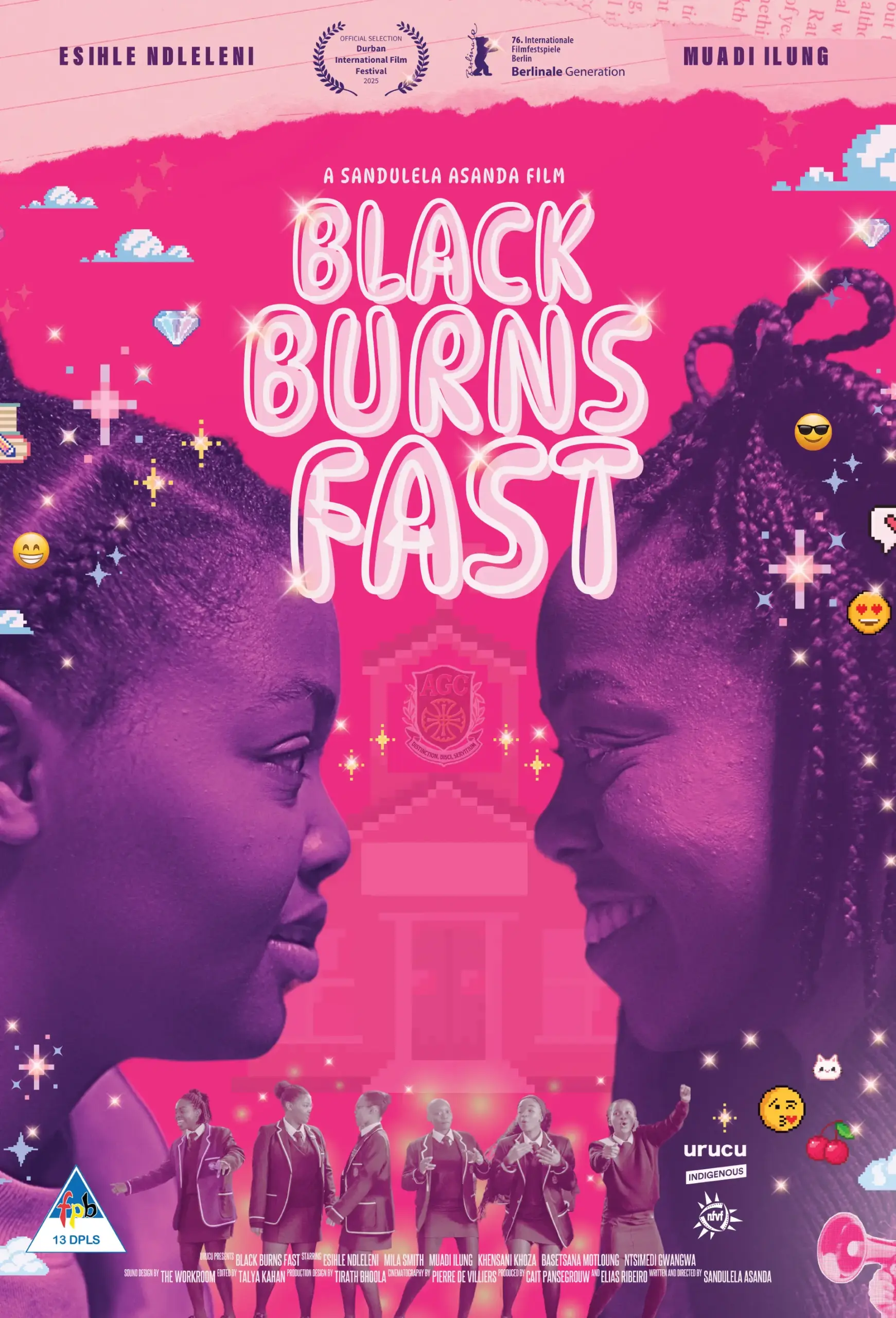
Black Burns Fast arrives in South African cinemas nationwide on 31 July 2026. Audiences will soon have the opportunity to experience Sandulela Asanda’s acclaimed coming-of-age feature on the big screen, a film that invites viewers into a deeply personal story while expanding the possibilities of what South African cinema can look and feel like.